Reptiles are a fascinating group of animals that have captivated the interest of enthusiasts and pet owners alike. With their unique characteristics, behaviors, and habitats, reptiles offer a diverse array of species for anyone considering them as pets. In this article, we will explore common reptiles that are suitable for beginners, providing insights into their care requirements, temperament, and suitability as pets. Additionally, we will delve into the critical issue of endangered reptile species and their conservation status, shedding light on the importance of protecting these remarkable creatures.

When selecting a reptile as a pet, it is essential to consider various factors, including size, habitat needs, temperament, and dietary requirements. Beginners often benefit from choosing species that are hardy, easy to care for, and have a gentle disposition. Here, we outline some of the most popular reptiles for novice pet owners.
Leopard Gecko
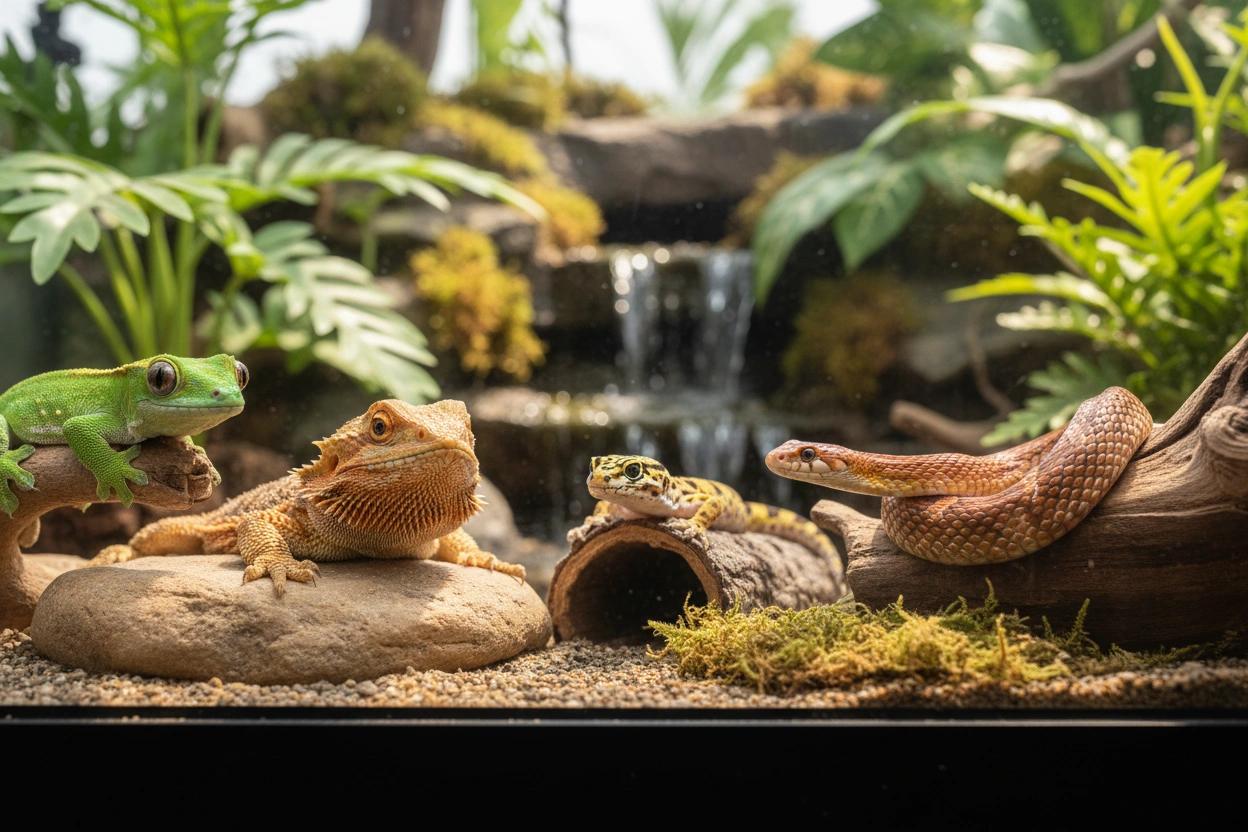
The leopard gecko is an excellent choice for beginners due to its manageable size and docile nature. These lizards typically grow to about 8 to 10 inches long and can live up to 20 years with proper care. They thrive in a simple terrarium setup that includes a heat source, hiding spots, and a shallow water dish. Their diet primarily consists of insects, making feeding straightforward.
Corn Snake
Corn snakes are known for their vibrant colors and gentle demeanor, making them a popular choice among first-time snake owners. Growing to about 4 to 6 feet in length, they require a secure enclosure with adequate hiding spots and temperature gradients. Corn snakes are generally easy to handle and can live for over 20 years in captivity.
Bearded Dragon
Bearded dragons are friendly and interactive reptiles that adapt well to captivity. They can reach lengths of up to 24 inches and require a spacious habitat with UVB lighting and a varied diet that includes both insects and vegetables. Their sociable nature makes them great companions, and they are known to enjoy human interaction.
Ball Python
Ball pythons are small to medium-sized snakes, typically growing to around 3 to 5 feet. They are relatively easy to care for and are known for their calm temperament. A secure enclosure with proper heating and humidity is essential for their health. Ball pythons can live for 20 years or more, making them a long-term commitment.
Russian Tortoise
The Russian tortoise is a hardy species that is well-suited for beginners. They are small, generally reaching about 6 to 10 inches in length, and require an outdoor enclosure with plenty of space to roam. Their diet consists mainly of leafy greens and vegetables. Russian tortoises can live for several decades, making them a long-term companion.
When selecting a reptile, beginners should keep the following factors in mind:
By carefully considering these factors, beginners can select a reptile species that will thrive in their care and provide years of companionship.

As we delve into the world of reptiles, it is crucial to recognize that not all species are thriving. Many reptiles are facing extinction due to habitat loss, climate change, and illegal trade. Understanding these endangered species can foster a greater appreciation for reptiles and the urgent need for conservation efforts.
Hawksbill Sea Turtle (Eretmochelys imbricata)
This critically endangered species is known for its beautiful shell and is primarily threatened by habitat loss and illegal poaching. Conservation efforts focus on protecting nesting sites and reducing bycatch in fishing.
Psychedelic Rock Gecko (Cnemaspis psychedelica)
Native to Vietnam, this gecko is sought after in the pet trade, leading to significant population declines. Conservation efforts are aimed at habitat protection and regulating trade.
Gharial (Gavialis gangeticus)
This unique crocodilian is critically endangered due to habitat loss and fishing practices that harm its population. Conservation initiatives include habitat restoration and awareness campaigns.
Bornean River Turtle (Orlitia borneensis)
Threatened by habitat destruction and poaching, this turtle is endemic to Borneo. Conservationists work on habitat protection and captive breeding programs to bolster its numbers.
Chinese Softshell Turtle (Rafetus swinhoei)
Once prevalent, this turtle is now critically endangered due to overharvesting and habitat degradation. Conservation efforts include breeding programs and habitat restoration.
Pangolin Gecko (Cnemaspis spp.)
Various species of pangolin geckos are threatened by habitat loss and the pet trade. Conservation actions focus on habitat preservation and curbing illegal trade.
Javan Gharial (Gavialis gangeticus)
Like its relative, the gharial, the Javan gharial is critically endangered due to habitat loss and poaching. Conservation efforts are similar, focusing on habitat restoration.
Antiguan Racer (Alsophis antiguae)
Once one of the world's rarest snakes, conservation efforts have led to a population recovery. Habitat protection and predator control are critical components of their conservation strategy.
Yangtze Giant Softshell Turtle (Rafetus swinhoei)
The world's rarest turtle, with only a few individuals left, is on the brink of extinction. Conservationists are working tirelessly to locate and breed the remaining individuals.
Florida Pine Snake (Pituophis melanoleucus mugitus)
This species is threatened by habitat loss and is protected under state law. Conservation efforts include habitat preservation and public awareness programs.
The survival of these endangered reptiles is critical not only for biodiversity but also for maintaining ecosystem balance. Conservation efforts can take many forms, including:
By understanding the challenges faced by endangered reptiles, we can all contribute to their conservation and ensure that future generations can enjoy their beauty and diversity.

Reptiles play vital roles in their ecosystems, serving as both predators and prey. Understanding their ecological significance can deepen our appreciation for these creatures and underscore the importance of their conservation.
Pest Control: Many reptiles, such as snakes and lizards, help control pest populations by preying on insects and small mammals. This natural pest control can benefit agriculture and reduce the need for chemical pesticides.
Seed Dispersal: Certain reptiles, including tortoises, contribute to plant reproduction by dispersing seeds through their feces. This process aids in plant diversity and ecosystem health.
Food Source: Reptiles are a critical food source for various animals, including birds, mammals, and larger reptiles. Their presence in the food web is essential for maintaining ecological balance.
For those who decide to welcome a reptile into their home, proper care is paramount. Here are some essential tips for ensuring the health and well-being of your reptilian companion.
Research Species Needs
Each reptile species has unique care requirements. Research their habitat, dietary needs, and social behaviors before bringing one home.
Provide a Suitable Habitat
Ensure that the enclosure mimics the reptile's natural environment. This includes temperature gradients, humidity levels, and hiding spots.
Maintain Proper Diet
Feed your reptile a balanced diet appropriate for its species. This may include live insects, vegetables, or specialized pellets.
Regular Veterinary Check-ups
Schedule routine veterinary visits to monitor your reptile's health and prevent potential diseases.
Educate Yourself Continuously
Stay informed about reptile care through books, online resources, and community forums. Continuous learning will enhance your ability to provide the best care.
Reptiles are not just fascinating pets; they are integral to our ecosystems and face significant threats that require our attention. By choosing to adopt a reptile responsibly and supporting conservation efforts, we can play a part in protecting these incredible creatures for future generations.
At Banana Slug Club, we are dedicated to fostering awareness and promoting responsible pet ownership. By understanding the intricacies of reptile care and the importance of conservation, we can make informed decisions that benefit both our pets and the environment.
If you're interested in learning more about reptiles or exploring ways to support conservation efforts, we invite you to visit Banana Slug Club. Together, we can make a difference in the world of reptiles and ensure their survival for years to come.
Get free resources, early access to new features and updates.
No spam. Just fun educational emails!


.svg)
.svg)