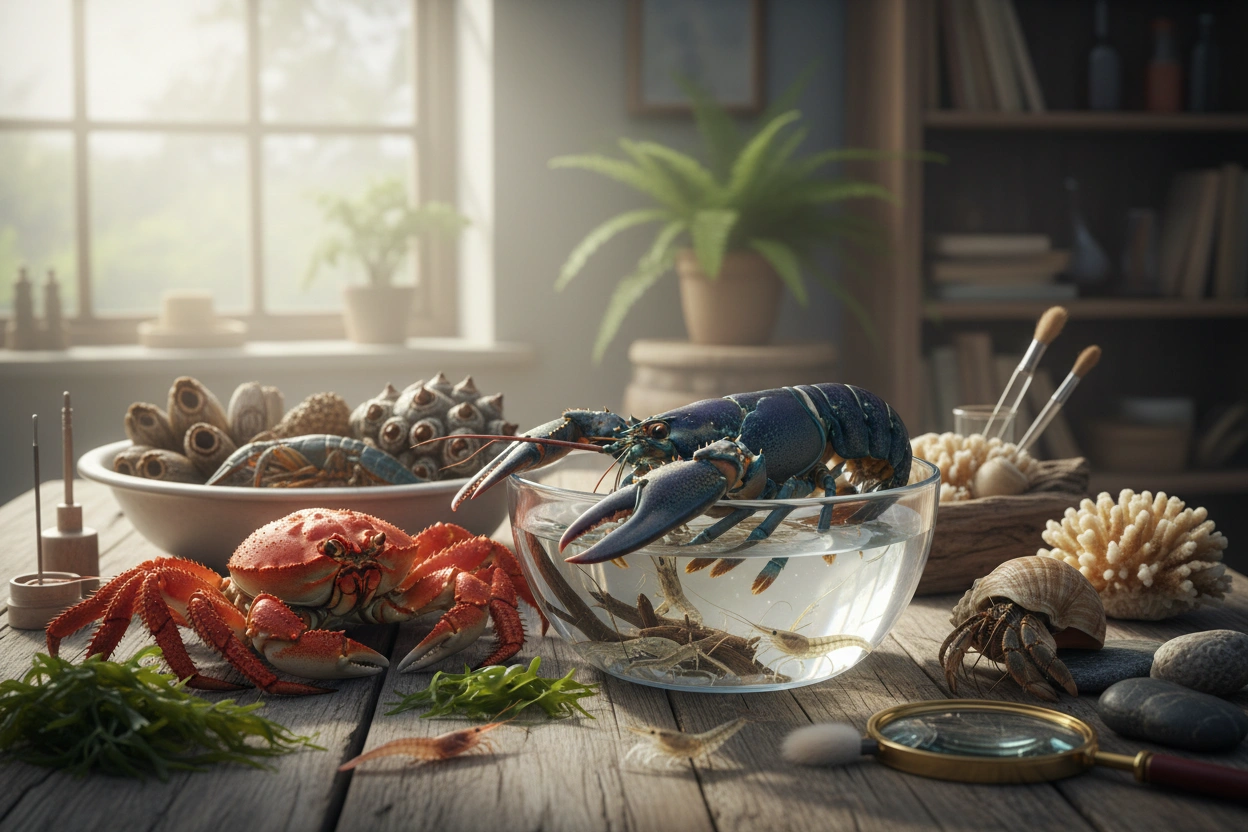
Crustaceans are a fascinating and diverse group of aquatic animals that play significant roles in both ecosystems and human economies. From shrimp and crabs to lobsters and barnacles, these creatures are not only vital for marine biodiversity but also serve as a crucial food source for millions around the globe. As we delve into the world of crustaceans, this guide aims to provide beginners with essential insights into their benefits, care, and the best practices for maintaining a healthy environment for these remarkable animals.
Understanding crustaceans involves more than just recognizing their ecological importance; it also entails knowing how to care for them properly, whether in an aquarium, for commercial purposes, or in the wild. This comprehensive guide will walk you through the key aspects of crustacean care, including their dietary needs, habitat requirements, and common misconceptions that may hinder their well-being.
Crustaceans are integral to aquatic ecosystems, serving as both prey and predator. They contribute to nutrient cycling and help maintain the balance of marine food webs. For instance, krill, a type of crustacean, is a primary food source for many marine mammals, including whales and seals. In addition, crustaceans like crabs and lobsters are scavengers, consuming dead organic material and helping to clean up the ocean floor.
Moreover, crustaceans play a significant role in sediment turnover, which is essential for maintaining healthy aquatic habitats. Their burrowing activities aerate the substrate and promote the growth of beneficial microorganisms that contribute to overall ecosystem health.
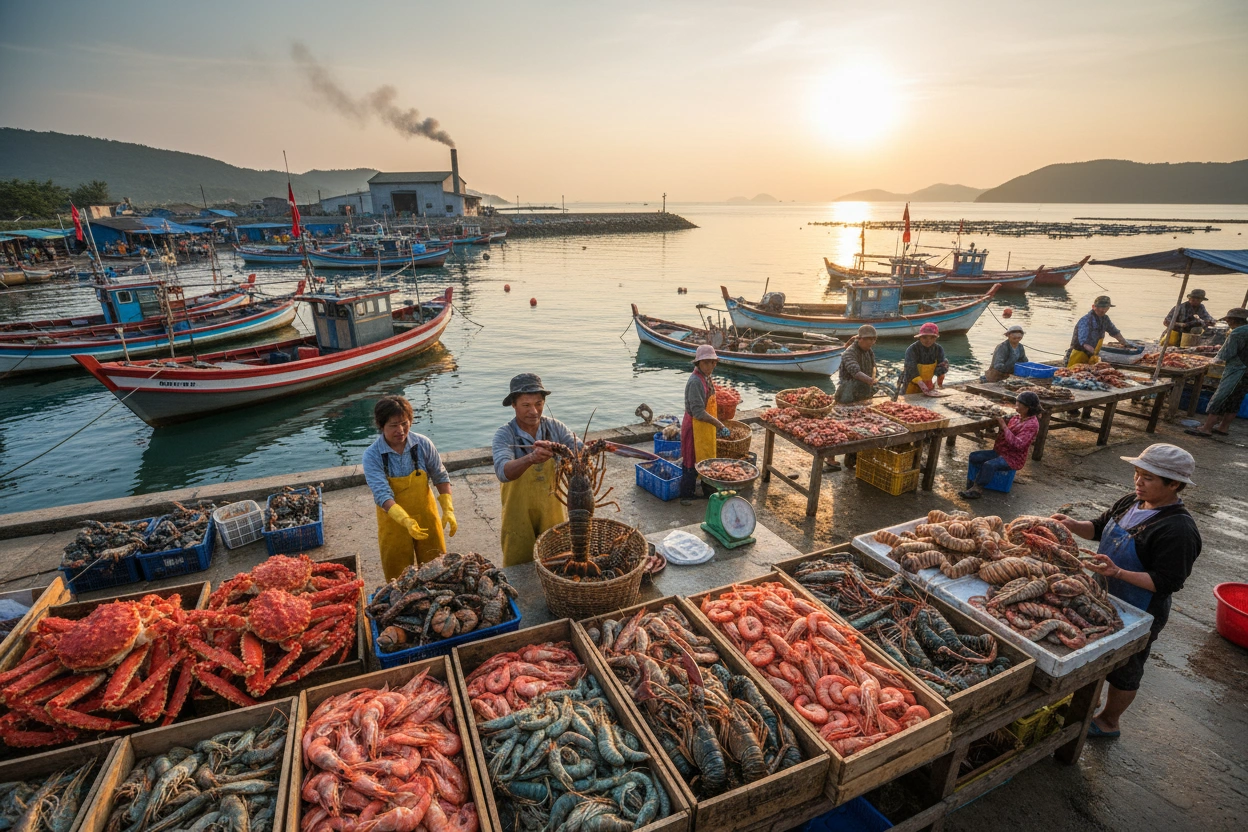
The economic impact of crustaceans is substantial, particularly in coastal regions. The global seafood market relies heavily on crustaceans, with species such as shrimp and crab being among the most commercially harvested. In 2023, global shrimp production alone was valued at over $50 billion, showcasing the importance of sustainable practices in this industry.
Beyond direct consumption, crustaceans also support various industries, including aquaculture, tourism, and research. Understanding the economic benefits of crustaceans highlights the need for responsible management practices to ensure their populations remain healthy for future generations.
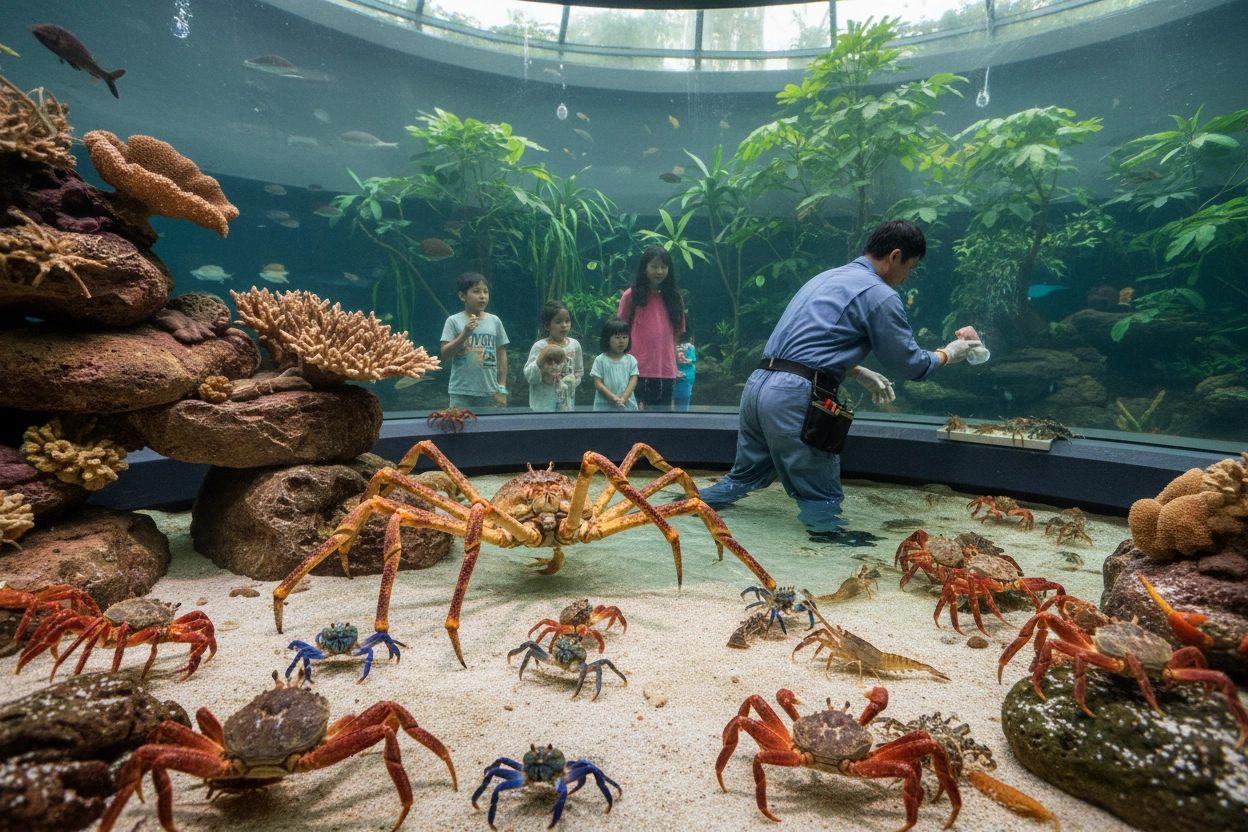
When it comes to caring for crustaceans, whether in an aquarium or a farming setup, there are essential strategies to follow. Here are some of the most effective practices to ensure the health and well-being of these animals:
Creating the right environment for crustaceans is crucial. They require specific water quality parameters to thrive. Here are some key factors to consider:
Feeding crustaceans a balanced diet is essential for their growth and reproduction. Different species may have specific dietary needs, but a few general guidelines include:
Maintaining the habitat is critical for crustaceans' health. Regular maintenance activities should include:
Despite their importance, several misconceptions about crustaceans can lead to improper care and management. Addressing these misconceptions can help beginners provide better care.
While some may view crustaceans as easy pets, they require significant attention to thrive. Their habitat must be carefully monitored and maintained, and their dietary needs must be met consistently.
Crustaceans are a diverse group, and their care varies widely among species. It's crucial to research specific species to understand their unique requirements, such as habitat preferences, dietary needs, and social behaviors.
Many beginners assume that crustaceans can adapt to any water conditions. However, most species have specific needs regarding temperature, salinity, and pH levels that must be maintained for their health.
Keeping crustaceans can be rewarding, offering various benefits for enthusiasts and aquarists alike. Here are some of the advantages:
Caring for crustaceans provides a hands-on learning experience about aquatic ecosystems, biology, and environmental stewardship. Observing their behaviors and life cycles can be fascinating and educational for individuals and families.
Incorporating crustaceans into aquariums or marine environments can enhance biodiversity. They contribute to the ecological balance and support a healthy ecosystem.
For those interested in aquaculture, crustaceans can be a sustainable food source. Farming species like shrimp and crabs can provide nutritious food while minimizing the impact on wild populations when managed responsibly.
As we look ahead, the importance of sustainable practices in crustacean care cannot be overstated. With increasing pressures on marine ecosystems, it is essential to adopt responsible management strategies that ensure the health of crustacean populations and their habitats.
The aquaculture industry is evolving, with innovations aimed at increasing sustainability and reducing environmental impacts. Techniques such as recirculating aquaculture systems (RAS) and integrated multi-trophic aquaculture (IMTA) are gaining popularity. These systems allow for more efficient use of resources and minimize waste.
Conservation initiatives focused on crustacean habitats are critical for their survival. Protecting coastal ecosystems and implementing regulations on harvesting practices can help maintain healthy populations. Engaging with local conservation organizations can provide valuable support for these efforts.
The world of crustaceans extends beyond individual care and encompasses broader community engagement. Organizations like the Banana Slug Club play a vital role in promoting awareness and education about crustacean conservation and responsible care practices.
By participating in community events, workshops, and educational programs, individuals can gain a deeper understanding of crustaceans and their ecological importance. These opportunities not only enhance personal knowledge but also foster a sense of responsibility towards protecting marine life.
In conclusion, understanding the benefits and care of crustaceans is essential for anyone interested in these remarkable creatures. From their ecological roles to their economic contributions, crustaceans are vital to our world. By adopting best practices in care and engaging with community initiatives like those offered by the Banana Slug Club, you can contribute to the sustainability and appreciation of these fascinating animals.
For those looking to dive deeper into the world of crustaceans, consider exploring more resources and connecting with like-minded individuals through community programs. Visit Banana Slug Club to learn more and get involved in promoting awareness and conservation efforts.
Get free resources, early access to new features and updates.
No spam. Just fun educational emails!


.svg)
.svg)