Essential Techniques for Advanced Crustaceans Care and Growth
Crustaceans, a diverse group of arthropods that include crabs, lobsters, shrimp, and prawns, are not only fascinating creatures but also vital components of marine and freshwater ecosystems. Understanding how to care for and foster the growth of these organisms is essential for aquarists, researchers, and seafood enthusiasts alike. This article delves into advanced techniques for crustacean care and growth, providing a comprehensive guide to help you optimize their health and well-being.
Understanding the Crustacean Environment
Creating an ideal habitat for crustaceans is crucial for their survival and growth. These creatures thrive in specific environmental conditions that mimic their natural habitats.
Ideal Water Conditions
Water quality is the foundation of crustacean health. Here are the critical parameters to monitor:
- Temperature: Different species have varying temperature requirements. For example, tropical species like the red claw crayfish prefer temperatures between 75°F to 86°F, while cold-water species like the American lobster thrive at lower temperatures.
- Salinity: Some crustaceans are freshwater dwellers, while others are marine species. Understanding the salinity needs is vital. Brine shrimp, for example, require high salinity levels, while many freshwater shrimp thrive in low salinity conditions.
- pH Levels: Most crustaceans prefer a slightly acidic to neutral pH range, typically between 6.5 and 7.5. Regular testing can help maintain these levels, which is essential for their health.
Substrate and Tank Setup
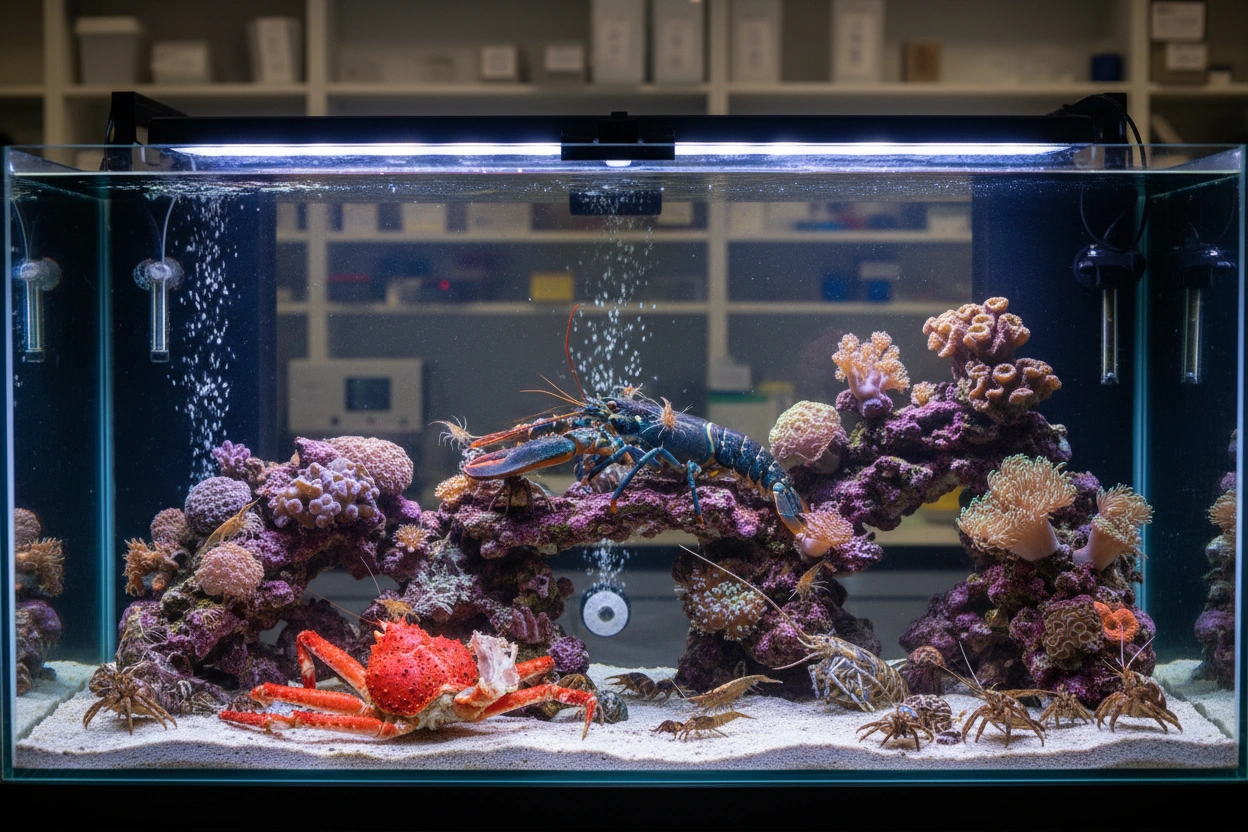
The substrate plays a significant role in crustacean care. Here are the considerations for setting up a suitable environment:
- Type of Substrate: Sand and gravel are commonly used substrates. Sand is preferable for burrowing species, while gravel can be suitable for others. Ensure the substrate is clean and free from sharp edges to avoid injury.
- Hiding Places: Crustaceans need places to hide and feel secure. Adding rocks, driftwood, and plants can create a natural habitat that reduces stress and promotes healthy behavior.
Top Crustaceans Strategies for Care and Growth
To ensure the health and growth of crustaceans, implementing effective care strategies is essential. Here are the top strategies to consider:
Nutrition and Feeding Regimen
A balanced diet is crucial for crustaceans' growth and reproduction. Here are some important aspects to consider:
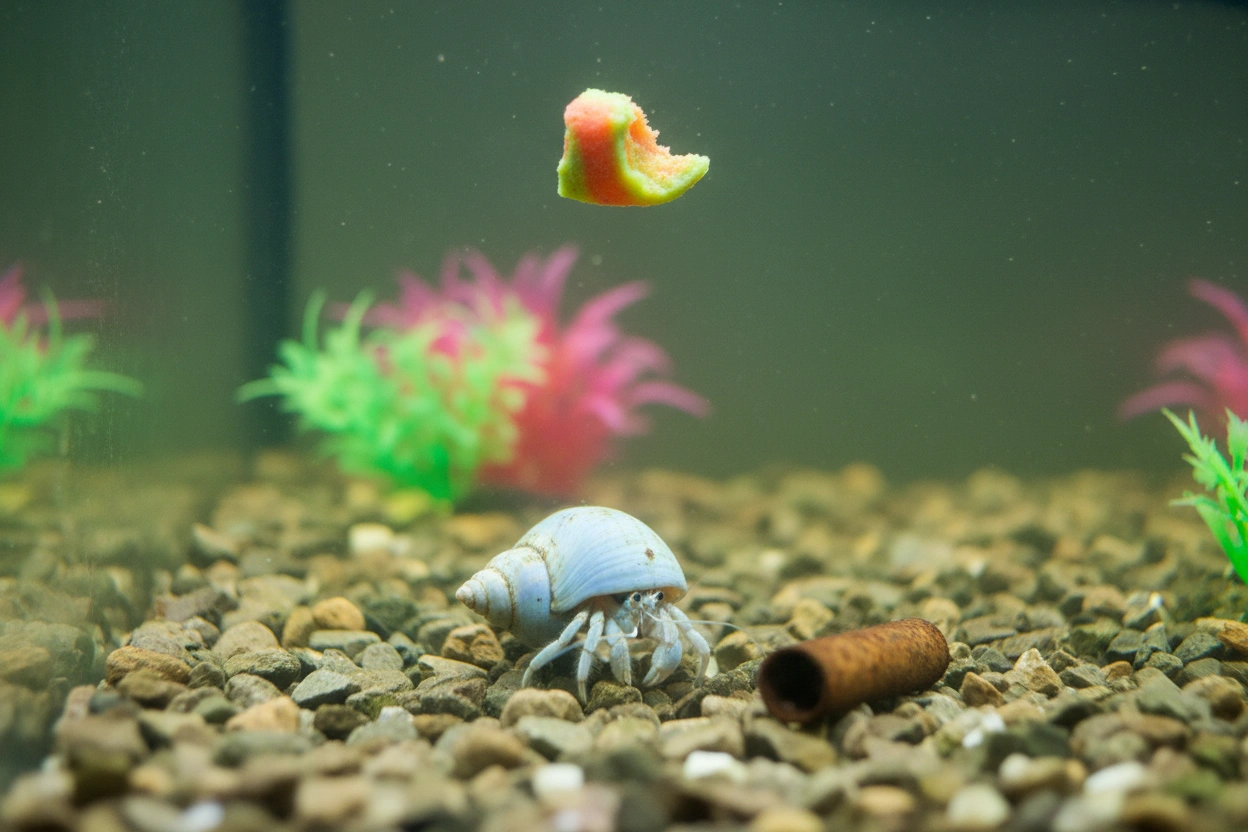
- Variety of Food: Offer a mix of high-quality pellets, flakes, and live or frozen foods like brine shrimp and bloodworms. This variety ensures that crustaceans receive essential nutrients.
- Feeding Frequency: Young crustaceans require more frequent feedings, typically two to three times a day, while adults can be fed once daily. Monitor their consumption to avoid overfeeding, which can lead to water quality issues.
Regular Water Changes
Maintaining optimal water quality is vital for crustacean health. Implement a regular water change schedule to keep toxins at bay:
- Frequency: Aim for a 10-20% water change weekly, depending on the tank's bioload. This helps dilute harmful substances and replenish essential minerals.
- Conditioning New Water: Always condition new water to remove chlorine and chloramines before adding it to the tank.
Monitoring Health and Behavior
Regularly observing crustaceans can help catch health issues early. Key behaviors and signs to monitor include:
- Molting: Molting is a natural process for crustaceans. During this time, they may appear lethargic or hide more than usual. Ensure they have access to calcium-rich foods to support shell development.
- Signs of Stress or Illness: Look for changes in color, loss of appetite, or abnormal swimming patterns. Addressing issues promptly can prevent more severe health problems.
Common Mistakes in Crustaceans Care and How to Avoid Them
Even experienced aquarists can make errors in crustacean care. Recognizing and avoiding these common mistakes can lead to healthier and more vibrant crustacean populations.
Overcrowding the Tank
One of the most frequent mistakes is overcrowding. Crustaceans need adequate space to thrive.
- Impact of Overcrowding: Overcrowding can lead to stress, increased aggression, and poor water quality. It's essential to calculate the appropriate number of crustaceans based on the tank size and species requirements.
- Solutions: Research the specific space needs of each crustacean species and adhere to recommended stocking levels.
Ignoring Water Quality
Neglecting water quality can lead to disastrous consequences for crustaceans.
- Testing Regularly: Utilize water testing kits to monitor ammonia, nitrite, nitrate, and pH levels. Regular testing can catch problems before they escalate.
- Filtration and Aeration: Ensure proper filtration and aeration in the tank. A good filter helps maintain water quality, while aeration provides oxygen, which is vital for crustaceans.
Advanced Techniques for Breeding Crustaceans
If you're interested in breeding crustaceans, understanding their reproductive needs is essential.
Breeding Conditions
Creating the right conditions is critical for successful breeding.
- Separate Breeding Tanks: Consider setting up a separate breeding tank to reduce stress on the breeding pair and increase survival rates of the offspring.
- Water Parameters: Ensure optimal water conditions similar to their natural breeding habitat. For example, some species require specific salinity levels to breed successfully.
Care for Offspring
Once breeding occurs, the care for the offspring is paramount.
- Feeding: Newly hatched crustaceans, such as larvae, often require different diets than adults. Provide finely crushed food or specialized larval food to ensure they receive adequate nutrition.
- Growth Environment: Maintain a stable environment free from stressors to promote healthy growth.
The Role of Crustaceans in Ecosystems
Understanding the ecological role of crustaceans can enhance appreciation for these creatures and inform better care practices.
Nutrient Cycling
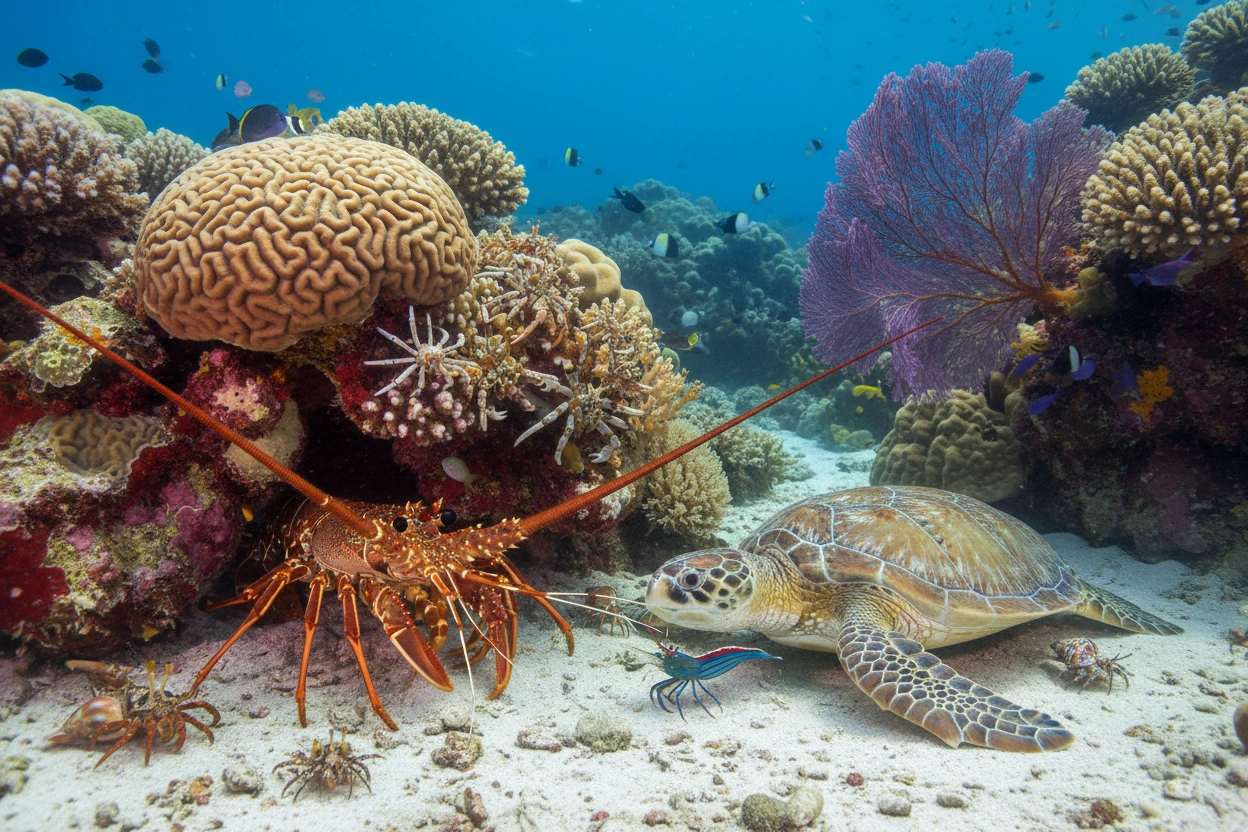
Crustaceans play a significant role in nutrient cycling within ecosystems. They contribute to the breakdown of organic matter, which helps maintain water quality and supports other aquatic life.
Food Source for Other Species
Many fish and birds rely on crustaceans as a primary food source. Healthy crustacean populations contribute to biodiversity, which is vital for ecosystem balance.
Enhancing Your Knowledge and Skills in Crustaceans Care
To stay updated on the best practices and techniques in crustacean care, consider the following approaches:
- Join Online Communities: Engage with forums and social media groups focused on aquaristics. This can provide valuable insights and shared experiences from fellow enthusiasts.
- Attend Workshops and Webinars: Many organizations offer educational resources and events that can deepen your understanding of crustacean care and breeding.
Embracing Sustainable Practices in Crustacean Care
As a responsible crustacean caretaker, embracing sustainability is essential.
- Aquaculture Practices: Support sustainable aquaculture practices that minimize environmental impact. Research local sources for sustainably sourced crustaceans.
- Conservation Efforts: Participate in or support conservation efforts aimed at preserving natural crustacean habitats and populations.
The Intersection of Crustaceans Care and Community Support
As you explore advanced techniques for crustaceans care and growth, consider the invaluable resources offered by communities like Banana Slug Club. They provide a wealth of information, from expert advice to community support, all aimed at enhancing your crustacean care journey.
By understanding the essential techniques outlined in this article, you can significantly improve the health and growth of your crustaceans. For further assistance and resources tailored to your needs, visit Banana Slug Club.
Get in Touch for More Insights
To elevate your crustacean care practices and connect with a community of like-minded enthusiasts, reach out to Banana Slug Club. Their expertise and commitment to aquatic life can help you navigate the fascinating world of crustaceans effectively.



.svg)
.svg)