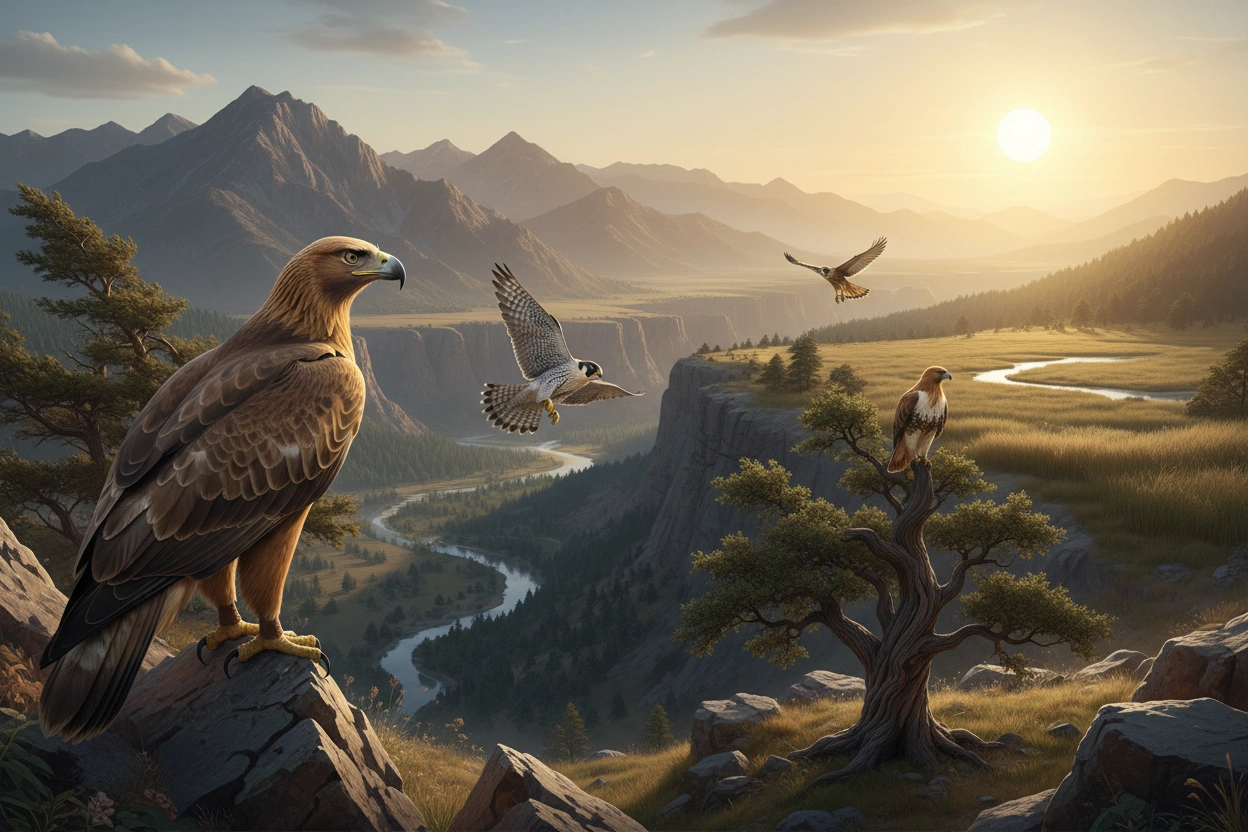
Birds of prey, also known as raptors, are fascinating creatures that play crucial roles in the ecosystems they inhabit. From soaring eagles to stealthy hawks, these birds exhibit unique behaviors and adaptations that make them exceptional hunters. Identifying birds of prey can be a rewarding endeavor for birdwatchers and nature enthusiasts alike. In this article, we will explore effective strategies for identifying these magnificent birds across various habitats, while also discussing the impact of climate change on raptors in Africa.

Birds of prey are carnivorous birds that primarily hunt and feed on other animals. This diverse group includes species such as eagles, hawks, owls, and falcons. They are characterized by keen eyesight, strong talons, and hooked beaks, all of which are adaptations that enable them to catch and consume their prey efficiently. Raptors can be found in nearly every habitat on Earth, from mountains and forests to grasslands and wetlands.
To accurately identify birds of prey, one must familiarize themselves with their distinguishing features. Here are some key characteristics to look for:

Birds of prey inhabit a variety of ecosystems, each presenting unique opportunities for observation. Understanding how to identify raptors in these different habitats can enhance your birdwatching experience.
Forests and woodlands provide essential habitats for many raptor species. To identify them in these settings, consider the following:
Open fields and grasslands are prime habitats for many raptors, including the northern harrier and the American kestrel. Here are some tips for identifying them:
Wetlands and coastal environments support diverse raptor species, including ospreys and bald eagles. Here are some strategies for identifying these birds:
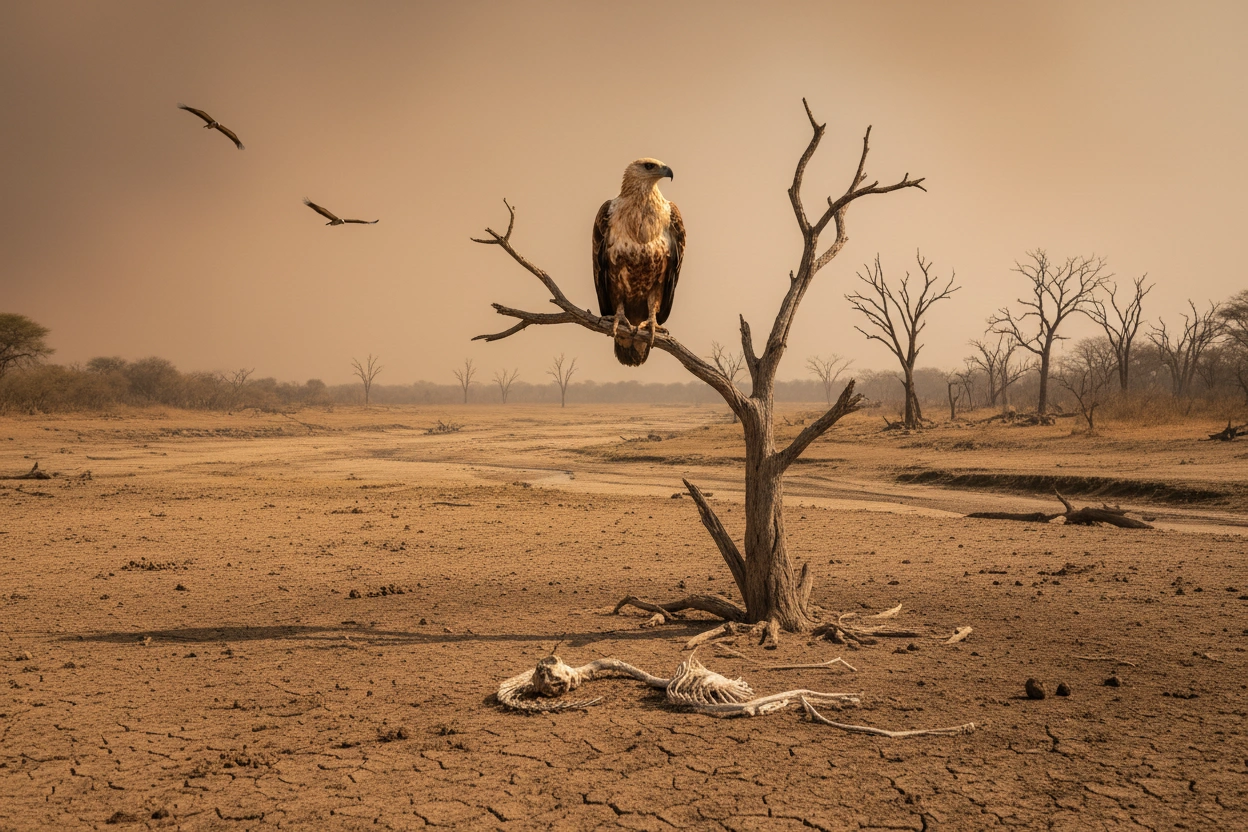
Climate change poses significant threats to birds of prey worldwide, and Africa is no exception. The changing climate affects raptors in multiple ways, including habitat loss, altered prey availability, and changes in migration patterns.
As temperatures rise and weather patterns shift, many raptor habitats in Africa are becoming increasingly fragmented. Deforestation, urban development, and agricultural expansion are leading to the destruction of vital ecosystems. This habitat loss not only reduces the available nesting and hunting sites for raptors but also increases competition for resources.
Climate change can disrupt the populations of prey species that raptors depend on. Changes in rainfall patterns can affect the abundance of small mammals, birds, and reptiles, which are crucial food sources for many raptors. For instance, if drought conditions lead to a decline in rodent populations, species like the African fish eagle may struggle to find adequate food.
Many raptors are migratory, traveling long distances between breeding and wintering grounds. Climate change can alter the timing of migration and the availability of suitable stopover sites. This disruption can affect breeding success and survival rates for migratory raptors, leading to declines in their populations.
Despite their popularity, several misconceptions about birds of prey persist. Understanding these misconceptions is crucial for effective identification and conservation efforts.
Many people assume that all raptors are large, powerful birds. While species like the golden eagle are indeed impressive in size, many smaller raptors, such as the sharp-shinned hawk and the American kestrel, play equally important roles in their ecosystems.
Another common misconception is that birds of prey are inherently aggressive. In reality, raptors are often quite cautious and prefer to avoid confrontations. Their hunting strategies are typically based on stealth and precision rather than aggression.
While many raptors thrive in natural habitats, several species have adapted to urban environments. Red-tailed hawks and peregrine falcons, for example, are increasingly common in cities where they can find abundant food sources.
To enhance your birdwatching experience and improve your ability to identify birds of prey, consider these practical tips:
Birding hotspots are locations known for their rich birdlife and are often the best places to observe a variety of raptors. These areas typically offer diverse habitats, abundant food sources, and minimal disturbances.
To locate effective birding hotspots for raptors, consider the following:
Birdwatching is not just a solitary pursuit; it can also foster community engagement and conservation efforts. Organizations like the Banana Slug Club work to promote awareness and appreciation for birds of prey and their habitats. Engaging with such organizations can provide opportunities for education, advocacy, and participation in conservation projects.
Participating in community events, educational workshops, and citizen science projects can deepen your understanding of raptors and their ecosystems. creating bird-friendly spaces can also play a crucial role in supporting raptor populations.
Understanding how to identify birds of prey and recognizing the challenges they face in a changing climate is vital for their conservation. By engaging with local birding communities and participating in conservation efforts, individuals can play an active role in protecting these magnificent creatures and their habitats.
Birds of prey are not only indicators of ecological health but also inspire awe and wonder. By learning how to identify them across different habitats and advocating for their conservation, we can ensure that future generations have the opportunity to experience the beauty of these remarkable birds.
To further your knowledge and involvement, consider connecting with organizations like the Banana Slug Club. They offer resources and programs that enhance your understanding of birds of prey and provide avenues for active participation in conservation efforts.
For more information on how you can support raptor conservation, visit Banana Slug Club. Your engagement can make a significant difference in preserving these majestic birds for years to come.
Get free resources, early access to new features and updates.
No spam. Just fun educational emails!


.svg)
.svg)