Reptiles are fascinating creatures that exhibit a wide range of behaviors and needs, making them unique companions in the pet world. Whether you are a seasoned reptile owner or considering adopting one, understanding their behavior is crucial for their health and well-being. This article delves into the nuances of reptile behavior, offering insights into what your pet needs to thrive in a domestic environment. Additionally, we will explore the top ten endangered reptile species and the conservation efforts aimed at protecting them, highlighting the broader implications of reptile care and conservation.
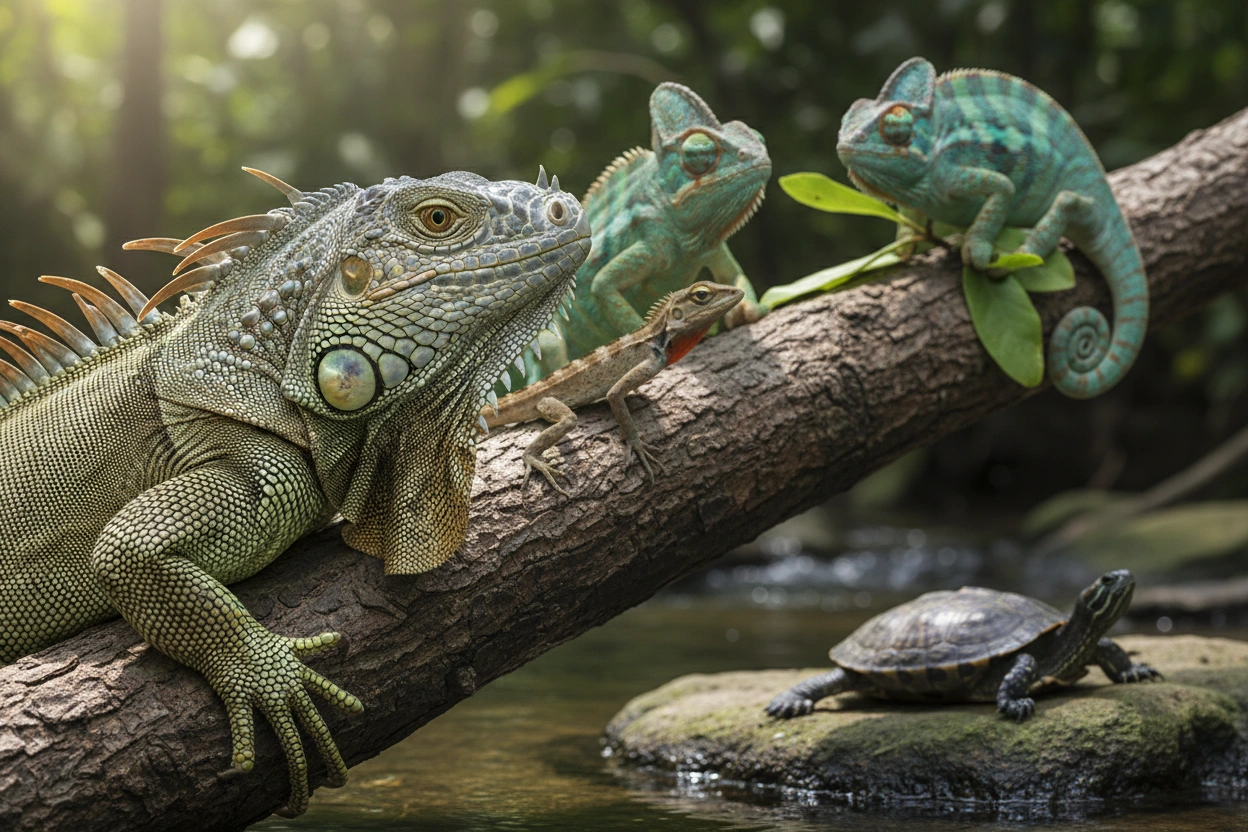
Reptiles are ectothermic animals, meaning their body temperature is regulated by the environment. This fundamental characteristic significantly influences their behavior, habitat needs, and care requirements. Understanding these behaviors is essential for providing the right environment and ensuring your reptile thrives.
Ectothermy affects how reptiles interact with their environment. Unlike mammals, reptiles rely on external heat sources to regulate their body temperature. This dependency influences their daily activities, such as basking, hunting, and even sleeping patterns.
There are several misconceptions about reptiles that can lead to improper care. One common myth is that reptiles do not require social interaction. While reptiles are not social animals in the same way mammals are, they do benefit from environmental enrichment and stimulation.

The plight of endangered reptile species highlights the importance of conservation efforts and the role of pet owners in promoting awareness. Here are ten critically endangered reptile species, along with insights into their conservation status.
Once abundant, the Yangtze giant softshell turtle is now on the brink of extinction, with only a few individuals remaining in captivity. Conservation efforts focus on habitat restoration and breeding programs.
The Pinta Island tortoise, famously represented by Lonesome George, has been declared extinct in the wild. Preservation efforts include maintaining genetic material for potential future breeding.
This species is threatened by habitat loss and invasive species. Conservationists are working to restore its natural habitat and control invasive populations.
The largest of all sea turtles, the leatherback is endangered due to fishing bycatch and habitat degradation. Global conservation initiatives aim to protect nesting sites and reduce bycatch.
Though primarily a frog, this species is notable for its unique habitat needs. Conservation efforts are directed at protecting its wetland environments from agricultural expansion.
With fewer than 250 individuals left in the wild, the Philippine crocodile faces severe habitat loss. Conservation strategies focus on community education and habitat restoration.
This tortoise is critically endangered due to illegal poaching and habitat destruction. Efforts include breeding programs and habitat protection initiatives.
The gharial, a fish-eating crocodilian, is threatened by river pollution and habitat loss. Conservation measures include habitat protection and community engagement for sustainable practices.
This species is on the verge of extinction due to habitat loss and the pet trade. Conservationists are working to protect its natural habitat and regulate trade practices.
Once thought extinct, the Saint Lucia racer is one of the world's rarest snakes. Conservationists have successfully bred the species and are working to restore its natural habitat.

Understanding reptile behavior is essential for creating a conducive environment for your pet. Here are some actionable insights that can help improve your reptile's well-being.
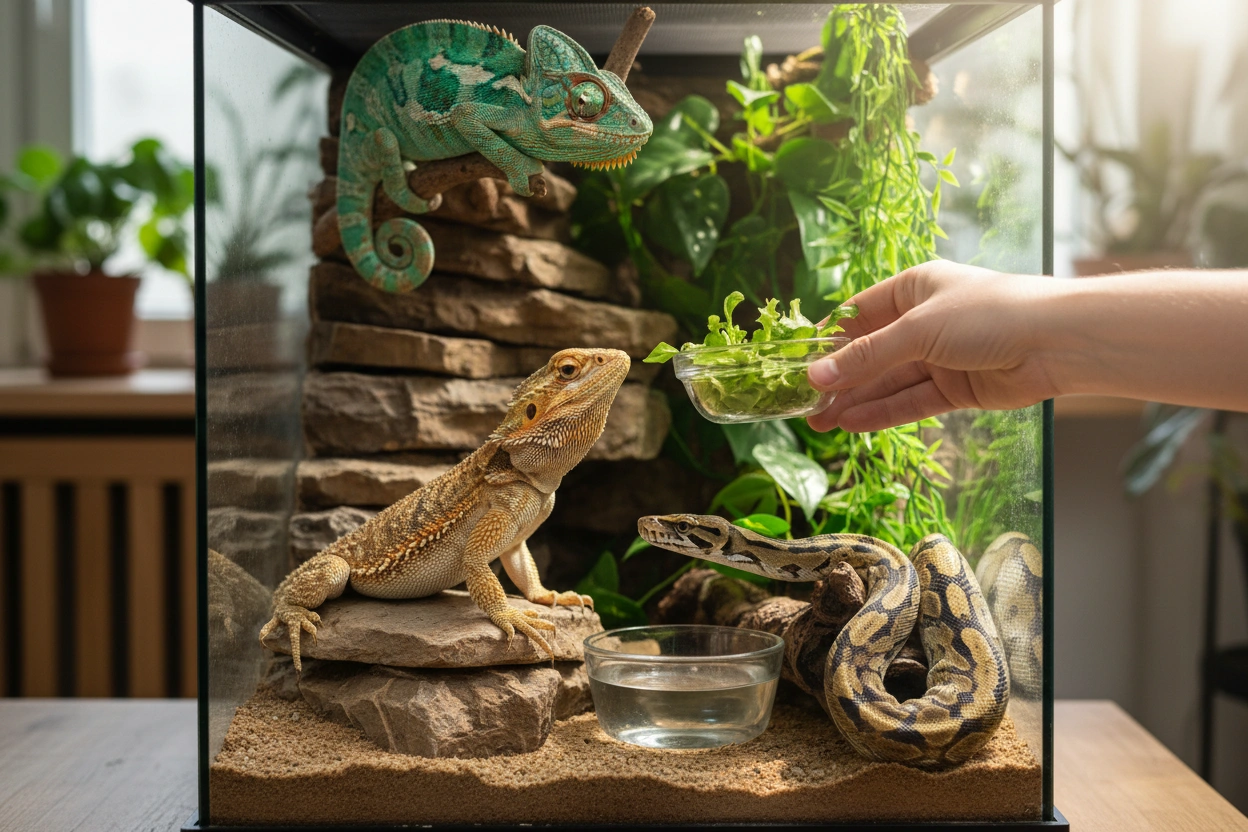
To ensure your reptile's health, it is vital to design an enclosure that mimics its natural habitat. Consider the following elements:
Regular health checks are crucial for early detection of health issues. Consider the following practices:
Feeding reptiles requires an understanding of their dietary needs. Here are some essential feeding tips:
As reptile owners, you play a pivotal role in understanding reptile behavior and promoting conservation and awareness. Here are ways you can contribute:
Education is key to fostering a greater understanding of reptiles and their needs. Here are some effective strategies:
Understanding reptile behavior is essential for both pet owners and conservationists. The insights shared in this article highlight the importance of providing a suitable environment for reptiles in captivity while also advocating for the protection of endangered species. By fostering a deeper connection with these remarkable creatures, we can contribute to their preservation and ensure a brighter future for reptiles worldwide.
As you reflect on what you’ve learned about reptiles and their behaviors, consider how you can apply this knowledge to enhance the care you provide. Joining organizations such as Banana Slug Club can further your understanding of reptile care and conservation, offering resources and community support to help you thrive as a responsible pet owner.
Ready to take your reptile care to the next level? Visit Banana Slug Club for expert insights, resources, and community support tailored to your needs.
Get free resources, early access to new features and updates.
No spam. Just fun educational emails!


.svg)
.svg)