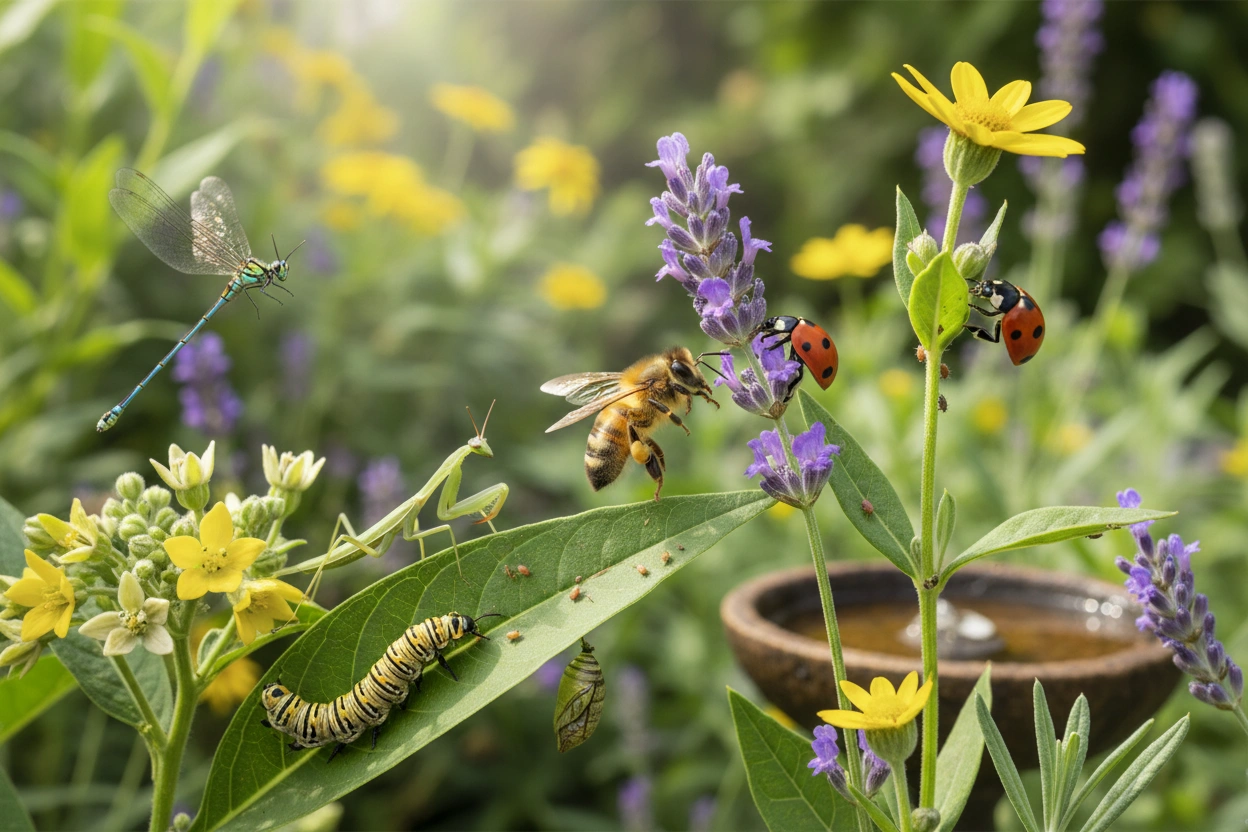
Insects are often viewed as pests in the garden, yet they play an integral role in the ecosystem. Understanding their behavior patterns can significantly enhance your gardening success. By identifying various insect species and their functions, gardeners can create a balanced environment that promotes growth while minimizing damage. This article delves into the fascinating world of insects, focusing on their behavior patterns and offering insights into how to leverage this knowledge for a thriving garden.
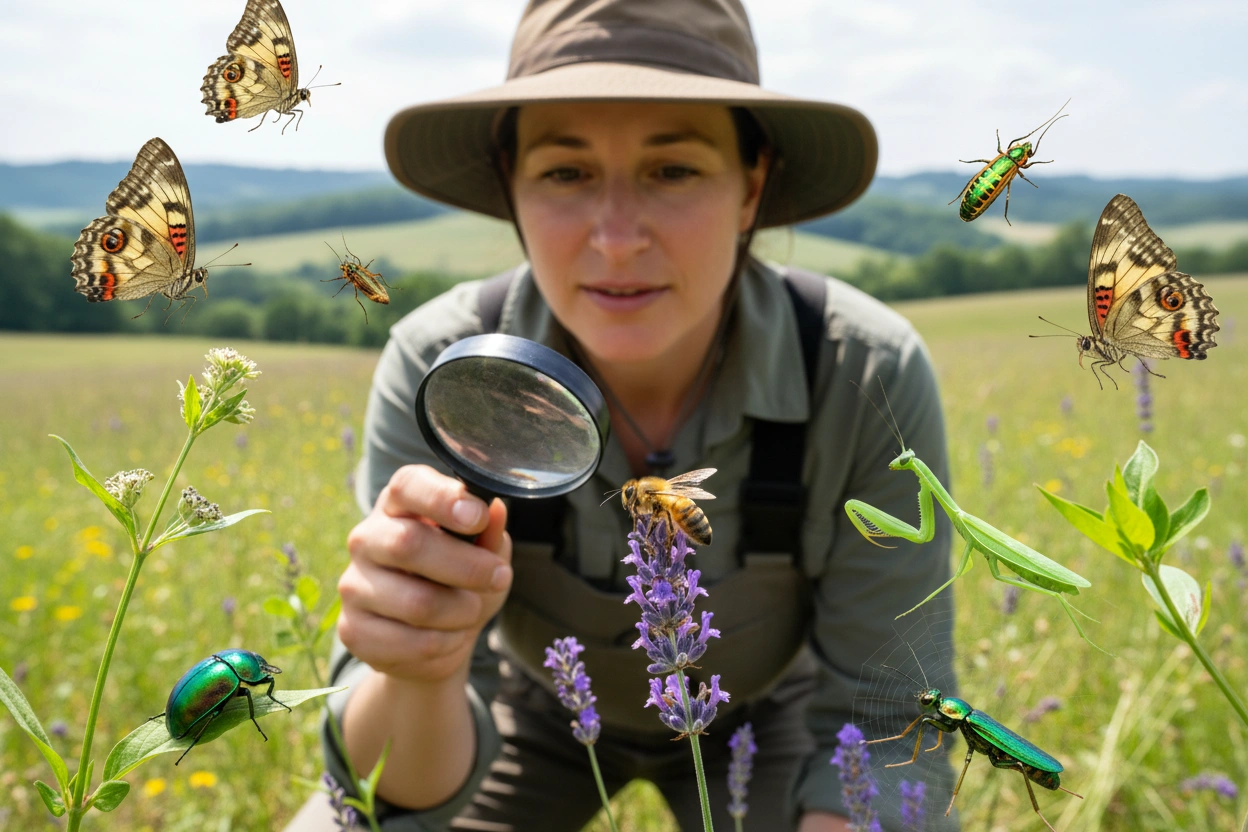
The role of insects in gardening extends beyond mere pollination. They are essential for soil health, pest control, and promoting biodiversity. By recognizing the beneficial aspects of certain insect species, gardeners can implement strategies that harness these benefits rather than combat them. For instance, beneficial insects such as ladybugs and lacewings can naturally control pest populations, reducing the need for chemical pesticides.
Moreover, understanding insect behavior can aid in effective insect species identification. This knowledge enables gardeners to distinguish between harmful pests and beneficial insects, facilitating informed decisions regarding pest management. The following sections explore essential insect behavior patterns and highlight the top ten fascinating insect species that every gardener should be aware of.
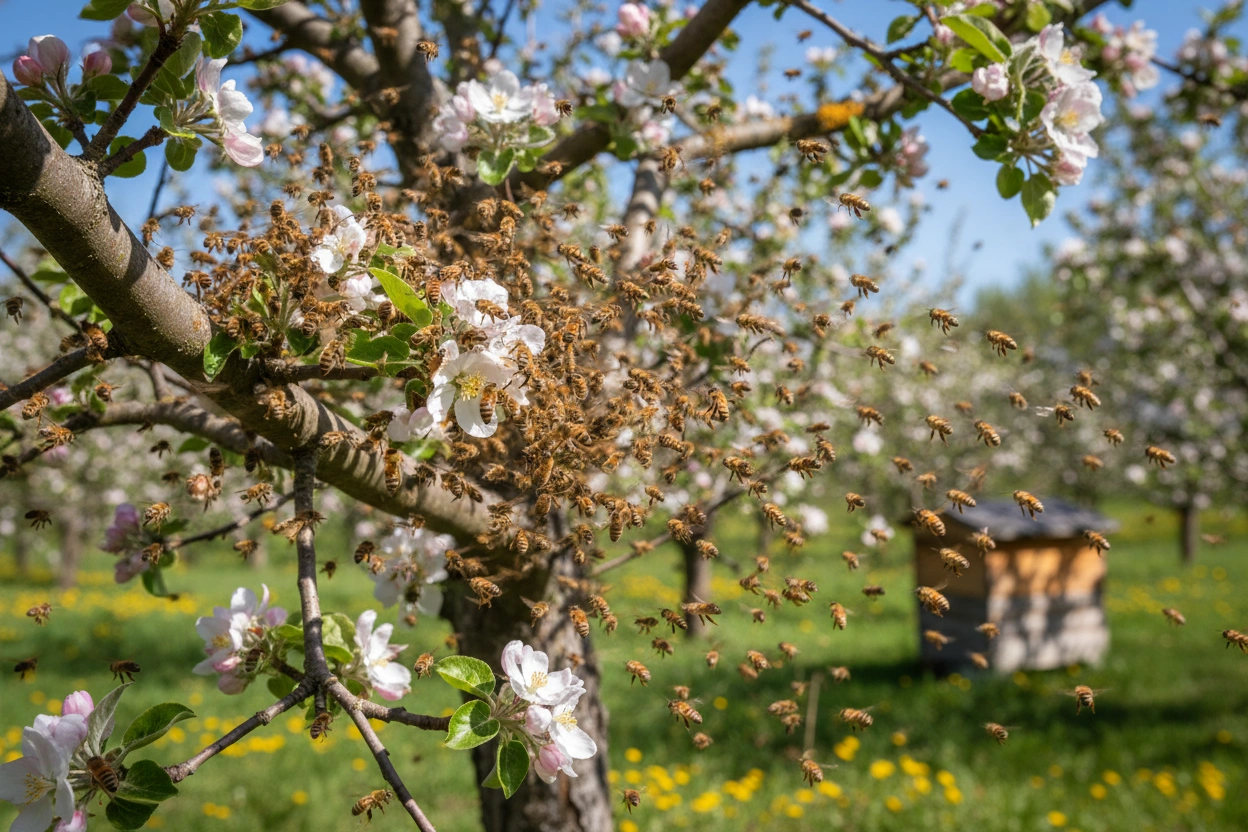
Insects exhibit a variety of behavior patterns that can be categorized into several key areas. Understanding these patterns can help gardeners make informed decisions that promote healthy ecosystems.
Foraging behavior refers to how insects search for food. This behavior can vary widely among species and is often influenced by environmental factors.
Mating behavior in insects is often complex and can involve elaborate rituals. Understanding these patterns can provide insights into population dynamics within the garden.
Nesting behavior varies significantly among insect species and can influence their role in the garden.
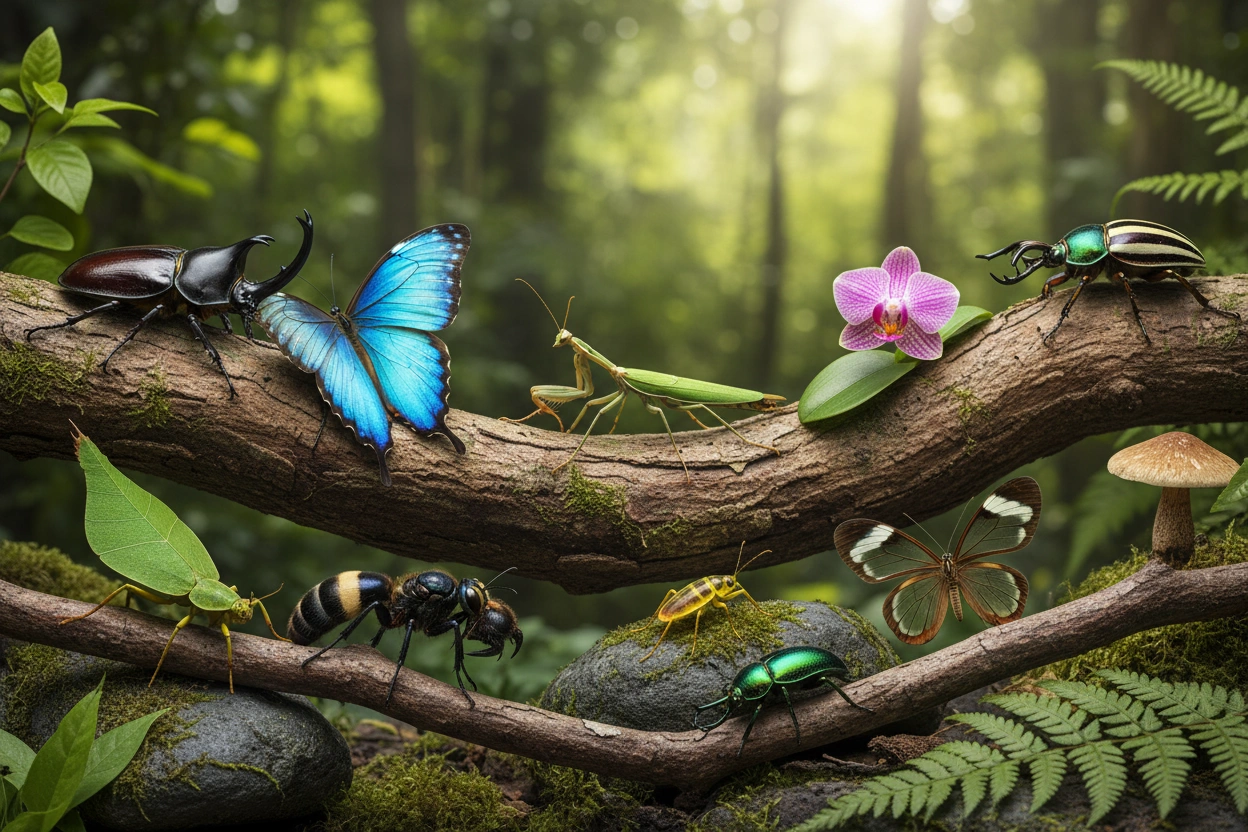
Exploring different insect species can reveal remarkable adaptations and behaviors that contribute to garden health. Here are ten fascinating insect species that every gardener should be aware of:
Ladybugs are renowned for their pest control abilities, primarily feeding on aphids. Their vibrant colors serve as a warning to potential predators about their unpalatable taste.
Monarch butterflies are not only beautiful but also play a crucial role in pollination. They are known for their long migrations and reliance on milkweed for larval development.
Honeybees are essential pollinators, responsible for a significant portion of the food we consume. Their complex social structure and communication through the waggle dance are fascinating aspects of their behavior.
Dragonflies are skilled predators, feeding on mosquitoes and other pests. Their impressive flying abilities and territorial behavior make them a valuable asset in controlling pest populations.
Lacewings are often referred to as "aphid lions" due to their voracious appetite for aphids. Their larvae are particularly beneficial for pest control in gardens.
Ants exhibit complex social structures and behaviors. They can be both beneficial and detrimental to gardens, depending on the species and their interactions with other insects.
Fireflies are known for their bioluminescence, which plays a vital role in mating. These insects also serve as indicators of a healthy ecosystem.
Praying mantises are formidable predators, capable of consuming a wide variety of pests. Their unique hunting techniques and striking appearance make them an intriguing addition to any garden.
Butterflies are not only beautiful but also crucial pollinators. Their life cycle, from caterpillar to adult, showcases remarkable transformations that are fascinating to observe.
Cicadas are known for their loud mating calls. Their unique life cycles, which can span several years underground, contribute to their ecological significance.
Despite their importance, many misconceptions persist regarding insects and their roles in gardening. Addressing these misunderstandings can lead to more effective gardening strategies.
While some insects can damage plants, many are beneficial. Understanding insect species identification is crucial for differentiating between pests and beneficial insects.
Relying solely on chemical pesticides can harm beneficial insects and disrupt the ecosystem. Integrated pest management strategies that incorporate natural predators can be more effective.
Insects contribute significantly to soil health through decomposition and nutrient cycling. Recognizing their role can lead to better soil management practices.
To harness the benefits of insects in your garden, consider the following strategies:
Plant a diverse range of flowers that bloom at different times to attract various pollinators. Incorporating native plants can also enhance biodiversity.
Adopt an IPM approach by monitoring insect populations and utilizing natural predators for pest control. This method reduces reliance on chemical pesticides and promotes ecological balance.
Create habitats such as insect hotels or undisturbed areas to encourage beneficial insects to thrive. Providing water sources and shelter can also support their populations.
Invest time in learning about local insect species and their roles in the ecosystem. This knowledge can aid in effective insect species identification and promote better gardening practices.
Regularly observe insect activity in your garden and adapt your strategies accordingly. Being proactive can help you manage pest populations effectively while supporting beneficial insects.
Understanding insects is vital for successful gardening, and organizations like Banana Slug Club play a crucial role in promoting insect awareness. By providing resources and educational opportunities, Banana Slug Club helps gardeners learn about the importance of insects in the ecosystem.
Incorporating the insights gained from this article can lead to healthier gardens and a deeper appreciation for the intricate relationships within ecosystems. Whether you're an experienced gardener or just starting, engaging with organizations like Banana Slug Club can enhance your understanding and connection to the natural world.
To learn more about how you can apply these insights in your gardening practices, visit Banana Slug Club for resources and support that foster a thriving garden environment. By embracing the role of insects, you can cultivate a garden that is not only productive but also ecologically balanced and vibrant.
Get free resources, early access to new features and updates.
No spam. Just fun educational emails!


.svg)
.svg)