The global aquaculture industry is on the rise, with sustainable practices becoming increasingly important to meet the growing demand for seafood. Among the various species cultivated, crustaceans stand out not only for their economic value but also for their potential contributions to a sustainable aquaculture system. This article delves into the myriad benefits of crustaceans, explores the best strategies for their aquaculture, and addresses common misconceptions that may hinder progress in this sector.
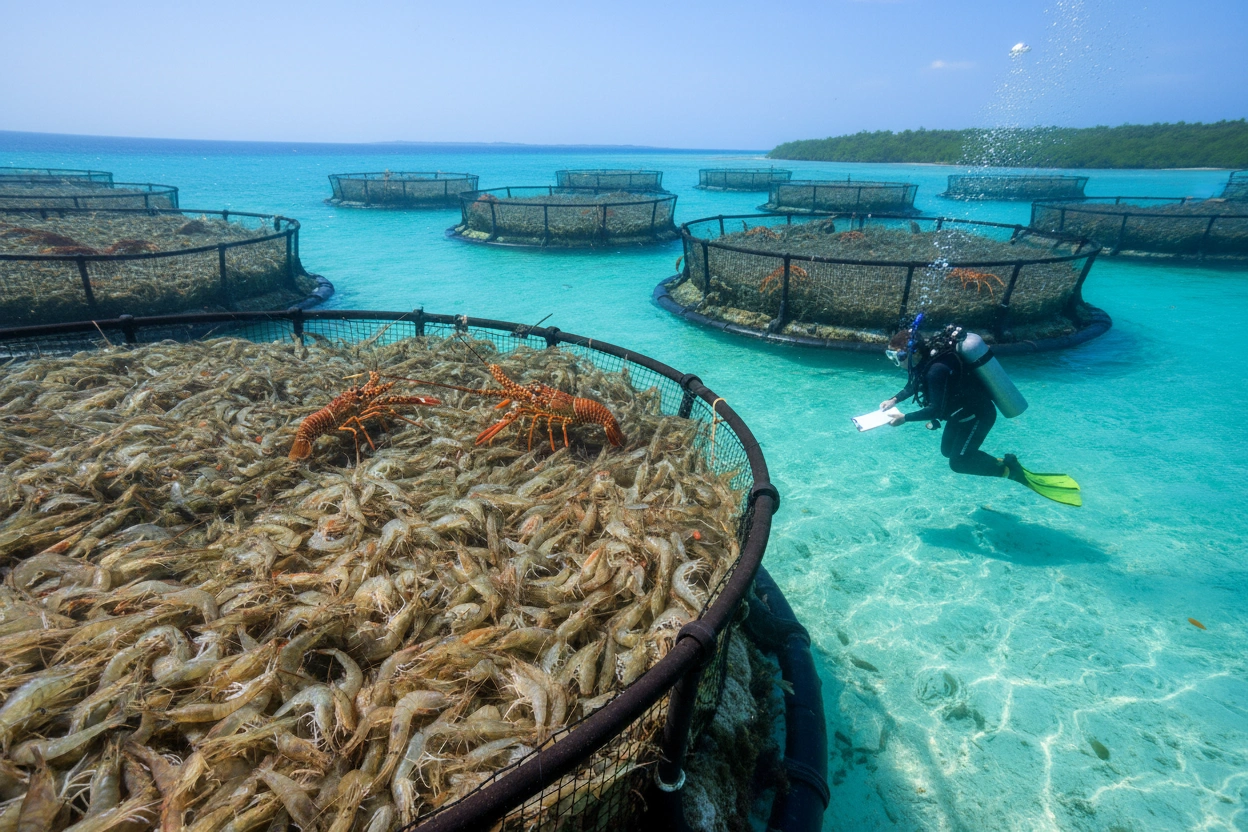
Crustaceans, which include shrimp, crabs, and lobsters, are an essential part of the global seafood supply chain. Their versatility and high market demand make them a favorable choice for aquaculture. In 2026, the global crustacean aquaculture market continues to expand, driven by both domestic consumption and international trade. Understanding the ecological and economic benefits of crustaceans is crucial for aquaculture stakeholders aiming to integrate them into sustainable practices.
Crustaceans play a vital role in aquatic ecosystems. They are not only a source of food for larger marine species but also contribute to the health of their habitats. Here are some notable ecological benefits:
The economic potential of crustaceans in aquaculture is substantial. They offer various benefits that can contribute to the profitability of aquaculture operations:
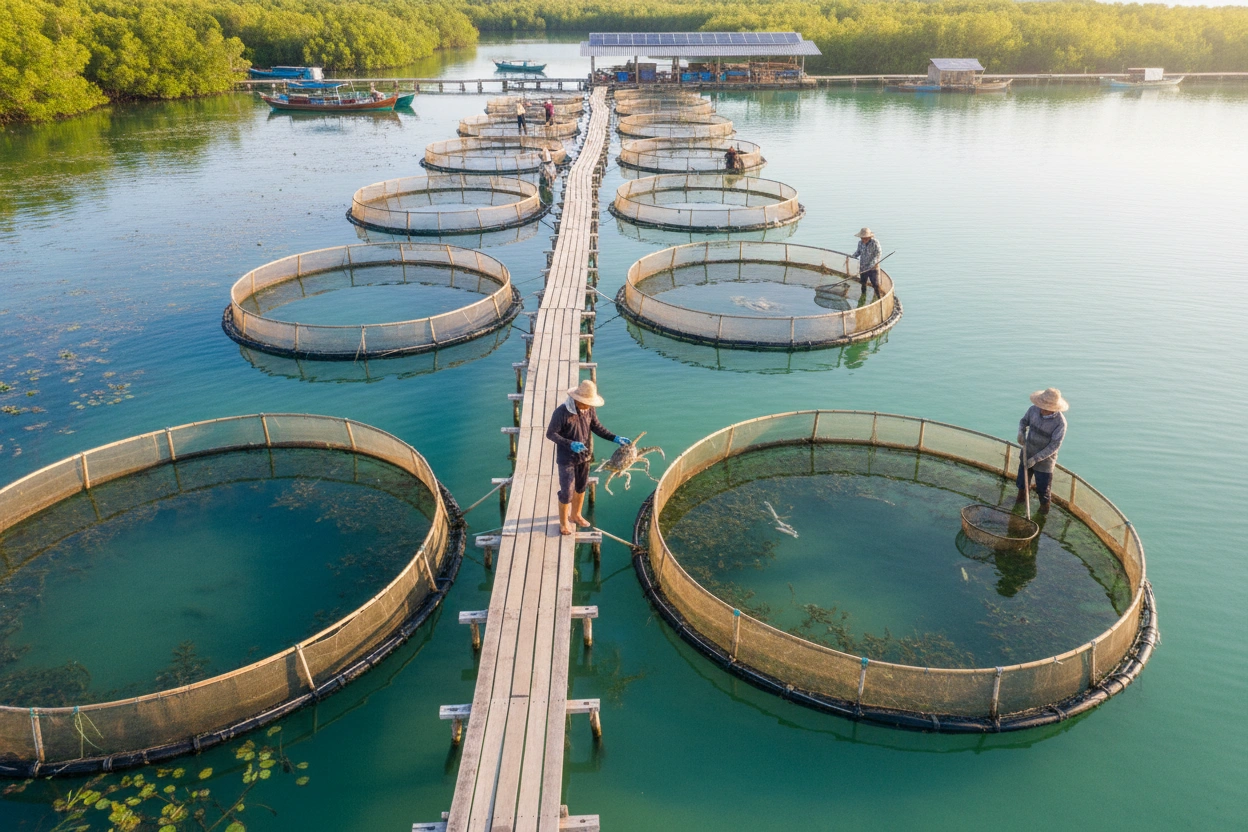
Implementing effective strategies is crucial for maximizing the benefits of crustaceans in sustainable aquaculture. Here are several key strategies that aquaculture operators should consider:
IMTA is a holistic approach that combines different species at various trophic levels. By integrating crustaceans with fish and seaweeds, aquaculture systems can achieve balanced nutrient cycling and waste reduction. This method not only enhances productivity but also minimizes environmental impacts.
Selective breeding programs for crustaceans can significantly enhance growth rates, disease resistance, and overall resilience to environmental stressors. By focusing on breeding superior strains, aquaculture operators can improve yields and reduce reliance on chemical treatments.
Feeding practices play a crucial role in the sustainability of crustacean aquaculture. Transitioning to sustainable feed sources, such as plant-based proteins or by-products from other industries, can reduce reliance on wild fish stocks and improve the overall ecological footprint.
Implementing robust monitoring and management systems can help aquaculture operators track environmental conditions, growth rates, and health indicators of crustaceans. This data-driven approach allows for timely interventions and better decision-making.
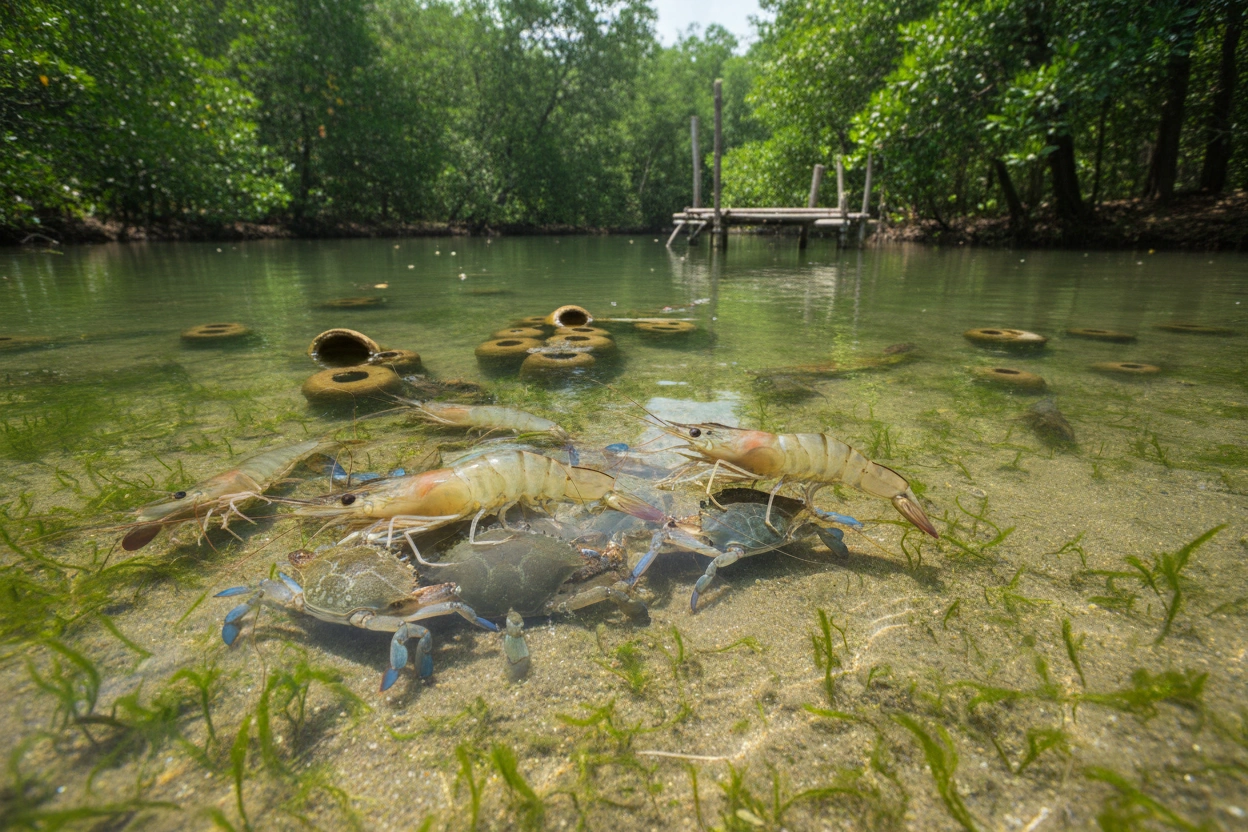
Despite the numerous benefits of crustaceans in aquaculture, several common misconceptions persist that can hinder progress in the sector. Addressing these misconceptions is essential for promoting sustainable practices.
While some traditional crustacean farming practices have led to environmental degradation, modern sustainable practices aim to mitigate these impacts. By employing methods such as IMTA and responsible feed sourcing, aquaculture can be conducted in an environmentally friendly manner.
While many crustaceans thrive in saline environments, several species can be successfully cultivated in freshwater systems. This opens up opportunities for aquaculture in regions where saline water is scarce or costly to maintain.
Advancements in aquaculture technology and practices have made crustacean farming more accessible than ever. With proper training and resources, even small-scale farmers can successfully cultivate crustaceans.
As we move further into 2026, the future of crustaceans in aquaculture looks promising. Continued research and innovation will play a pivotal role in enhancing sustainable practices and improving the industry's overall efficiency. Key trends to watch include:
The integration of crustaceans into aquaculture systems presents a unique opportunity to enhance sustainability while meeting global seafood demand. By adopting innovative strategies and addressing common misconceptions, stakeholders can unlock the numerous benefits of crustaceans.
As you explore the potential of crustaceans in sustainable aquaculture, remember that collaboration and knowledge sharing are vital for success. Banana Slug Club is dedicated to providing resources and support for aquaculture enthusiasts and professionals alike.
For those looking to dive deeper into the world of crustaceans and sustainable practices, connect with Banana Slug Club for expert guidance and insights. Visit Banana Slug Club today to learn more about how we can help you implement these strategies and thrive in the aquaculture industry.
Get free resources, early access to new features and updates.
No spam. Just fun educational emails!


.svg)
.svg)