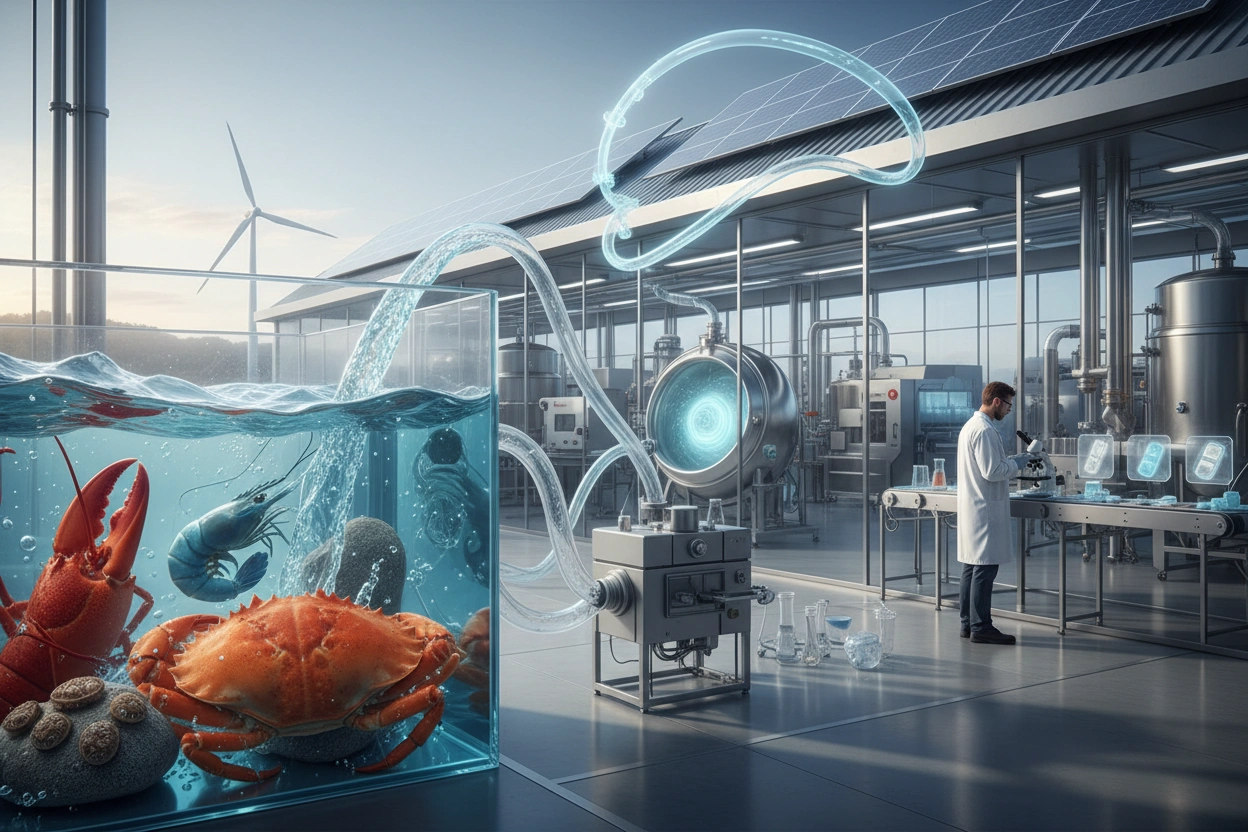
Crustaceans, a diverse group of marine animals, play a significant role in various modern industries. From culinary applications to biotechnology and environmental management, these creatures are much more than just a seafood delicacy. In 2026, understanding the multifaceted benefits of crustaceans is essential for businesses looking to innovate and adapt. This article delves into the various ways crustaceans contribute to different sectors, providing a comprehensive guide to leveraging their potential.

Crustaceans are not only a vital food source but also contribute to economic activities that span multiple industries. The global crustacean market was valued at approximately $45 billion in 2025 and is expected to grow significantly as demand rises for both food and non-food applications. In addition to their economic value, crustaceans are essential for maintaining ecological balance, serving as both prey and predator in marine ecosystems.
Aquaculture and Fisheries: Crustaceans are pivotal in aquaculture, with species like shrimp and crabs being among the most cultivated seafood worldwide. The rise in sustainable aquaculture practices has led to a notable increase in the production of these species, providing jobs and supporting local economies.
Food Industry: The culinary applications of crustaceans are vast. They are enjoyed in various cuisines around the world, from shrimp cocktails to crab cakes. The demand for crustaceans in fine dining and casual eateries remains strong, and innovations such as farm-to-table restaurants are boosting their popularity.
Biotechnology: Crustaceans are a source of chitin, a biopolymer that has applications in medicine, agriculture, and food preservation. Research into the properties of chitin is paving the way for new products, including biodegradable plastics and wound dressings.
Crustaceans play a crucial role in maintaining marine ecosystems. They contribute to nutrient cycling and serve as indicators of environmental health. Their presence or absence can signal changes in water quality, which is vital for conservation efforts.
Ecosystem Engineers: Species like lobsters and crabs help structure marine habitats, providing shelter for other marine life. Their burrowing activities enhance sediment turnover, promoting biodiversity.
Indicator Species: Crustaceans are sensitive to environmental changes, making them effective indicators of ecosystem health. Monitoring their populations can provide insights into pollution levels and habitat degradation.

To harness the full potential of crustaceans, industries must adopt strategic approaches. Here are some key strategies to consider:
Responsible Sourcing: Engage with suppliers who practice sustainable fishing and aquaculture. Certifications such as the Marine Stewardship Council (MSC) label can guide consumers and businesses in making environmentally conscious choices.
Bycatch Reduction Techniques: Implementing methods to minimize bycatch during fishing can improve the sustainability of crustacean harvesting. Innovative gear designs and fishing practices can reduce the impact on non-target species.
Biopolymer Applications: Explore the potential of chitin and chitosan derived from crustaceans in product development. From biodegradable packaging to agricultural fertilizers, these materials can lead to innovative, eco-friendly solutions.
Functional Foods: Develop new food products that highlight the health benefits of crustaceans, such as omega-3 fatty acids and antioxidants. Marketing these benefits can attract health-conscious consumers.
Consumer Education: Increase awareness about the nutritional benefits of crustaceans and their role in sustainable diets. This can be achieved through marketing campaigns, cooking classes, and partnerships with nutritionists.
Industry Collaboration: Foster collaborations among industry stakeholders, including researchers, chefs, and environmentalists, to share knowledge and develop best practices for crustacean usage.

While crustaceans are widely appreciated, several misconceptions persist that can hinder their adoption in various applications. Addressing these misunderstandings is crucial for promoting their benefits effectively.
Many people believe that crustaceans are exclusively for seafood enthusiasts. However, their applications extend far beyond culinary uses. For instance, chitin extracted from crustaceans is increasingly used in medical and industrial applications, making them valuable to a broader audience.
While some crustacean harvesting practices are unsustainable, it is important to recognize that many fisheries and aquaculture operations are adopting responsible practices. Research and certification programs are helping consumers make informed choices about sustainable crustacean products.
As we move forward, the potential of crustaceans in various industries will continue to expand. Innovations in biotechnology, sustainable practices, and culinary applications will drive this growth. The focus will be on maximizing the benefits of crustaceans while minimizing environmental impact, ensuring that these valuable resources are available for future generations.
Sustainable Aquaculture Innovations: Advancements in aquaculture technology, such as recirculating aquaculture systems (RAS), are making it possible to farm crustaceans more sustainably, reducing waste and environmental impact.
Health and Wellness Products: The demand for functional foods and supplements derived from crustaceans will likely increase as consumers become more health-conscious. The exploration of crustacean-derived ingredients in wellness products represents a growing market.
Circular Economy Models: The integration of crustaceans into circular economy models, where waste from crustacean processing is repurposed, will gain traction. This can lead to new product lines and reduced environmental footprints.
Understanding the myriad benefits of crustaceans can empower industries to innovate and thrive. The potential for sustainable practices, innovative product development, and environmental stewardship is vast. As businesses and consumers become more aware of these advantages, the demand for crustaceans will likely rise, leading to more opportunities for growth.
By tapping into the benefits of crustaceans, companies can position themselves at the forefront of industry innovation. The key lies in adopting sustainable practices, exploring new applications, and educating consumers about the value of these remarkable marine creatures.
As you explore the possibilities that crustaceans offer, consider the role that organizations like Banana Slug Club can play in guiding your journey. With a commitment to sustainability and innovation, Banana Slug Club can help you navigate the complexities of leveraging crustaceans in your business practices.
If you're interested in learning more about the benefits of crustaceans and how they can impact your industry, reach out to us. The experts at Banana Slug Club are ready to assist you in applying these insights to your business strategy. Visit Banana Slug Club for more information and to discover how we can help you unlock the full potential of crustaceans in your industry.
Get free resources, early access to new features and updates.
No spam. Just fun educational emails!


.svg)
.svg)