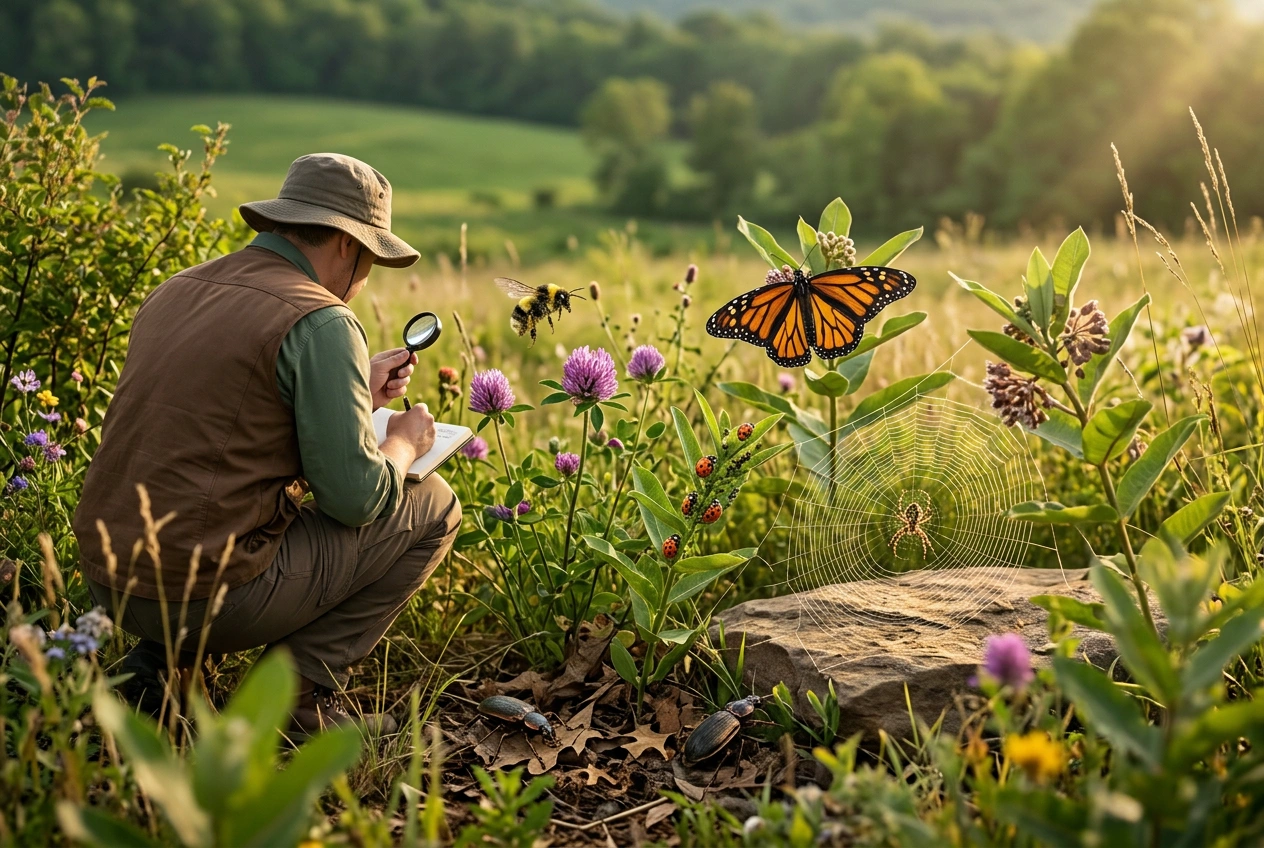
Insects constitute one of the most diverse and abundant groups of organisms on our planet, with millions of species exhibiting a wide range of behaviors and adaptations. Understanding insect behavior patterns is not just an academic pursuit; it's a gateway to appreciating the intricate web of life that sustains ecosystems. Whether you are a budding entomologist, a nature lover, or just curious about the world around you, this guide will help you unlock the fascinating behaviors of insects and provide insights into species identification.
In this article, we will delve into the intriguing world of insects, explore their behavior patterns, and highlight the top ten most fascinating insect species. By the end, you will have a deeper understanding of these remarkable creatures and how to identify various insect species, enhancing your appreciation for the biodiversity that surrounds us.
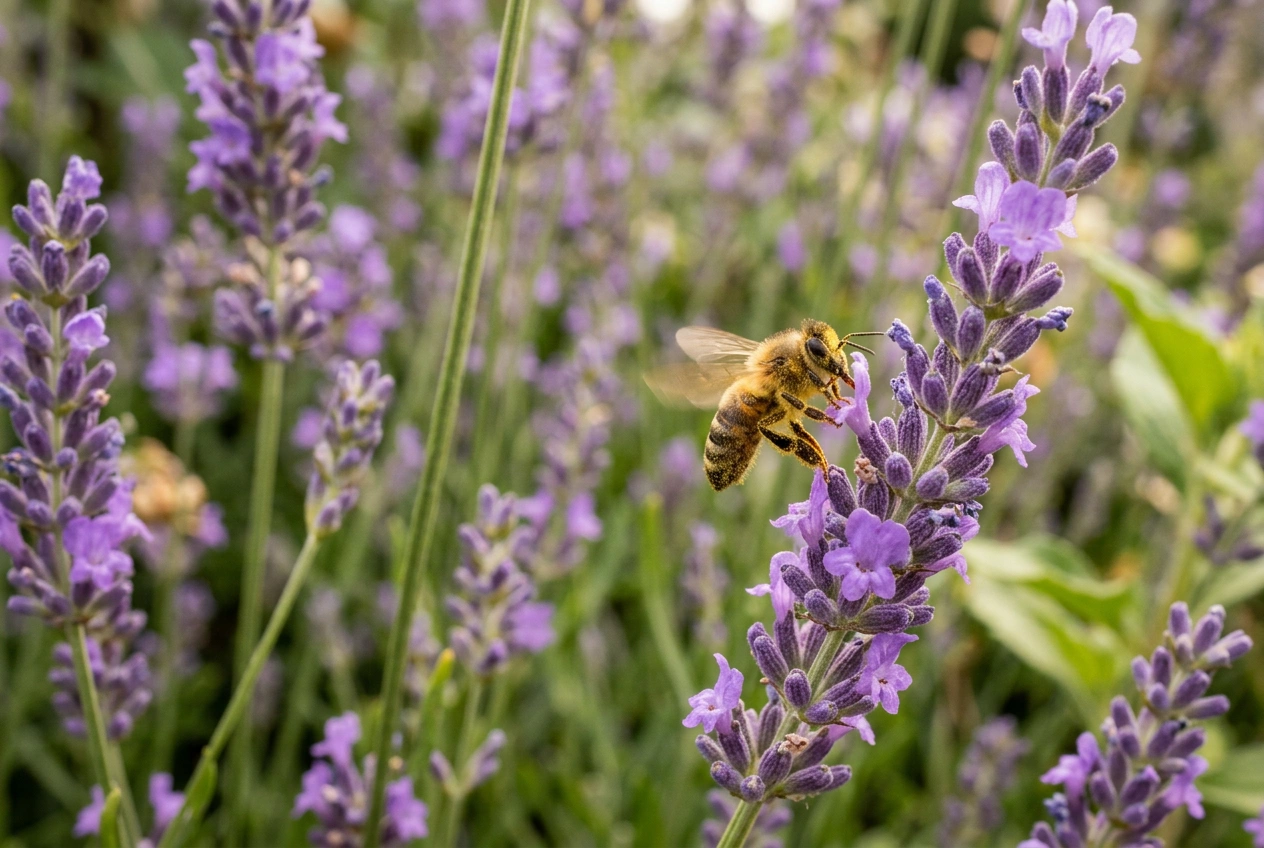
Insect behavior is a complex field that encompasses various activities, including feeding, mating, communication, and social interactions. To truly appreciate insects, one must recognize the intricacies of their behavior and the environmental factors that influence these actions.
Insects have developed diverse communication methods to interact with one another. These can include:
Chemical Signals (Pheromones): Many insects release pheromones to signal alarm, attract mates, or mark territory. For example, ants use pheromones to create trails to food sources, guiding other members of their colony.
Visual Signals: Some insects, like fireflies, use bioluminescence to attract mates. Others, such as butterflies, exhibit vibrant colors and patterns that can signal their toxicity to predators.
Tactile Signals: Insects may also communicate through touch. Honeybees perform a "waggle dance" to inform hive mates about the distance and direction of food sources.
Understanding these communication methods is essential for identifying insect species and their behaviors, as they often reflect the ecological roles these insects play.
Mating behaviors in insects are equally diverse, with various strategies employed depending on the species:
Courtship Displays: Many insects engage in elaborate courtship rituals. For instance, male peacock spiders perform intricate dances to attract females, showcasing their vibrant colors and agility.
Mating Swarms: Certain species, such as mayflies, gather in large swarms to facilitate mating. These swarms can be a breathtaking sight, often occurring at specific times of the year.
Parental Care: While most insects do not exhibit parental care, some species, like certain beetles, will protect their eggs or larvae until they are ready to fend for themselves.
Recognizing these mating behaviors can significantly enhance your understanding of insect life cycles and species identification.

Insects are not only abundant; they are also incredibly diverse. Here, we highlight ten of the most fascinating insect species, each showcasing unique behaviors and adaptations.
The bombardier beetle is renowned for its remarkable defense mechanism. When threatened, it ejects a hot chemical spray from its abdomen, deterring predators. This beetle's ability to mix chemicals in a reaction chamber creates a rapid expulsion of boiling liquid, making it a fascinating study of insect defense.
Honeybees are essential pollinators and exhibit complex social structures. They communicate through pheromones and perform the waggle dance to inform hive mates about food sources. Their role in pollination significantly impacts agriculture and biodiversity.
The atlas moth is one of the largest moth species, with a wingspan that can reach up to 10 inches. Found in Southeast Asia, this moth exhibits unique camouflage and behavior, resembling dead leaves to evade predators.
Fireflies are known for their bioluminescent displays, which are primarily used for mating. The rhythmic flashing patterns vary among species, making them a captivating subject for study and observation.
Leafcutter ants are remarkable for their symbiotic relationship with fungi. They cut and transport leaves to their underground nests, where they cultivate fungi as a food source. Their complex social structure and division of labor are fascinating aspects of their behavior.
Praying mantises are known for their predatory behavior and unique hunting techniques. They can rotate their heads to scan their surroundings and use their raptorial forelegs to capture prey. Their mating rituals are equally intriguing, with females sometimes consuming males after mating.
The goliath beetle is one of the heaviest insects in the world, capable of weighing over 3.5 ounces. Found in Africa, these beetles undergo a fascinating metamorphosis and are known for their striking coloration and patterns.
Dragonflies are agile fliers and skilled hunters, known for their ability to catch prey mid-air. Their complex mating behaviors and territorial displays make them a captivating species for enthusiasts to observe.
The emperor moth is notable for its large size and striking eye spots on its wings, which serve to deter predators. Found in Europe, this moth undergoes a complete metamorphosis, showcasing the incredible transformation from caterpillar to adult.
Stick insects are masters of camouflage, resembling twigs or branches to avoid detection by predators. Their ability to blend into their surroundings is an extraordinary adaptation that aids in their survival.
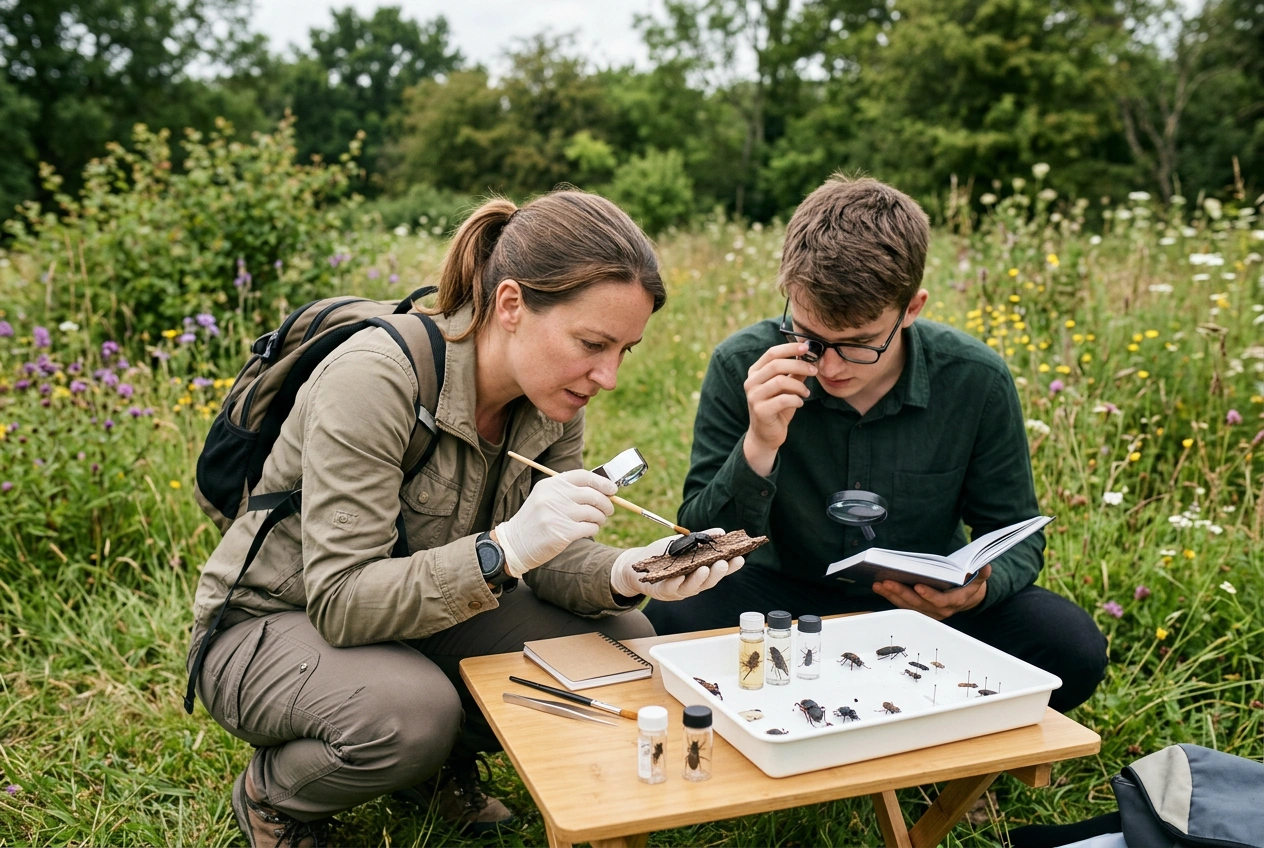
Identifying insect species can be both challenging and rewarding. Here are some practical steps to enhance your insect identification skills:
Field Guide: Invest in a comprehensive field guide specific to your region. These guides often include photographs and descriptions that are invaluable for identification.
Magnifying Glass: A magnifying glass can help you examine small details, such as wing patterns and body structures, which are crucial for accurate identification.
Notebook: Keep a field notebook to record your observations, including the location, habitat, and behaviors of the insects you encounter.
When identifying insects, pay attention to the following features:
Several online databases and applications can assist with insect identification:
Despite their prevalence, many misconceptions surround insects that can lead to misunderstandings about their roles in ecosystems. Here are a few common myths:
While some insects can be pests, the vast majority play crucial roles in ecosystems, pollination, decomposition, and nutrient cycling. For example, bees are essential for pollinating many crops, while decomposer insects help break down organic material, returning nutrients to the soil.
Many people fear insects due to the potential for bites or stings, but most insects are harmless and even beneficial. For instance, ladybugs are natural predators of aphids, helping control pest populations in gardens.
Insects exhibit a range of complex behaviors that suggest a level of intelligence. From problem-solving in social insects like ants to the intricate navigation abilities of honeybees, insects display remarkable adaptability and learning capabilities.
Insects are vital components of ecosystems, contributing to ecological balance and health. Their roles include:
Understanding these roles can foster a greater appreciation for insects and their contributions to biodiversity.
The world of insects is vast and endlessly fascinating. As you explore the behaviors, characteristics, and ecological roles of insects, consider engaging with communities that share your passion. The Banana Slug Club is dedicated to fostering an appreciation for nature and biodiversity, providing resources and support for enthusiasts of all levels.
In this guide, you have learned about the intricate behavior patterns of insects, the understanding insect biodiversity, and how to identify them. By joining a community like the Banana Slug Club, you can connect with others who share your enthusiasm for insects, participate in educational events, and contribute to conservation efforts.
If you are eager to deepen your understanding of insects and explore the wonders of nature, visit Banana Slug Club to learn more about how you can get involved and make a difference. Your journey into the world of insects is just beginning, and together we can celebrate and protect the incredible diversity of life on Earth.
Get free resources, early access to new features and updates.
No spam. Just fun educational emails!