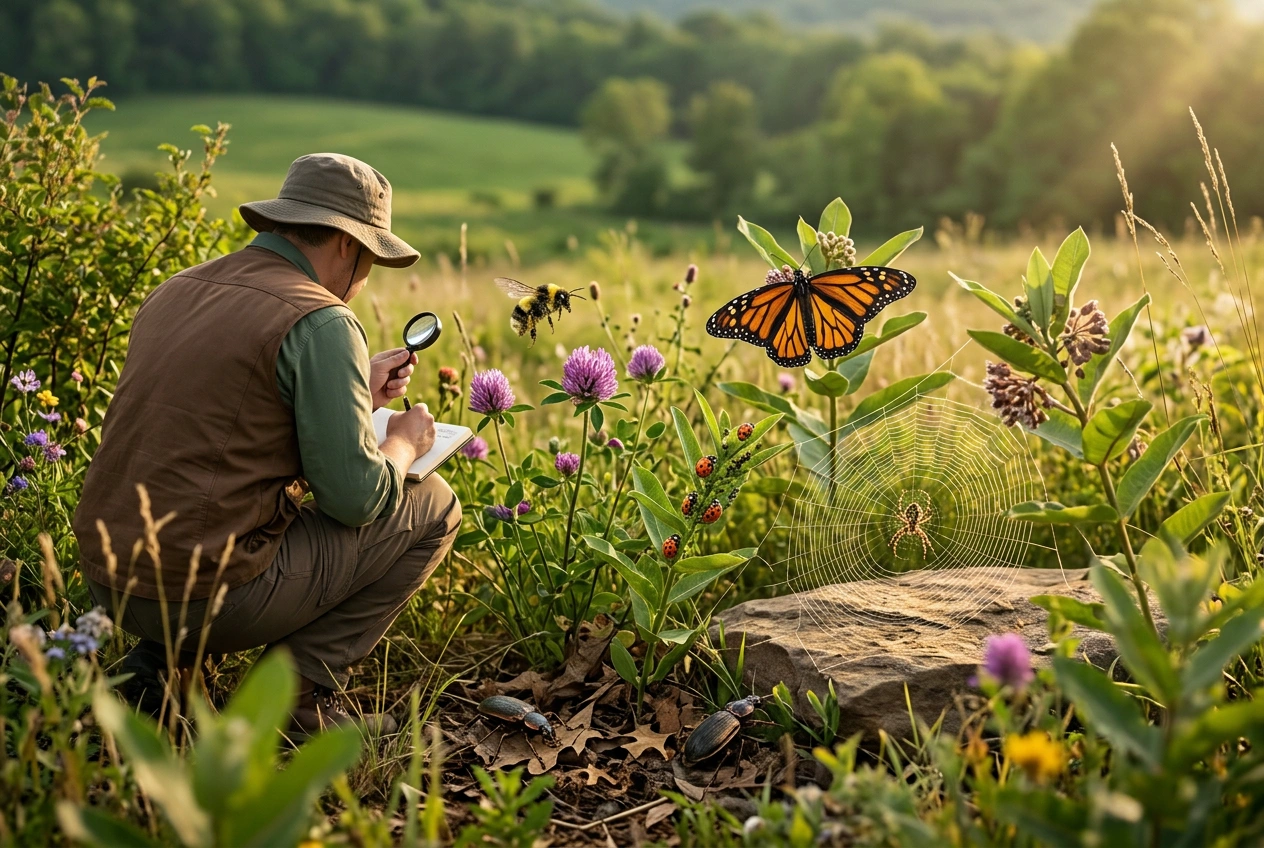
Insects represent one of the most diverse and complex groups of organisms on our planet. With over a million identified species, they play vital roles in ecosystems, from pollination to decomposition. Understanding their behavior patterns not only fascinates entomologists and biologists but also sheds light on how these tiny creatures impact our lives. In this article, we will explore the captivating world of insects, dive into their behavior, and highlight the top ten most fascinating insect species, providing insights into insect species identification along the way.

Insects are not just a nuisance; they are integral to our ecological balance. Their behaviors can reveal much about environmental health and can be indicators of climate change. For instance, changes in insect migration patterns may signal shifts in weather or habitat conditions. By studying these patterns, researchers can predict changes in biodiversity and ecosystem functionality.
Insect behavior encompasses a wide range of activities, including mating rituals, foraging strategies, and social interactions. These behaviors are often influenced by environmental factors such as temperature, light, and food availability. Understanding these interactions helps scientists devise strategies for conservation and pest management. Moreover, it provides insights into evolutionary biology, showcasing how insects adapt to survive in diverse environments.
Insect behavior can be categorized into several key areas:

Insects are not only diverse but also incredibly interesting. Here are ten of the most fascinating insect species, each showcasing unique behaviors and adaptations.
The Monarch Butterfly is renowned for its remarkable migration journey, traveling thousands of miles from North America to central Mexico. During this journey, Monarchs exhibit a phenomenon known as "roosting," where they cluster together in large groups on trees to conserve heat. Their life cycle, which includes a metamorphosis from caterpillar to butterfly, is a classic example of insect development.
Leafcutter ants are famous for their unique foraging behavior. They cut leaves and bring them back to their colonies, where they cultivate fungus on the leaf material. This mutualistic relationship between the ants and the fungus is a prime example of cooperative behavior in nature, demonstrating complex social structures and division of labor.
Praying Mantises are known for their predatory behavior, often regarded as the "hunters" of the insect world. They exhibit ambush tactics, remaining still and camouflaged until prey comes close. Their mating rituals can also be dramatic, with females sometimes consuming males after copulation, a behavior that raises questions about reproductive strategies and survival.
The Bombardier Beetle is famous for its unique defense mechanism. When threatened, it can eject a hot, noxious chemical spray from its abdomen. This behavior not only deters predators but also showcases an incredible evolutionary adaptation for survival in the wild.
Fireflies are well-known for their bioluminescent displays, which are primarily used for attracting mates. The patterns of light produced vary between species, providing a means of species identification. Their light production is a fascinating biological process that has intrigued scientists for years.
Honeybees are essential pollinators and are known for their complex social structures. They communicate through a series of dances to convey the location of food sources. This behavior illustrates the sophisticated methods insects use to share information and maintain colony efficiency.
Dragonflies are exceptional fliers, capable of hovering and even flying backward. Their hunting techniques are highly efficient, and they can catch prey mid-air. Their aerial prowess and predatory behavior provide insights into the evolution of flight in insects.
Cicadas are famous for their loud mating calls, which can be heard over long distances. Their life cycle, which includes a long period of underground development, followed by a brief adult life, is a fascinating aspect of their biology. The synchronized emergence of cicadas is a remarkable natural phenomenon.
The Orchid Mantis is a master of disguise, mimicking the appearance of orchids to attract prey. This behavior is a prime example of camouflage and predatory strategy in insects. Their unique adaptations highlight the intricate relationships between species in ecosystems.
Stick Insects are experts in camouflage, resembling twigs or branches to avoid predation. Their ability to blend into their surroundings demonstrates the importance of adaptation in survival. This behavior not only aids in evasion but also plays a role in their reproductive strategies.
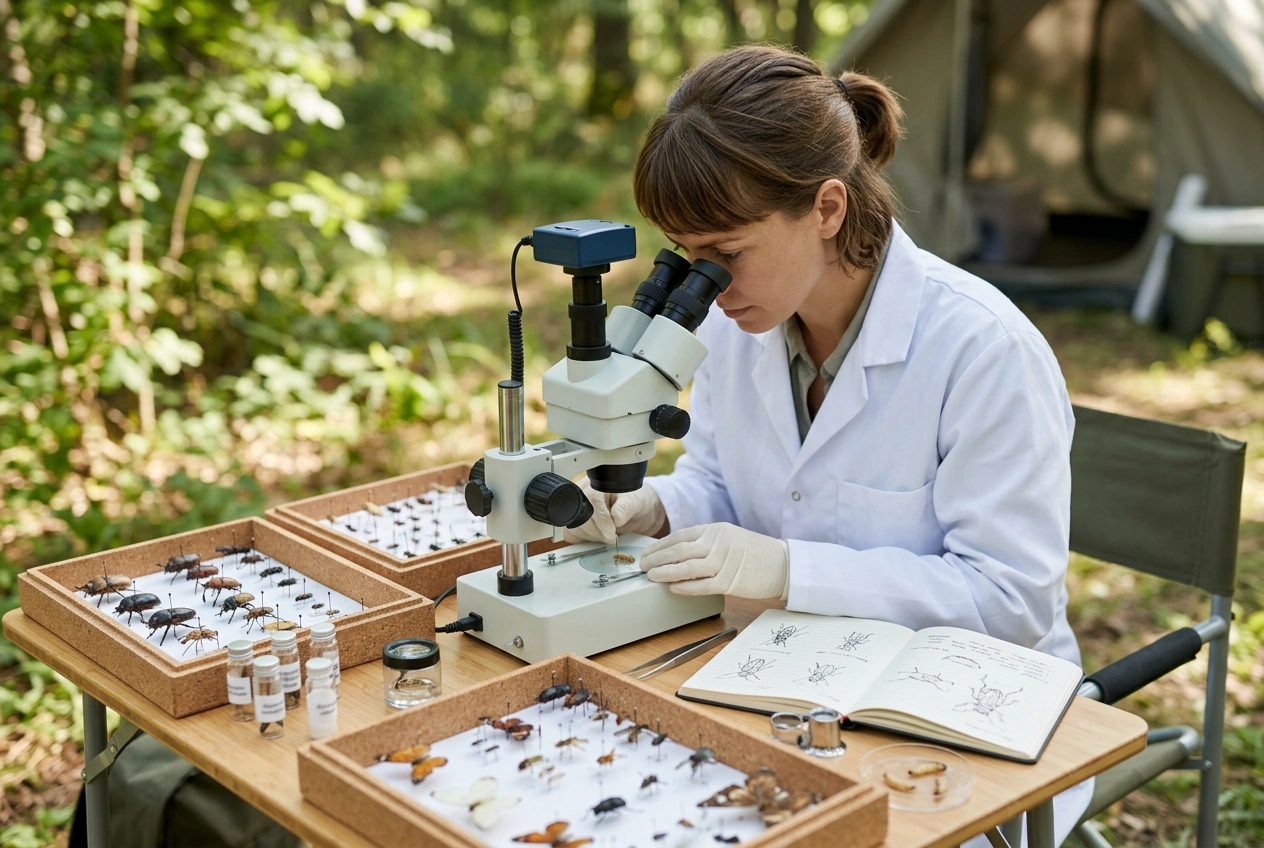
Identifying insect species can be a challenging but rewarding endeavor. Here are some effective techniques for insect species identification:
Insects play critical roles in maintaining ecological balance. They are vital for pollination, decomposition, and as a food source for other animals. Their interactions with plants and other organisms contribute to biodiversity and ecosystem health.
Many plants depend on insects for pollination. Insects such as bees and butterflies transfer pollen from one flower to another, facilitating plant reproduction. This process is essential for the production of fruits and seeds, directly impacting food availability for various species, including humans.
Insects also contribute significantly to the decomposition process. Detritivores, such as certain beetles and larvae, break down organic matter, returning nutrients to the soil. This process is crucial for maintaining soil health and supporting plant growth.
Insects serve as a fundamental component of food webs. They are a primary food source for numerous birds, mammals, and reptiles. The decline of insect populations can disrupt these food webs, leading to broader ecological consequences.
The study of insect behavior not only enriches our understanding of these creatures but also opens doors to innovative applications in various fields. From agriculture to robotics, insights gained from insect behavior can inspire new technologies and approaches.
Understanding insect behavior can lead to more effective pest management strategies. By studying the foraging patterns of beneficial insects, farmers can enhance pollination and natural pest control methods. Integrated Pest Management (IPM) practices often draw on these behavioral insights to minimize chemical use and promote sustainable agriculture.
Insects have inspired advances in robotics and engineering. For example, the flight mechanisms of dragonflies and bees have influenced drone design. Observing how insects navigate their environments can lead to innovations in autonomous technology and environmental monitoring.
Insects are intricately linked to human life, impacting agriculture, health, and even cultural practices. Understanding their behaviors can lead to improved human-insect interactions and foster a greater appreciation for these vital organisms.
One common misconception is that all insects are pests. While some insects can cause damage to crops or transmit diseases, many are beneficial and essential for ecosystem health. Educating the public about the positive roles insects play can help shift perceptions and promote conservation efforts.
Insect populations are declining globally due to habitat loss, climate change, and pesticide use. Promoting awareness of their importance is crucial for conservation efforts. Initiatives that encourage habitat preservation and sustainable practices can help protect these vital organisms.
The fascinating world of insects is filled with secrets and behaviors that reveal the complexity of life on Earth. Understanding these creatures not only enhances our appreciation for biodiversity but also informs our actions towards conservation. The Banana Slug Club is dedicated to educating and engaging communities in the wonders of nature, including the intricate behaviors of insects.
By exploring the behavior patterns of insects, you can uncover insights that have practical applications in various fields and contribute to a healthier ecosystem. If you're passionate about insects and want to learn more, consider joining the Banana Slug Club to connect with like-minded individuals and access valuable resources.
Visit Banana Slug Club for more information on how you can engage with the fascinating world of insects and contribute to conservation efforts. Together, we can unlock the secrets of insect behavior patterns in nature and ensure a thriving future for these essential organisms.
Get free resources, early access to new features and updates.
No spam. Just fun educational emails!