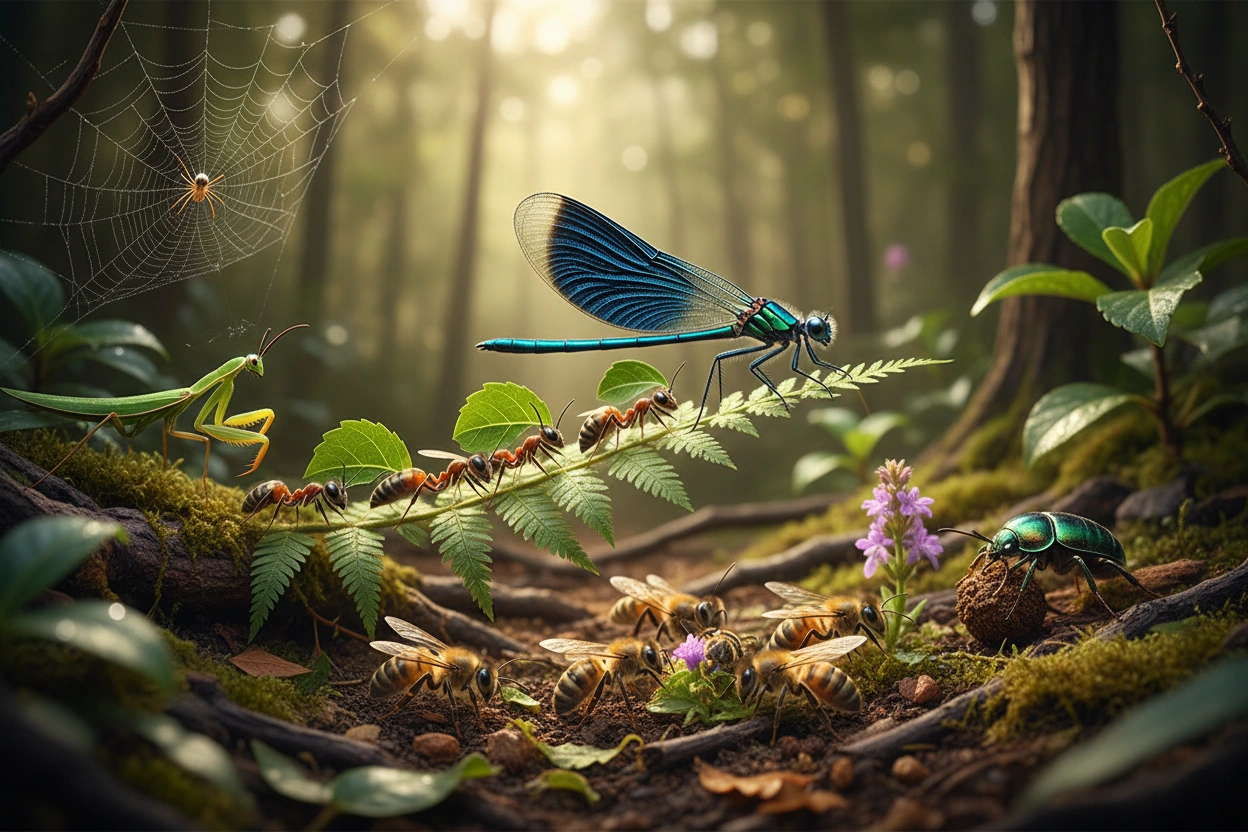
Insects are often overlooked, yet they play a pivotal role in our ecosystems. From pollination to waste decomposition, these tiny creatures are nature's engineers, executing complex tasks that support life on Earth. As of September 2026, scientists have identified over a million insect species, and this number continues to grow. Understanding insect behavior not only enhances our knowledge of biodiversity but also helps us appreciate the ecological balance they maintain.
In this article, we will explore the fascinating world of insects, focusing on their behaviors, their importance in our environment, and a detailed look at the top ten most fascinating insect species. By the end, readers will have a deeper appreciation for these remarkable creatures and the critical roles they play.
Insects are integral to various ecological processes, serving as pollinators, decomposers, and food sources for other animals. They contribute to biodiversity in several ways:
Insects, particularly bees, butterflies, and beetles, are essential for pollinating flowering plants. This process is crucial for the production of fruits, vegetables, and nuts, which are vital components of the human diet. According to the Food and Agriculture Organization (FAO), about 75% of global food crops depend on animal pollinators, highlighting the significant role insects play in food security.
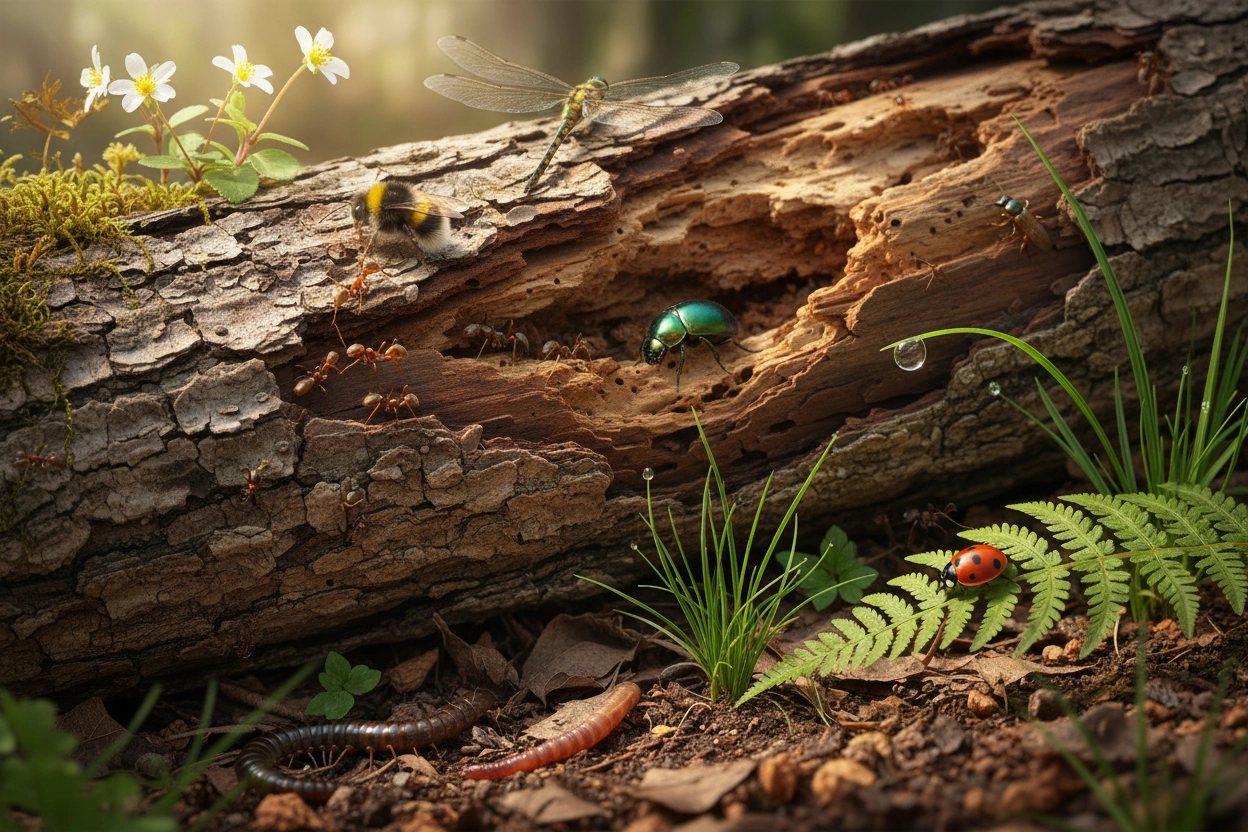
Insects like ants and beetles break down organic matter, facilitating nutrient cycling. They help decompose dead plants and animals, returning vital nutrients to the soil. This process is essential for maintaining soil health and fertility, which in turn supports plant growth.
Insects contribute to biodiversity by serving as food for numerous species, including birds, mammals, and amphibians. Their presence in ecosystems supports complex food webs, ensuring ecological stability. The decline of insect populations can lead to a cascading effect, impacting various species and the overall health of ecosystems.
While insects are often viewed negatively due to their association with pests, many misconceptions exist that can cloud our understanding of their importance. Here are some prevalent myths:
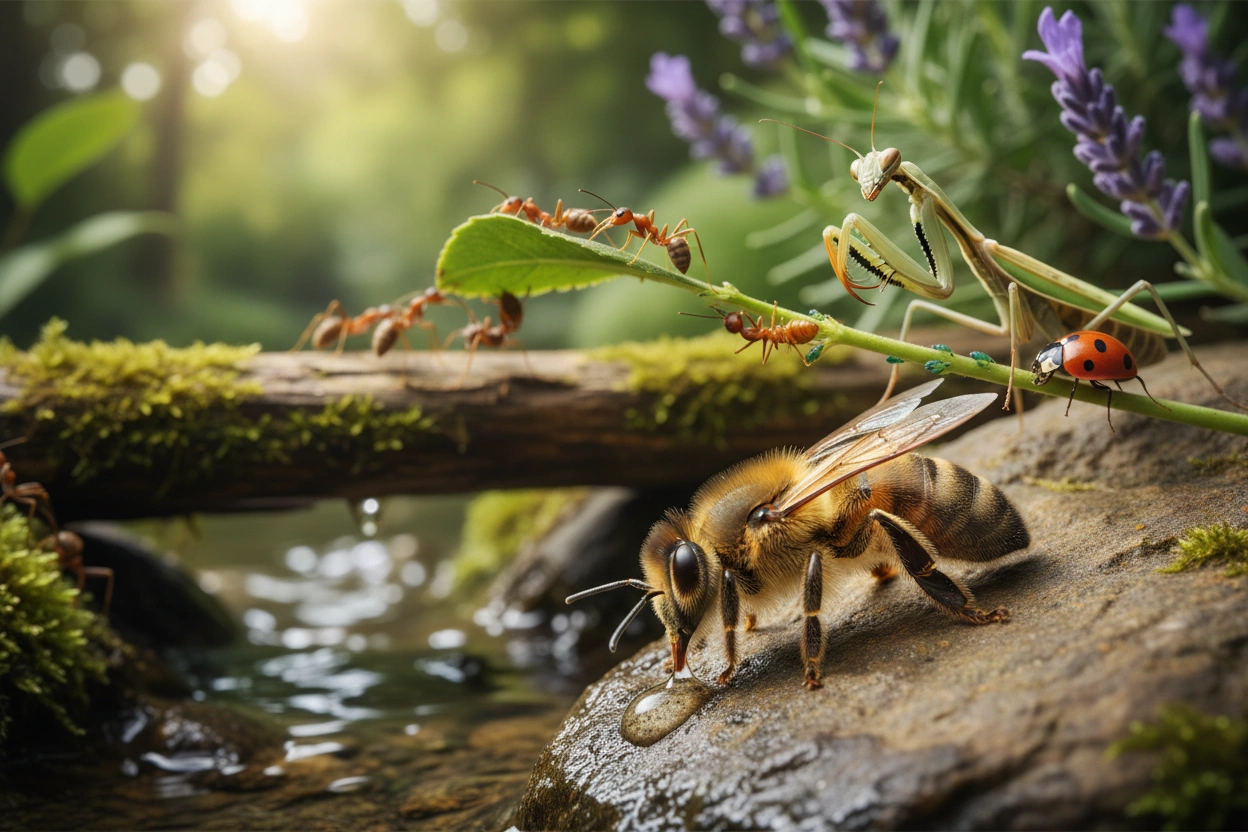
Many people associate insects solely with diseases or crop damage. However, the majority of insect species are harmless and beneficial. For instance, ladybugs consume aphids, which are harmful to plants, making them valuable allies in gardening.
Another misconception is that insects are primitive creatures. In reality, they have evolved complex behaviors and social structures. Ants and bees exhibit sophisticated communication methods and division of labor, showcasing their advanced social organization.
Many assume that insect populations remain constant, but this is far from the truth. Recent studies indicate that global insect populations are declining, with significant threats from habitat loss, pesticides, and climate change. Understanding these threats is crucial for conservation efforts.
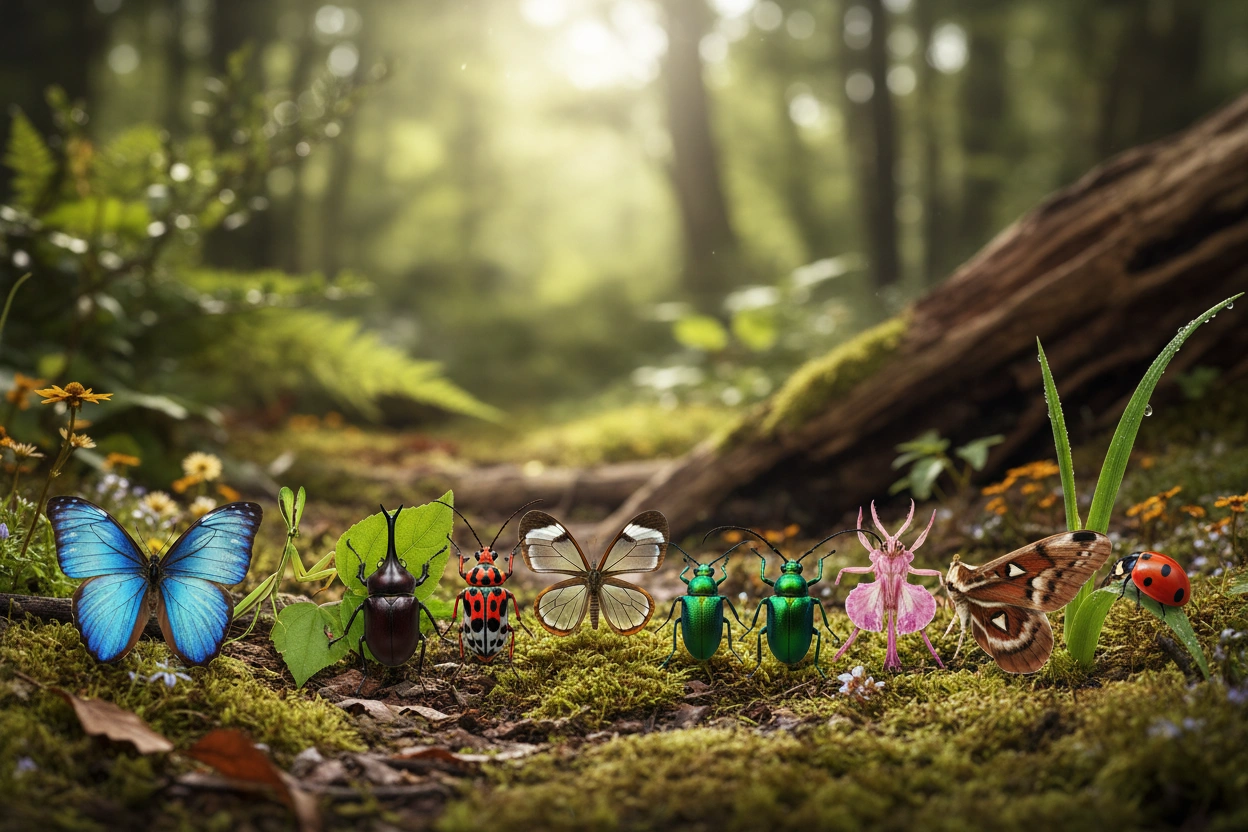
The insect world is diverse and captivating. Here are ten remarkable insect species that showcase the incredible variety of behaviors and adaptations found in this group.
The Monarch butterfly is renowned for its long migratory journey from North America to Mexico, covering thousands of miles. This species exhibits remarkable navigation skills, using environmental cues to find its way. The Monarch's life cycle, including its metamorphosis from caterpillar to butterfly, is a fascinating example of insect development.
Leafcutter ants are extraordinary engineers, capable of cutting and transporting leaves to their underground colonies. They do not eat the leaves directly; instead, they use them to cultivate a fungus, which serves as their primary food source. This mutualistic relationship between ants and fungi highlights the complexity of insect behavior.
The bombardier beetle possesses a unique defense mechanism that allows it to eject a hot, noxious chemical spray from its abdomen when threatened. This remarkable ability deters predators and showcases the innovative adaptations insects have developed for survival.
Fireflies are famous for their bioluminescence, which they use for communication and mating. The light produced by fireflies is a result of a chemical reaction in their bodies, allowing them to create patterns of flashes to attract mates. This phenomenon is not only beautiful but also a fascinating example of insect behavior.
The praying mantis is known for its predatory skills and unique hunting techniques. These insects can rotate their heads to scan their surroundings, demonstrating a level of intelligence not commonly associated with insects. Their ambush tactics and mating rituals, which can be deadly for the male, add to their intrigue.
Honeybees are critical pollinators and are known for their complex social structures. They communicate through a unique "waggle dance," which conveys information about the location of food sources. Honey production and their role in agriculture make them one of the most studied insect species.
The Goliath beetle is one of the largest insects in the world, reaching lengths of up to four inches. Found in Africa, these beetles exhibit striking coloration and are known for their impressive strength. Their size and appearance make them a subject of fascination among entomologists and nature enthusiasts.
Dragonflies are agile flyers and skilled hunters, capable of catching prey mid-air. Their incredible vision allows them to detect movement in all directions, making them formidable predators. Additionally, dragonflies undergo a unique life cycle, transitioning from aquatic nymphs to aerial adults.
Stick insects are masters of camouflage, mimicking twigs and branches to evade predators. This adaptation is a survival strategy that showcases the incredible diversity of insect behaviors. Some species can even regenerate lost limbs, further enhancing their resilience.
While not technically insects, tardigrades, often called "water bears," share many similarities with insects. These microscopic creatures are known for their resilience, surviving extreme conditions, including high radiation, extreme temperatures, and even the vacuum of space. Their unique adaptations continue to intrigue scientists.
Identifying insect species can be a rewarding experience, whether for academic purposes, gardening, or ecological studies. Here are some essential steps to help you get started:
Research Local Species: Familiarize yourself with the common insects in your area. Field guides and online databases can provide valuable information on local insect diversity.
Observe Habitats: Pay attention to where you find insects. Different species thrive in various environments, such as gardens, forests, or wetlands. Noting the habitat can aid in identification.
Use Identification Apps: Several smartphone applications allow users to take pictures of insects and receive instant identification. These tools are valuable for both amateurs and professionals.
Join Community Groups: Engaging with local entomological societies or online forums can enhance your knowledge and provide support in identifying species.
Document Findings: Keep a journal or digital record of your insect observations. Include photographs, locations, and behaviors to help with future identifications.
Insects are remarkable creatures that exhibit a wide range of behaviors and adaptations, playing critical roles in our ecosystems. Understanding their behavior and ecological importance can foster a greater appreciation for these tiny engineers. Engaging in insect species identification not only enhances knowledge but also contributes to conservation efforts.
As we delve into the intricate world of insects, the Banana Slug Club encourages enthusiasts and learners alike to explore and appreciate the diversity of life around us. Understanding insect behavior enhances our connection to nature and can inspire action toward conservation.
By learning about the vital roles insects play, individuals can become advocates for their protection and contribute to the preservation of biodiversity. The Banana Slug Club offers resources and community engagement opportunities for those interested in exploring the fascinating world of insects further.
For more information on how you can get involved and deepen your understanding of insects, visit Banana Slug Club. Together, we can celebrate and protect the incredible diversity of our planet's tiny engineers.
Get free resources, early access to new features and updates.
No spam. Just fun educational emails!


.svg)
.svg)