The intricate relationships between endangered animals and their ecosystems highlight the delicate balance required for life on Earth. As of 2026, various species are facing unprecedented threats due to human activities, climate change, and habitat destruction. This article explores the critical state of understanding endangered animals, delves into the conservation efforts that aim to protect them, and identifies the top ten endangered animals you should know about.
The importance of understanding endangered animals extends beyond mere sympathy; it encompasses recognizing the vital roles these creatures play in maintaining ecosystem health. Each species contributes uniquely to its environment, and their decline can lead to cascading effects that threaten other species and the ecosystem's overall stability. Therefore, conservation efforts are not just about saving animals; they are about preserving the intricate web of life that sustains us all.
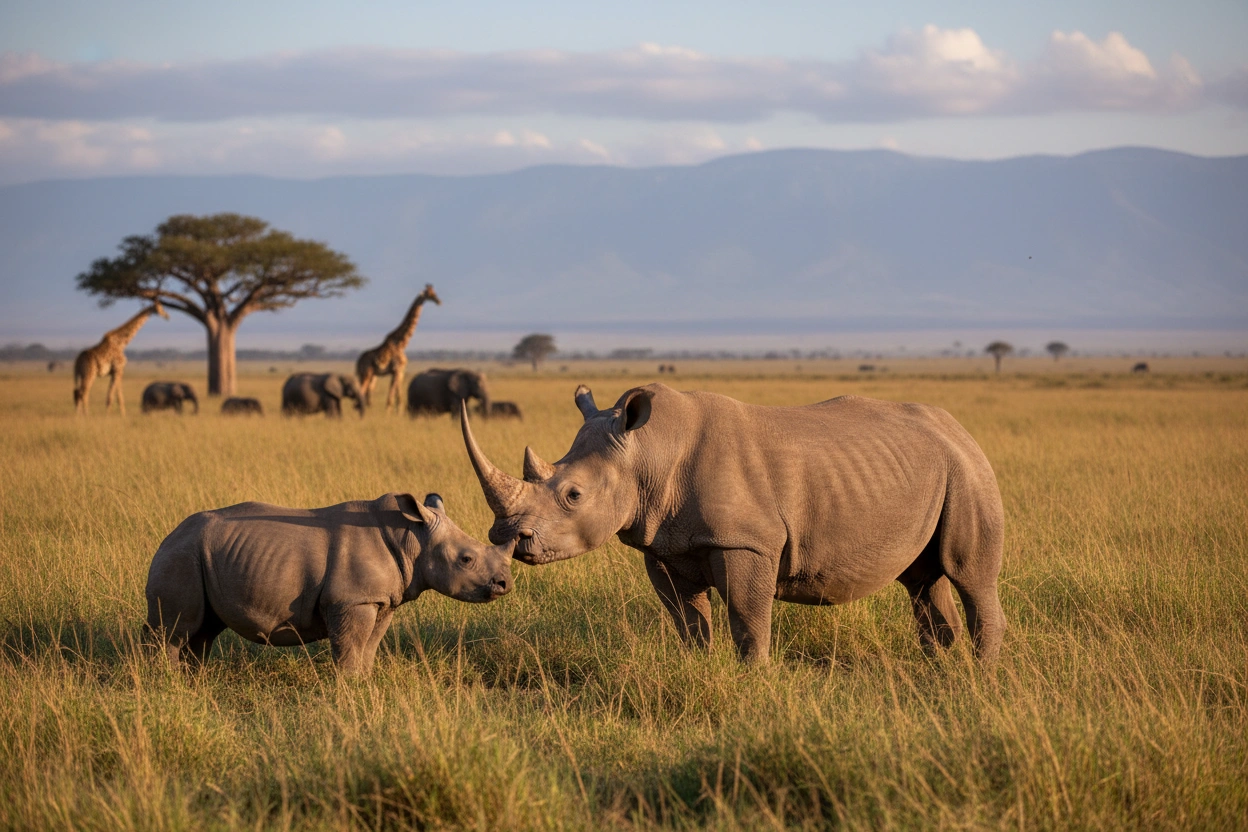
Understanding the interconnectedness of endangered animals and ecosystems is crucial for effective conservation. Endangered animals often serve as indicators of environmental health, and their presence or absence can reveal a great deal about the state of their habitats. For instance, the decline of apex predators can signal issues within the food chain, affecting everything from plant life to smaller animal populations.
Moreover, endangered animals play essential roles in various ecosystem functions. For example, pollinators like bees are critical for plant reproduction, while larger herbivores contribute to shaping landscapes and maintaining plant diversity. The loss of these species can lead to diminished ecosystem resilience, making it harder for environments to recover from disturbances like climate change or natural disasters.
There are several misconceptions surrounding endangered animals that can hinder conservation efforts:
Conservation efforts play a pivotal role in protecting endangered animals and their habitats. Various strategies have been employed globally, ranging from legal protections to habitat restoration. Here are some effective conservation methods:
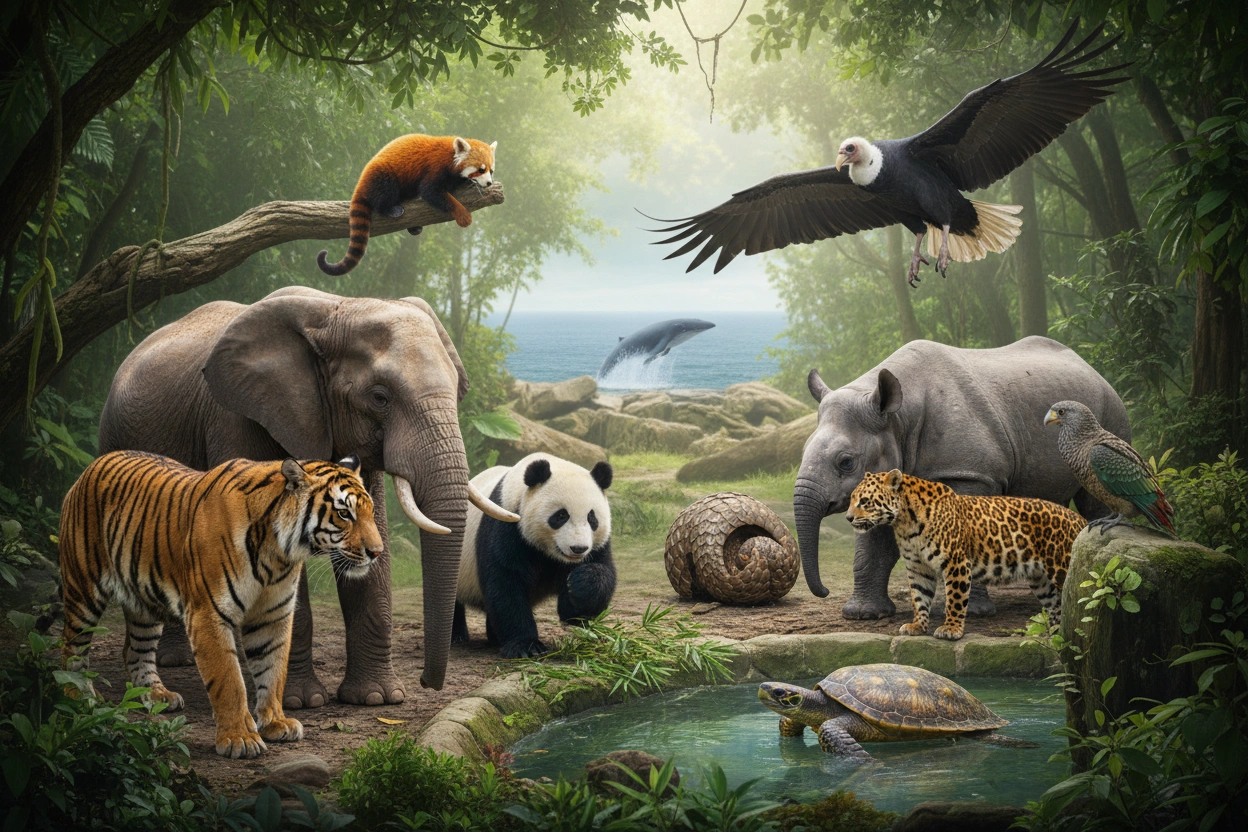
Awareness of endangered animals is the first step toward meaningful conservation. Here are ten notable species that highlight the diversity of life at risk:
Native to the temperate forests of the Russian Far East and northeast China, the Amur leopard is critically endangered, with fewer than 100 individuals estimated to remain in the wild. Habitat loss, poaching, and prey depletion are significant threats to its survival.
The vaquita, a small porpoise found in the northern part of the Gulf of California, is the world's most endangered marine mammal. With an estimated population of fewer than 30 individuals, the primary threat to the vaquita is bycatch in illegal gillnets used for fishing another endangered species, the totoaba.
Once found throughout Southeast Asia, the Javan rhinoceros is now confined to Ujung Kulon National Park in Indonesia, with only about 76 individuals left. Habitat destruction and poaching for their horns are the main threats to their survival.
The Sumatran orangutan is critically endangered due to habitat loss from palm oil plantations, logging, and human encroachment. Conservationists are working to protect their remaining habitats and reduce human-wildlife conflict.
The western lowland gorilla is critically endangered, primarily due to habitat loss and poaching. Conservation efforts focus on anti-poaching measures and habitat protection in Central Africa.
Snow leopards inhabit the mountainous regions of Central and South Asia. They are classified as vulnerable, with their populations threatened by habitat loss, poaching, and conflicts with herders. Conservation efforts include community-based initiatives to promote coexistence.
The leatherback sea turtle, the largest of all sea turtles, is listed as vulnerable due to threats such as habitat loss, bycatch, and climate change. Conservation efforts focus on protecting nesting sites and reducing bycatch through better fishing practices.
The Indian elephant is endangered due to habitat loss and fragmentation, poaching, and human-wildlife conflict. Conservation strategies include habitat restoration and community engagement to mitigate conflicts.
The African wild dog is one of the most endangered carnivores in Africa, with populations declining due to habitat loss, human-wildlife conflict, and diseases. Conservation efforts involve habitat protection and creating wildlife corridors to facilitate movement between populations.
Once widespread across the eastern United States, the red wolf is now critically endangered, with only about 20 to 30 individuals remaining in the wild. Conservation efforts focus on captive breeding and reintroduction programs.

While large organizations and governments play crucial roles in conservation, individual actions can significantly impact the protection of endangered animals. Here are ways individuals can contribute:
The balance of ecosystems is directly tied to the presence of endangered animals. Protecting these species is essential not only for their survival but also for maintaining the health of ecosystems. When one species is lost, it can lead to a domino effect, disrupting food chains and affecting other species, including humans.
Conservation efforts must take a holistic approach, addressing the needs of entire ecosystems rather than focusing solely on individual species. This includes protecting habitats, promoting biodiversity, and ensuring that top conservation efforts are sustainable for future generations. Collaboration among governments, NGOs, and local communities is critical to achieving these goals.
Looking ahead, the future of conservation will require innovative approaches and a commitment to addressing the root causes of endangerment. This includes tackling climate change, promoting sustainable land use, and fostering a global culture of respect for biodiversity. By understanding the delicate balance of endangered animals and ecosystems, we can take meaningful steps toward a more sustainable future.
The role of technology in conservation is also becoming increasingly important. From tracking animal movements with GPS to using drones for habitat monitoring, technology can enhance our understanding of ecosystems and improve conservation strategies.
The delicate balance of endangered animals and ecosystems is a pressing issue that requires urgent attention and action. Throughout this article, we have explored the importance of understanding endangered animals, the threats they face, and the conservation efforts that are underway. By recognizing the interconnectedness of all living beings, we can better appreciate the role each species plays in the health of our planet.
Banana Slug Club is dedicated to promoting awareness and action regarding endangered animals and their ecosystems. By engaging with communities and fostering a culture of conservation, Banana Slug Club aims to inspire individuals to take part in protecting our planet's biodiversity.
If you are passionate about making a difference and want to learn more about how you can contribute to conservation efforts, visit Banana Slug Club. Together, we can help ensure that future generations inherit a vibrant and diverse world filled with the rich tapestry of life that endangered animals represent.
Get free resources, early access to new features and updates.
No spam. Just fun educational emails!


.svg)
.svg)