Birdwatching has become a beloved pastime for many, offering a unique way to connect with nature and learn about the fascinating behaviors of avian species. Among these, birds of prey, also known as raptors, capture the imagination of birdwatchers and nature enthusiasts alike. With their impressive hunting skills and majestic presence, raptors are a major draw for those seeking guided birdwatching tours. In this article, we will explore the world of birds of prey, provide insights into their behavior, and highlight the best birding tours that focus on these magnificent creatures.
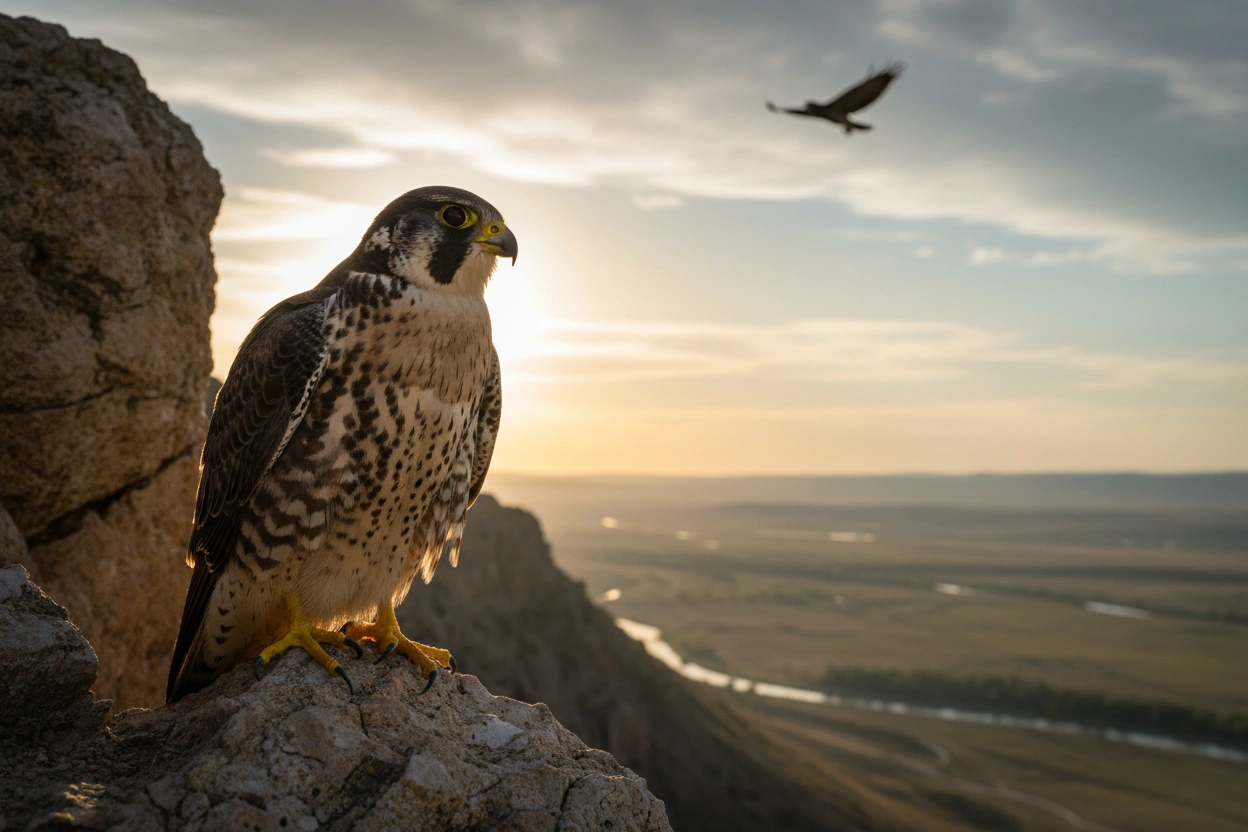
Birds of prey are a diverse group of birds known for their keen eyesight, powerful talons, and exceptional hunting capabilities. This category includes species such as eagles, hawks, falcons, and owls, each possessing unique traits that contribute to their success as hunters.
Birds of prey share several key characteristics that distinguish them from other avian species:
Raptors employ various hunting strategies depending on their species and environmental conditions:
Understanding these characteristics and techniques can enhance your birdwatching experience, as it allows you to appreciate the incredible adaptations that make these birds successful hunters.

As you embark on your birdwatching journey, it's essential to familiarize yourself with some of the most common birds of prey you may encounter:
The bald eagle is an iconic symbol of the United States, renowned for its striking white head and tail contrasted against a dark brown body. These eagles are often found near large bodies of open water, where they hunt for fish.
One of the most widespread hawks in North America, the red-tailed hawk is easily identifiable by its distinctive red tail and robust body. They are adaptable hunters, preying on small mammals, birds, and reptiles.
Known for being the fastest bird in the world, the peregrine falcon can reach speeds of over 240 miles per hour during its hunting stoop. These falcons are commonly found in urban areas, where they nest on tall buildings.
Recognizable by its tufted "horns," the great horned owl is a powerful nocturnal predator. They have a diverse diet, including small mammals, birds, and even other raptors.
The osprey is a large raptor that specializes in catching fish. These birds are often seen near coastlines and rivers, where they dive into the water to snatch their prey with their sharp talons.
By knowing these species, you can better appreciate the diversity of raptors during your birdwatching tours.

To fully enjoy birdwatching tours focused on birds of prey, it is crucial to understand their behavior. Raptors exhibit fascinating behaviors that can be observed in their natural habitats.
Raptors typically build large nests in high places, such as cliffs or tall trees. Their nesting behavior can vary by species:
Parenting behaviors also differ among raptors. For instance, male and female eagles share the responsibility of caring for their young, while some owls rely solely on the female for incubation.
Raptors are known for their strong territorial instincts. They will defend their hunting grounds aggressively from intruders. Observing these interactions can provide thrilling moments during a birdwatching tour.
Many raptors are migratory, traveling long distances between breeding and wintering grounds. For example, the broad-winged hawk migrates from North America to Central America for the winter. Understanding migration patterns can help birdwatchers time their tours for optimal viewing opportunities.
By familiarizing yourself with these behaviors, you can enhance your experience on birdwatching tours, making each observation more meaningful.
When planning your birdwatching adventures, it is essential to choose tours that specialize in raptors. Here are some tips to help you find the best tours:
Not all birdwatching tours are created equal. Look for operators that specifically focus on birds of prey. They should have knowledgeable guides who can provide insights into the behavior and habitats of these magnificent birds.
Timing is crucial for successful birdwatching. Many raptors have specific breeding and migration seasons. For example, spring is an excellent time to observe nesting behaviors, while fall offers opportunities to witness migration.
Different habitats attract various raptor species. Consider tours that take you through a mix of environments, such as wetlands, forests, and mountains, to increase your chances of spotting a variety of birds. Look for the best birding hotspots that can enhance your experience.
Before heading out, ensure you have the right equipment:
By following these steps, you can maximize your birdwatching experience and enjoy the thrill of observing birds of prey in their natural habitats.
Understanding the truth about birds of prey can enhance your appreciation for these remarkable creatures. Here are some common misconceptions:
While raptors are skilled hunters, not all are a threat to humans. Most species prefer to avoid human contact and will not attack unless provoked.
While many raptors, like hawks and eagles, are diurnal (active during the day), some species, such as owls, are nocturnal and hunt at night.
Many people associate birds of prey solely with large species like eagles. However, the category also includes smaller raptors, such as kestrels and sparrowhawks, which are equally fascinating.
By dispelling these myths, birdwatchers can approach their tours with a more informed and respectful mindset.
Birdwatching tours focused on birds of prey not only provide enjoyment but also play a critical role in conservation efforts. Engaging with these tours raises awareness about the threats facing raptors, such as habitat loss and environmental pollution. The role of birds of prey in conservation is significant and should not be overlooked.
Many tour operators contribute to conservation initiatives. Participating in these tours can help support:
By choosing responsible birdwatching tours, you can contribute to the preservation of these majestic birds and their habitats.
As you embark on your birdwatching journey focused on birds of prey, remember that engaging with knowledgeable guides and conservation-minded organizations can greatly enhance your experience. The Banana Slug Club is dedicated to fostering a love for nature and educating enthusiasts about the importance of protecting our avian friends.
Whether you are a seasoned birdwatcher or a curious beginner, the Banana Slug Club offers resources and opportunities to learn more about birds of prey and participate in meaningful conservation efforts.
For an unforgettable experience and to deepen your understanding of these incredible raptors, contact Banana Slug Club today and discover how you can connect with nature while supporting vital conservation work.
Get free resources, early access to new features and updates.
No spam. Just fun educational emails!


.svg)
.svg)