Birdwatching offers an exhilarating way to connect with nature, and for many enthusiasts, few experiences rival the thrill of observing Birds of Prey in their natural habitats. Raptors, which include eagles, hawks, falcons, and owls, are fascinating creatures that captivate birdwatchers with their grace, power, and hunting prowess. In this article, we will explore some of the best birding hotspots for observing these magnificent birds, as well as provide insights into their behavior and ecology. Whether you're a seasoned birder or a newcomer to the hobby, this guide will enhance your understanding and appreciation of Birds of Prey.

Birds of Prey are defined by their predatory habits and physical adaptations that enable them to hunt effectively. Key characteristics include:
Understanding these traits is crucial for birdwatchers looking to identify raptors in the wild. Not only do these characteristics help in recognizing different species, but they also provide insight into their hunting strategies and behaviors.
Raptors employ various hunting techniques depending on their species and environment. For example:
Being aware of these behaviors can enhance your birdwatching experience, as you will better understand what to look for when observing these birds in action.

Identifying prime locations for birdwatching is essential for anyone interested in observing Birds of Prey. Here are some of the best hotspots across different regions:
The Everglades is a vast wetland ecosystem that provides a rich habitat for various raptor species. Here, you can find:
The diverse environment of the Everglades makes it an excellent location for birdwatching tours, especially during migration seasons when many raptors pass through.
Yellowstone is not only famous for its geothermal features but also for its wildlife, including a variety of raptors. Notable species include:
Visiting Yellowstone during the warmer months increases your chances of spotting these magnificent birds.
Cape May is renowned for its birdwatching opportunities, particularly during the fall migration. Key highlights include:
The Cape May Bird Observatory offers guided birdwatching tours, making it easier for enthusiasts to locate and identify various raptors.
The Rocky Mountains provide a stunning backdrop for birdwatching, and their diverse habitats attract a variety of raptors. Look for:
The park's numerous trails offer ample opportunities for birdwatchers to encounter these species.
This refuge is a crucial stopover for migratory birds and offers excellent viewing opportunities for raptors. Notable species include:
The refuge hosts an annual festival dedicated to birdwatching, making it an ideal destination for enthusiasts.
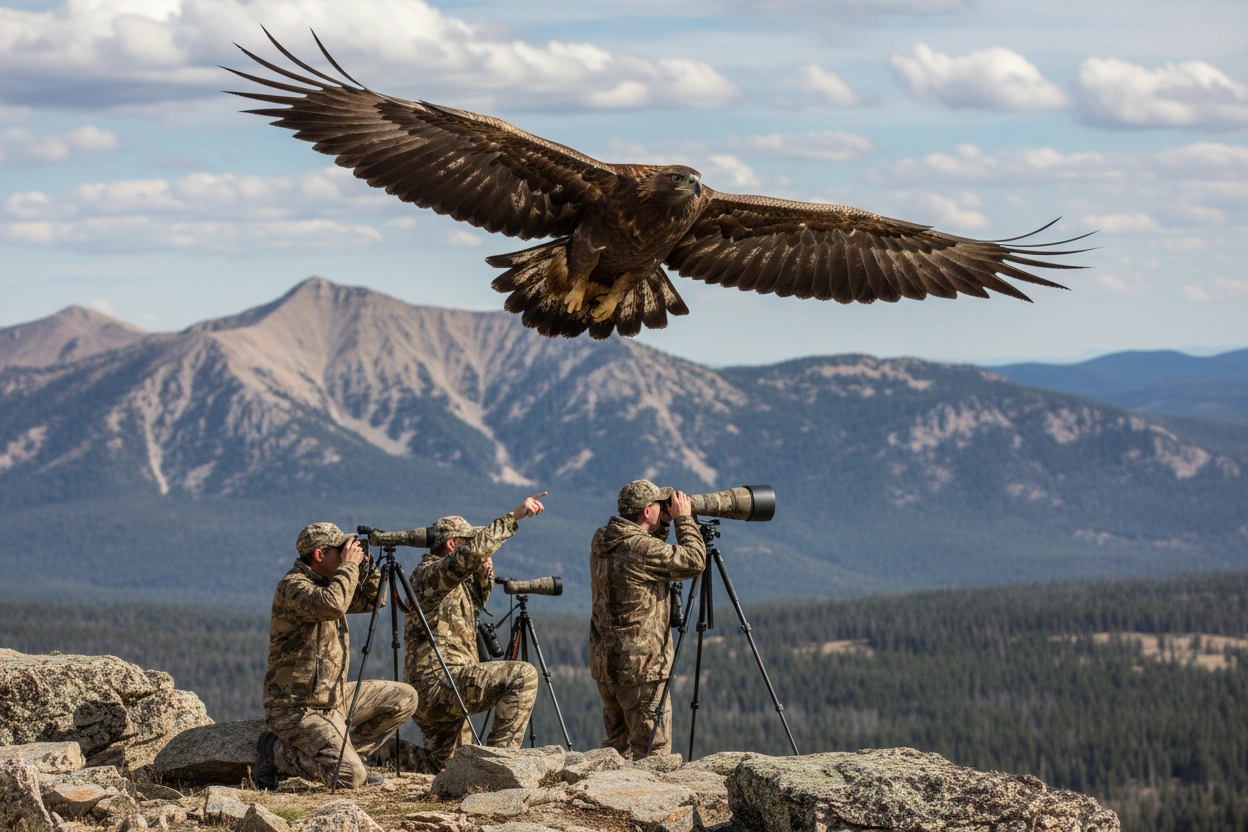
To maximize your birdwatching experience, consider the following tips:
Many people mistakenly believe that all raptors exhibit similar behaviors and characteristics. In reality, different species have unique adaptations and hunting strategies tailored to their environments. For instance, while eagles prefer open areas for soaring, owls are more adapted to hunting in low light conditions.
While Birds of Prey are powerful predators, they generally do not pose a threat to humans. Most raptors prefer to avoid human interaction and will fly away if approached. Understanding their behavior can help dispel these myths and foster a greater appreciation for these remarkable birds.
While some raptor species face threats from habitat loss and environmental changes, many populations are stable or even thriving. Organizations focused on raptor conservation work tirelessly to protect these species, ensuring future generations can enjoy observing them in the wild.
Conservation efforts play a crucial role in preserving the habitats and populations of Birds of Prey. Key initiatives include:
Birdwatchers can contribute by participating in local conservation efforts and advocating for policies that protect wildlife.
Birdwatching is not just a solitary activity; it can also foster community engagement and connection. Joining local birdwatching groups or participating in organized tours can enhance your experience. These groups often share valuable knowledge and provide opportunities to explore new habitats together.
By engaging with the community, birdwatchers can contribute to conservation efforts, participate in citizen science projects, and promote the importance of protecting Birds of Prey and their habitats.
To dive deeper into birdwatching and learn more about the importance of raptors in our ecosystem, consider engaging with organizations like Learn all about Birds, which offers resources and community support for bird enthusiasts.
Birds of Prey are a remarkable aspect of our natural world, and understanding their behaviors, habitats, and conservation needs enriches our birdwatching experiences. By visiting the best birding hotspots, equipping yourself with knowledge, and participating in community efforts, you can enhance your appreciation for these incredible raptors.
For more information on birdwatching tours and resources to help you connect with nature, visit Banana Slug Club. Together, we can make a difference in the conservation of these magnificent creatures and ensure that future generations can enjoy the beauty of Birds of Prey in the wild.
Get free resources, early access to new features and updates.
No spam. Just fun educational emails!


.svg)
.svg)