Creating a Raptor-Friendly Backyard: Attracting Birds of Prey

No items found.
Updated on:
August 17, 2026
Attracting Birds of Prey: Create a Raptor-Friendly Backyard
Updated on:
August 17, 2026

Creating a Raptor-Friendly Backyard: Attracting Birds of Prey

Creating a backyard that attracts birds of prey is not only an enriching experience for birdwatching enthusiasts but also a vital contribution to local ecosystems. Birds of prey, including hawks, owls, and eagles, play a crucial role in maintaining the balance of nature by controlling rodent populations and contributing to biodiversity. In this article, we will explore how to create an environment that welcomes these magnificent birds, delve into their behaviors, and provide actionable insights for fostering a raptor-friendly habitat.

Understanding the Behavior of Raptors

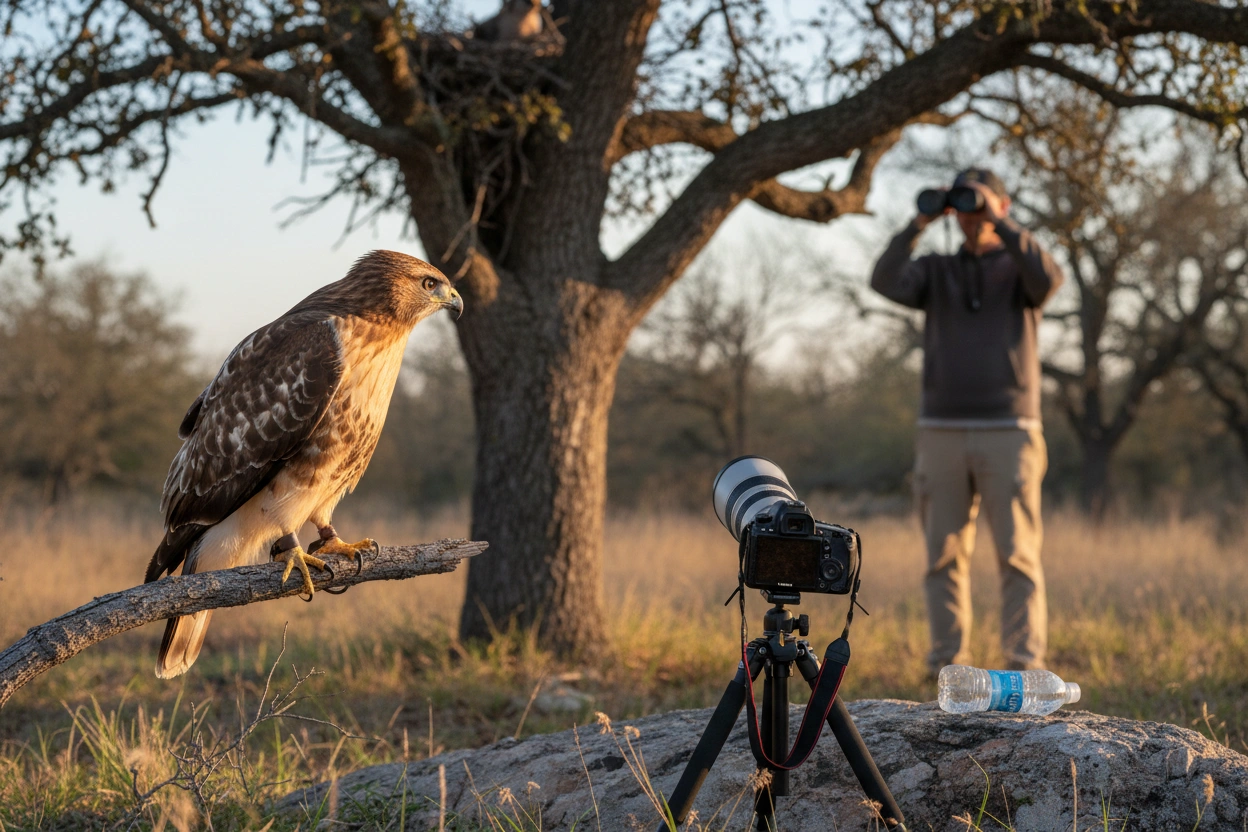
Professional image illustrating Understanding the Behavior of Raptors

To effectively attract birds of prey, it is essential to understand their behavior and ecological needs. Raptors are carnivorous birds known for their keen eyesight, sharp talons, and powerful beaks, which they use to hunt and consume prey. They typically prefer open spaces where they can soar and spot potential food from great distances.

Habitat Preferences

Raptors thrive in diverse habitats, including forests, grasslands, and wetlands. However, the most crucial factor in attracting them to your backyard is providing suitable perches and nesting sites.

  • Perching: Raptors often look for high vantage points to survey their territory. This can be achieved by installing tall poles or planting trees that are at least 15 feet tall.
  • Nesting: Some species prefer to nest in trees, while others may opt for cliffs or man-made structures. Providing nesting platforms can be a great way to encourage them to settle in your area.

Hunting and Feeding Behavior

Birds of prey have specific hunting behaviors that influence their presence in your backyard. Understanding these behaviors can help you create an environment conducive to their needs.
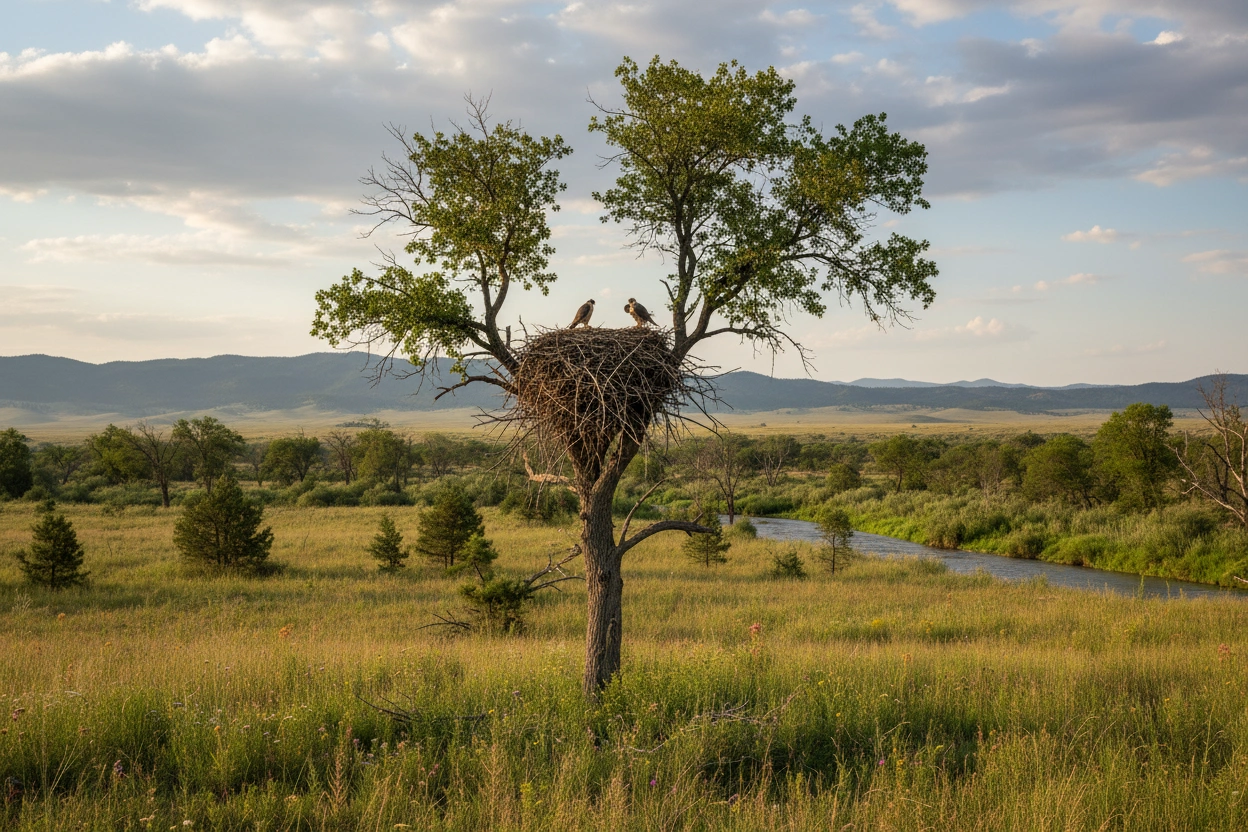
  • Hunting Techniques: Raptors utilize various methods to catch prey, including soaring, hovering, and ambushing. Each species has its preferred technique, which can be influenced by the habitat they inhabit.
  • Feeding Preferences: Most raptors are opportunistic feeders, meaning they will eat whatever prey is available. This includes small mammals, birds, and even insects. By maintaining a healthy ecosystem in your backyard, you can attract the prey that raptors feed on, indirectly enticing them to your space.

Creating an Ideal Habitat for Birds of Prey

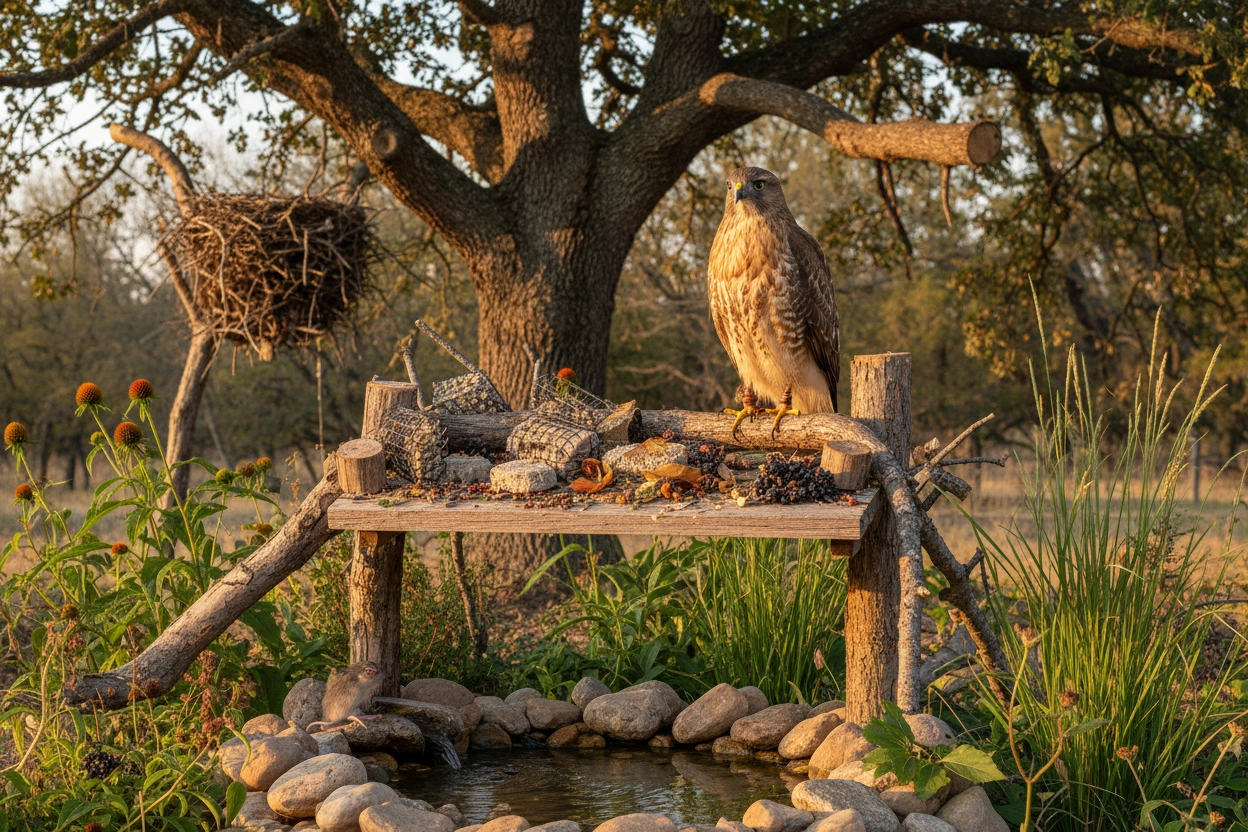
Professional image illustrating Creating an Ideal Habitat for Birds of Prey

To attract birds of prey, you must create an environment that provides food, shelter, and safety. Here are some actionable steps to transform your backyard into a raptor-friendly habitat.

Step 1: Provide Natural Food Sources

An essential factor in attracting birds of prey is ensuring that their food sources are readily available.

  1. Plant Native Flora: Native plants can attract various small mammals and birds, which are primary food sources for many raptors. Research which plants are native to your region and plant them strategically throughout your yard.
  2. Install Bird Feeders: While raptors will not eat from feeders, they will be attracted to the smaller birds that frequent them. Use feeders to create a lively environment that draws in potential prey.
  3. Maintain a Healthy Ecosystem: Encourage a balanced ecosystem by avoiding pesticides and herbicides that can harm not only the prey but also the raptors themselves.

Step 2: Create Suitable Perches and Nesting Areas

Raptors need places to perch and nest, and providing these features can significantly enhance your backyard's appeal.

  • Install Perches: Use tall poles or large rocks to create perches where raptors can rest and scout for prey. Make sure these are positioned in open areas to provide unobstructed views.
  • Build Nesting Platforms: Consider building nesting platforms for species that prefer to nest in trees or on cliffs. These can be as simple as a flat wooden platform secured to a tree branch or a structure mounted on a pole.

Step 3: Ensure Safety and Minimize Disturbances

Safety is paramount for attracting and keeping birds of prey in your backyard.
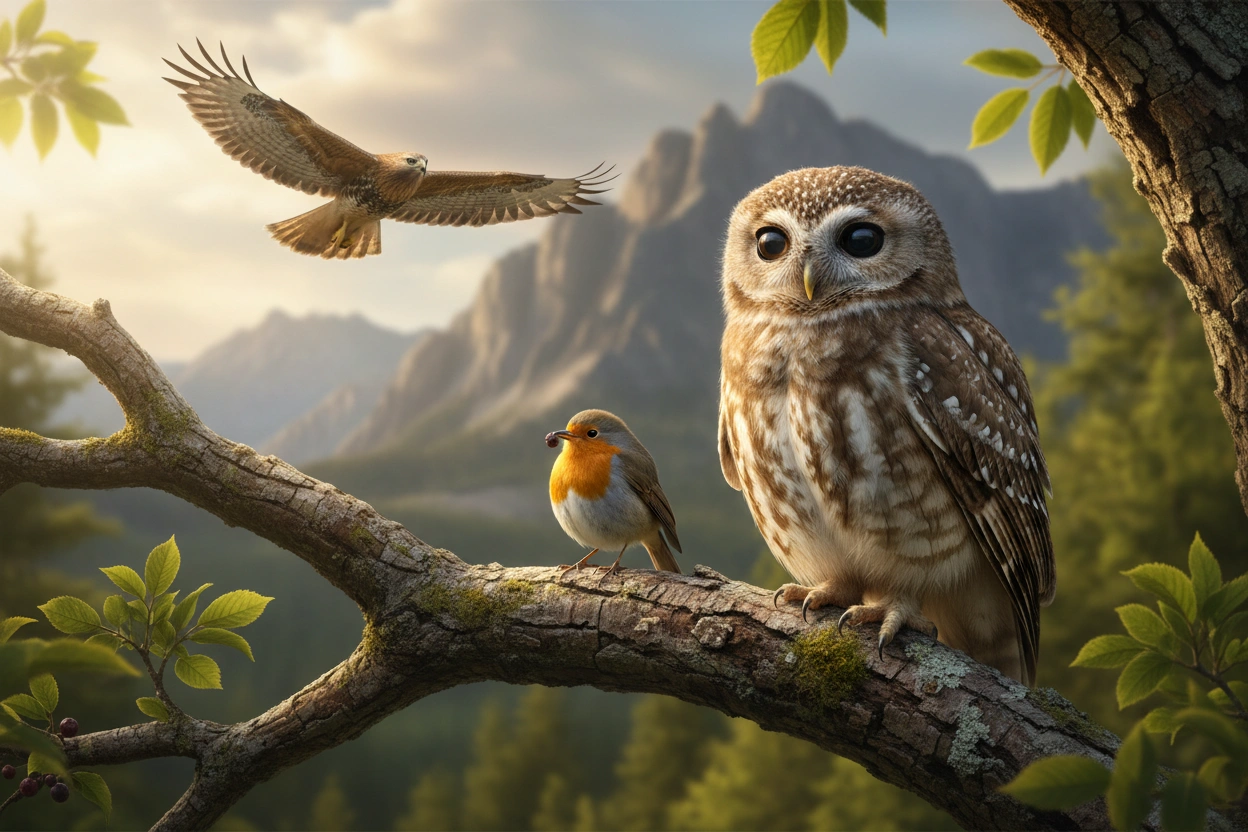
  • Limit Human Activity: Try to minimize disturbances in areas where you have set up perches or nesting sites. Excessive noise or activity can deter raptors from visiting.
  • Control Pets: Keep cats and dogs indoors or supervised while outside. Pets can pose a significant threat to birds of prey and their potential prey.

Common Misconceptions About Birds of Prey

Professional image illustrating Common Misconceptions About Birds of Prey

Despite their majestic presence, there are several misconceptions about birds of prey that can hinder efforts to attract them.

Misconception 1: Birds of Prey Are Dangerous to Humans

Many people fear that raptors are a threat to human safety. In reality, birds of prey are generally wary of humans and will avoid confrontation. They are more likely to fly away than engage unless they feel their young are threatened.

Misconception 2: Only Large Backyards Can Attract Raptors

Even small urban or suburban backyards can attract birds of prey if the right conditions are met. By providing suitable perches, food sources, and nesting areas, you can create a welcoming environment, regardless of the size of your property.

Misconception 3: Raptors Will Overpopulate an Area

While it is true that raptors can establish territories, they are highly territorial creatures. The presence of a few raptors does not mean that they will overpopulate an area. Instead, they help maintain a balanced ecosystem by controlling prey populations.

The Role of Birdwatching Tours in Observing Birds of Prey

Birdwatching tours can be an excellent way to learn more about birds of prey and their behaviors. These tours often provide expert guidance and unique opportunities to observe raptors in their natural habitats.

Benefits of Joining Birdwatching Tours

  • Expert Knowledge: Guides often have extensive knowledge of local species and their behaviors, enhancing your understanding and appreciation of birds of prey.
  • Access to Prime Locations: Tours often take participants to locations that are otherwise inaccessible, providing opportunities to see raptors in action.
  • Community Engagement: Joining a birdwatching tour can connect you with like-minded individuals who share your passion for avian life and conservation.

How to Choose the Right Tour

When selecting a birdwatching tour, consider the following factors:

  1. Reputation: Research the tour company and read reviews to ensure they are reputable and knowledgeable.
  2. Focus on Birds of Prey: Some tours specialize in raptors, while others may cover a broader range of bird species. Choose one that aligns with your interests.
  3. Duration and Difficulty: Consider your physical ability and the amount of time you want to spend. Some tours can be rigorous, while others are more relaxed.

Conclusion: Fostering a Raptor-Friendly Environment

Creating a backyard that attracts birds of prey is a rewarding endeavor that benefits both the local ecosystem and your personal enjoyment. By understanding raptor behavior, providing suitable habitats, and dispelling common misconceptions, you can create a welcoming environment for these incredible birds.

Banana Slug Club is dedicated to promoting wildlife conservation and education, and we encourage you to apply the insights you've gained about attracting birds of prey in your backyard. If you want to learn more about how you can enhance your birdwatching experience and contribute to local wildlife, visit Banana Slug Club for resources and community events. Together, we can foster a deeper appreciation for our feathered friends and help protect the environment they inhabit.

Join the Banana Slug Club!

Get free resources, early access to new features and updates.
No spam. Just fun educational emails!