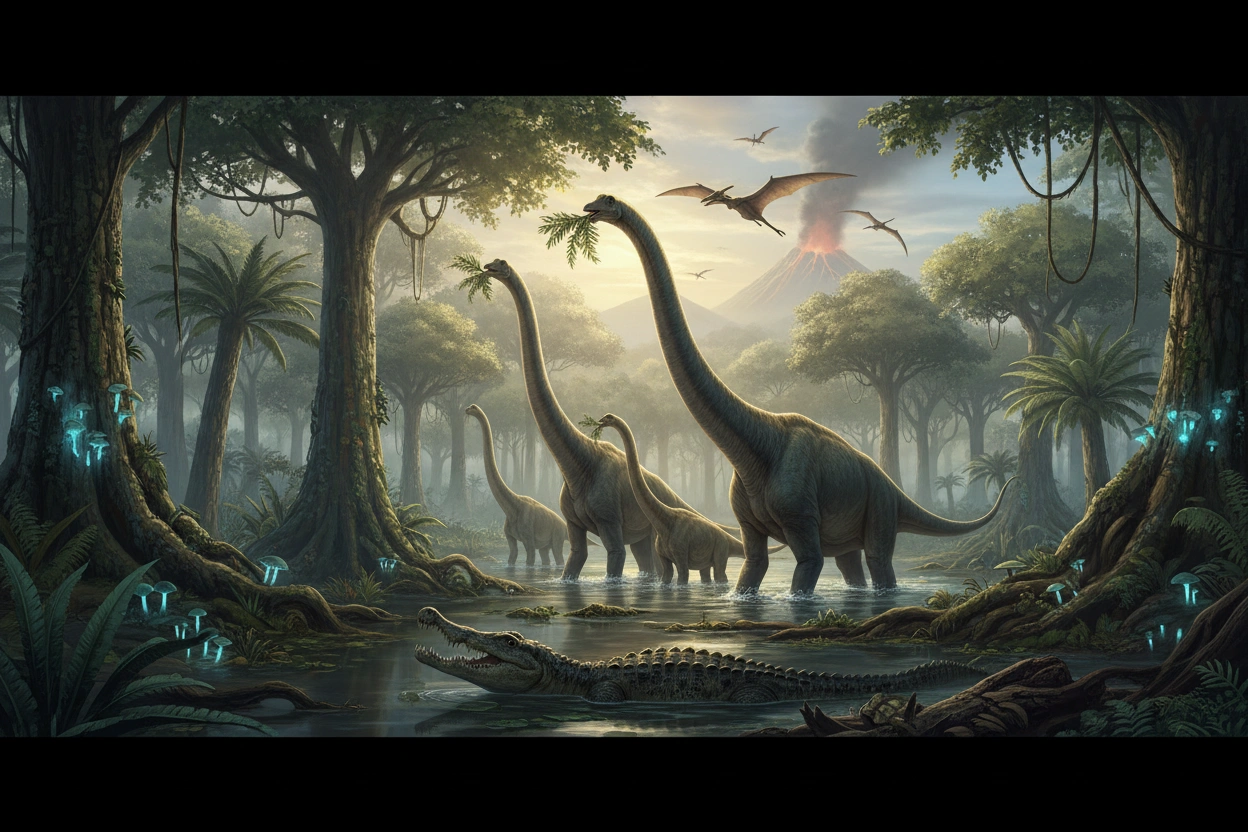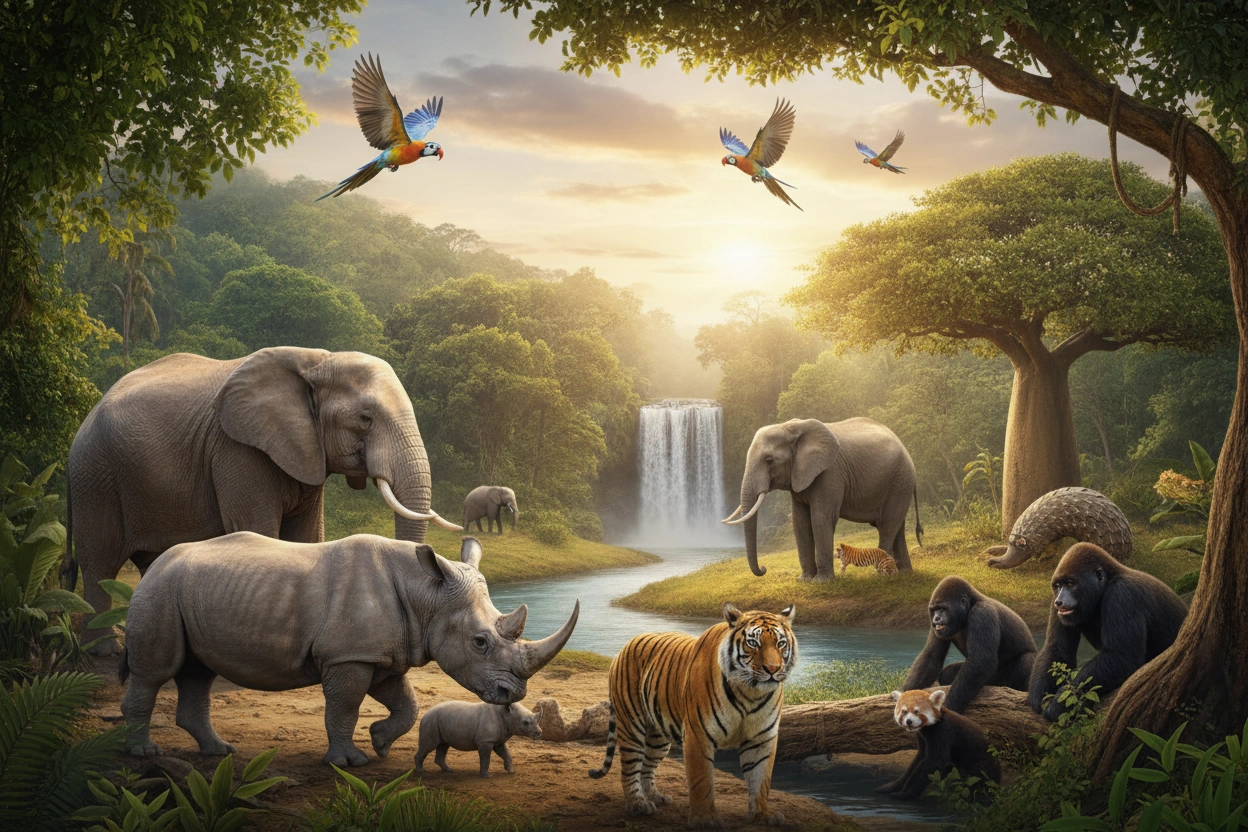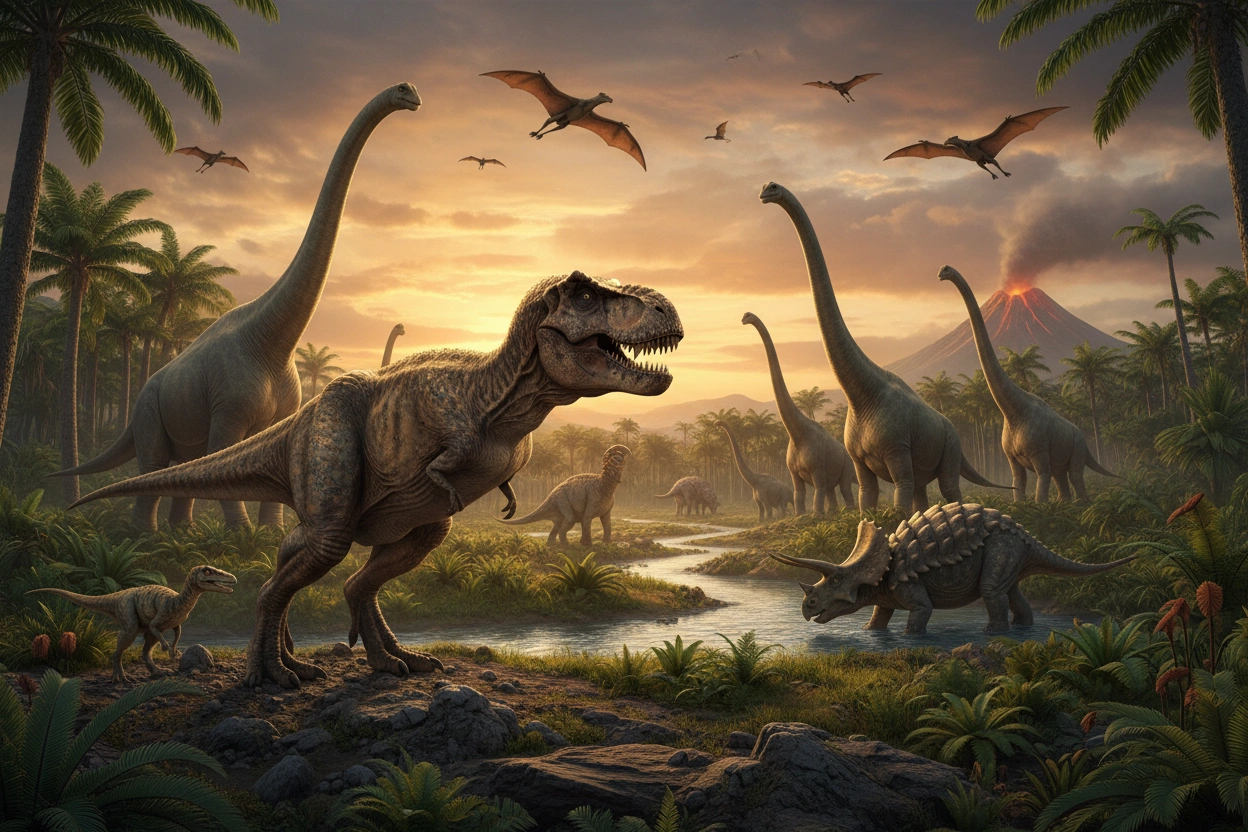
Prehistoric animals have long captivated the imagination of scientists and enthusiasts alike. These ancient wildlife creatures, which roamed the Earth millions of years ago, showcase the remarkable diversity and adaptability of life. Understanding these fascinating beings not only enriches our knowledge of natural history but also provides insights into the evolution of modern species. In this article, we will explore ten incredible prehistoric animals that once ruled the planet, their unique characteristics, and the environments they inhabited.
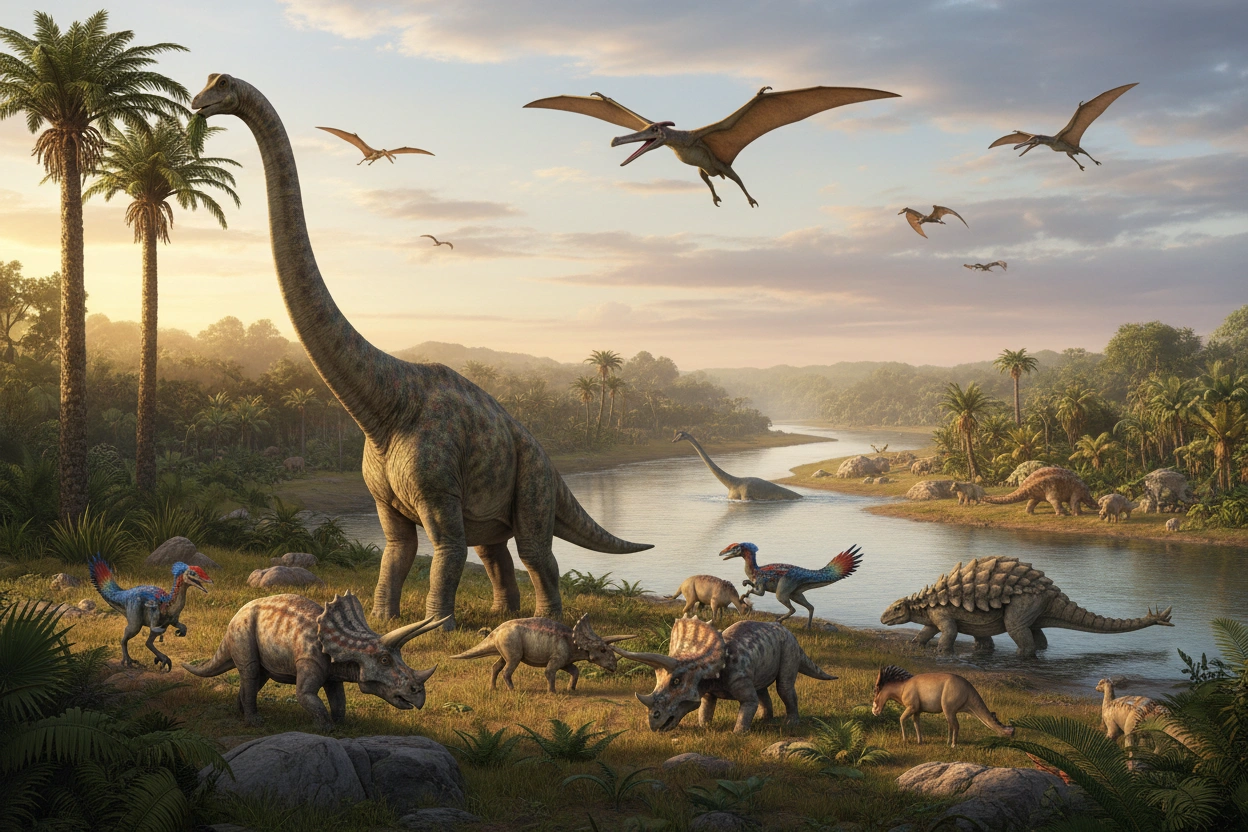
The era of prehistoric animals spans millions of years, marked by significant evolutionary changes and the rise and fall of various species. From the majestic dinosaurs to the terrifying marine reptiles, these animals adapted to their surroundings in remarkable ways. The study of these creatures helps us understand the climatic and ecological shifts that have shaped life on Earth.
Prehistoric animals exhibited a range of features that were often adapted to their environments:
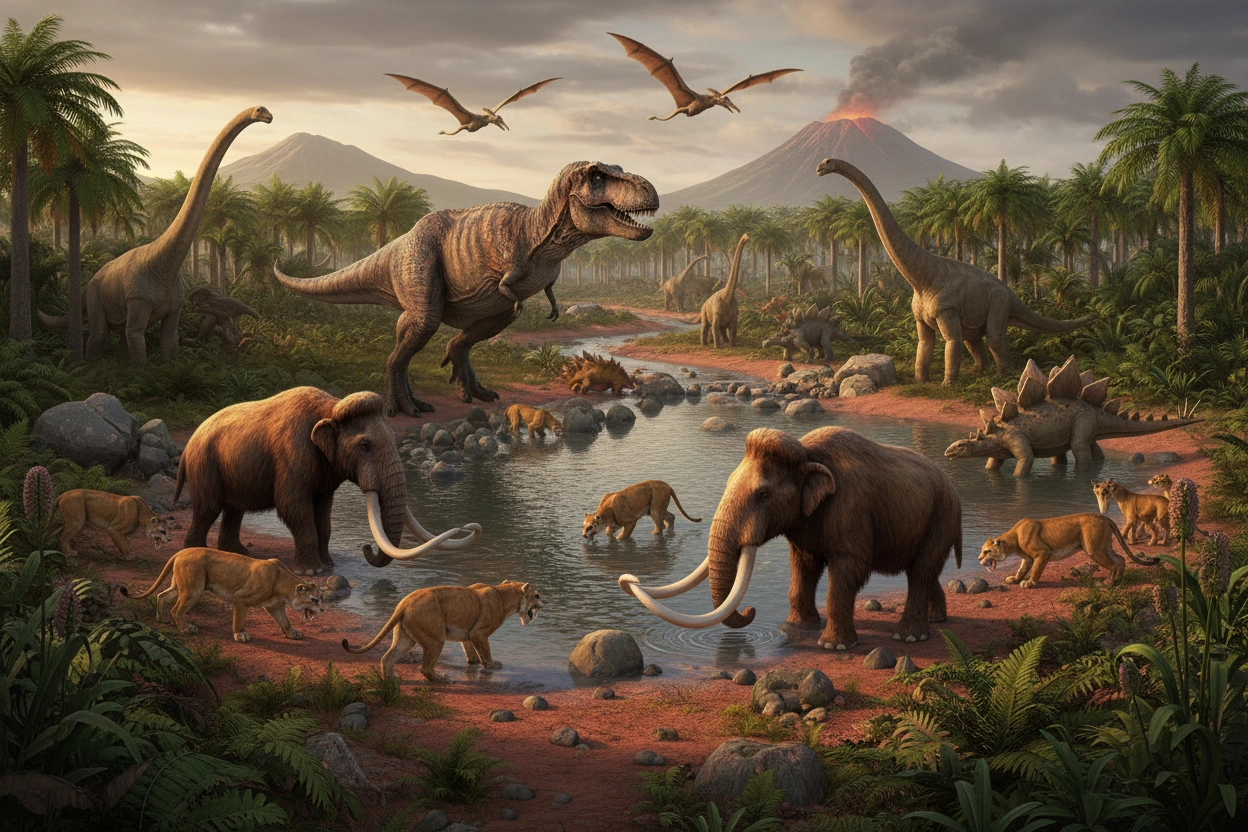
Here are ten of the most fascinating prehistoric animals that once roamed the Earth, showcasing their diversity and unique adaptations.
The Tyrannosaurus rex, often referred to as T. rex, is perhaps the most famous of all prehistoric animals. This formidable predator, which lived approximately 68 to 66 million years ago during the Late Cretaceous period, was characterized by its massive skull, powerful jaws, and strong hind limbs.
The Woolly Mammoth roamed the Earth during the Pleistocene epoch and is one of the most recognizable prehistoric animals. This large herbivore adapted to cold environments and had long, curved tusks.
Often mistaken for a true cat, the Saber-toothed Cat, or Smilodon, was a large predator that thrived in North and South America during the Pleistocene.
The Triceratops is one of the most iconic dinosaurs, known for its three distinctive facial horns and large bony frill. This herbivorous dinosaur lived during the Late Cretaceous period.
Pteranodon was a flying reptile that lived during the Late Cretaceous period. With a wingspan that could exceed 30 feet, it is one of the largest known flying animals.
The Megatherium, or giant ground sloth, lived in South America during the Pleistocene. This enormous herbivore could weigh up to 4 tons and measure over 13 feet in length.
Dunkleosteus was a prehistoric fish that lived during the late Devonian period, approximately 358 to 382 million years ago. It is considered one of the largest placoderm fish known.
Argentinosaurus is one of the largest known dinosaurs, believed to have lived during the Late Cretaceous period in what is now Argentina. This massive herbivore could reach lengths of over 100 feet.
Ichthyosaurus was a marine reptile that lived during the Mesozoic era, known for its fish-like body and long snout filled with sharp teeth.
Mastodons were prehistoric mammals similar to elephants, living in North America and parts of Eurasia during the Pleistocene epoch. They are often confused with Woolly Mammoths but had distinct features.
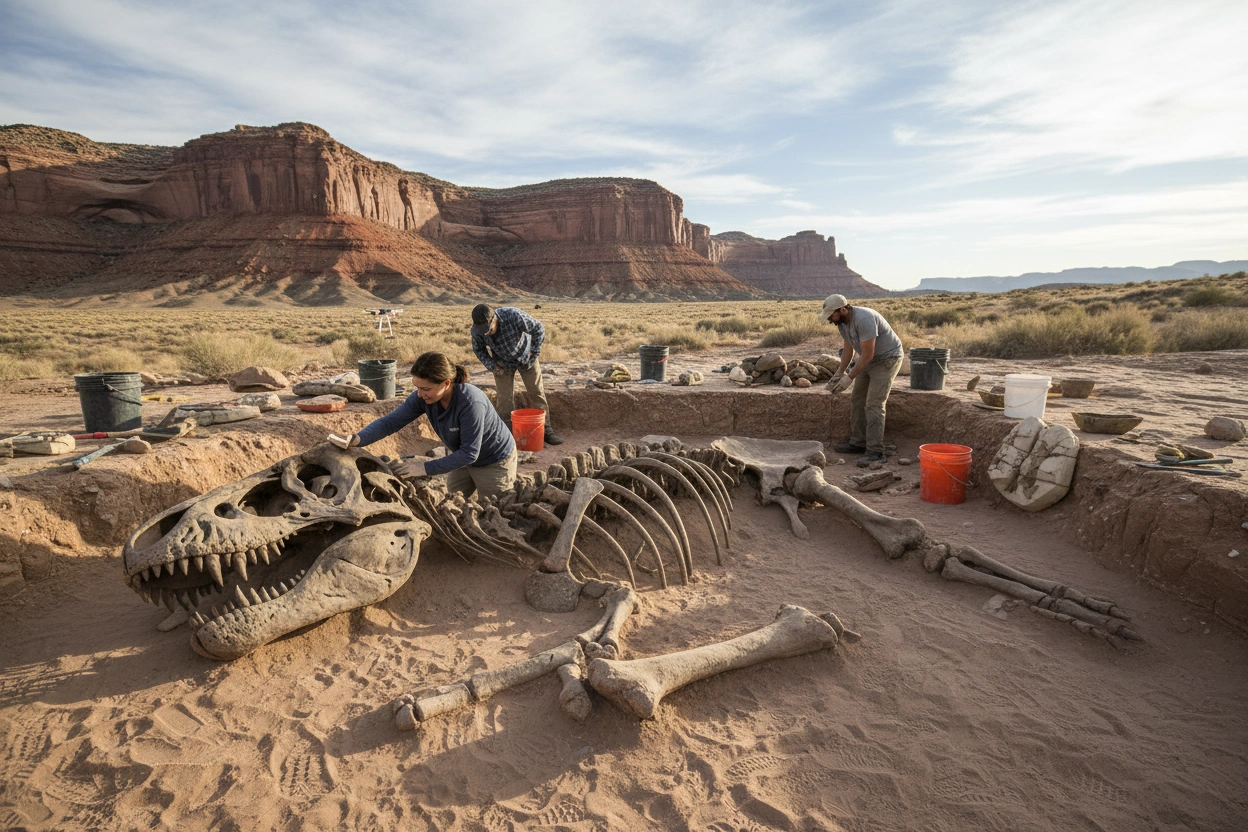
Understanding prehistoric animals provides valuable insights into the evolution of life on Earth. These creatures serve as a reminder of the planet's dynamic history and the impact of environmental changes on biodiversity. Studying their adaptations can inform conservation efforts for modern species facing similar challenges.
There are several misconceptions surrounding prehistoric animals that can distort public understanding:
Paleontology, the study of ancient life through fossils, plays a crucial role in our understanding of prehistoric animals. By examining fossilized remains, scientists can reconstruct past environments, understand evolutionary processes, and gain insights into the behaviors of these ancient creatures.
The study of prehistoric animals not only enhances our understanding of the past but also informs modern conservation efforts. As contemporary species face increasing threats from climate change and habitat loss, lessons from the past can guide effective strategies for preserving biodiversity.
Banana Slug Club is dedicated to educating the public about the importance of wildlife conservation, including the lessons learned from prehistoric animals. By understanding the factors that led to the extinction of these magnificent creatures, we can better appreciate the delicate balance of ecosystems and the need for proactive measures to protect current wildlife.
As you explore the fascinating world of prehistoric animals, consider how Banana Slug Club can support your journey. Whether you are interested in learning more about wildlife conservation, engaging in community activities, or exploring educational resources, we offer a variety of opportunities to deepen your knowledge and involvement.
To learn more about our initiatives and how you can contribute, visit Banana Slug Club today. Together, we can make a positive impact on preserving the rich tapestry of life on our planet.
Get free resources, early access to new features and updates.
No spam. Just fun educational emails!


.svg)
.svg)