The study of prehistoric animals provides a fascinating glimpse into the past, revealing not just the diversity of life that once roamed the Earth, but also the evolutionary pathways that have shaped modern ecosystems. Understanding these ancient wildlife not only captivates our imagination but also informs our comprehension of understanding of extinct life. This article explores the top ten prehistoric animals that have significantly impacted our understanding of extinct life, showcasing their unique characteristics and the roles they played in their respective ecosystems.

The Tyrannosaurus Rex, often simply referred to as T. rex, is perhaps the most iconic of all prehistoric animals. This massive theropod dinosaur, which lived approximately 68 to 66 million years ago during the late Cretaceous period, has become a symbol of prehistoric life due to its formidable size and reputation as a top predator. Standing at around 12 feet tall and measuring up to 40 feet in length, T. rex possessed powerful jaws filled with serrated teeth capable of crushing bone.
The significance of T. rex extends beyond its size and predatory prowess; it has been instrumental in shaping our understanding of dinosaur behavior, physiology, and evolution. Fossil evidence suggests that T. rex was not just a scavenger but an active hunter, which has implications for how we perceive predator-prey dynamics in prehistoric ecosystems. Additionally, studies of its bone structure indicate that T. rex may have been warm-blooded, challenging previous notions about dinosaur metabolism.
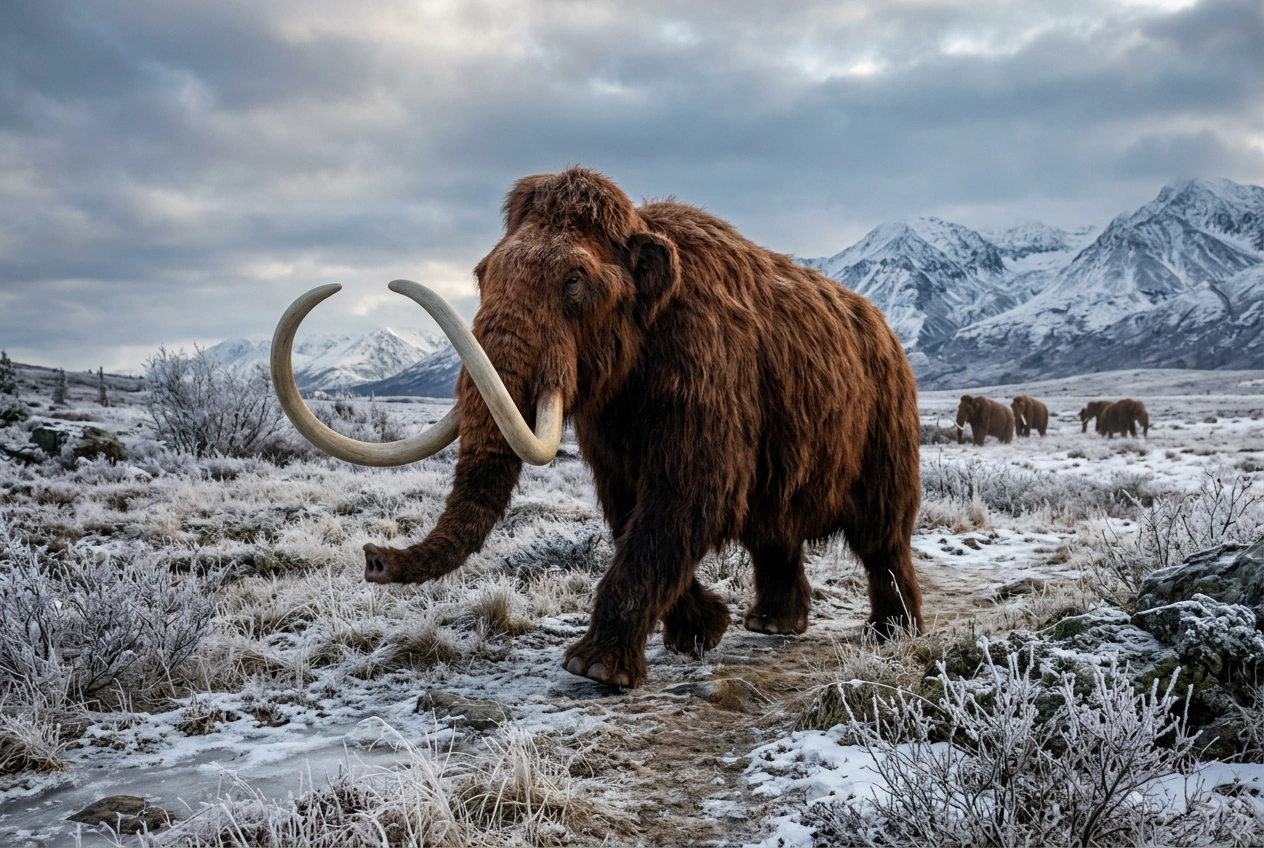
Mammoths are a prime example of prehistoric animals that thrived during the Ice Age. These massive relatives of modern elephants roamed the northern parts of North America, Europe, and Asia, adapting to cold environments with their long fur and fat layers. The most well-known species, the woolly mammoth, stood about 13 feet tall and had long, curved tusks that could reach up to 15 feet in length.
The extinction of mammoths around 4,000 years ago has been a focal point for scientists studying climate change and human impact on megafauna. Their remains, often found frozen in permafrost, provide valuable insights into the ecosystems of the Pleistocene epoch. Research into their diet through isotopic analysis of their bones has revealed how they adapted to changing vegetation patterns as the climate warmed. extinction offers lessons on the effects of climate change.
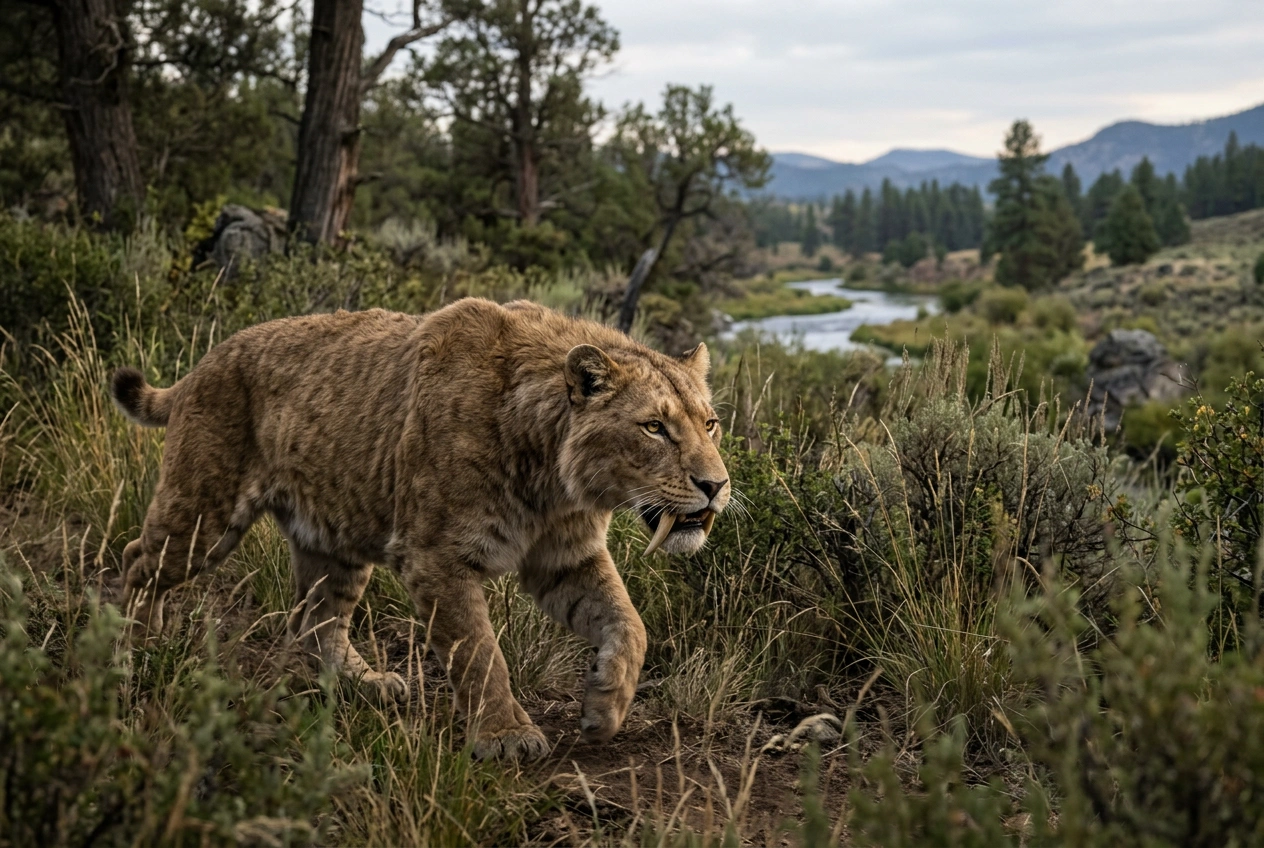
The saber-toothed cat, or Smilodon, is one of the most recognizable prehistoric animals due to its elongated canine teeth, which could grow over 8 inches long. These formidable predators lived in North America and parts of South America during the Pleistocene epoch. Their robust build and powerful limbs suggest they were ambush hunters, preying on large herbivores.
Fossil evidence has revealed much about saber-toothed cats' social structures, with some findings indicating that they may have hunted in packs. This discovery challenges earlier views of solitary hunting strategies among large predators. Additionally, studies of their dental wear patterns provide insights into their feeding habits and ecological roles, illustrating their importance in maintaining the balance of prehistoric ecosystems.
Trilobites are among the earliest known complex life forms, flourishing in the oceans during the Paleozoic era, roughly 520 million years ago. These arthropods had a distinct three-lobed body plan, which has made them a favorite among paleontologists. Over 20,000 species of trilobites have been identified, showcasing a remarkable diversity of forms and sizes.
The evolutionary significance of trilobites lies in their role as indicators of environmental changes and their contributions to the understanding of early marine ecosystems. Their fossilized remains serve as valuable biostratigraphic markers, helping scientists date geological layers and understand the history of life on Earth. Furthermore, their various adaptations to different ecological niches provide insights into the process of evolution itself.
Archaeopteryx is often heralded as the "first bird," bridging the gap between reptiles and modern birds. Living approximately 150 million years ago during the late Jurassic period, this small dinosaur had feathers and wings, yet retained many characteristics of its theropod ancestors. The discovery of Archaeopteryx fossils has been pivotal in understanding the evolution of flight and the origins of birds.
The significance of Archaeopteryx extends beyond its anatomical features; it has provided crucial evidence for the theory of evolution. Its transitional characteristics have been used to illustrate the gradual changes that occurred over millions of years, reinforcing Darwinian concepts. The study of Archaeopteryx continues to shed light on avian evolution and the adaptations necessary for flight.
Megatherium, commonly known as the giant ground sloth, lived in South America during the Pleistocene epoch. This enormous herbivore could grow up to 20 feet long and weighed over 4,000 pounds. Its size and unique adaptations make it a fascinating subject of study in paleontology.
The extinction of Megatherium has provided insights into the impact of human activities on large mammals. As early humans migrated to the Americas, evidence suggests they may have hunted these massive creatures, contributing to their decline. The study of Megatherium fossils has also helped scientists understand the dietary habits and ecological roles of large herbivores in prehistoric ecosystems. insights into the interactions between climate change and megafauna.
The dodo, a flightless bird native to Mauritius, became extinct in the late 17th century due to human activities and introduced species. Although relatively recent in geological terms, the dodo has become a symbol of extinction and the fragility of ecosystems. This unique bird, which stood about 3 feet tall, had no natural predators before human arrival, leading to its inability to adapt to new threats.
The extinction of the dodo has sparked discussions about conservation and the importance of biodiversity. Its story emphasizes the consequences of human impact on ecosystems and serves as a cautionary tale for modern conservation efforts. The dodo's remains have provided valuable insights into island ecology and the dynamics of species extinction.
The woolly rhinoceros was a large herbivore that roamed the tundra regions of Europe and Asia during the Pleistocene epoch. Adapted to cold environments, this species had a thick coat of fur and a layer of fat to insulate against the harsh climate. Standing about 6 feet tall at the shoulder, it could weigh over 2,000 pounds.
Fossils of woolly rhinoceroses have been found in various locations, often preserved in permafrost, providing insights into their diet and behavior. The study of their remains has helped scientists understand the interactions between climate change and megafauna, as well as the implications of habitat loss. Their extinction, likely driven by a combination of climate change and human hunting, underscores the vulnerability of large herbivores in changing environments. importance of preserving biodiversity.
Plesiosaurs were marine reptiles that lived during the Mesozoic era, known for their distinctive long necks and small heads. These prehistoric animals thrived in oceans, with some species growing up to 40 feet long. Their unique body structure has sparked debates about their swimming capabilities and ecological roles.
The study of plesiosaur fossils has provided insights into marine ecosystems of the past. Their diverse forms indicate a variety of feeding strategies, from filter-feeding to predation. Understanding plesiosaurs contributes to our knowledge of marine reptile evolution and the dynamics of ancient ocean environments.
Glyptodon was a large, armored mammal resembling a giant armadillo, which roamed the grasslands of South America during the Pleistocene epoch. These prehistoric animals were covered in a protective shell and could weigh over 2,000 pounds. Glypton's unique adaptations make it a subject of interest in understanding prehistoric herbivores.
The extinction of Glyptodon, likely due to a combination of climate change and human activity, highlights the impact of environmental changes on large mammals. Studies of their fossils have provided insights into their diet, habitat preferences, and interactions with other species. Glyptodon serves as a reminder of the delicate balance within ecosystems and the importance of conservation efforts.
The exploration of these ten prehistoric animals reveals the intricate web of life that once existed on Earth and highlights the lessons we can learn from their extinction. By studying these ancient wildlife, we gain insights into the dynamics of evolution, the consequences of climate change, and the importance of preserving biodiversity.
As we continue to learn from the past, organizations like Banana Slug Club are dedicated to fostering awareness about conservation and protecting the planet's remaining biodiversity. Understanding the lessons from prehistoric life can inspire us to take action in safeguarding our environment today. contribute to conservation efforts.
Get free resources, early access to new features and updates.
No spam. Just fun educational emails!