The world of prehistoric animals is a fascinating one, filled with creatures that once roamed the Earth long before humans came into existence. Understanding these ancient wildlife not only illuminates the history of our planet but also offers insights into the evolution of modern species. As we delve into the unique characteristics and adaptations of prehistoric animals, we can draw parallels to contemporary wildlife, enriching our appreciation for biodiversity. This exploration serves as a reminder of the intricate web of life that has evolved over millions of years.
In this article, we will uncover the top ten most fascinating extinct animals you should know about. Each of these prehistoric animals played a significant role in their ecosystems and provides valuable lessons about adaptation, survival, and extinction.
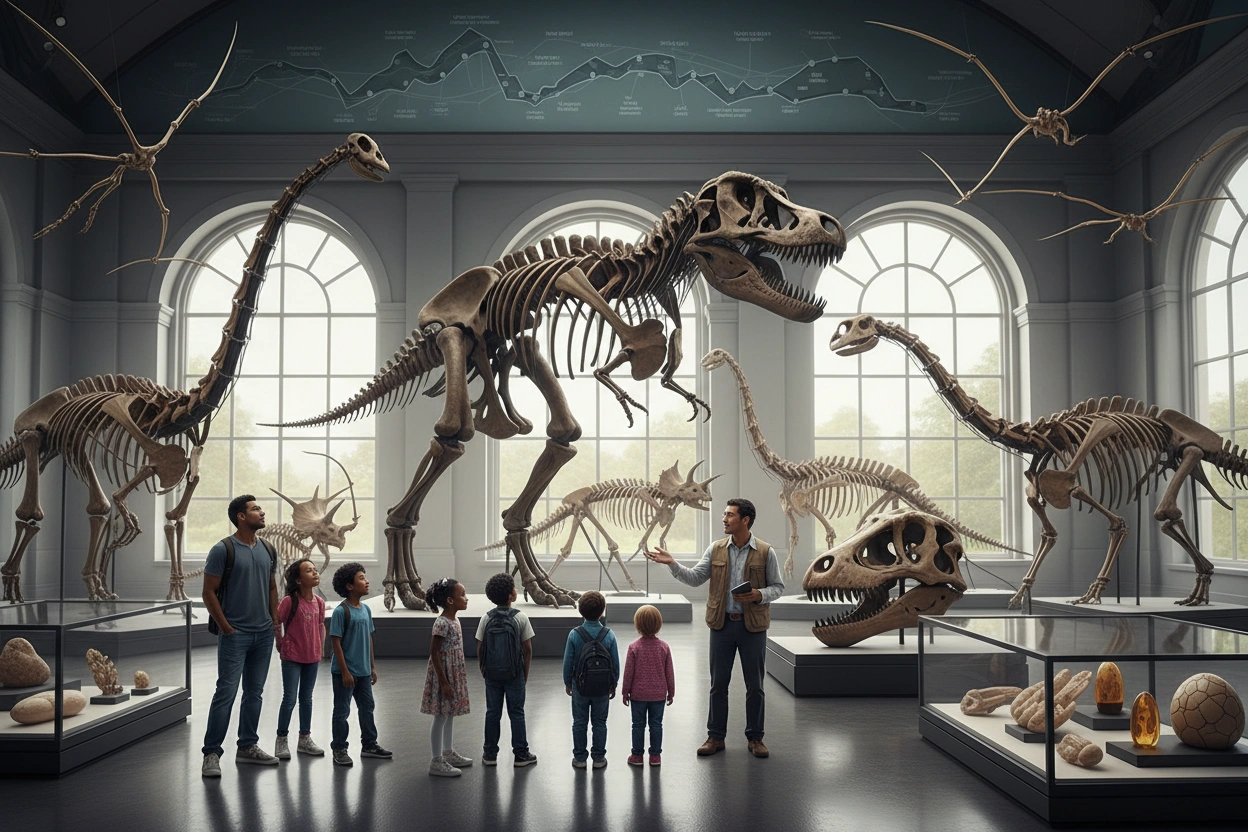
Studying prehistoric animals is crucial for understanding evolutionary processes. The fossil record reveals how species adapted to their environments over time, showcasing the diversity of life forms that once existed. For instance, the transition from aquatic to terrestrial life is exemplified by the evolution of tetrapods, which emerged from fish ancestors. By examining these evolutionary changes, scientists can better understand the mechanics of natural selection and speciation.
The extinction of many prehistoric animals serves as a stark reminder of the fragility of ecosystems. By analyzing the factors that led to their demise, such as climate change, habitat loss, and human impact, we can gain insights into the challenges faced by modern species. This knowledge is vital for conservation efforts today, as it emphasizes the importance of protecting existing wildlife and their habitats. The influence of prehistoric animals on human evolution and culture is a key area of study that highlights these connections.
Woolly Mammoth (Mammuthus primigenius)
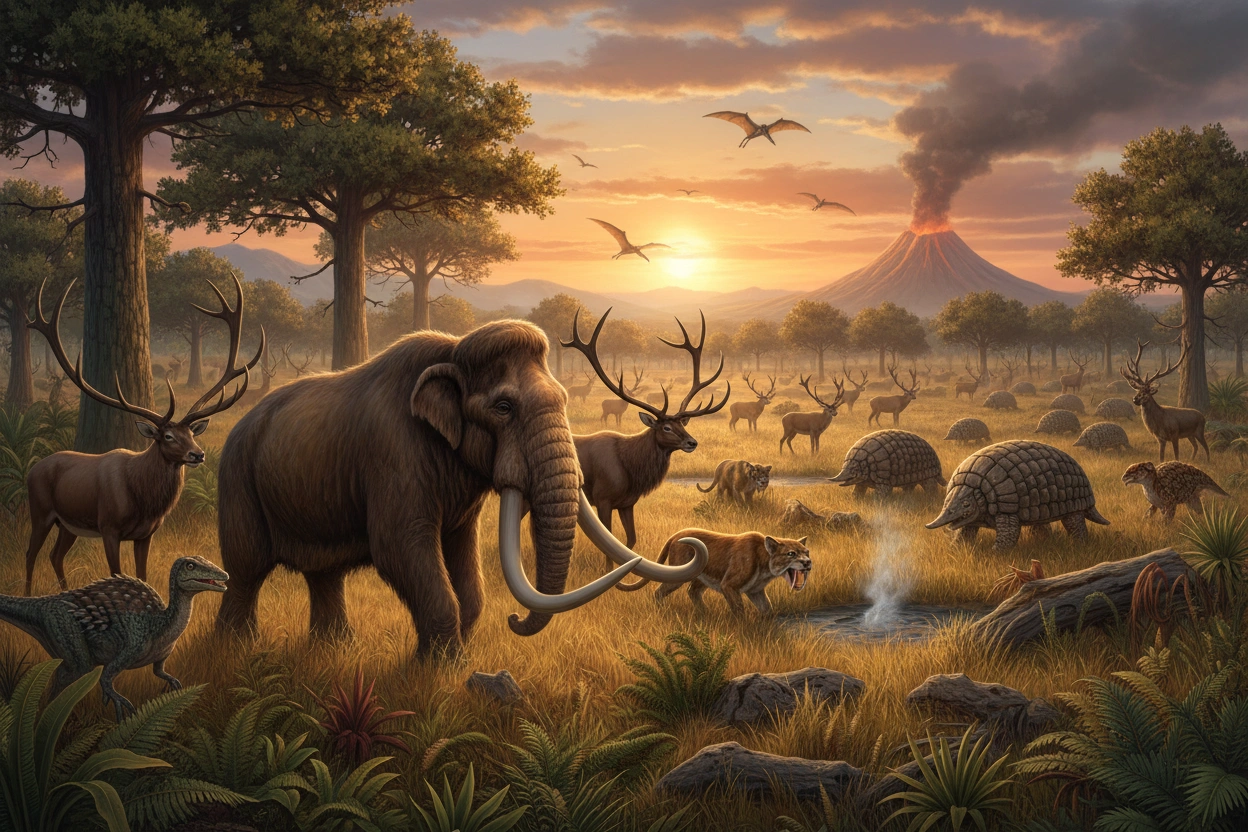
Woolly mammoths are perhaps the most iconic prehistoric animals. These massive creatures roamed the northern parts of North America, Europe, and Asia during the last Ice Age. Their long, curved tusks and thick fur helped them survive in cold climates. Despite their size, they were herbivores, primarily feeding on grasses and shrubs. The extinction of woolly mammoths is attributed to a combination of climate change and hunting by early humans.
Saber-Toothed Tiger (Smilodon)
Often mischaracterized as a tiger, the saber-toothed tiger was actually a member of the cat family known for its elongated canine teeth. These formidable predators lived in North America and South America during the Pleistocene epoch. Their physical adaptations suggest they hunted large prey, such as bison and camels. The reasons for their extinction remain debated, but climate change and competition with other predators are likely factors.
Dodo (Raphus cucullatus)
The dodo is a symbol of extinction due to human activity. Native to the island of Mauritius, this flightless bird was hunted to extinction by sailors and invasive species introduced to its habitat. The dodo's extinction highlights the impact of human colonization on isolated ecosystems and serves as a cautionary tale for modern conservation efforts.
Megalodon (Carcharocles megalodon)
The megalodon was one of the largest predators to ever inhabit the oceans, reaching lengths of up to 60 feet. This prehistoric shark lived approximately 23 to 3.6 million years ago. Its size and powerful jaws allowed it to prey on large marine animals, including whales. Although its extinction is still a subject of research, changes in ocean temperatures and the decline of its prey are believed to have contributed.
Triceratops (Triceratops horridus)
As one of the most recognizable dinosaurs, the triceratops was a herbivorous dinosaur known for its three distinct facial horns and large bony frill. It roamed North America during the late Cretaceous period. The triceratops likely used its horns for defense against predators and in mating displays. Its extinction, along with that of other dinosaurs, is attributed to a massive asteroid impact and volcanic activity.
Irish Elk (Megaloceros giganteus)
The Irish elk is notable for its enormous antlers, which could span up to 12 feet. This prehistoric deer lived in Europe and Asia during the last Ice Age. The Irish elk adapted to various habitats, from forests to grasslands. Climate change and habitat alteration are believed to have played a significant role in its extinction.
Woolly Rhinoceros (Coelodonta antiquitatis)
Similar to the woolly mammoth, the woolly rhinoceros was adapted to cold environments. It roamed the tundras of Europe and Asia during the Pleistocene epoch. Its thick fur and large size helped it survive harsh climates. Like many other prehistoric animals, it faced extinction due to a combination of climate change and human hunting.
Pterosaur (Pterosauria)
Pterosaurs were flying reptiles that lived alongside the dinosaurs. They varied greatly in size, with some species having wingspans of over 30 feet. While not technically dinosaurs, pterosaurs are often associated with them. Their extinction occurred around the same time as the dinosaurs, likely due to the same catastrophic events.
Mastodon (Mastodon americanum)
Similar in appearance to the woolly mammoth, the mastodon was a large, prehistoric elephant that lived in North America. Mastodons had distinctively shaped teeth that were well-suited for browsing on shrubs and trees. Their extinction is attributed to climate change and human hunting, similar to the woolly mammoth.
Gastornis (Gastornithidae)
Gastornis was a large flightless bird that lived in Europe and North America during the Paleocene and Eocene epochs. Standing up to 8 feet tall, it was likely an herbivore, feeding on plants. The reasons for its extinction remain unclear, but changing climates and ecosystems may have played a role.
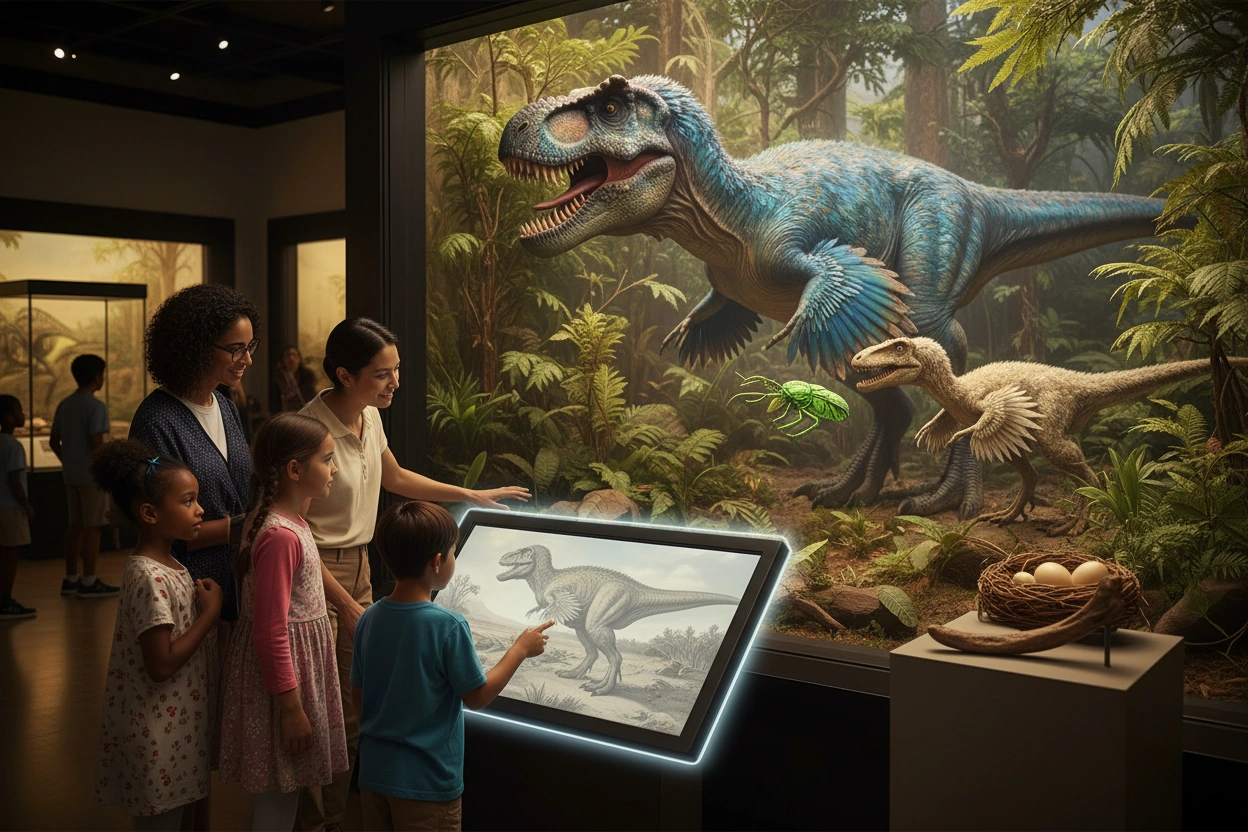
One common misconception is that all prehistoric animals were gigantic. While some, like the megalodon and woolly mammoth, were indeed large, many prehistoric animals were similar in size to modern species. Additionally, behaviors attributed to these animals are often exaggerated. For example, the idea that all dinosaurs were ferocious predators ignores the fact that many were herbivorous or omnivorous.
Another misconception is that climate change is a modern phenomenon. In reality, prehistoric animals faced significant climate shifts that contributed to their extinction. Understanding these past events can provide context for contemporary discussions about climate change and its impact on biodiversity.
Explore Fossil Sites
Visiting fossil sites or museums dedicated to paleontology can provide firsthand experience with ancient wildlife. Many museums offer interactive exhibits that engage visitors in the history of prehistoric animals.
Engage with Online Resources
Numerous online platforms and databases are dedicated to paleontology. These resources can provide valuable information, including research articles, documentaries, and virtual tours of fossil sites.
Participate in Citizen Science Projects
Many organizations allow individuals to contribute to paleontological research. Participating in citizen science projects can deepen your understanding of prehistoric animals while contributing to scientific knowledge.
Read Books and Journals on Paleontology
Engaging with literature on prehistoric animals can enhance your understanding. Look for books authored by renowned paleontologists or peer-reviewed journals that discuss recent findings and theories.
Understanding prehistoric animals can significantly influence modern conservation efforts. By examining the factors that led to their extinction, scientists and conservationists can develop strategies to protect contemporary species. The lessons learned from the past are invaluable in addressing current environmental challenges.
Conservation strategies must be adaptive, considering the ever-changing climate and human impacts on ecosystems. Researchers emphasize the importance of protecting biodiversity as a means of ensuring ecosystem resilience. For example, preserving habitats that support a wide variety of species can help maintain ecological balance, similar to how prehistoric ecosystems functioned.
Community involvement is critical in conservation. Educating the public about the importance of protecting wildlife and their habitats can foster a culture of stewardship. Initiatives that involve local communities in conservation efforts not only empower individuals but also create a sense of ownership over natural resources.
As we explore the rich tapestry of prehistoric animals, we gain insights into the evolutionary processes that have shaped the modern species we see today. The extinction events that have occurred throughout history serve as powerful reminders of the delicate balance of ecosystems and the impacts of environmental changes.
In this light, organizations like Banana Slug Club play a vital role in fostering a deeper understanding of wildlife, both ancient and modern. By promoting education and awareness, they empower individuals to take action in conservation efforts, ensuring the survival of species for future generations.
Engaging with the legacy of prehistoric animals not only enriches our knowledge of biodiversity but also inspires a commitment to preserving the planet's natural heritage. If you’re interested in learning more about how you can contribute to wildlife conservation, consider exploring the resources offered by Banana Slug Club.
Understanding prehistoric animals provides a unique lens through which to view the natural world and the challenges it faces today. By exploring the fascinating history of these creatures, we can better appreciate the importance of conservation and the protection of modern species.
If you’re passionate about wildlife and want to get involved in conservation efforts, visit Banana Slug Club for resources, community events, and educational opportunities. Your involvement can make a difference in preserving the rich biodiversity of our planet.
Get free resources, early access to new features and updates.
No spam. Just fun educational emails!


.svg)
.svg)