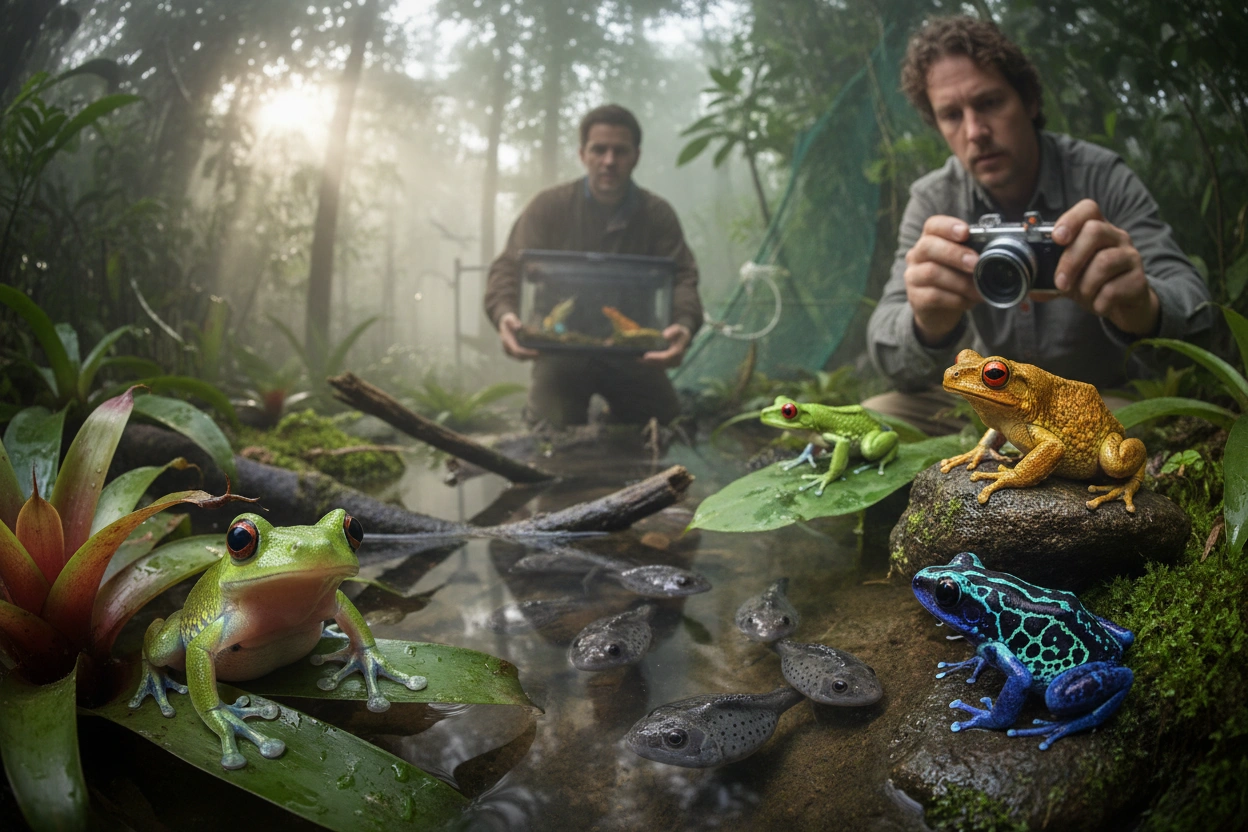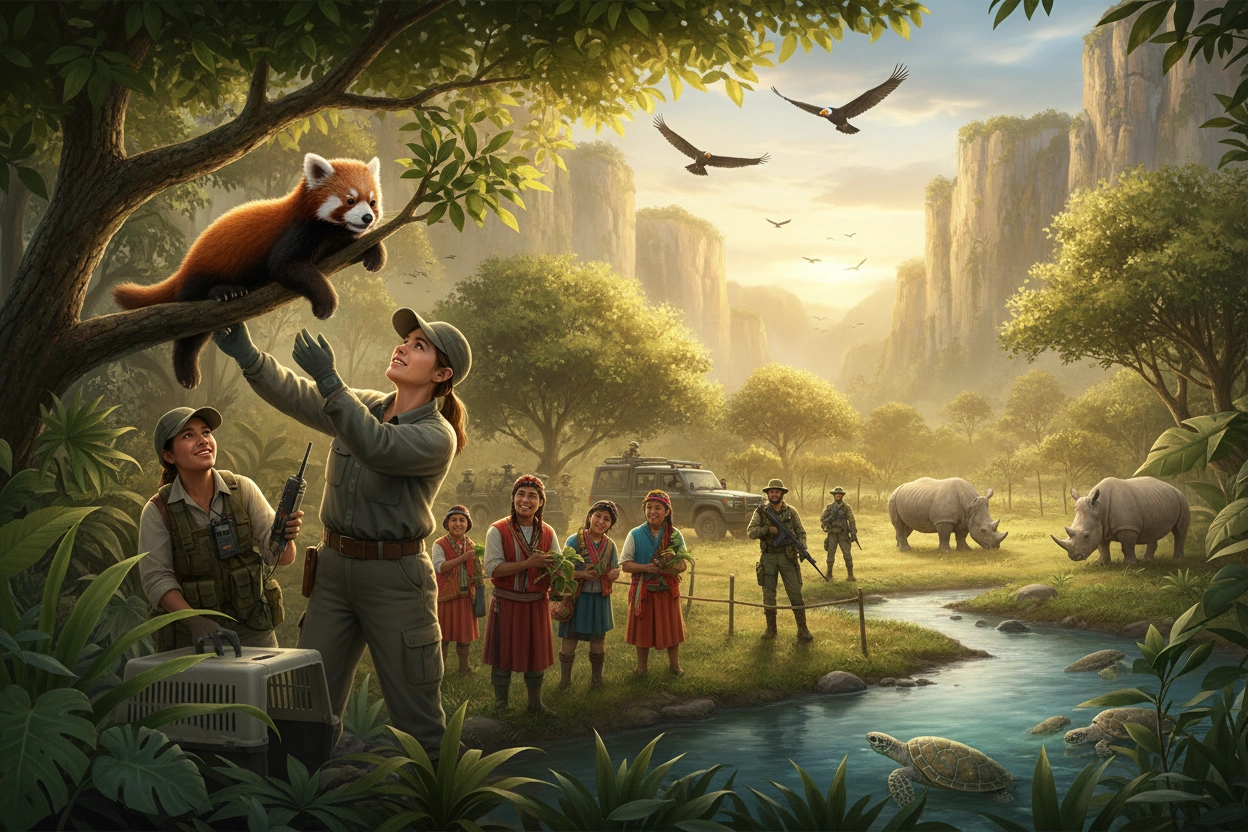
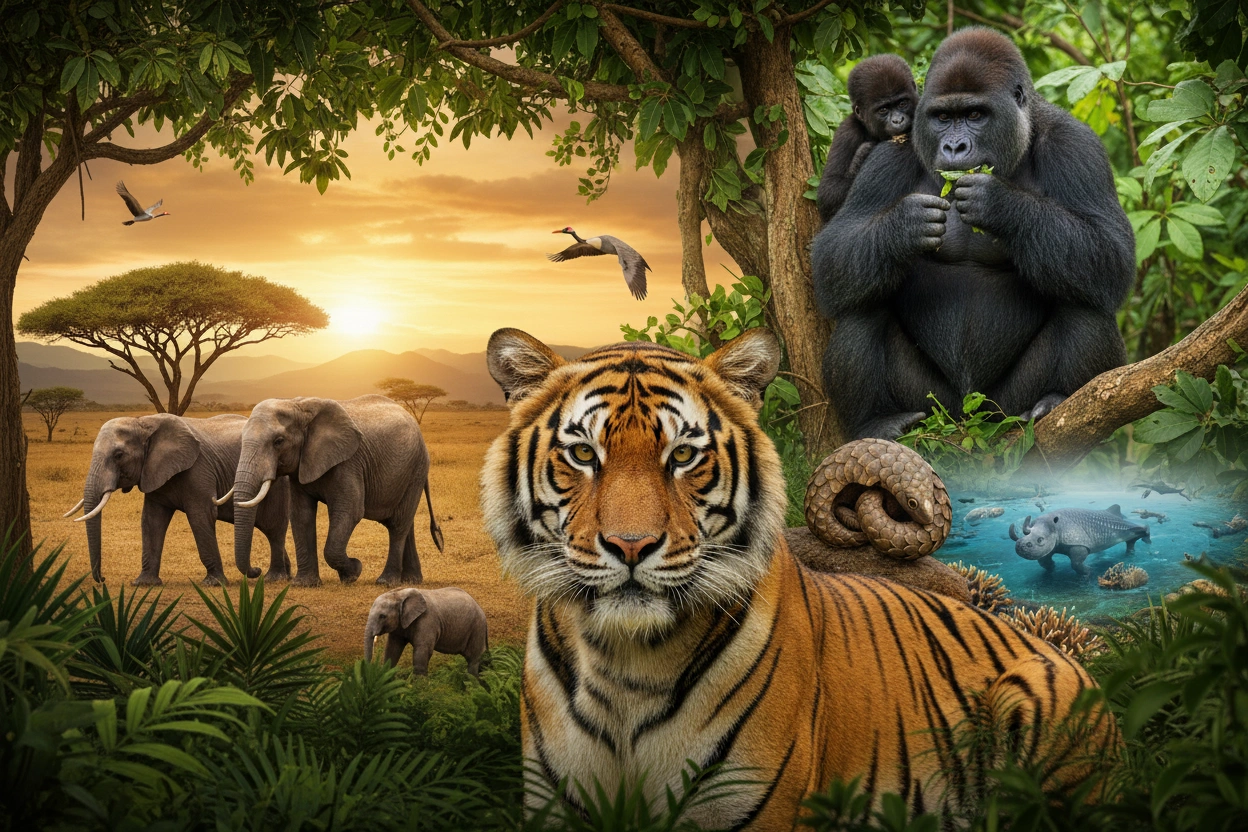
Endangered animals are at a critical juncture in their survival, with many species facing extinction due to human activities, habitat loss, and climate change. Conservation efforts are essential in reversing these trends and ensuring that future generations can experience the beauty and diversity of wildlife. This article explores ten significant conservation efforts currently making a difference for endangered animals worldwide, along with a closer look at the top ten endangered species that everyone should know about.
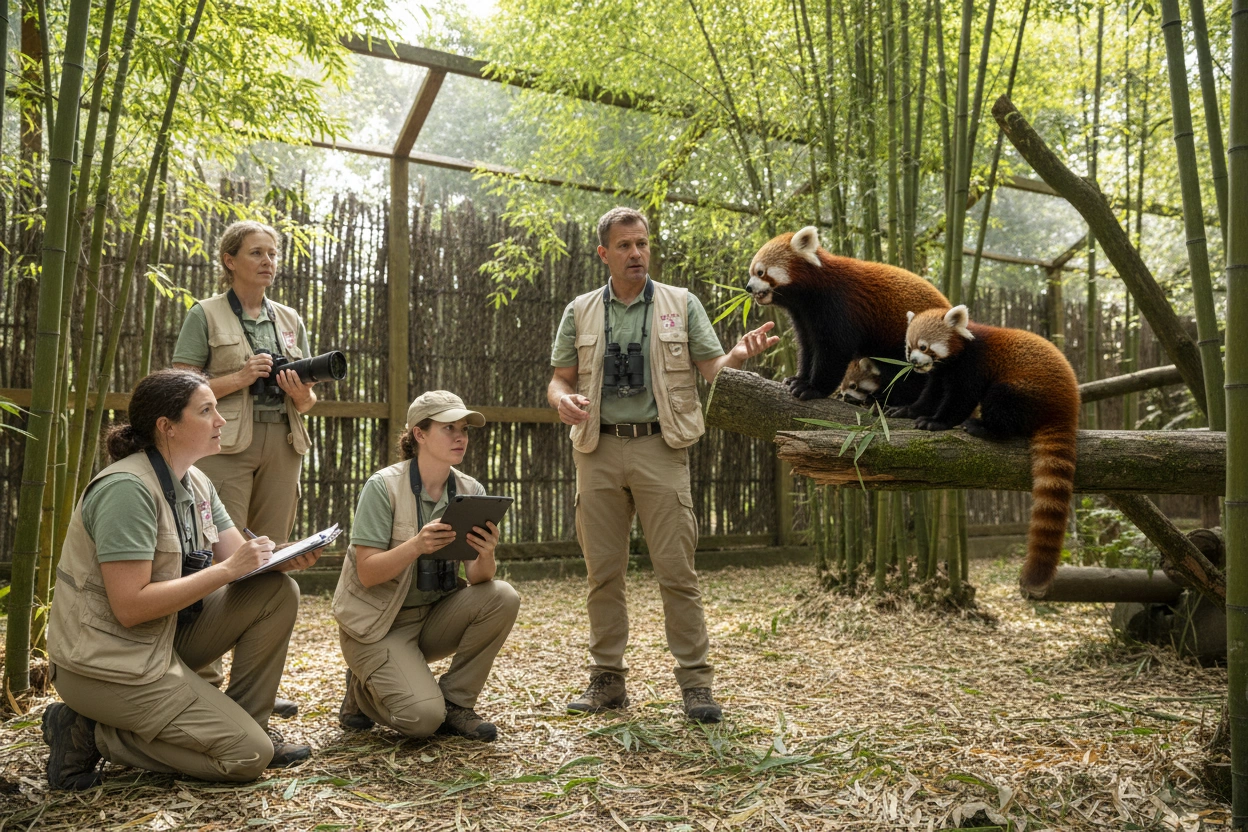
Endangered animals are species that are at risk of extinction in the near future. The classification of endangered species is typically based on their population size, habitat range, and threats they face. According to the International Union for Conservation of Nature (IUCN), there are over 37,000 species classified as threatened, with approximately 1,000 species listed as critically endangered. The plight of these animals is not merely a loss of biodiversity; it reflects the health of our ecosystems and the overall well-being of our planet.
Conservation efforts serve multiple purposes. They aim to protect endangered species, restore their habitats, and promote biodiversity. Furthermore, these initiatives often engage local communities, fostering a sense of responsibility and stewardship towards wildlife. The importance of conservation efforts can also lead to economic benefits through ecotourism and sustainable practices.
Habitat Restoration
Habitat restoration involves the active process of returning a damaged ecosystem to its original state. This effort is crucial for endangered animals that rely on specific habitats for survival. For instance, the restoration of wetlands has significantly benefitted species like the California condor, which requires large territories for foraging.
Protected Areas and National Parks
Establishing protected areas and national parks has proven to be one of the most effective strategies for conserving biodiversity. These areas provide safe havens for endangered animals, allowing them to thrive without human interference. For example, the Yellowstone National Park has played a critical role in the recovery of the gray wolf population.
Breeding Programs
Captive breeding programs have become essential for the survival of many endangered species. These programs aim to breed animals in controlled environments and reintroduce them into their natural habitats. The successful reintroduction of the Arabian oryx into the wild is a prime example of how breeding programs can revive endangered populations.
Legislation and Policy Advocacy
Enacting and enforcing wildlife protection laws is a vital conservation effort. Legislation such as the Endangered Species Act in the United States has provided legal protection for many species. Advocacy groups work tirelessly to influence policy and ensure that endangered animals receive the protection they need.
Community Involvement and Education
Engaging local communities is crucial for the success of conservation efforts. Education programs that raise awareness about endangered animals help foster a culture of conservation. Initiatives like community-led wildlife monitoring in Africa have empowered locals to take action in protecting their wildlife.
Anti-Poaching Initiatives
Poaching is one of the most significant threats to endangered animals, particularly in regions where illegal wildlife trade is rampant. Poaching is one of the most significant threats to endangered animals, particularly in regions where illegal wildlife trade is rampant. Anti-poaching initiatives, including increased patrols and the use of technology like drones, have been effective in curbing poaching activities. For instance, in South Africa, the use of drones has helped reduce rhino poaching by providing real-time surveillance.
Wildlife Corridors
Wildlife corridors are crucial for the survival of many endangered species, allowing animals to migrate safely between habitats. These corridors help maintain genetic diversity and reduce human-wildlife conflict. The Yellowstone to Yukon Conservation Initiative is an excellent example of a successful wildlife corridor project.
Ecotourism
Ecotourism promotes conservation by providing economic incentives for preserving wildlife and habitats. Tourists who visit national parks and wildlife reserves contribute financially to conservation efforts, creating a sustainable model for protecting endangered animals. This approach has proven beneficial for the jaguar populations in Central America.
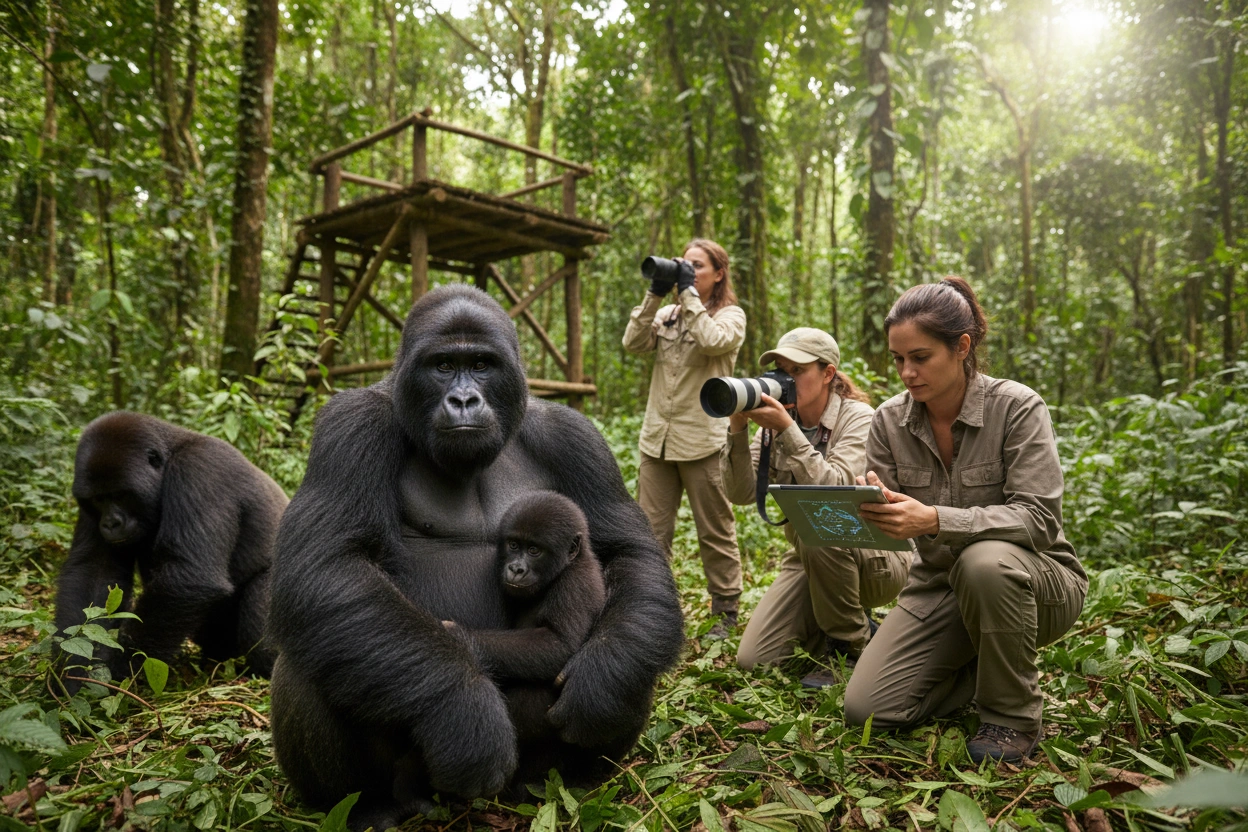
Research and Monitoring
Scientific research is foundational for effective conservation strategies. Monitoring endangered populations helps conservationists understand species' needs and threats. The research conducted on the migration patterns of the monarch butterfly has led to targeted conservation efforts that have positively impacted their population.
Climate Change Mitigation
Addressing climate change is critical for the future of endangered animals. Conservation efforts that focus on reducing carbon footprints and promoting renewable energy sources can help protect vulnerable species from the impacts of climate change. Initiatives aimed at restoring mangroves have also shown promise in combating climate change while protecting coastal ecosystems.
The Amur leopard is one of the rarest big cats in the world, with fewer than 100 individuals left in the wild. Conservation efforts focused on habitat preservation and anti-poaching measures are crucial for its survival.
The vaquita is a small porpoise native to the Gulf of California, with an estimated population of fewer than 30 individuals. Conservationists are working tirelessly to eliminate gillnets from its habitat to prevent accidental entanglement.
With habitat loss due to palm oil production, the Sumatran orangutan has become critically endangered. Conservation efforts are focused on habitat protection and promoting sustainable palm oil practices.
The Javan rhino is one of the most endangered large mammals, with only about 80 individuals remaining in Ujung Kulon National Park, Indonesia. Conservationists are working to protect their habitat and increase their population through monitoring and anti-poaching efforts.
Snow leopards face threats from poaching and habitat loss due to climate change. Conservation initiatives include community-based programs to reduce human-wildlife conflict and protect their mountainous habitats.
Poaching for ivory has severely impacted African elephant populations. Conservation efforts focus on anti-poaching patrols and community engagement to promote coexistence between humans and elephants.
With only two females left, the northern white rhino is functionally extinct. Conservationists are exploring advanced reproductive technologies to save the species from extinction.
Hawksbill sea turtles are critically endangered due to habitat loss, poaching, and climate change. Conservation efforts include protecting nesting sites and reducing marine pollution.
Similar to its Sumatran counterpart, the Bornean orangutan faces habitat destruction from logging and agriculture. Conservation programs aim to protect their rainforest habitats and promote sustainable land-use practices.
The blue whale, the largest animal on Earth, is endangered due to whaling and ship strikes. Conservation efforts focus on reducing ship traffic in critical habitats and monitoring whale populations.
The Banana Slug Club is dedicated to raising awareness about endangered animals and supporting conservation efforts. By promoting educational programs and community involvement, the Banana Slug Club plays an essential role in fostering a culture of conservation. Engaging the public through workshops, events, and outreach initiatives helps inspire action towards protecting endangered species.
In conclusion, understanding the plight of endangered animals and the conservation efforts making a difference is vital for the future of our planet. Through habitat restoration, legislation, and community involvement, we can ensure the survival of these incredible species. To learn more about how you can contribute to conservation efforts and support endangered animals, visit Banana Slug Club. Together, we can make a lasting impact on the future of wildlife conservation.
Get free resources, early access to new features and updates.
No spam. Just fun educational emails!


.svg)
.svg)