Pet Reptiles: Choosing the Best Species for Beginners
Reptiles have become increasingly popular as pets, captivating enthusiasts with their unique characteristics and diverse species. For beginners, selecting the right reptile can be both an exciting and daunting task. Understanding the various types of reptiles, their care requirements, and the best species for beginners is essential for a rewarding pet ownership experience. This article will delve into the world of reptiles, helping you make an informed decision on the best species for beginners.
Understanding Reptiles: A Beginner's Guide
Reptiles belong to the class Reptilia, which includes a wide variety of species, from snakes and lizards to turtles and tortoises. They are cold-blooded vertebrates that typically have scaly skin and lay eggs. Reptiles are diverse in terms of habitat, size, and dietary needs, making it crucial for potential pet owners to research thoroughly before making a selection.
Key Characteristics of Reptiles
Reptiles exhibit several defining traits that set them apart from other pets:
- Ectothermic Nature: Being cold-blooded, reptiles rely on their environment to regulate body temperature. This means that they require specific heat sources in their habitat to thrive.
- Diverse Diets: Depending on the species, reptiles can be herbivores, carnivores, or omnivores. Understanding a reptile's dietary needs is vital for its health and well-being.
- Unique Behavior: Reptiles often have different social and behavioral traits compared to mammals. Some may be more solitary, while others can be quite interactive.
Common Misconceptions About Reptiles
Despite their growing popularity, several misconceptions about reptiles persist:
- Reptiles Are Not Affectionate: While reptiles may not express affection in the same way as dogs or cats, many species enjoy interaction and can become accustomed to handling.
- All Reptiles Are Dangerous: The fear of venomous snakes or aggressive lizards often overshadows the fact that many reptiles are harmless and can be great pets.
- Reptiles Are Low Maintenance: While some reptiles may require less daily care than traditional pets, they still need specific habitats, diets, and regular health check-ups.
Choosing the Right Reptile Species
When choosing a reptile, it is essential to consider factors such as your living environment, the amount of time you can dedicate to care, and your comfort level with handling different species. Here are some of the best reptile species for first-time owners:
Leopard Gecko
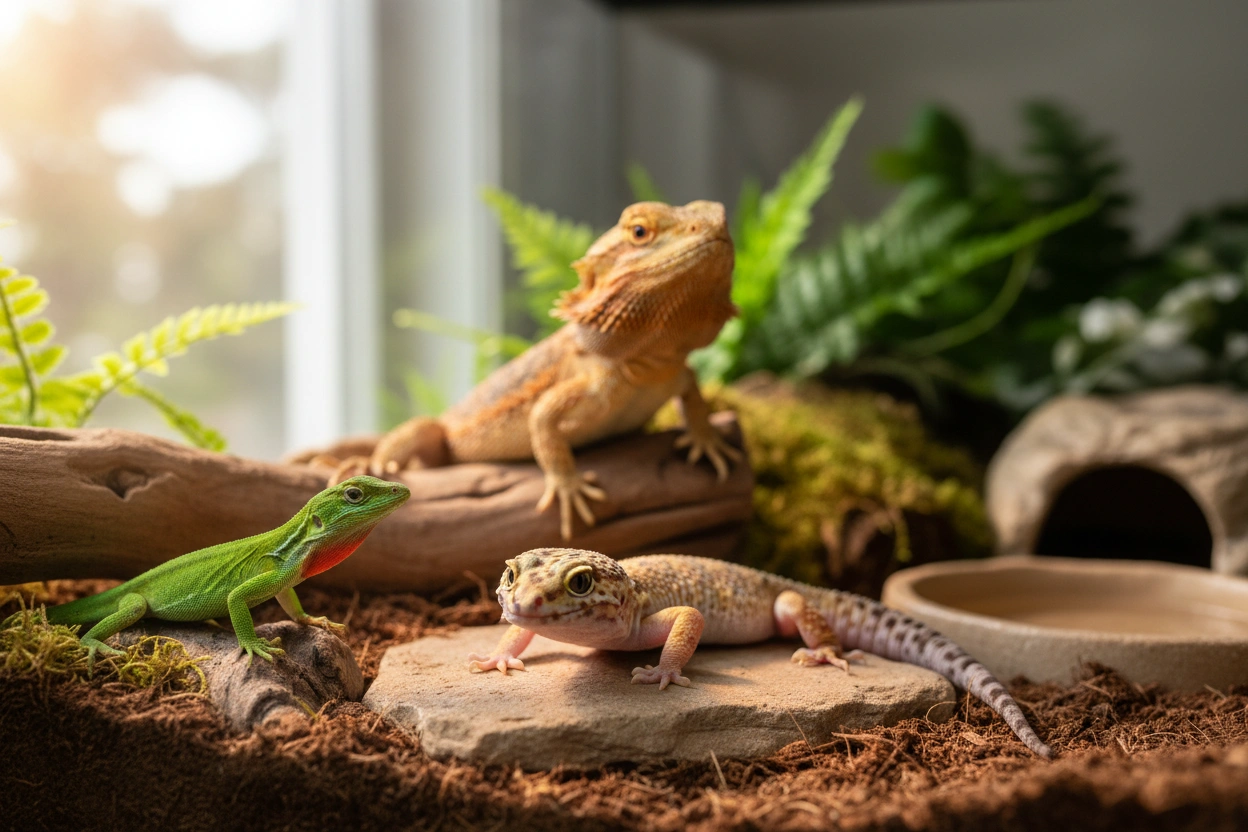
- Easy to care for and handle, leopard geckos are nocturnal and have a gentle temperament. They thrive in a simple terrarium setup with a heat source and a hiding spot.
Corn Snake
- Known for their docile nature, corn snakes are excellent for beginners. They come in various color morphs and require a relatively simple habitat with appropriate temperature gradients.
Bearded Dragon
- Bearded dragons are friendly and interactive, making them popular among novice reptile keepers. They need a larger enclosure with UVB lighting and a varied diet of insects and vegetables.
Russian Tortoise
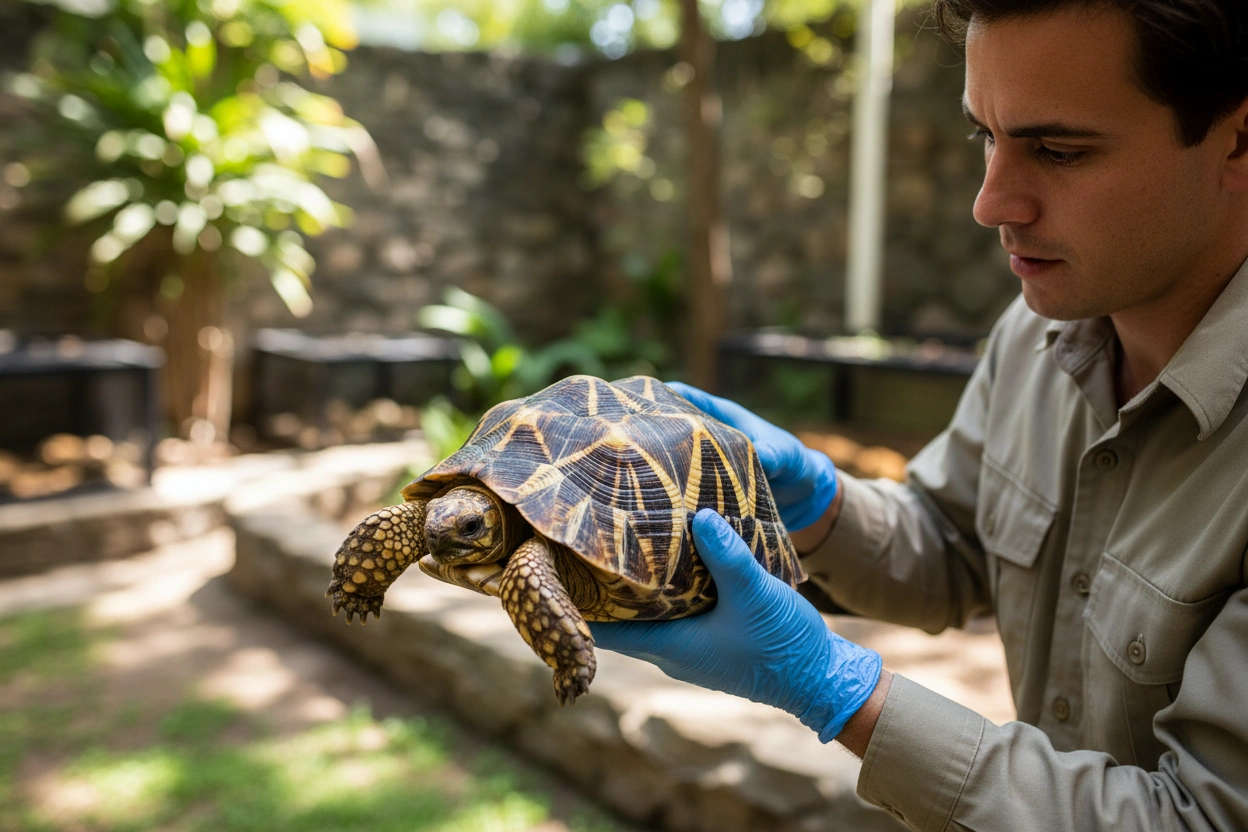
- Ideal for those who prefer a slower-paced pet, Russian tortoises are hardy and can live for several decades. They require a spacious outdoor enclosure and a diet rich in leafy greens.
Ball Python
- Ball pythons are known for their calm demeanor and manageable size. They require a secure enclosure with a heat source and a diet primarily consisting of rodents.
Red-Eared Slider
- Commonly found in pet stores, red-eared sliders are aquatic turtles that need a tank with both water and a basking area. They are relatively easy to care for but require a good filtration system.
Crevice Spiny-Tailed Iguana
- While slightly more advanced, spiny-tailed iguanas can be great for beginners who are willing to learn. They require a spacious enclosure and a diet of leafy greens and vegetables.
African Fat-Tailed Gecko
- Similar in care to leopard geckos, African fat-tailed geckos are nocturnal and have a gentle disposition. They thrive in a warm environment and need a diet of insects.
Green Anole
- These small lizards are colorful and easy to care for, requiring a modest setup with plenty of climbing space. They thrive in a warm, humid environment.
Blue-Tongued Skink
- Known for their distinctive blue tongues, these skinks are friendly and easy to handle. They need a spacious enclosure and a varied diet that includes fruits and vegetables.
Top 10 Endangered Reptile Species and Their Conservation
As fascinating as reptiles can be as pets, many species face significant threats in the wild. Understanding the endangered species can help raise awareness and promote conservation efforts. Here are ten endangered reptile species that are currently at risk:
Hawksbill Turtle (Eretmochelys imbricata)
- Critically endangered due to habitat loss and illegal trade, hawksbill turtles are vital for coral reef health.
Psychedelic Rock Gecko (Cnemaspis psychedelica)
- This stunning gecko is threatened by habitat destruction and illegal collection for the pet trade.
Gharial (Gavialis gangeticus)
- With a population that has plummeted due to habitat loss and hunting, the gharial is one of the most endangered crocodilians.
Bornean River Turtle (Orlitia borneensis)
- Facing threats from habitat destruction and consumption, this freshwater turtle is critically endangered.
Chinese Softshell Turtle (Rafetus swinhoei)
- Known for its unique appearance, this species is critically endangered due to hunting and habitat loss.
Kakadu Blue-Tongued Skink (Tiliqua scincoides)
- This skink faces threats from habitat degradation and is vulnerable due to its limited distribution.
Galápagos Tortoise (Chelonoidis nigra)
- Once on the brink of extinction, conservation efforts have helped stabilize populations, but they remain vulnerable due to habitat loss.
Ploughshare Tortoise (Astrochelys yniphora)
- Critically endangered due to poaching and habitat destruction, this tortoise is a symbol of conservation efforts in Madagascar.
Mexican Spotted Owl (Strix occidentalis lucida)
- While primarily a bird, this species relies on specific habitats that are also crucial for many reptiles, highlighting the interconnectedness of ecosystems.
Eastern Indigo Snake (Drymarchon couperi)
- Once abundant, this species has seen a dramatic decline due to habitat loss and is now protected under the Endangered Species Act.
The Importance of Reptile Conservation
Conservation efforts for endangered reptiles are crucial for maintaining biodiversity and ecosystem health. Here are some ways to contribute:
- Support Conservation Organizations: Many organizations focus on reptile conservation. Donating or volunteering can make a significant impact.
- Educate Others: Raising awareness about endangered species and their habitats can foster a culture of conservation.
- Responsible Pet Ownership: Choose captive-bred reptiles rather than wild-caught ones to help reduce pressure on wild populations.
Caring for Your Reptile
Once you've chosen the right reptile, understanding how to care for it is essential for its health and longevity. Here are some foundational aspects of reptile care:
Creating an Ideal Habitat
The habitat is crucial for a reptile's well-being. Here are some key considerations:
- Temperature Control: Reptiles require a temperature gradient within their habitat, allowing them to thermoregulate. Invest in heat lamps or heating pads to maintain appropriate temperatures.
- Humidity Levels: Different species have varying humidity requirements. Use hygrometers to monitor levels and provide misting or water sources as needed.
- Enclosure Size: Ensure the enclosure is spacious enough for the reptile to move around and explore. Larger species will require larger habitats.
Feeding and Nutrition
Proper nutrition is vital for a reptile's health:
- Species-Specific Diet: Research the dietary needs of your chosen reptile. Some may require insects, while others thrive on vegetables or specialized pellets.
- Supplementation: Many reptiles need calcium and vitamin supplements to prevent deficiencies. Dust their food with appropriate powders as recommended.
Regular Health Check-Ups
Monitoring your reptile's health is essential:
- Observe Behavior: Changes in behavior, appetite, or appearance can indicate health issues. Regularly check for signs of illness or stress.
- Veterinary Care: Find a veterinarian who specializes in reptiles for regular check-ups and guidance on health concerns.
The Intersection of Reptiles and Conservation
Understanding the unique aspects of reptile care and the importance of conservation can enhance your experience as a reptile owner. By choosing the right species and providing a suitable environment, you not only ensure the well-being of your pet but also contribute to broader conservation efforts.
If you're passionate about reptiles and want to learn more about their care and conservation, the Banana Slug Club can provide valuable resources and community support. By connecting with other reptile enthusiasts, you can share experiences, gain insights, and foster a love for these remarkable creatures.
Explore how you can deepen your knowledge and commitment to reptile care. Visit Banana Slug Club for more information on resources, community events, and expert advice on caring for your pet reptiles.



.svg)
.svg)