Salamanders, Frogs, and Toads: Unique Amphibian Characteristics Explained

No items found.
Updated on:
April 28, 2026
Unique Characteristics of Amphibians: Frogs, Toads & Salamanders
Updated on:
April 28, 2026

Salamanders, Frogs, and Toads: Unique Amphibian Characteristics Explained

Amphibians, a diverse class of vertebrates that includes frogs, toads, and salamanders, exhibit a remarkable array of characteristics and adaptations. These creatures, which thrive in both terrestrial and aquatic environments, have evolved unique traits that allow them to survive in diverse ecosystems around the globe. Understanding the intricacies of these adaptations not only enhances our appreciation of amphibians but also underscores their ecological significance and the challenges they face today.

This article delves into the fascinating world of amphibians, exploring their unique characteristics, adaptations, and the roles they play in their habitats. We will also address common misconceptions and provide actionable insights for those interested in amphibian conservation and study.

The Unique Characteristics of Amphibians

Professional image illustrating The Unique Characteristics of Amphibians

Amphibians are distinguished by several key characteristics that set them apart from other vertebrates. Understanding these traits is crucial for appreciating their role in the ecosystem and the challenges they face.

Skin and Respiration

One of the most defining characteristics of amphibians is their permeable skin, which plays a vital role in their respiration and hydration. Unlike reptiles, amphibians have thin, moist skin that allows for cutaneous respiration—the process of gas exchange through the skin. This adaptation is particularly advantageous in environments where oxygen levels may fluctuate.

  • Amphibians can absorb water through their skin, which is essential for maintaining hydration, especially in dry conditions.
  • Their skin contains specialized glands that secrete mucus, providing a protective barrier against pathogens and parasites.
  • The skin's permeability also makes amphibians sensitive to environmental pollutants, which is why they serve as important bioindicators of ecosystem health.

Lifecycle and Reproduction

Amphibians undergo a distinctive lifecycle that typically includes both aquatic and terrestrial stages. Most species begin their lives as eggs laid in water, where they hatch into larvae (tadpoles in the case of frogs and toads). This dual-life strategy is a significant adaptation that allows them to exploit different ecological niches.
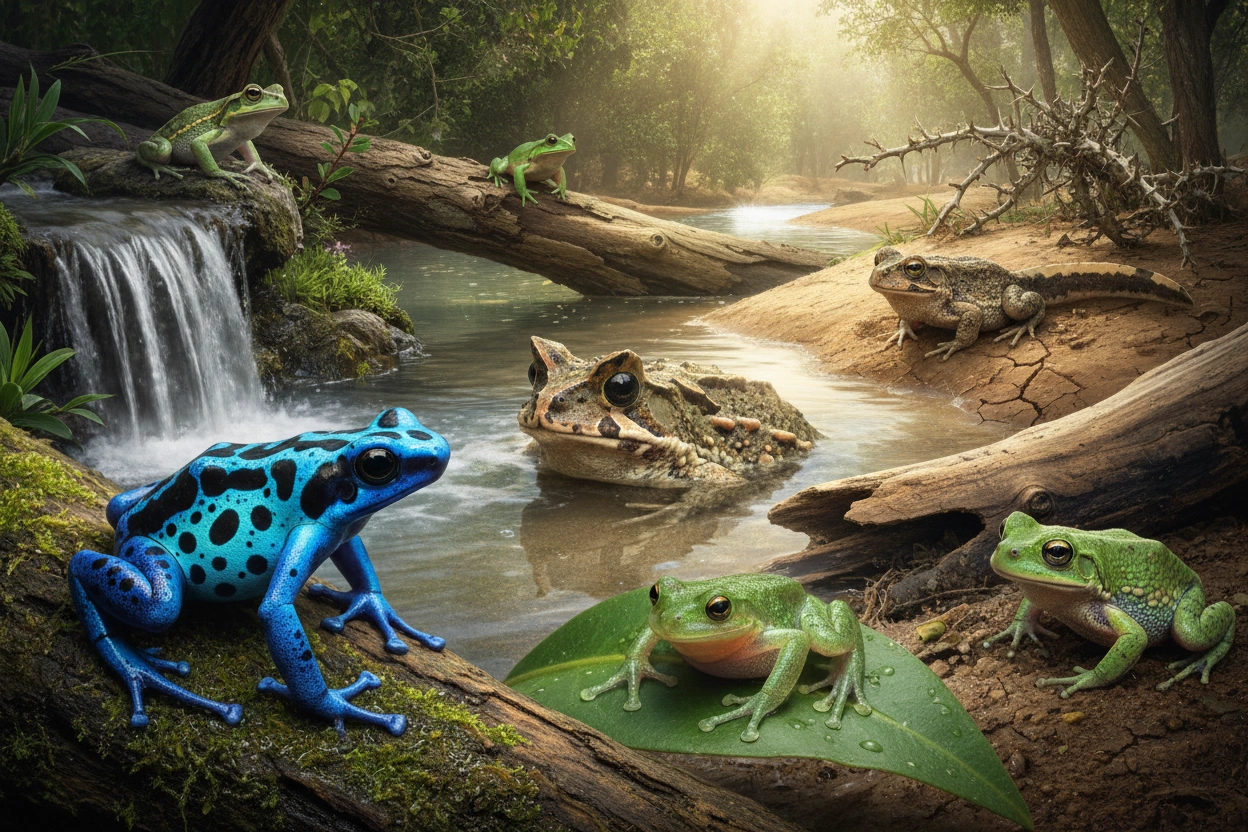
  • The metamorphosis from larva to adult involves profound physiological changes, including the development of limbs and the absorption of the tail.
  • Many amphibians exhibit fascinating reproductive strategies, such as vocalizations during mating seasons, which can attract potential mates and establish territory.
  • Some species, like certain types of salamanders, can reproduce through internal fertilization, while others rely on external fertilization, where eggs are fertilized outside the female's body.

Amphibian Adaptations: How They Survive in Diverse Environments

Professional image illustrating Amphibian Adaptations: How They Survive in Diverse Environments

Amphibians have developed a range of adaptations that allow them to thrive in various environments, from rainforests to deserts. These adaptations are crucial for their survival and provide insights into their ecological roles.

Behavioral Adaptations

Behavioral adaptations in amphibians are as vital as their physical traits. These adaptations help them navigate their environments, avoid predators, and find food.

  • Nocturnal Activity: Many amphibians are nocturnal, which helps them avoid daytime predators and reduces water loss in hot environments.
  • Hibernation and Estivation: In regions with extreme temperatures, amphibians may enter a state of dormancy. Hibernation occurs during cold months, while estivation takes place during droughts, allowing them to survive until conditions improve.
  • Camouflage: Many amphibians exhibit coloration that blends with their surroundings, providing protection from predators. For example, the green tree frog's coloration helps it remain hidden among leaves.

Physiological Adaptations

Physiological adaptations enhance the ability of amphibians to survive in their specific habitats. These adaptations are often tied to their unique lifestyles and environments.

  • Water Conservation: Amphibians have evolved various mechanisms to minimize water loss, such as behavioral adaptations that involve seeking shade or burrowing into the ground during dry periods.
  • Toxin Production: Many amphibians produce toxins as a defense mechanism against predators. For instance, poison dart frogs have bright coloration that signals their toxicity to potential threats.
  • Temperature Regulation: Amphibians are ectothermic, meaning their body temperature is regulated by the environment. They often seek out microhabitats, such as under rocks or in leaf litter, to maintain optimal body temperatures.

Ecological Roles

Amphibians play crucial roles in their ecosystems, impacting both prey and predator populations. Their presence is vital for maintaining ecological balance.
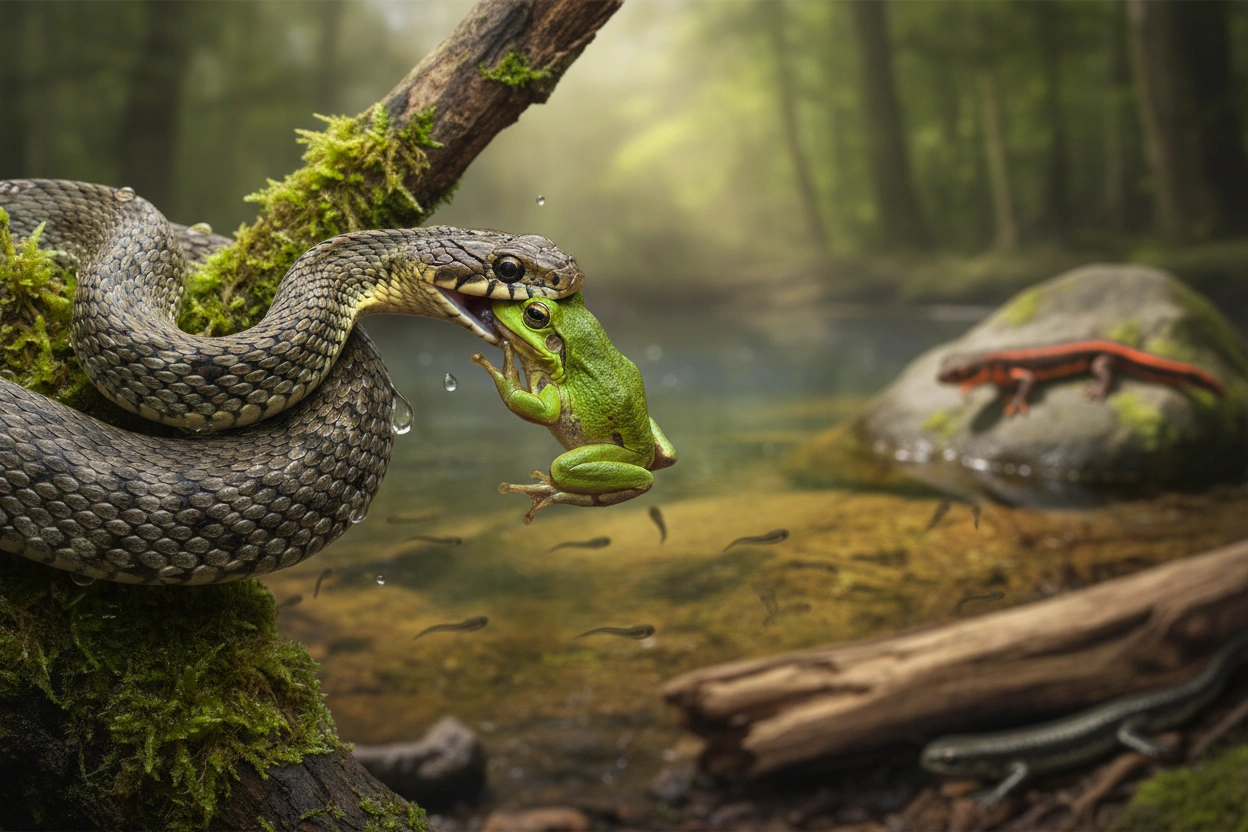
  • Pest Control: As both predators and prey, amphibians help regulate insect populations. Frogs and toads consume vast quantities of insects, including pests that can damage crops.
  • Nutrient Cycling: Amphibians contribute to nutrient cycling in aquatic ecosystems. Their waste products enrich the water, promoting plant growth and supporting other aquatic organisms.
  • Bioindicators: Due to their sensitivity to environmental changes, amphibians serve as indicators of ecosystem health. A decline in amphibian populations can signal pollution or habitat degradation.

Common Misconceptions About Amphibians

Professional image illustrating Common Misconceptions About Amphibians

Despite their ecological importance, there are several misconceptions about amphibians that can lead to misunderstanding their roles and needs.

Misconception 1: All Amphibians Are Poisonous

While many amphibians have toxic properties, not all are poisonous. The degree of toxicity varies significantly among species, and some, like common toads, may only produce mild skin secretions that are not harmful to humans.

Misconception 2: Amphibians Are Not Endangered

Many amphibian species are facing severe population declines due to habitat loss, climate change, pollution, and disease. In fact, the Global Amphibian Assessment has shown that nearly one-third of amphibian species are at risk of extinction.

Misconception 3: Amphibians Are Pests

Amphibians are often misunderstood as pests. However, they play crucial roles in controlling insect populations and maintaining balanced ecosystems. Their decline can lead to increased pest outbreaks, which can affect agriculture and human health.

Actionable Insights for Amphibian Conservation

Understanding the unique characteristics and adaptations of amphibians is essential for their conservation. Here are some actionable insights for individuals and communities interested in supporting amphibian populations.

Create Amphibian-Friendly Habitats

  • Plant Native Vegetation: Incorporate native plants in gardens and landscapes to provide shelter and food for local amphibian species.
  • Reduce Pesticide Use: Limit the use of pesticides and herbicides, as these chemicals can harm amphibians and their habitats.
  • Create Water Features: If possible, create small ponds or water features that can serve as breeding sites for amphibians.

Support Conservation Efforts

  • Participate in Local Conservation Programs: Engage with local conservation groups focused on amphibian protection. These organizations often conduct habitat restoration and educational programs.
  • Advocate for Policy Changes: Support policies that protect wetlands and natural habitats crucial for amphibian survival.
  • Educate Others: Share information about the importance of amphibians and their ecological roles with friends, family, and community members.

Engage in Citizen Science

  • Report Sightings: Participate in citizen science projects that track amphibian populations and health. Organizations often collect data on local species, which is essential for conservation efforts.
  • Join Monitoring Programs: Many organizations offer opportunities to help monitor amphibian populations and contribute to vital research.

The Fascinating World of Amphibians and the Role of the Banana Slug Club

The unique characteristics and adaptations of amphibians, such as salamanders, frogs, and toads, highlight their importance in our ecosystems. Their ability to survive in diverse environments, coupled with their roles as both predators and prey, underscores the need for continued conservation efforts.

By understanding the ecological significance of amphibians, we can better appreciate their presence in our world and take active steps toward their protection. The Banana Slug Club is dedicated to promoting awareness and conservation of these remarkable creatures, providing resources and opportunities for individuals to get involved.

If you're passionate about amphibians and want to learn more about how you can contribute to their conservation, we invite you to visit Banana Slug Club. Together, we can make a difference in protecting these vital members of our ecosystem.

Join the Banana Slug Club!

Get free resources, early access to new features and updates.
No spam. Just fun educational emails!