Amphibians are fascinating creatures that play a crucial role in our ecosystems. They are often indicators of environmental health, and their presence can signify a balanced habitat. In this beginner's guide, we will explore how to identify common amphibians in your area, understand their habitats, and learn about the importance of frog habitats that help protect these remarkable species. Whether you are an outdoor enthusiast, a nature lover, or simply curious about the wildlife around you, this guide will provide you with valuable insights.
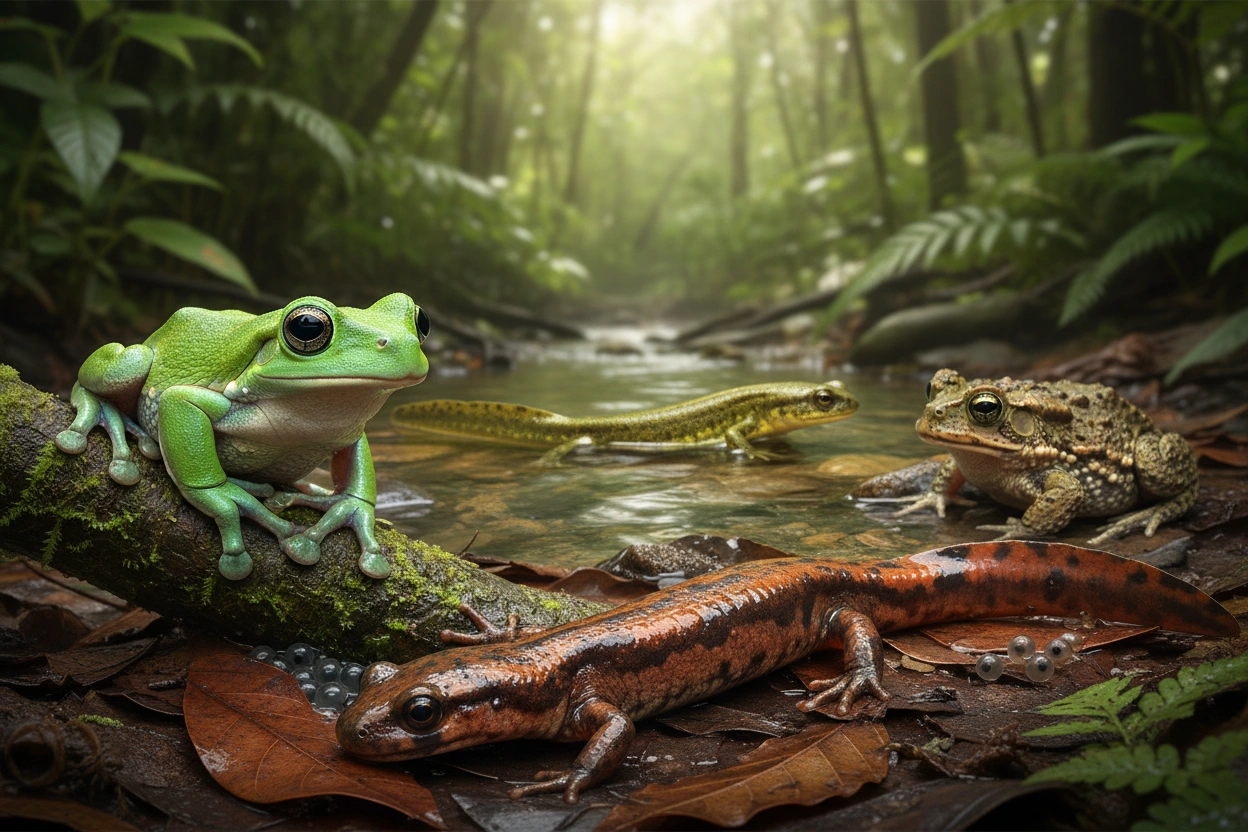
Amphibians are a diverse class of animals that include frogs, toads, salamanders, and newts. They are unique in that they typically undergo a metamorphic life cycle, beginning their lives as aquatic larvae before transitioning to terrestrial adults. This dual life, primarily spent in water during early development and on land as adults, is a key characteristic of amphibians. Amphibians are ectothermic, meaning their body temperature is regulated by the environment. This trait makes them particularly vulnerable to changes in climate and habitat. Their skin is permeable, allowing for the absorption of water and gases, which also makes them susceptible to pollutants. The decline of amphibian populations globally has raised alarms among scientists and conservationists, emphasizing the need for awareness and action.
There are several misconceptions surrounding amphibians that can lead to misunderstanding their importance:
By dispelling these myths, we can foster a greater appreciation for amphibians and the ecological roles they play.
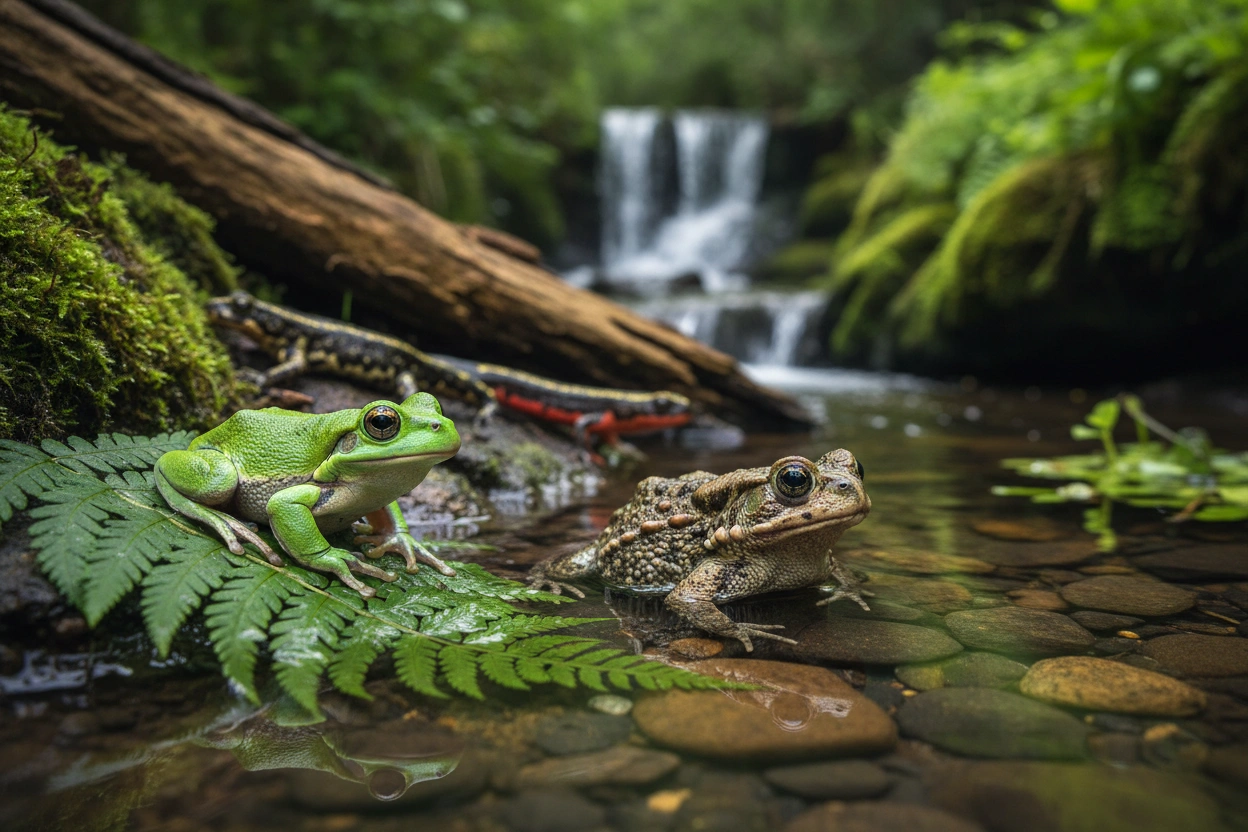
When identifying amphibians, there are several physical characteristics and behaviors to observe:
Depending on your geographic location, you may encounter various amphibians. Here are some common examples:
Understanding the specific amphibians in your region can enhance your outdoor experiences and foster a deeper connection to local wildlife.
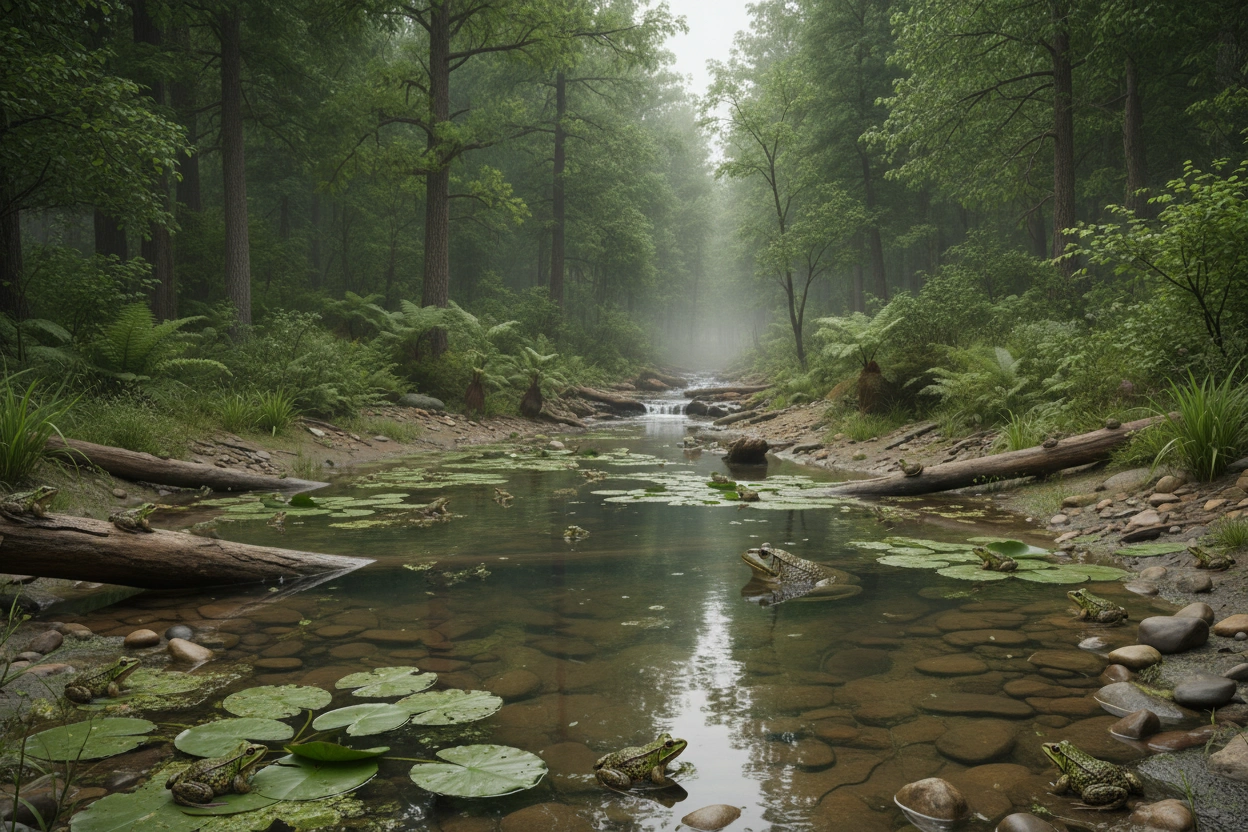
Frog habitats are crucial for their survival and reproduction. Frogs require moist environments, as their skin must remain hydrated. Common habitats include:
Identifying these habitats can lead to successful amphibian spotting and contribute to conservation efforts.
Habitat destruction is one of the leading threats to amphibian populations. Urbanization, pollution, and climate change can degrade or eliminate vital habitats. Here are some key reasons why habitat conservation is essential:
Supporting habitat conservation initiatives can help protect these vital ecosystems and ensure the survival of amphibian species. Learn all about Amphibians and how you can get involved.
Conservation efforts are crucial for protecting amphibians and their habitats. Here are ten initiatives and organizations that are making a significant impact:
By supporting these initiatives, individuals can play a crucial role in amphibian conservation and help ensure their survival for future generations. top conservation efforts can help protect these vital ecosystems.
Banana Slug Club is dedicated to fostering a love for amphibians and promoting conservation efforts. Through educational programs, community outreach, and habitat restoration projects, we strive to raise awareness about the importance of these remarkable creatures.
If you are passionate about amphibians and their conservation, consider joining the Banana Slug Club community. By participating in our events, volunteering for habitat restoration, or contributing to our educational initiatives, you can make a difference in protecting amphibians in your area.
To learn more about amphibians and how you can get involved, visit Banana Slug Club. Together, we can ensure that these vital creatures continue to thrive in our ecosystems.
In this guide, you have learned about the fascinating world of amphibians, their habitats, and the importance of conservation efforts. By becoming informed and engaged, you can contribute to the protection of these incredible species. Join Banana Slug Club today and help us make a difference for amphibians everywhere.
Get free resources, early access to new features and updates.
No spam. Just fun educational emails!


.svg)
.svg)