Amphibians, a diverse group that includes frogs, toads, and salamanders, play a crucial role in our ecosystems. They serve as indicators of environmental health and contribute to pest control, nutrient cycling, and as prey for various predators. Unfortunately, many amphibian populations are declining due to habitat loss, climate change, pollution, and disease. Understanding where these creatures thrive best can inform conservation efforts and help us protect their habitats effectively. This article will explore optimal frog habitats and delve into ten significant conservation efforts aimed at supporting amphibians globally.

Amphibians are uniquely adapted to thrive in specific environmental conditions. Their habitats are often characterized by moisture and temperature, which are vital for their survival and reproduction.
Amphibians can be found in a variety of ecosystems, each offering unique conditions that support their life cycles. Common habitats include:
Understanding these habitat types allows conservationists to target their efforts where they are most needed, ensuring that these environments are preserved and restored.

As amphibian populations face unprecedented threats, numerous conservation initiatives aim to protect these vital species. Here are ten notable efforts that have shown promise in supporting amphibian populations:
Habitat Restoration Projects: Efforts to restore wetlands, forests, and other natural habitats are crucial. Projects often involve removing invasive species, replanting native vegetation, and improving water quality.
Protected Areas: Establishing protected areas helps safeguard critical habitats from development and pollution. National parks and wildlife reserves play an essential role in preserving biodiversity.
Captive Breeding Programs: Breeding amphibians in captivity allows for population recovery, especially for endangered species. Successful programs often reintroduce animals back into their natural habitats.
Education and Outreach: Raising public awareness about amphibian conservation is vital. Educational programs that involve local communities can foster stewardship and encourage conservation actions.
Research Initiatives: Conducting research on amphibian biology, ecology, and disease is crucial for developing effective conservation strategies. Understanding the threats they face enables targeted interventions.
Legislation and Policy Advocacy: Advocating for policies that protect amphibian habitats and regulate pollutants is necessary for long-term conservation. This includes supporting legislation that mitigates climate change and promotes biodiversity.
Citizen Science Projects: Engaging the public in monitoring amphibian populations can provide valuable data for researchers. Programs that enlist volunteers to survey local amphibians help build community connections and enhance conservation efforts.
Disease Management: Addressing diseases such as chytridiomycosis, which has decimated amphibian populations, is critical. Research into treatments and preventive measures is ongoing.
Sustainable Agriculture Practices: Promoting farming methods that minimize pesticide use and protect aquatic habitats can greatly benefit amphibian populations. Practices such as creating buffer zones around water bodies can help.
International Collaboration: Many amphibian species migrate across borders, necessitating international conservation efforts. Collaborations between countries can enhance habitat protection and share successful conservation strategies.
These conservation initiatives reflect a multi-faceted approach to protecting amphibians and their habitats. By supporting these efforts, individuals and organizations can contribute to the preservation of amphibian diversity.
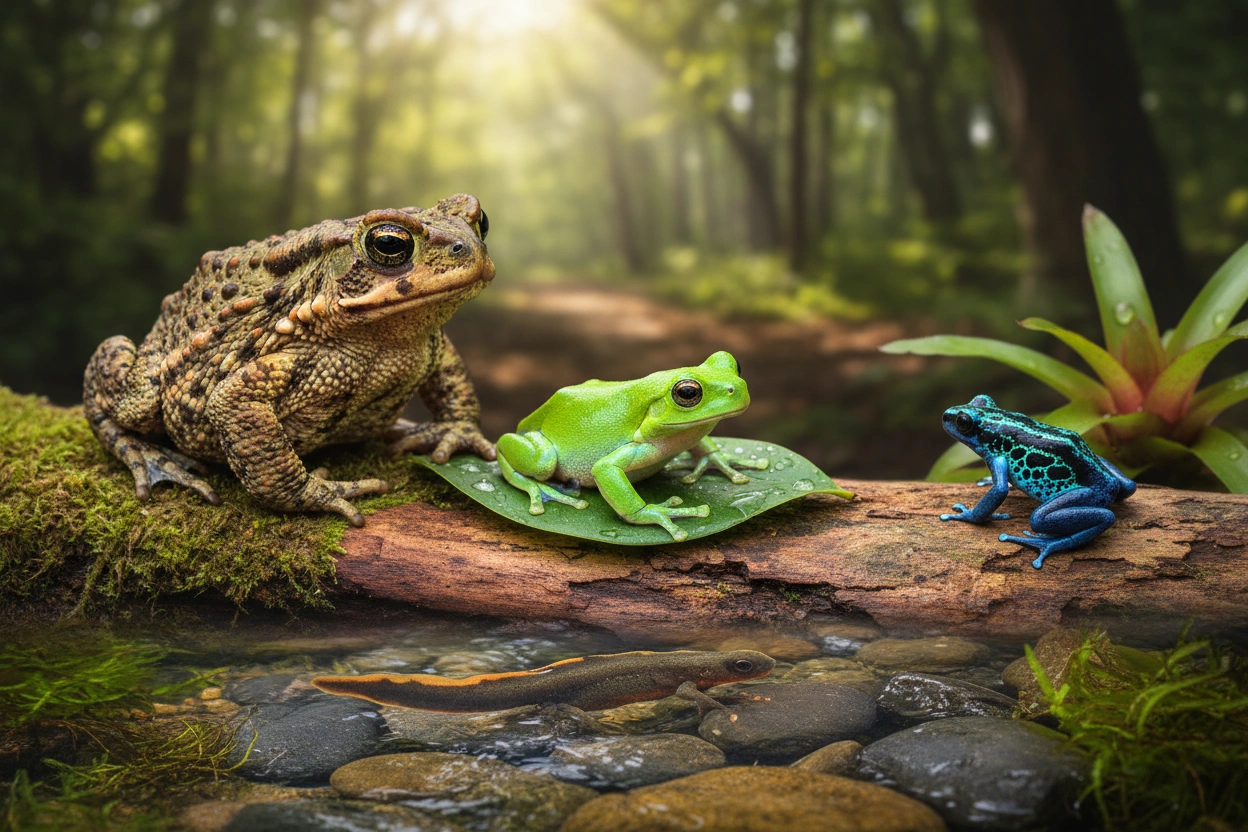
There are several misconceptions surrounding amphibians that can hinder conservation efforts. Understanding these myths is crucial for effective education and advocacy.
A prevalent myth is that amphibians are unimportant to ecosystems. In reality, they play critical roles as both predators and prey, helping to control insect populations and serving as food for larger animals. Their presence indicates a healthy ecosystem, as they are sensitive to environmental changes.
While some amphibians possess toxins as a defense mechanism, not all are poisonous. Many species are harmless and even beneficial to humans, controlling pest populations. Educating the public about the diversity of amphibians can foster a more positive perception.
Another common misconception is that amphibians can adapt to any environment. In truth, they have specific habitat requirements and are highly sensitive to changes in their environment. Loss of habitat due to urbanization or pollution can have devastating effects on their populations.
By dispelling these myths, conservationists can foster a better understanding of amphibians and their ecological significance.
Individuals can play an active role in supporting amphibian conservation efforts. Here are actionable steps to consider:
Create a Wildlife-Friendly Garden: Plant native species that attract amphibians, and avoid using pesticides that can harm these sensitive creatures.
Participate in Local Conservation Initiatives: Get involved with local organizations focused on habitat restoration or amphibian monitoring.
Educate Others: Share knowledge about the importance of amphibians and the threats they face. Encourage friends and family to support conservation efforts.
Support Sustainable Practices: Choose products and practices that promote sustainability, such as organic farming and eco-friendly gardening.
Advocate for Policy Changes: Engage with local representatives to support policies that protect amphibian habitats and promote biodiversity.
By taking these steps, individuals can contribute to the broader movement to conserve amphibians and their habitats.
Amphibians are facing a crisis, but concerted conservation efforts can make a significant difference. Organizations like the Banana Slug Club are dedicated to promoting awareness and action around amphibian conservation. By supporting habitat restoration, engaging in community education, and advocating for policy changes, we can collectively work towards a future where amphibians thrive.
As you have learned about the critical habitats and conservation efforts for amphibians, consider how you can contribute to these initiatives. The Banana Slug Club is actively involved in projects that support amphibian populations and their ecosystems.
To make a difference, visit Banana Slug Club to learn more about how you can participate in conservation efforts and support amphibian habitats. Every action counts, and together we can ensure a vibrant future for these essential creatures.
Get free resources, early access to new features and updates.
No spam. Just fun educational emails!


.svg)
.svg)