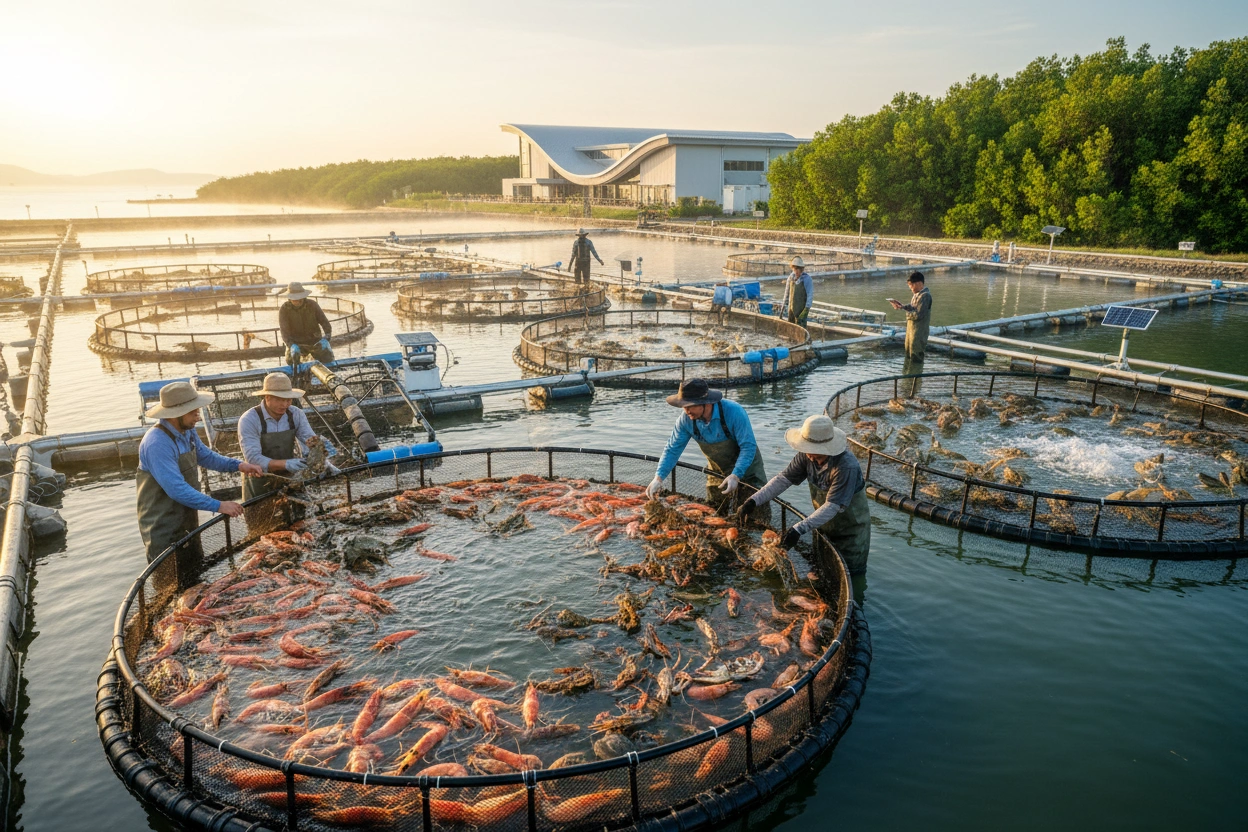
Sustainable aquaculture represents a pivotal shift in how we produce seafood, especially with the growing focus on environmental stewardship and resource efficiency. As the demand for crustaceans continues to rise, aquaculture operations must adopt strategies that not only enhance productivity but also ensure sustainability. This article delves into effective methodologies and best practices that can maximize the return on investment (ROI) for crustacean farming operations.
Crustaceans, which include shrimp, crabs, and lobsters, are highly sought after in global markets. Their cultivation presents unique opportunities as well as challenges. With the right strategies in place, aquaculture operations can significantly enhance their profitability while maintaining ecological balance. This guide aims to equip you with the insights and actionable strategies necessary to thrive in the competitive landscape of sustainable crustacean aquaculture.
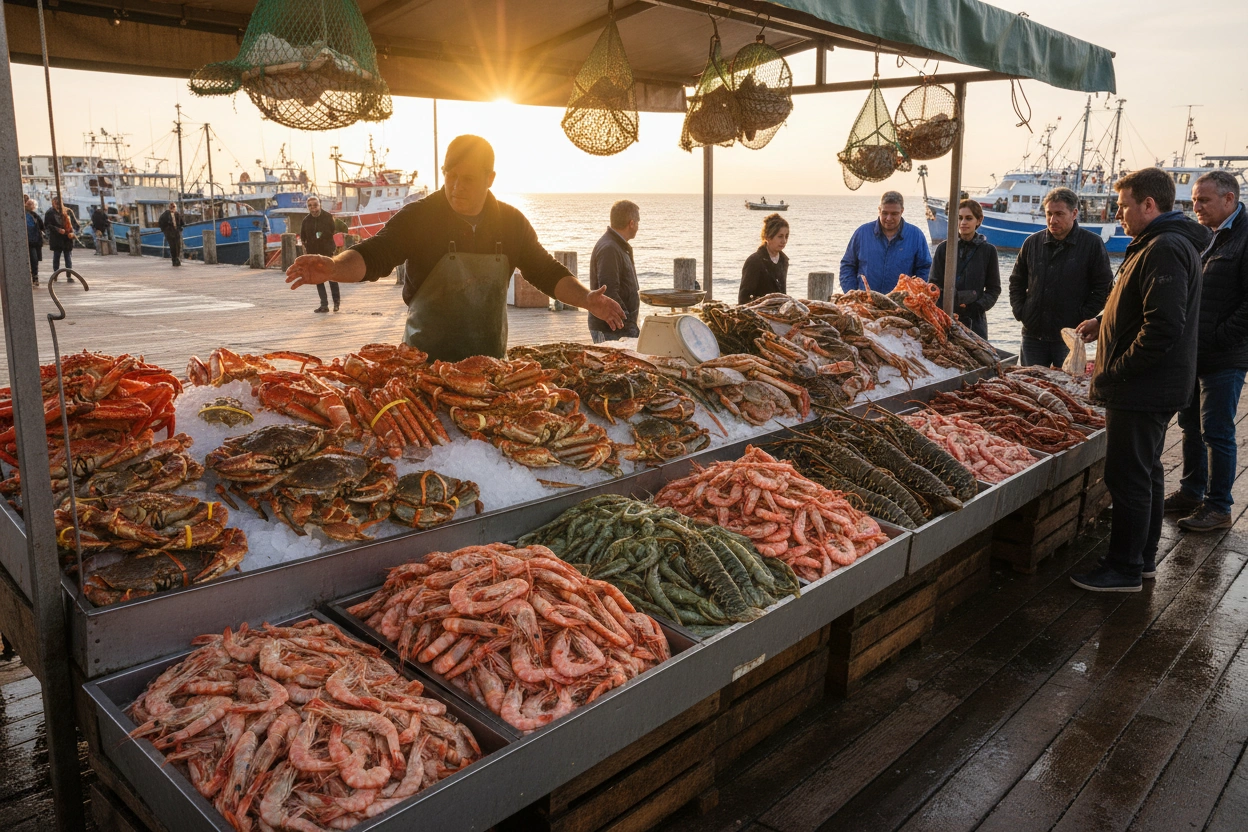
The global crustacean market is witnessing an unprecedented surge, driven by increasing consumer demand for seafood as a protein source. In 2026, market research indicates that the global shrimp market alone is projected to grow at a compound annual growth rate (CAGR) of over 4%. This growth is attributable to several factors:
Understanding these trends is critical for aquaculture businesses aiming to align their production strategies with market demands.
While the prospects are promising, crustacean aquaculture faces several challenges that can hinder profitability. Among the most significant are:
Addressing these challenges requires a proactive approach and a thorough understanding of the factors influencing crustacean farming.
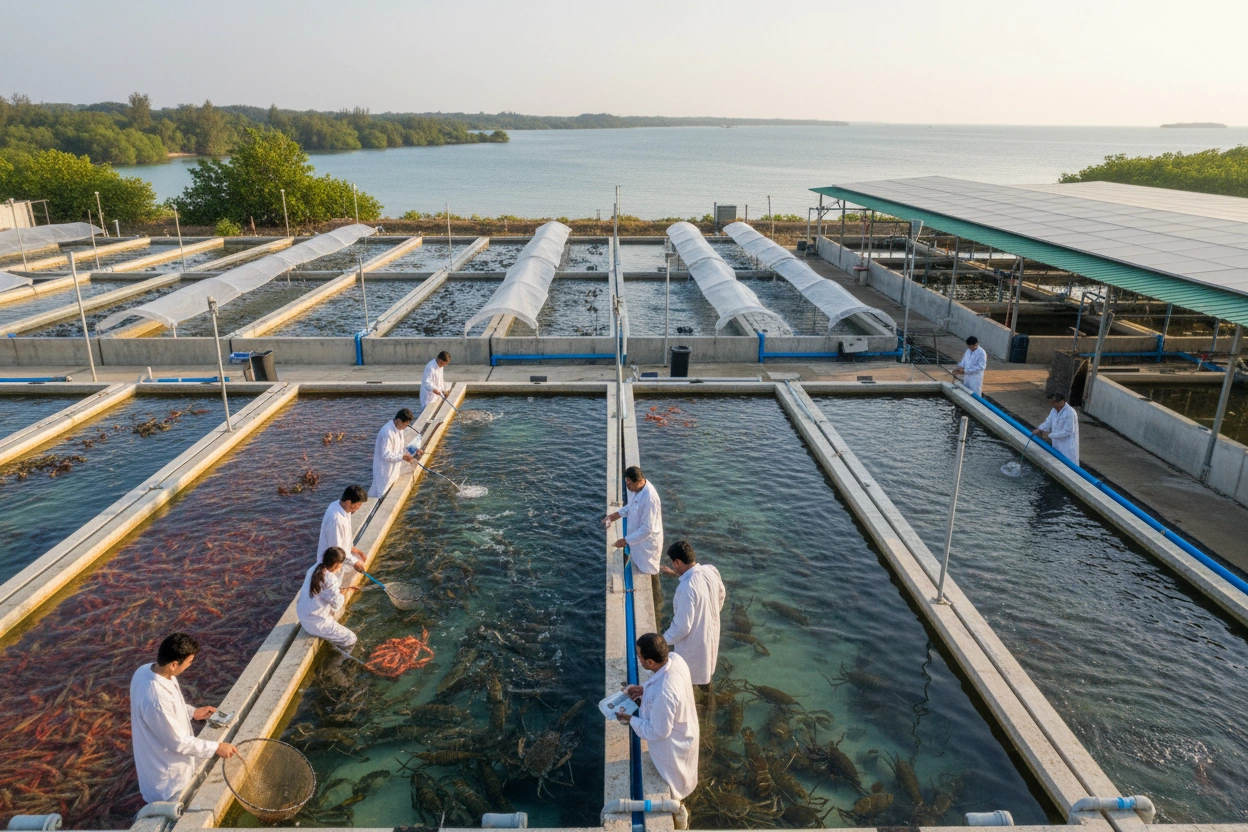
To maximize ROI in crustacean aquaculture, consider the following strategies:
Utilizing selective breeding techniques can significantly enhance the growth rates and disease resistance of crustaceans. By focusing on traits such as growth performance and survival rates, aquaculture operations can produce stock that is better suited for farming.
These advanced breeding techniques not only improve yield but also contribute to the sustainability of aquaculture operations.
Feeding is one of the largest operational costs in crustacean aquaculture. By optimizing feeding strategies, businesses can reduce costs and improve growth rates.
By focusing on these aspects, aquaculture operations can enhance growth rates while minimizing environmental impact.
Maintaining the health of crustaceans is paramount to ensuring high yields. Implementing comprehensive health management protocols can mitigate the risks associated with diseases and environmental stressors.
A proactive health management strategy not only protects your investment but also ensures sustainable production practices.
Incorporating technology into aquaculture operations can greatly enhance efficiency and productivity. Technologies such as IoT devices, drones, and automated feeding systems can provide real-time data and streamline operations.
Leveraging technology can lead to more informed decision-making and improved operational efficiency.
Sustainability is no longer a buzzword; it is a necessity in aquaculture. Implementing sustainable practices not only helps protect the environment but can also enhance marketability.
By prioritizing sustainability, aquaculture operations can differentiate themselves in a competitive market while contributing positively to the environment.
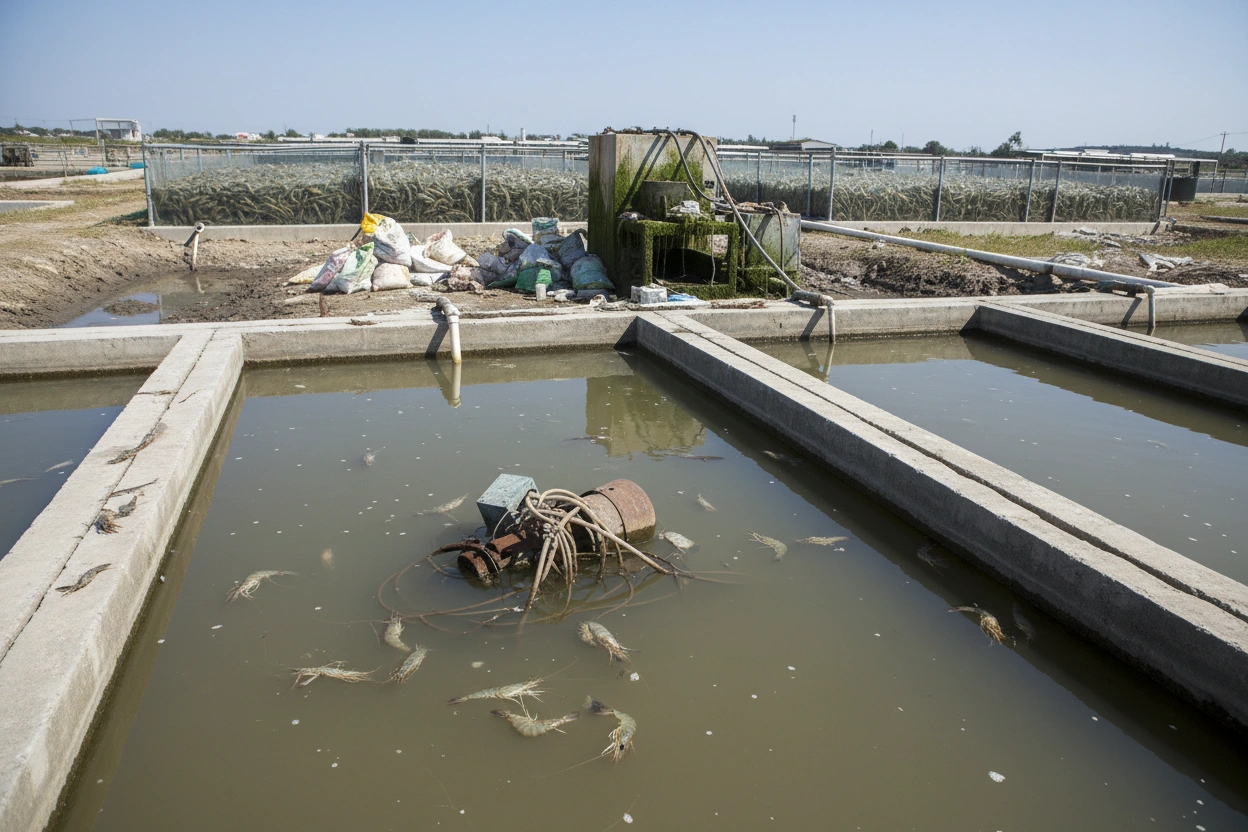
Water quality is crucial for crustacean growth. Neglecting this aspect can lead to stunted growth and increased mortality rates. Regular testing and management of water parameters are essential for successful aquaculture.
Overfeeding is a common mistake that can lead to waste accumulation and poor water quality. Implementing precise feeding strategies can help mitigate this issue.
Staying informed about market trends is vital for making strategic decisions. Failing to adapt to changing consumer preferences can result in lost opportunities and decreased profitability.
As we delve deeper into the world of crustaceans and their aquaculture, it becomes clear that the future of this industry lies in the balance between profitability and sustainability. The strategies discussed in this article provide a roadmap for aquaculture operations looking to maximize the return on investment while adhering to sustainable practices.
Banana Slug Club is committed to supporting aquaculture professionals in their journey towards sustainable practices. By providing resources and insights, we empower businesses to thrive in an evolving market.
For those looking to apply the knowledge gained from this article, we encourage you to explore the resources available through Banana Slug Club. Whether you are seeking guidance on best practices or need assistance in implementing new technologies, our team is here to help.
To learn more about how we can support your crustacean aquaculture endeavors, visit Banana Slug Club today.
Get free resources, early access to new features and updates.
No spam. Just fun educational emails!


.svg)
.svg)