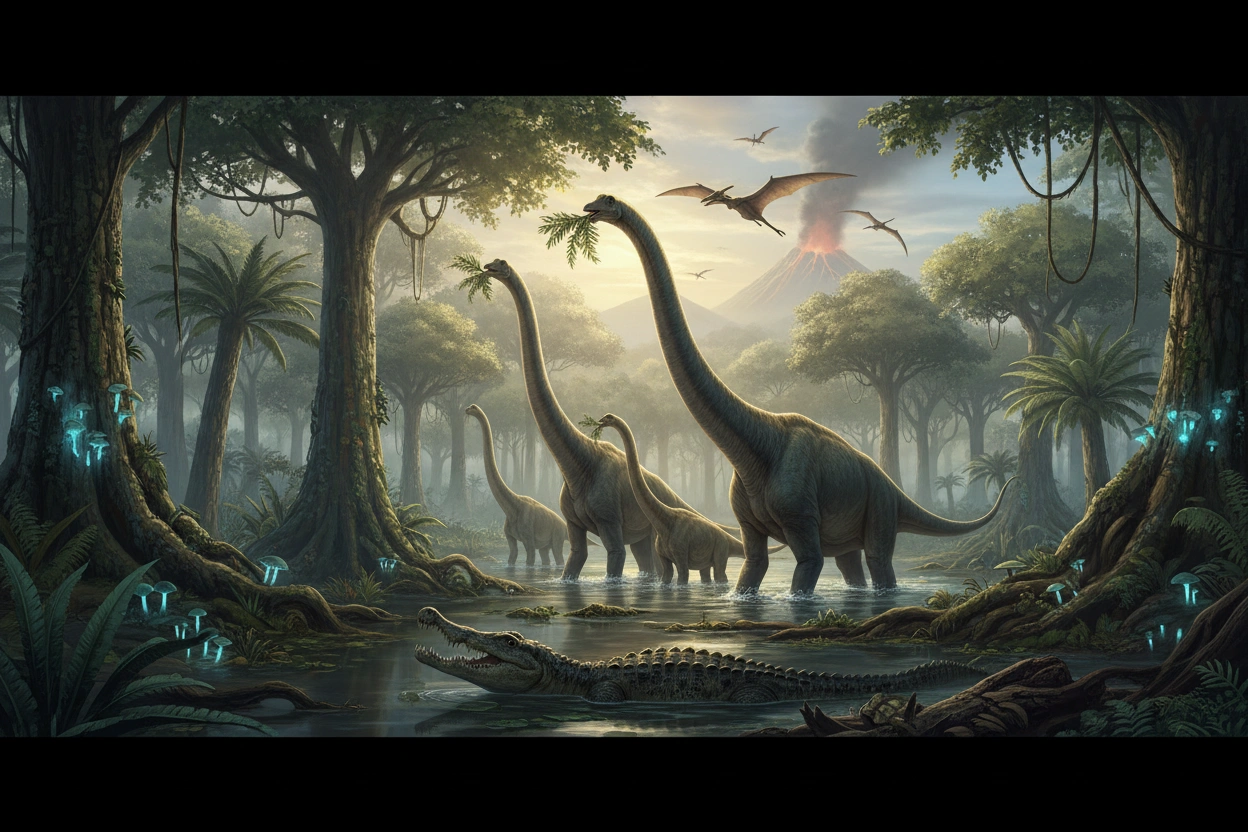
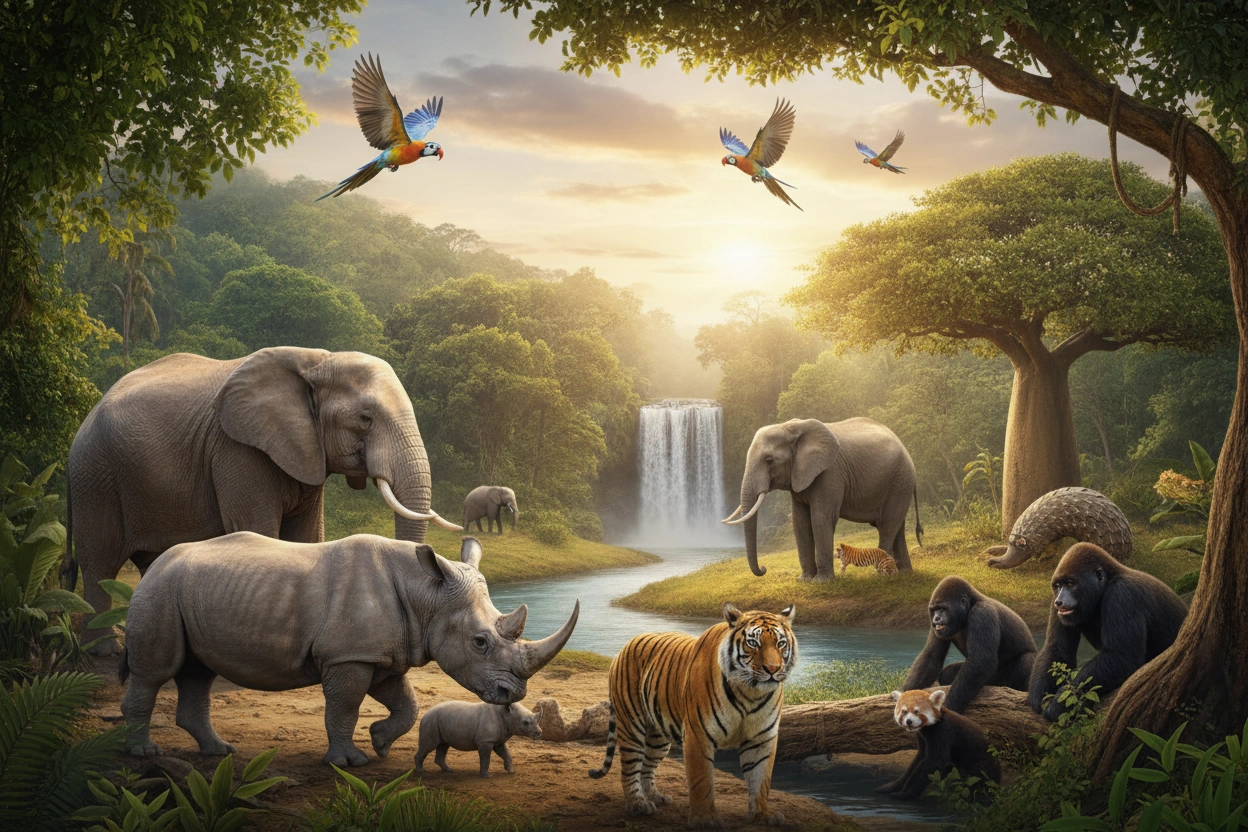
Understanding the evolution of modern mammals requires a deep dive into the fascinating world of prehistoric animals. These ancient creatures, which roamed the Earth millions of years ago, played pivotal roles in shaping the biological landscape we see today. From the towering dinosaurs to the small, furry mammals that survived their extinction, the legacy of these ancient wildlife species continues to influence the evolutionary path of contemporary mammals. This article explores how prehistoric animals have influenced modern mammalian traits and behaviors, while also highlighting ten of the most fascinating extinct animals you should know about.

Prehistoric animals have left an indelible mark on the evolutionary history of mammals. The adaptations and survival strategies of these ancient creatures have informed the characteristics and behaviors of their modern descendants. This influence can be observed in various aspects, including physical traits, ecological roles, and reproductive strategies.
The adaptations of prehistoric animals were responses to their environments, and many of these traits have persisted or evolved further in modern mammals. For example, the large body size of many prehistoric herbivores, such as mammoths and giant ground sloths, provided advantages against predators and harsh climates. This trend towards larger body sizes can still be seen in modern mammals, where size often correlates with ecological niches and survival strategies.
Survival Mechanisms: Many prehistoric animals developed unique survival mechanisms that can be traced in their modern counterparts. For instance, the defensive behaviors exhibited by ancient wildlife, such as the herd mentality seen in dinosaurs, can be paralleled in modern mammals like elephants and wildebeests, which band together for protection against predators.
Physiological Changes: Prehistoric animals often underwent significant physiological changes that were essential for their survival. The development of specialized teeth in ancient carnivores, for instance, has influenced the dental structures of modern mammals, where adaptations for specific diets are crucial for survival.
The interactions among prehistoric animals and their environments laid the groundwork for ecological relationships that continue to this day. The extinction of dominant prehistoric species created opportunities for mammals to diversify and fill ecological niches.
Niche Diversification: After the extinction of dinosaurs, mammals rapidly diversified into various ecological roles. This diversification illustrates how prehistoric animal extinctions can reshape the evolutionary landscape, allowing mammals to exploit new resources and adapt to changing environments.
Predator-Prey Dynamics: The evolutionary arms race between predators and prey during the age of prehistoric animals has shaped the survival strategies of modern mammals. For instance, the agility and speed of modern deer can be traced back to their ancient ancestors, which developed these traits to evade predators.

Exploring the fascinating world of prehistoric animals reveals a rich tapestry of life that has shaped modern ecosystems. Here are ten of the most captivating extinct animals that illustrate the diversity and complexity of ancient wildlife.
The woolly mammoth, a close relative of today's elephants, roamed the northern tundras during the last Ice Age. These massive creatures were adapted to cold climates, featuring long, shaggy hair and a thick layer of fat. Their extinction around 4,000 years ago was largely due to climate change and human hunting.
Often confused with modern big cats, the saber-toothed cat had elongated canine teeth that could reach lengths of up to eight inches. This predator was adept at hunting large prey, using its impressive teeth to deliver fatal bites. The saber-toothed cat went extinct approximately 10,000 years ago, likely due to a combination of climate change and the decline of its prey.
Commonly known as the giant ground sloth, Megatherium was a massive herbivore that inhabited South America. It could grow to be the size of an elephant and was known for its powerful limbs and claws, which it used to reach high vegetation. Its extinction around 10,000 years ago is attributed to overhunting by early humans.
The dodo bird is an emblematic example of human-induced extinction. Native to Mauritius, this flightless bird became extinct in the late 17th century due to hunting and the introduction of non-native species. The dodo's extinction highlights the vulnerabilities of island ecosystems and the impact of human activity on wildlife.
Often mistaken for dinosaurs, pterosaurs were flying reptiles that lived alongside the dinosaurs. With wingspans that could exceed thirty feet, they were among the first vertebrates to achieve powered flight. Their extinction occurred around the same time as the dinosaurs, likely due to the same catastrophic events.
This iconic dinosaur is known for its three distinct facial horns and a large bony frill. Triceratops was a herbivore that roamed the plains of North America, and its adaptations provided it with defense mechanisms against predators like Tyrannosaurus rex. It went extinct approximately 66 million years ago during the mass extinction event.
The Irish elk was one of the largest deer species ever to exist, with antlers that could span over ten feet. It inhabited Europe and Asia during the Pleistocene epoch and is believed to have succumbed to hunting pressures and climate change about 7,700 years ago.
Similar to the woolly mammoth, the woolly rhinoceros was adapted to cold environments. It had a thick coat of fur and a large, curved horn, which it likely used for defense and foraging. This species became extinct around 10,000 years ago, coinciding with the end of the last Ice Age.
A massive marine mammal, Steller’s sea cow was discovered in the 18th century and became extinct within 27 years due to overhunting. This gentle giant, which could grow up to 30 feet long, played a vital role in its marine ecosystem, grazing on kelp beds.
Considered one of the largest flying birds to have ever existed, Argentavis had a wingspan of about 23 feet. It lived in South America during the Late Miocene and Pliocene epochs. Its extinction is believed to have been due to changing environmental conditions and competition with other birds.

Despite the wealth of information available about prehistoric animals, several misconceptions persist that can mislead those interested in ancient wildlife.
While dinosaurs are often the most well-known prehistoric animals, they were not the only significant creatures of their time. Various other groups, such as pterosaurs and marine reptiles, also played crucial roles in prehistoric ecosystems.
While many prehistoric animals were indeed large, the fossil record shows a vast diversity in size and form. Small mammals, reptiles, and birds existed alongside their larger counterparts, adapting to different ecological niches.
Extinction is a natural part of evolution and has occurred throughout Earth's history. In fact, scientists estimate that over 99% of all species that have ever existed are now extinct. Understanding the causes of these extinctions can provide insights into current biodiversity challenges.
The legacy of prehistoric animals continues to shape modern mammals in profound ways. By studying these ancient creatures, scientists can gain insights into evolutionary processes and the adaptations that have allowed mammals to thrive in diverse environments.
The extinction of prehistoric animals offers valuable lessons about resilience and adaptation. By examining how ancient wildlife responded to environmental changes, modern conservation efforts can better address the challenges faced by contemporary species.
Climate Change Adaptations: Understanding how prehistoric animals adapted to past climate shifts can inform current strategies for wildlife conservation in the face of climate change.
Preserving Biodiversity: The extinction of various prehistoric animals emphasizes the importance of biodiversity. Protecting modern species and their habitats is essential for maintaining ecological balance and resilience.
The study of prehistoric animals not only enriches our understanding of evolution but also highlights the importance of preserving the biodiversity we have today. Organizations like Banana Slug Club work towards promoting awareness and conservation efforts that protect wildlife and their habitats.
As we learn about the incredible adaptations and histories of prehistoric animals, we also recognize the responsibility we have in ensuring that modern mammals continue to thrive. The insights gained from studying these ancient species can guide our efforts to mitigate the impacts of climate change and habitat destruction. the legacy of prehistoric animals continues to inspire future generations while protecting the ecosystems we cherish today.
Banana Slug Club is dedicated to fostering an appreciation for wildlife and promoting conservation efforts that protect both ancient and modern species. By engaging with communities and providing educational resources, the organization helps instill a sense of responsibility towards preserving our planet’s biodiversity.
If you are passionate about wildlife conservation and want to learn more about how you can make a difference, visit Banana Slug Club. Together, we can ensure that the legacy of prehistoric animals continues to inspire future generations while protecting the ecosystems we cherish today.
Get free resources, early access to new features and updates.
No spam. Just fun educational emails!


.svg)
.svg)