Amphibians are a diverse group of animals that include frogs, toads, salamanders, and newts. These creatures exhibit a range of fascinating behaviors, especially when it comes to mating rituals. Understanding how amphibians interact during their breeding season not only deepens our appreciation of their complexity but also highlights the importance of their conservation. As we explore these captivating mating rituals, we will also discuss the crucial conservation efforts aimed at protecting these remarkable species.

Amphibians are known for their unique mating behaviors, which vary significantly across different species. These rituals are often influenced by environmental factors, such as habitat, season, and climate.
One of the most well-known aspects of amphibian mating behavior is the use of vocalizations. Male frogs and toads often produce calls to attract females. These calls can serve multiple purposes, including:
For example, the common frog (Rana temporaria) produces a series of croaks that can be heard from a distance, signaling its readiness to mate. Such vocal performances are crucial during the breeding season when multiple males compete for the attention of females.
In addition to vocalizations, many amphibians engage in elaborate courtship displays. These behaviors can include physical movements, color changes, and even chemical signals.
These courtship rituals are not only critical for successful mating but also showcase the adaptability and evolutionary strategies of amphibians in their respective habitats.
The choice of breeding habitat is essential for amphibians, as it can affect the survival of their offspring. Most amphibians require moist environments for reproduction, which often leads them to specific habitats such as ponds, marshes, or even temporary pools.
Understanding these breeding habitats is crucial for effective conservation strategies, as the destruction of these environments can lead to significant declines in amphibian populations.

With the alarming decline in amphibian populations worldwide, several conservation efforts are underway to protect these species. Here are ten key initiatives that are making a significant impact:
Habitat Restoration Projects
Captive Breeding Programs
Research and Monitoring
Public Education and Awareness Campaigns
Legislation and Policy Advocacy
Pesticide Reduction Initiatives
Citizen Science Programs
Climate Change Mitigation
Protection of Critical Breeding Sites
Collaboration with Indigenous Communities
Supporting these initiatives is crucial for the survival of amphibians, as their decline can have cascading effects on ecosystems and biodiversity.
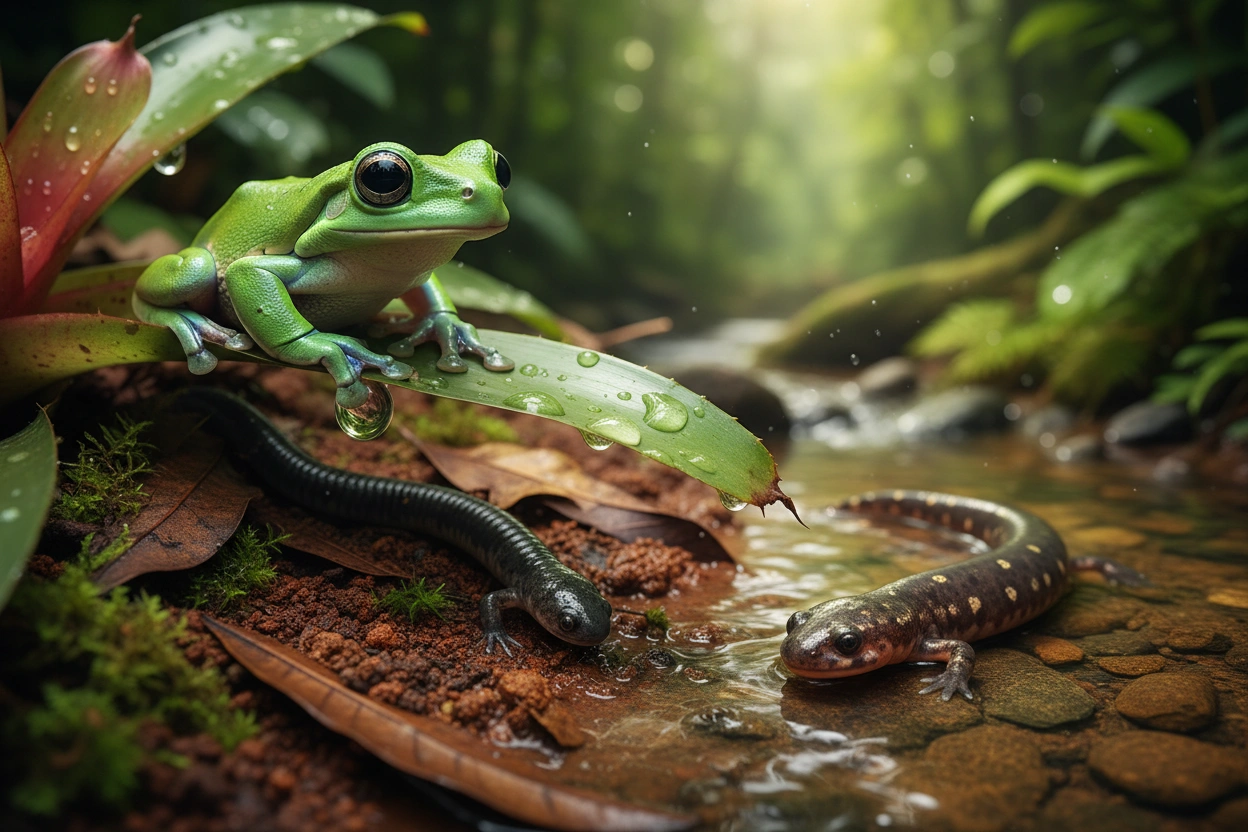
Despite their ecological importance, many misconceptions surround amphibians. Addressing these misunderstandings is vital for fostering a better appreciation and encouraging conservation efforts.
While some amphibians, like poison dart frogs, are indeed toxic, the majority are harmless. Most amphibians do possess some level of toxicity as a defense mechanism, but this varies widely among species. Education about which species are safe and which are not can help reduce fear and promote conservation.
Amphibians play critical roles in their ecosystems as both predators and prey. They help control insect populations and serve as food for various animals, including birds, mammals, and reptiles. The decline of amphibian populations can disrupt these ecological balances.
While many amphibians are aquatic during their larval stages, adults often inhabit terrestrial environments. Some species are entirely terrestrial, relying on moist environments to survive. Understanding their diverse habitats is essential for effective conservation strategies.
Individuals can play a significant role in amphibian conservation efforts. Here are some actionable steps you can take to make a difference:
By taking these steps, you can contribute to the protection of amphibians and their habitats.
Understanding amphibian behavior, particularly during mating rituals, is crucial for effective conservation strategies. The insights gained from studying these behaviors can inform habitat preservation, breeding programs, and public education efforts.
The Banana Slug Club is dedicated to raising awareness about amphibians and their unique behaviors. By engaging with our community, we aim to foster a deeper understanding of these remarkable creatures and promote conservation initiatives.
If you want to learn more about how to support amphibian conservation and apply the insights from this article, visit Banana Slug Club. Together, we can make a significant impact on the future of amphibians and ensure their survival for generations to come.
Get free resources, early access to new features and updates.
No spam. Just fun educational emails!


.svg)
.svg)