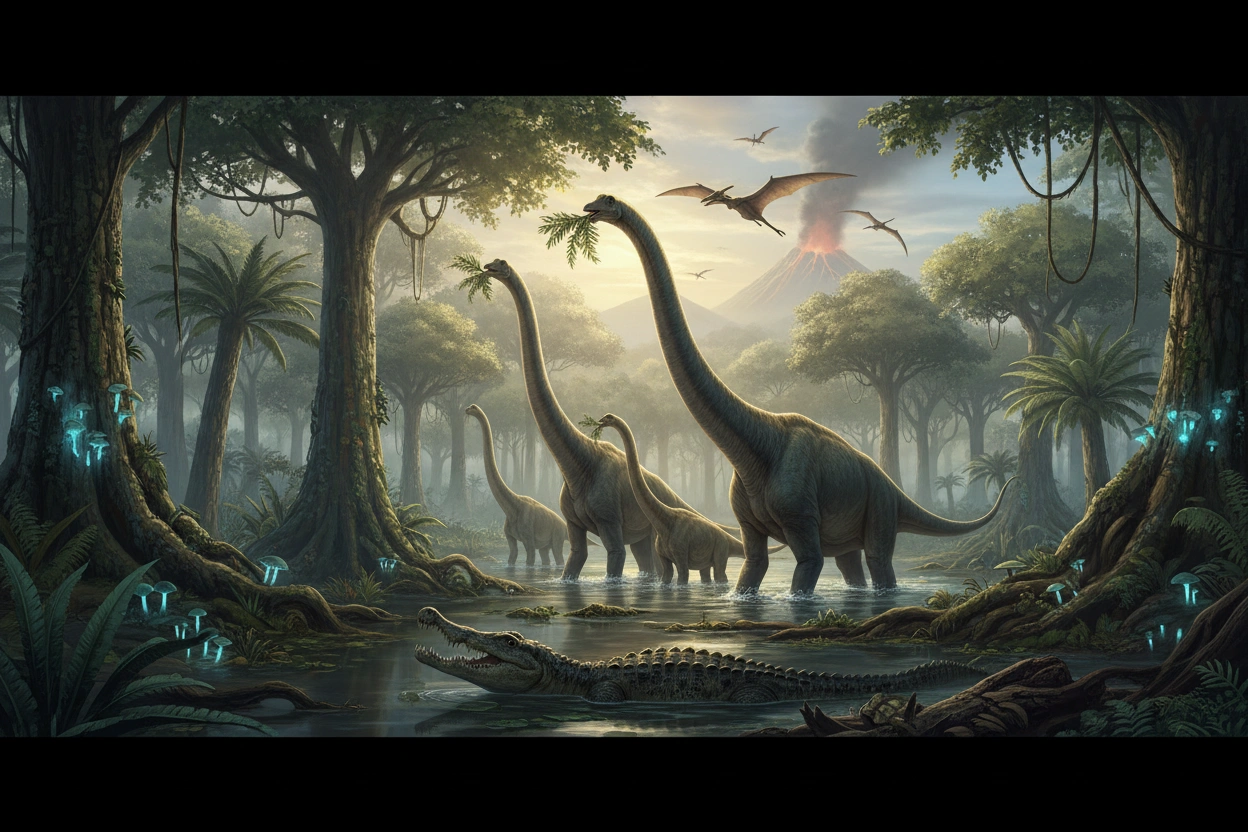
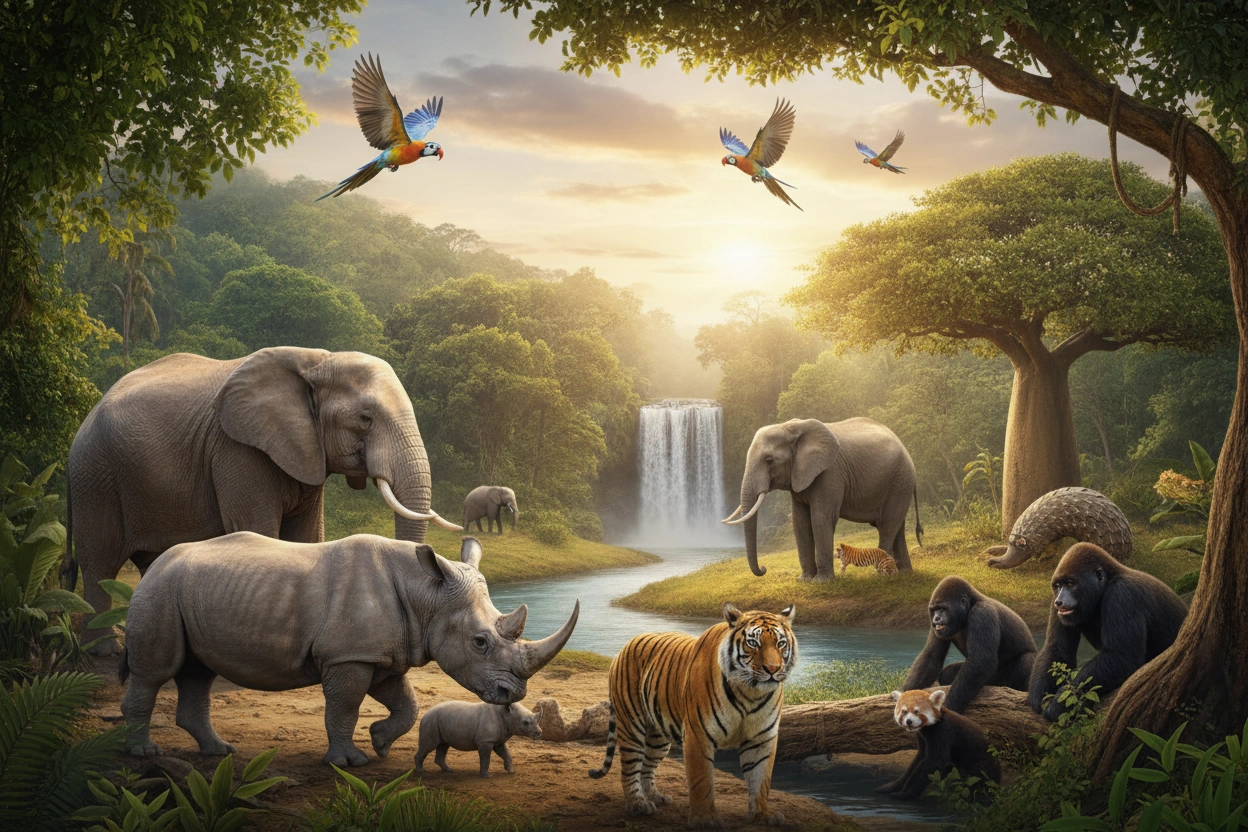
Reptiles are fascinating creatures that have captured the attention of pet enthusiasts and casual observers alike. With a wide variety of species available, each offering unique characteristics and care requirements, choosing the right reptile as a pet can be both exciting and challenging. As of 2026, the popularity of reptiles as pets continues to rise, driven by their exotic appeal and relatively low maintenance compared to traditional pets like dogs and cats. This article delves into popular reptile species, their specific needs, and how to decide which one may be the right fit for you.
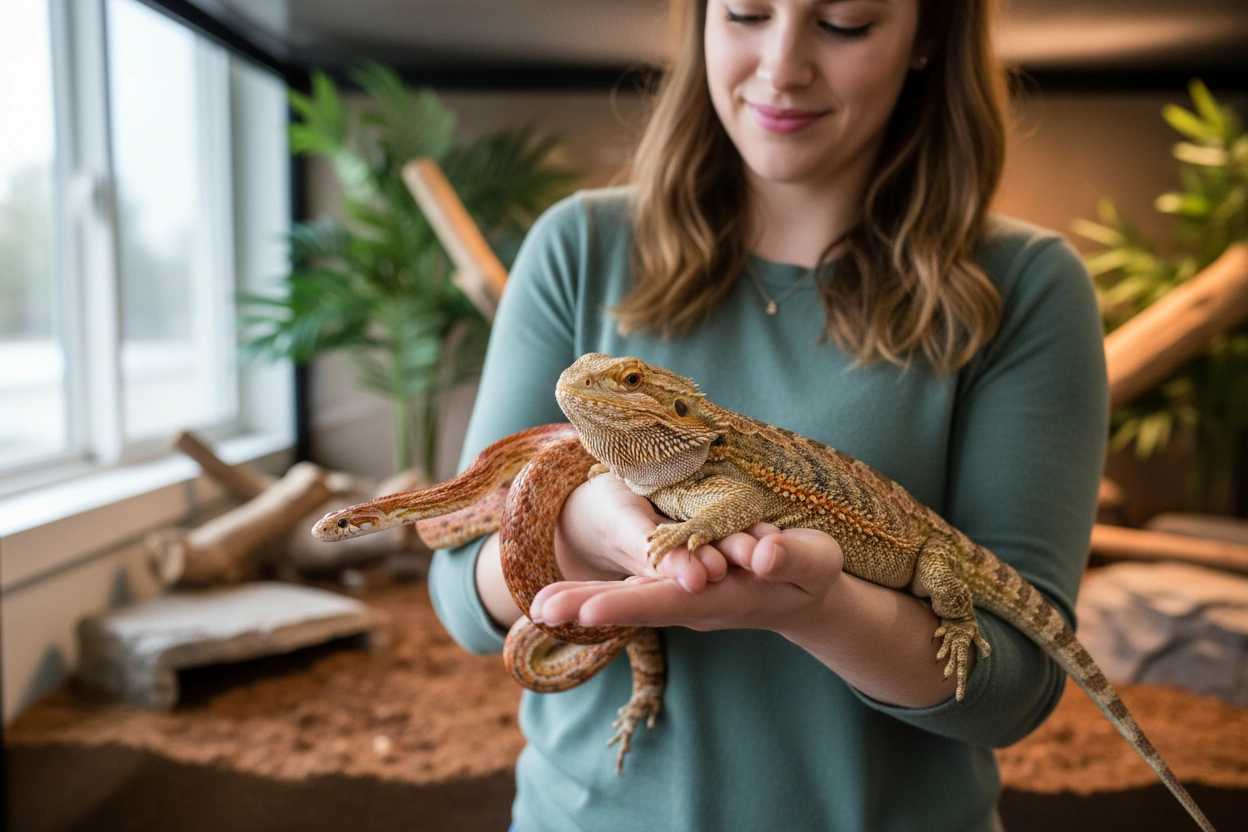
Reptiles encompass a diverse group of animals, including snakes, lizards, turtles, and tortoises. Each of these species has its own distinct traits, behaviors, and environmental needs. Understanding these differences is crucial for potential pet owners, as improper care can lead to health issues or even premature death of the animal.
Many people harbor misconceptions about reptiles, often viewing them as low-maintenance pets. While they may require less daily interaction than dogs or cats, reptiles demand specific care to thrive. Here are some common myths:
Myth 1: Reptiles don't need much attention.
Reality: While reptiles may not require the same level of social interaction, they still need regular handling and mental stimulation.
Myth 2: All reptiles are easy to care for.
Reality: Different species have varying needs in terms of habitat, diet, and temperature regulation. Some, like the ball python, are relatively easy to care for, while others, like certain chameleons, can be quite demanding.
Myth 3: Reptiles are not affectionate.
Reality: Many reptiles can form bonds with their owners and may even show signs of recognition and preference for certain individuals.

When considering a reptile as a pet, it's essential to evaluate the specific species' care requirements, lifespan, and temperament. Below is a list of some of the most popular reptiles among pet owners:
Bearded Dragon
Bearded dragons are friendly, easy to handle, and have a relatively straightforward care regimen. They thrive in a controlled environment with proper UV lighting and a balanced diet.
Ball Python
Known for their calm demeanor, ball pythons are a great choice for first-time reptile owners. They require a secure enclosure and a diet primarily consisting of rodents.
Leopard Gecko
These nocturnal lizards are low-maintenance and adaptable. They thrive in a warm environment and enjoy a diet of insects.
Corn Snake
Corn snakes are popular for their beautiful coloration and docile nature. They require a secure habitat and a diet consisting mainly of rodents.
Red-Eared Slider
A common choice among turtle enthusiasts, red-eared sliders require a water habitat with a basking area. They are social and can be housed with others of their species.
Chameleon
While stunning, chameleons have specific habitat needs, including humidity and temperature control, making them better suited for experienced keepers.
Green Iguana
Iguanas are large and require ample space and specialized care. They can be friendly if socialized properly from a young age.
Sulcata Tortoise
This tortoise species is known for its size and longevity. They require a spacious outdoor habitat and a diet high in fiber.
African Fat-Tailed Gecko
Similar to leopard geckos but with a more subdued appearance, they are easy to care for and enjoy a diet of insects.
Tokay Gecko
While beautiful, tokay geckos can be aggressive. They require a well-maintained habitat with ample climbing opportunities.
When selecting a reptile, consider the following factors to ensure a good match for your lifestyle:

Conservation efforts are crucial for the survival of many reptile species facing threats from habitat loss, climate change, and illegal trafficking. Below are ten endangered reptile species that highlight the importance of conservation initiatives:
Hawksbill Sea Turtle (Eretmochelys imbricata)
Critically endangered, this turtle is threatened by habitat loss and illegal trade of its shell. Conservation efforts focus on protecting nesting beaches and reducing bycatch in fisheries.
Bornean Pygmy Elephant (Elephas maximus borneensis)
Although primarily known as an elephant species, the Bornean rainforest is home to several endangered reptiles. Efforts are underway to preserve their habitats against deforestation.
Chinese Alligator (Alligator sinensis)
This critically endangered species is found in the Yangtze River basin. Conservation efforts include habitat restoration and breeding programs.
Green Sea Turtle (Chelonia mydas)
Threatened by habitat loss and poaching, conservation programs focus on protecting nesting sites and enhancing marine habitats.
Galápagos Giant Tortoise (Chelonoidis nigra)
Once on the brink of extinction, these tortoises have seen population recoveries through intensive conservation efforts including breeding programs and habitat protection.
Kemp's Ridley Sea Turtle (Lepidochelys kempii)
The most endangered sea turtle species, Kemp's Ridley faces threats from fishing, habitat loss, and climate change. Conservation programs focus on habitat protection and nesting site monitoring.
Psychedelic Rock Gecko (Cnemaspis psychedelica)
This brightly colored species from Vietnam is threatened by habitat destruction and the pet trade. Conservation efforts include habitat protection and regulations against illegal trade.
Panther Chameleon (Furcifer pardalis)
Native to Madagascar, this species is threatened by habitat loss due to deforestation. Conservation efforts focus on habitat restoration and awareness campaigns.
Sunda Pangolin (Manis javanica)
While primarily known for its mammalian status, the Sunda pangolin shares its habitat with many reptiles that are also endangered. Conservation efforts aim to reduce poaching and habitat destruction.
Seychelles Giant Tortoise (Aldabrachelys gigantea)
This tortoise has faced near extinction due to habitat loss and invasive species. Conservation programs focus on habitat restoration and breeding initiatives.
Education plays a vital role in conservation efforts. By informing the public about the plight of endangered reptiles, organizations can foster greater awareness and encourage responsible pet ownership and habitat protection. Here are some ways education can impact reptile conservation:
Choosing the right reptile requires careful consideration of various factors, including your lifestyle, available space, and commitment to care. By taking the time to research and understand the needs of different species, you can find a reptile that will thrive in your home and become a beloved companion.
Follow these essential steps to ensure you make an informed decision:
Reptiles offer a unique and rewarding experience for pet owners. As you explore the various species available, remember that responsible ownership is key to ensuring the well-being of these remarkable creatures. The Banana Slug Club is dedicated to providing resources, support, and education for reptile enthusiasts.
By understanding the needs of different reptiles and engaging in conservation efforts, you can make a positive impact on their lives. Whether you are a first-time owner or an experienced keeper, the Banana Slug Club is here to assist you in your journey.
For more information on how to care for your reptile or to learn about conservation efforts, visit Banana Slug Club today.
Get free resources, early access to new features and updates.
No spam. Just fun educational emails!


.svg)
.svg)