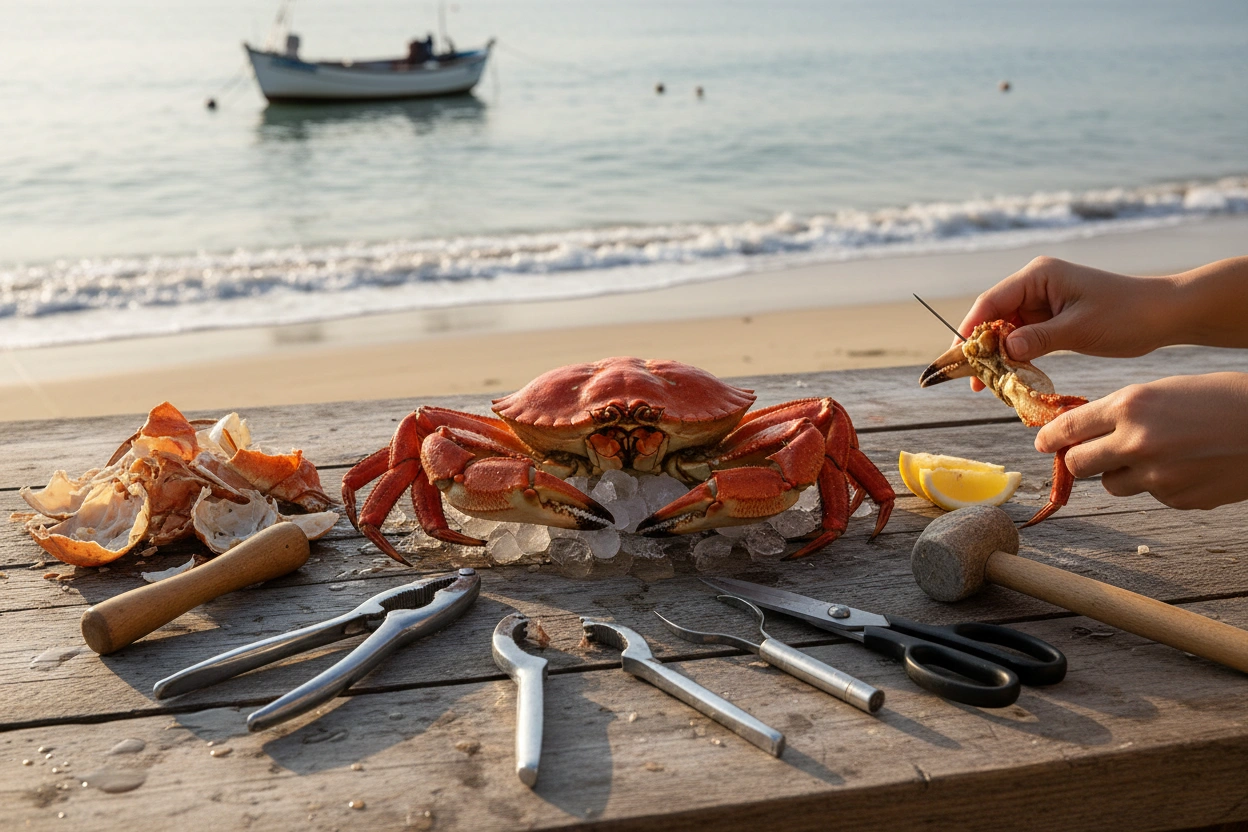
Crustaceans are a fascinating group of aquatic animals that include species such as crabs, lobsters, shrimp, and crayfish. These creatures play a vital role in aquatic ecosystems and have significant economic importance, particularly in fisheries and aquaculture. For beginners venturing into the world of crustaceans, understanding the essential tools and techniques is crucial for successful engagement, whether for personal enjoyment, research, or commercial purposes. This guide aims to provide a comprehensive overview of the tools and techniques needed to effectively work with crustaceans, along with key strategies to enhance your experience.
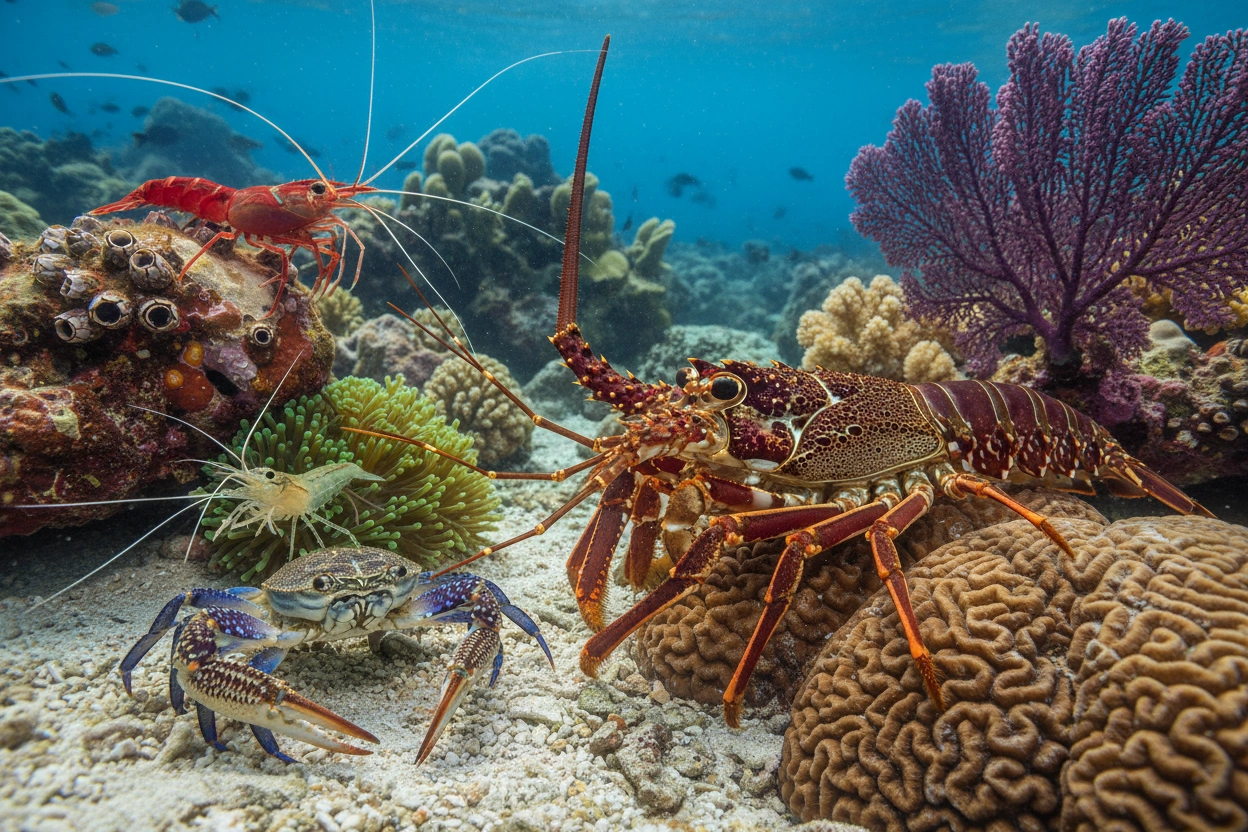
Crustaceans are a diverse group of arthropods characterized by a hard exoskeleton, jointed limbs, and a segmented body. They inhabit a wide range of environments, primarily aquatic, and can be found in both freshwater and marine ecosystems. Some common examples include:
Crustaceans are known for their adaptability and ecological significance, serving as both predators and prey within their habitats. They contribute to the food web and play a vital role in nutrient cycling.
The economic importance of crustaceans cannot be overstated. They are a significant source of protein for millions of people worldwide and are integral to various culinary traditions. The global crustacean market, including seafood and aquaculture, generates billions in revenue annually. Additionally, crustaceans serve as indicators of environmental health, making their study crucial for conservation efforts.
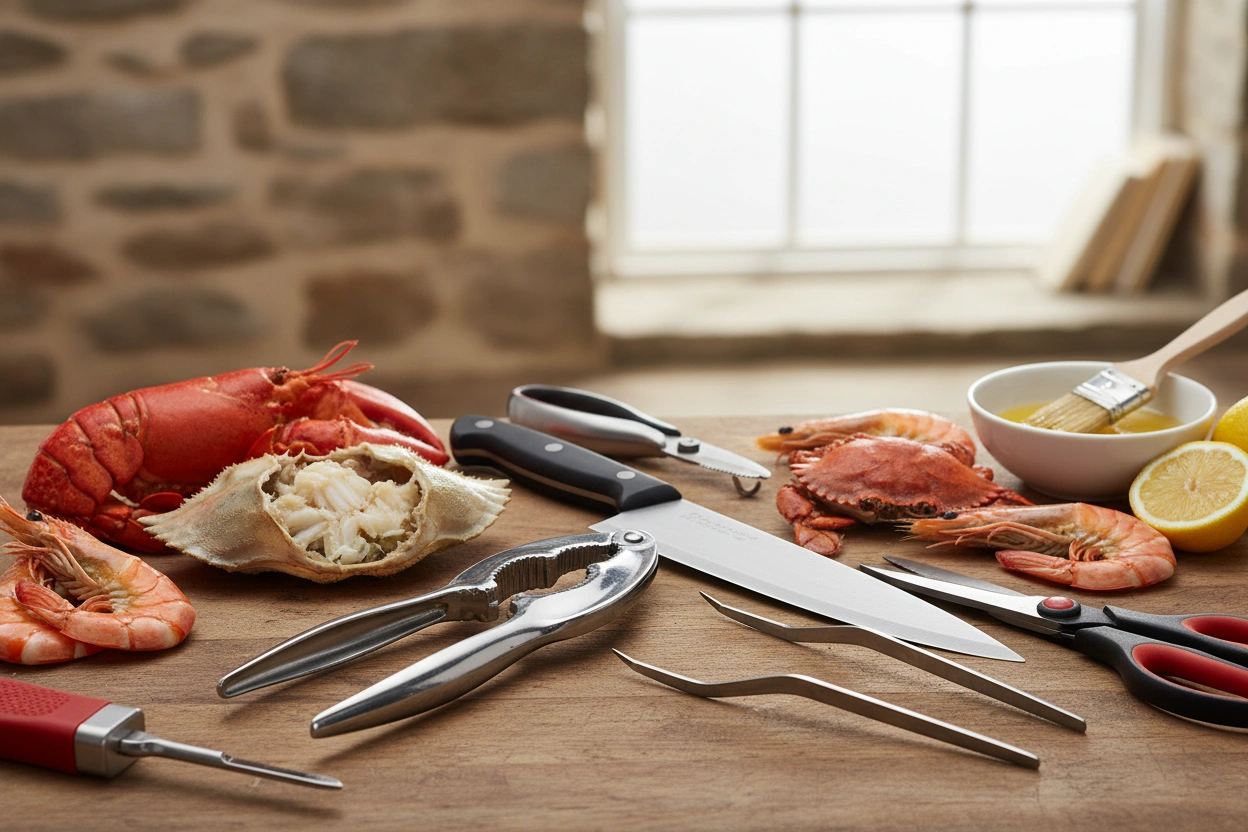
Equipping yourself with the right tools is essential for effectively handling and studying crustaceans. Here are some must-have tools for beginners:
Nets and traps are fundamental for capturing crustaceans in their natural habitats.
Accurate measurement is critical for understanding crustacean sizes and adhering to regulations regarding catch limits.
Proper storage is vital to maintain the health and quality of crustaceans post-capture.
Once you've captured crustaceans, you'll need the right tools for cleaning and cooking.
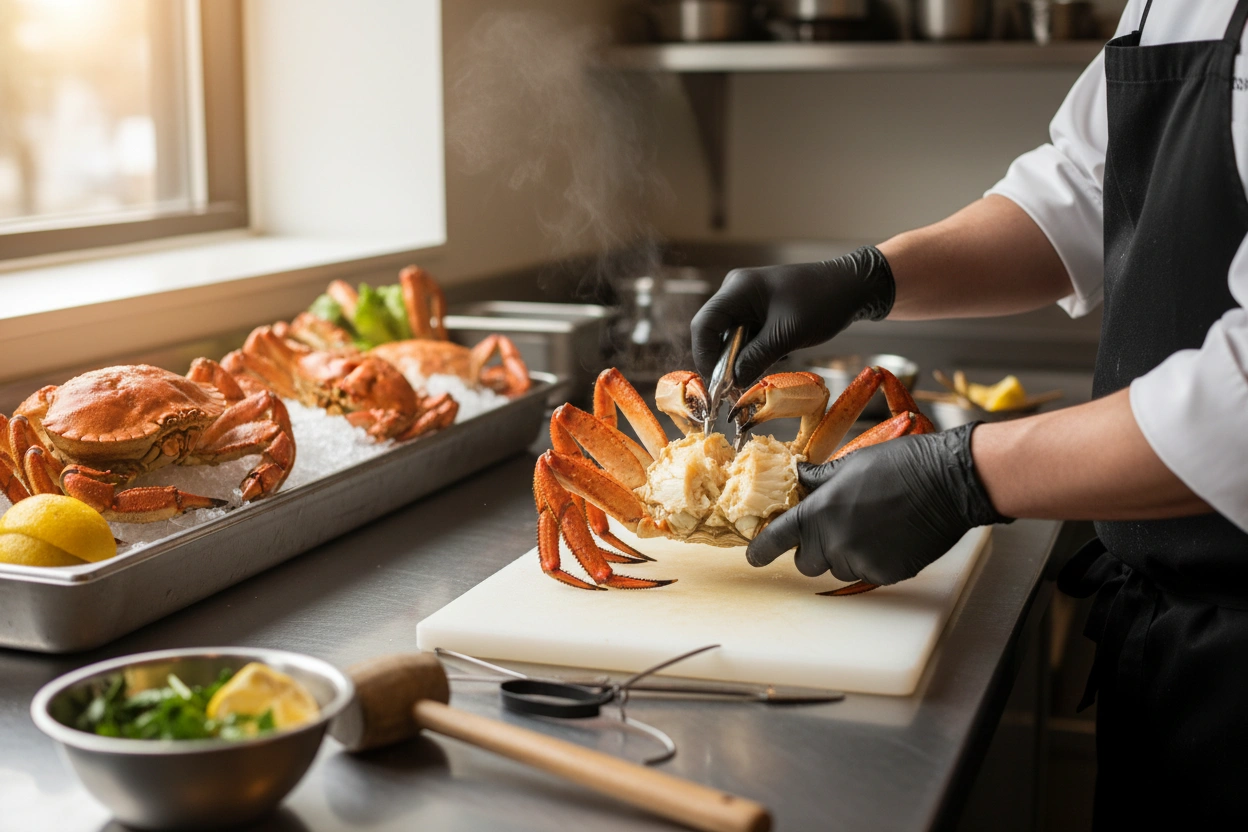
Once you have the right tools, mastering techniques for handling crustaceans is equally important. Here are essential techniques for beginners:
When working with crustaceans, safety is paramount.
Cleaning crustaceans correctly is crucial for culinary purposes.
Cooking crustaceans can vary significantly depending on the type.
To maximize your experience with crustaceans, consider implementing these key strategies:
Understanding local fishing regulations is crucial for sustainable practices.
Knowing the types of crustaceans available in your area can enhance your experience.
Sustainability is essential in crustacean fishing.
Using the right bait can significantly increase your catch rate.
As a beginner, it is essential to avoid common pitfalls that could hinder your crustacean experience.
Safety should always come first. Avoid unnecessary injuries by:
Failing to adhere to local regulations can lead to fines or penalties. Always:
Improper storage can lead to spoilage. Ensure you:
Understanding the ecological significance of crustaceans can deepen your appreciation for these creatures. They serve several vital roles:
Crustaceans contribute to nutrient cycling within aquatic ecosystems. As scavengers, they break down organic matter, recycling nutrients back into the ecosystem. This process supports the growth of aquatic plants and microorganisms, forming the foundation of the food web.
Crustaceans, such as crabs, help create and maintain habitat structures in marine environments. Their burrowing activities aerate sediments, promoting healthy ecosystems. This behavior also provides shelter for various marine organisms, enhancing biodiversity.
Sustainable practices are essential for preserving crustacean populations and their habitats. As a beginner, you can contribute to conservation efforts by:
By adopting sustainable practices, you play a vital role in ensuring that future generations can enjoy the rich diversity of crustaceans.
As you embark on your journey into the world of crustaceans, remember that knowledge and proper techniques are the keys to success. This guide has equipped you with essential tools, techniques, and strategies to make the most of your experience.
Banana Slug Club is dedicated to supporting enthusiasts like you in exploring and appreciating these remarkable creatures. Whether you're looking for more resources on crustaceans or seeking community engagement opportunities, Banana Slug Club can help you deepen your understanding and enjoyment of crustaceans.
To further enhance your learning and experience, visit Banana Slug Club for valuable resources and community support that will assist you in applying what you have learned about crustaceans. Contact Banana Slug Club today and dive deeper into the fascinating world of crustaceans.
Get free resources, early access to new features and updates.
No spam. Just fun educational emails!


.svg)
.svg)