Essential Guide to Crustaceans for Beginners: Tips and Tools
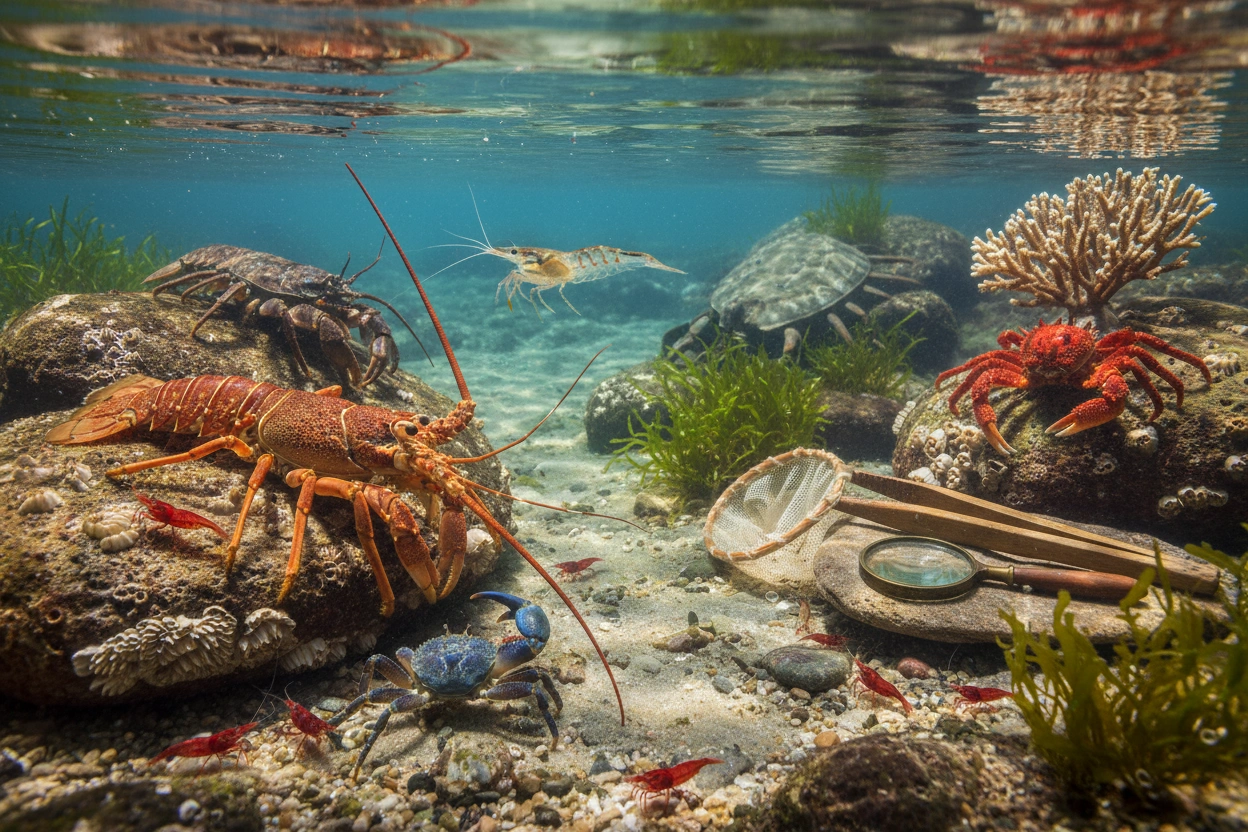
Crustaceans are a fascinating group of aquatic animals that include crabs, lobsters, shrimp, and many others. With a diverse range of species, crustaceans have captured the interest of marine biologists, chefs, and hobbyists alike. Whether you are looking to explore crustaceans for culinary purposes, aquarium care, or ecological understanding, this guide serves as an essential resource for beginners. This comprehensive overview will provide you with vital tips and tools to navigate the captivating world of crustaceans.
Understanding Crustaceans: An Overview
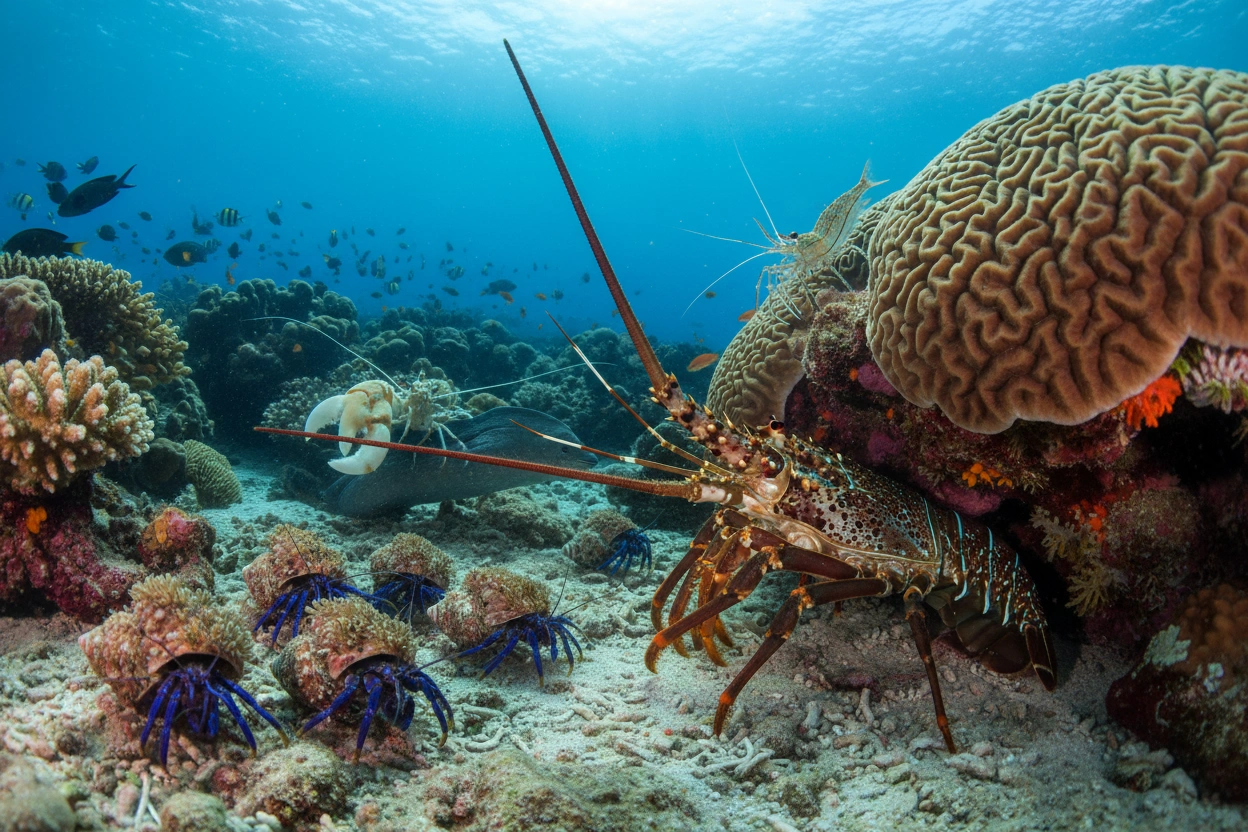
Crustaceans belong to the class Malacostraca and are primarily characterized by their exoskeletons, segmented bodies, and jointed limbs. These creatures inhabit various environments, from freshwater rivers and lakes to the depths of the ocean. With over 67,000 recognized species, crustaceans play a crucial role in aquatic ecosystems and human economies alike.
Key Characteristics of Crustaceans
- Exoskeleton: Crustaceans possess a hard outer shell that protects their bodies. This exoskeleton is made of chitin and must be molted periodically to allow for growth.
- Appendages: Most crustaceans have specialized limbs that serve different functions, including locomotion, feeding, and reproduction. These appendages can vary greatly among species.
- Habitat Diversity: Crustaceans can be found in diverse environments, including marine, freshwater, and terrestrial ecosystems, adapting to various ecological niches.
Understanding these fundamental characteristics will help you appreciate the complexity of crustaceans and their significance in the natural world.
Common Misconceptions About Crustaceans
- All Crustaceans Are Edible: While many crustaceans are consumed globally, not all species are safe for human consumption. Some may contain toxins or are not palatable.
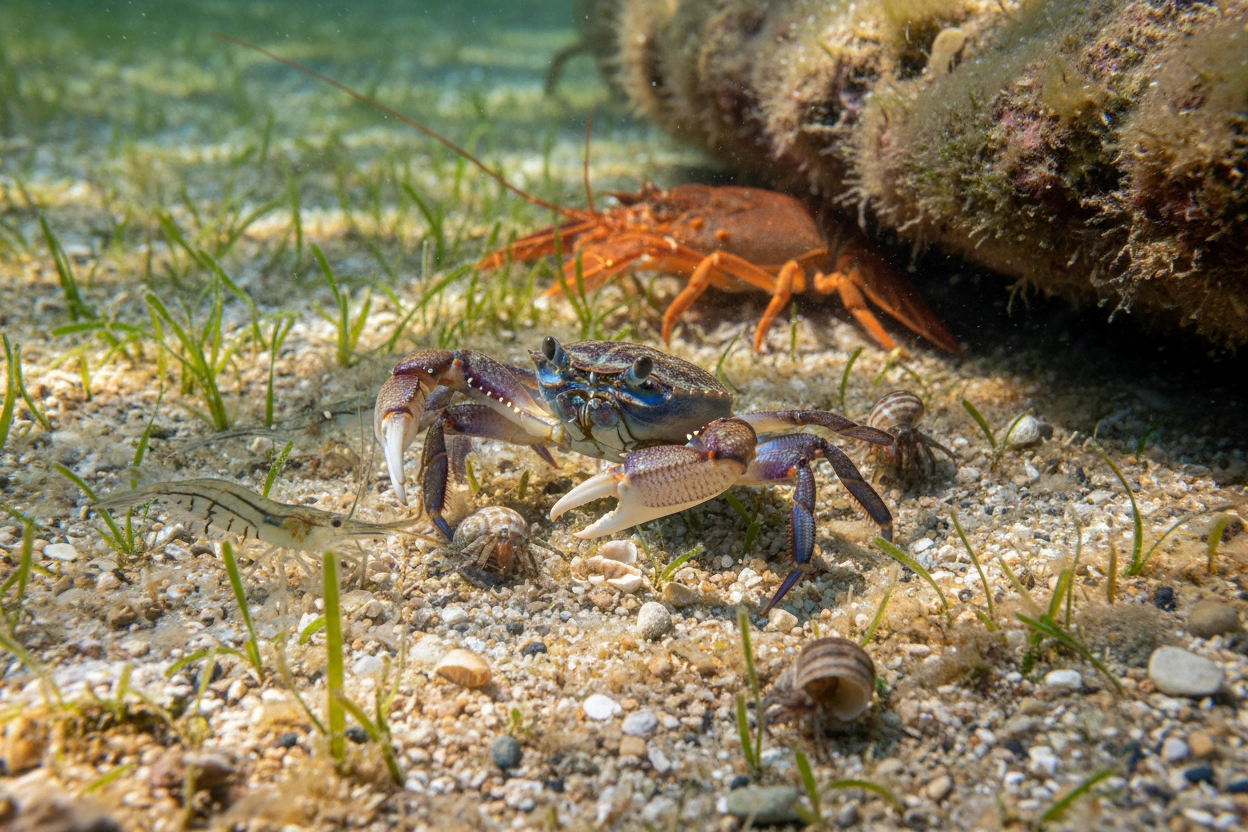
- Crustaceans Are Only Found in the Ocean: This is a common misconception. Many crustacean species thrive in freshwater environments, such as crayfish and certain types of shrimp.
- All Crustaceans Are Small: Crustaceans vary in size, from tiny copepods to the massive Japanese spider crab, which can span up to 12 feet in width.
By dispelling these myths, you can approach the study or enjoyment of crustaceans with a more informed perspective.
Top Crustaceans Strategies for Beginners
Engaging with crustaceans can be both rewarding and educational. Here are some essential strategies that beginners should consider:
1. Research and Learn
Understanding the different types of crustaceans and their habitats is the first step in your journey. This foundational knowledge will equip you with the tools necessary to make informed decisions, whether for culinary purposes or aquarium care.
- Utilize Online Resources: Websites like the Marine Conservation Society and National Oceanic and Atmospheric Administration (NOAA) offer extensive information on crustacean species and conservation.
- Read Books: Consider reading authoritative texts on crustacean biology, behavior, and ecology to deepen your understanding.
2. Choose the Right Species
If you're starting an aquarium or considering crustaceans for culinary use, selecting the right species is crucial.
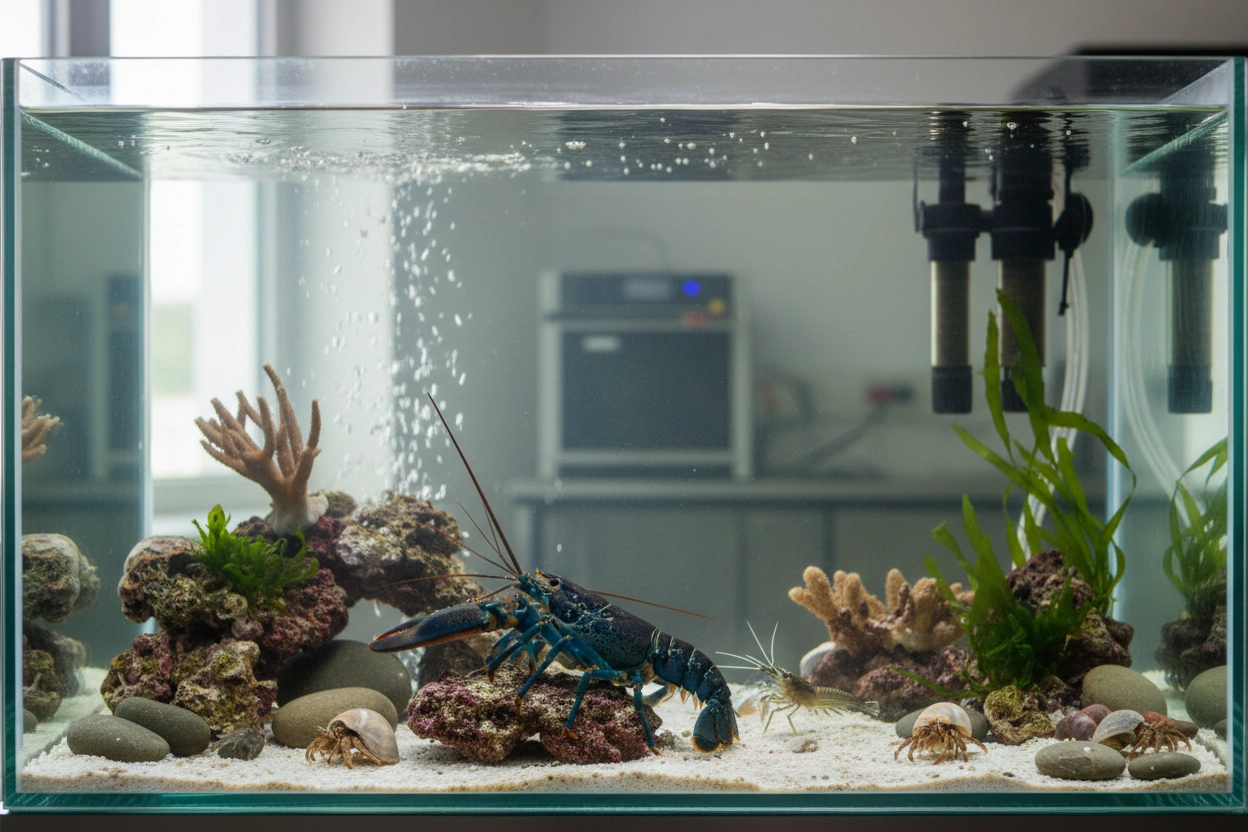
- For Aquariums: Popular choices include the red cherry shrimp and the African dwarf crab, which are relatively easy to care for and thrive in community tanks.
- For Cooking: Lobsters, shrimp, and crabs are common choices. Understanding the best practices for sourcing and cooking these crustaceans can enhance your culinary experience.
3. Invest in Proper Tools
Having the right tools can make a significant difference in your success with crustaceans. Here are some essential tools for both aquarium enthusiasts and home cooks:
Aquarium Care:
- Water testing kits to monitor pH, ammonia, and nitrate levels.
- A reliable filtration system to ensure a healthy environment.
- Specialized feeding tools for precise portion control.
Culinary Preparation:
- High-quality cooking utensils, such as seafood shears and shell crackers.
- Thermometers to ensure your crustaceans are cooked to perfection.
Best Practices for Crustacean Care
Whether you are keeping crustaceans in an aquarium or preparing them for a meal, adhering to best practices ensures a positive experience.
Aquarium Care
- Water Quality Management: Regular testing and maintenance of water quality are essential for crustacean health. Ensure proper filtration and perform regular water changes.
- Diet and Feeding: Provide a balanced diet tailored to the specific needs of your crustacean species. This may include algae wafers, high-protein pellets, and occasional treats like blanched vegetables.
- Habitat Enrichment: Incorporate hiding spots and structures in your aquarium to create a stimulating environment. This helps reduce stress and promotes natural behaviors.
Culinary Preparation
- Sourcing: Always source your crustaceans from reputable suppliers to ensure freshness and sustainability. Look for certifications that indicate responsible fishing practices.
- Preparation Techniques: Mastering various cooking methods, such as boiling, steaming, or grilling, can elevate your dishes. Experiment with different seasonings and sauces to enhance flavors.
- Storage: Proper storage is crucial for maintaining the freshness of crustaceans. Keep them in the refrigerator and consume them within a few days of purchase for the best quality.
Common Mistakes and How to Avoid Them
Engaging with crustaceans comes with its set of challenges. Here are some common pitfalls and how to avoid them:
- Neglecting Water Quality: Failing to monitor and maintain water quality can lead to poor health and even mortality among aquarium inhabitants. Regular testing and maintenance are non-negotiable.
- Overfeeding: It is easy to overfeed crustaceans, which can lead to water quality issues and health problems. Always follow feeding guidelines based on species requirements.
- Ignoring Species Compatibility: When setting up a community tank, ensure that the species you choose are compatible. Some crustaceans can be territorial or aggressive, leading to stress or harm among tank mates.
By being mindful of these common mistakes, you can enjoy a more successful experience with crustaceans.
Conclusion: Embracing the World of Crustaceans with Banana Slug Club
The journey into the world of crustaceans is both exciting and rewarding, whether you are a culinary enthusiast or an aquarium hobbyist. Through understanding their biology, choosing the right species, and adhering to best practices, you can cultivate a profound appreciation for these remarkable creatures.
Banana Slug Club is here to help you apply what you've learned about crustaceans in practical ways. We offer resources and support for enthusiasts at all levels, ensuring you have the tools needed to succeed in your crustacean endeavors.
For more information and assistance, visit Banana Slug Club and let us help you navigate the fascinating world of crustaceans.


.svg)
.svg)