Choosing a pet is a significant decision that involves careful consideration of various factors such as living space, maintenance requirements, and personal preferences. Among the diverse options available, reptiles have gained popularity due to their unique characteristics and relatively low maintenance compared to traditional pets like dogs and cats. In this article, we will delve into the world of reptiles, comparing various species to help you determine which reptile best fits your lifestyle. Additionally, we will explore the top ten endangered reptile species and their conservation status, emphasizing the importance of protecting these remarkable creatures.
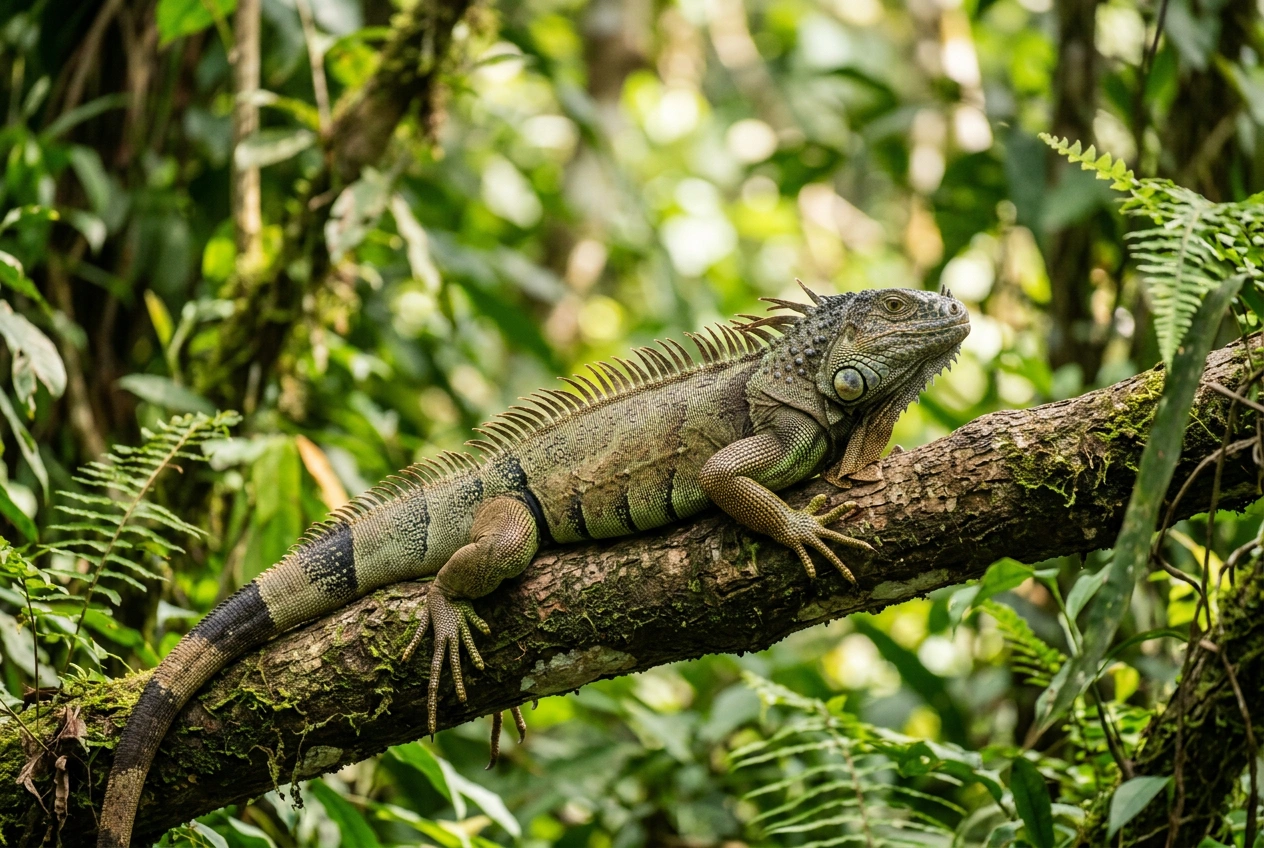
Reptiles are cold-blooded vertebrates that belong to the class Reptilia. This class includes a wide variety of species, such as snakes, lizards, turtles, and crocodilians. Reptiles have adapted to various environments, from arid deserts to lush rainforests. They are characterized by their scaly skin, which helps to prevent water loss, and their ability to lay eggs or give live birth, depending on the species.
When considering reptiles as pets, it is essential to understand the common species available. Here are a few popular options:
Understanding the specific needs and behaviors of each species is crucial in making an informed decision. Essential reptile care tips can help you provide the best environment for your new pet.

Selecting a reptile that fits your lifestyle involves several considerations. Here are key factors to keep in mind:
Different reptiles require varying amounts of space. Larger species, such as ball pythons and some turtles, need expansive enclosures, while smaller reptiles like leopard geckos can thrive in compact habitats. Assess your living space to determine what type of enclosure you can accommodate.
Reptiles can have specific dietary and habitat needs. Some require intricate setups with heat lamps and humidity controls, while others are more adaptable. Understanding the level of maintenance you can commit to is essential when choosing a pet reptile.
Reptiles are ectothermic, meaning they depend on their environment to regulate their body temperature. Ensure you can provide the appropriate heating and humidity levels for the species you are interested in. This often involves using heat mats, lamps, and hygrometers.
Many reptiles have long lifespans, sometimes exceeding 20 years. Consider the long-term commitment involved in caring for a reptile, including potential lifestyle changes that may arise over the years.

While many reptiles make excellent pets, numerous species face threats due to habitat destruction, climate change, and poaching. Here are ten endangered reptile species that highlight the importance of conservation efforts:
Hawksbill Sea Turtle (Eretmochelys imbricata)
Critically endangered due to illegal trade and habitat loss, hawksbill turtles play a vital role in marine ecosystems.
Bornean Pygmy Elephant (Elephas maximus borneensis)
Although not a reptile, it's important to mention that habitat destruction impacts various species, including reptiles. This elephant's conservation reflects broader environmental concerns.
Gharial (Gavialis gangeticus)
This critically endangered crocodilian species faces threats from habitat loss and overfishing in its native range in India and Nepal.
Chinese Alligator (Alligator sinensis)
Once widespread, this species is now critically endangered due to habitat destruction and pollution, with fewer than 150 individuals remaining in the wild.
Psychedelic Rock Gecko (Cnemaspis psychedelica)
This stunning species is endangered due to habitat loss and illegal collection for the pet trade.
Roti Island Snake-necked Turtle (Chelodina mccordi)
Endangered due to habitat loss and the illegal pet trade, this turtle is native to Indonesia.
Kuwait Sand Boa (Eryx muelleri)
This lesser-known snake is threatened by habitat loss and is considered vulnerable.
Philippine Crocodile (Crocodylus mindorensis)
Critically endangered due to habitat loss and hunting, conservation efforts are crucial for its survival.
Sunda Pangolin (Manis javanica)
Although a mammal, the plight of the pangolin reflects the broader issues faced by many species, including reptiles, due to illegal wildlife trade.
Indotestudo elongata (Southeast Asian Box Turtle)
This turtle species is threatened by habitat loss and the pet trade, making conservation efforts vital.
The plight of endangered reptiles emphasizes the need for conservation efforts. Organizations worldwide are working to protect their habitats and raise awareness about the importance of these species. Supporting conservation initiatives can help ensure that future generations can enjoy the beauty of reptiles in the wild.
As an individual, you can contribute to reptile conservation efforts in several ways:
Choosing a reptile as a pet is a rewarding experience, but it requires careful thought and research. Here are some actionable insights to help you choose the right reptile for your lifestyle:
Before selecting a reptile, take a moment to assess your daily routine and lifestyle. Consider the following:
Once you have a better understanding of your lifestyle, research various reptile species that align with your preferences. Look for species that match your space availability and the level of care you can provide. Choosing the best species for beginners can help narrow down your options.
Engaging with local reptile expos or pet shops allows you to interact with different species. This hands-on experience can help you make a more informed decision.
Joining online forums or local reptile clubs can provide valuable insights from experienced reptile owners. These communities often share tips on care, feeding, and habitat setup.
Before bringing your new reptile home, ensure that you have the appropriate habitat set up. This includes heating, lighting, and food sources tailored to your chosen species. A well-prepared environment is crucial for your reptile's health and well-being.
Understanding the needs of pet reptiles goes hand in hand with recognizing the importance of conservation. As responsible pet owners, we have a role to play in ensuring that we not only care for our reptiles but also support the conservation of their wild counterparts. The choices we make today can impact the future of reptile species and their habitats.
At Banana Slug Club, we are committed to educating pet owners about responsible reptile care and the significance of conservation efforts. By fostering awareness and providing resources, we can help ensure a better future for both pet reptiles and their endangered relatives. If you are considering adding a reptile to your family or wish to learn more about choosing the best reptiles as pets and conservation, visit Banana Slug Club for valuable insights and support. Together, we can make a difference in the lives of these remarkable creatures.
Get free resources, early access to new features and updates.
No spam. Just fun educational emails!