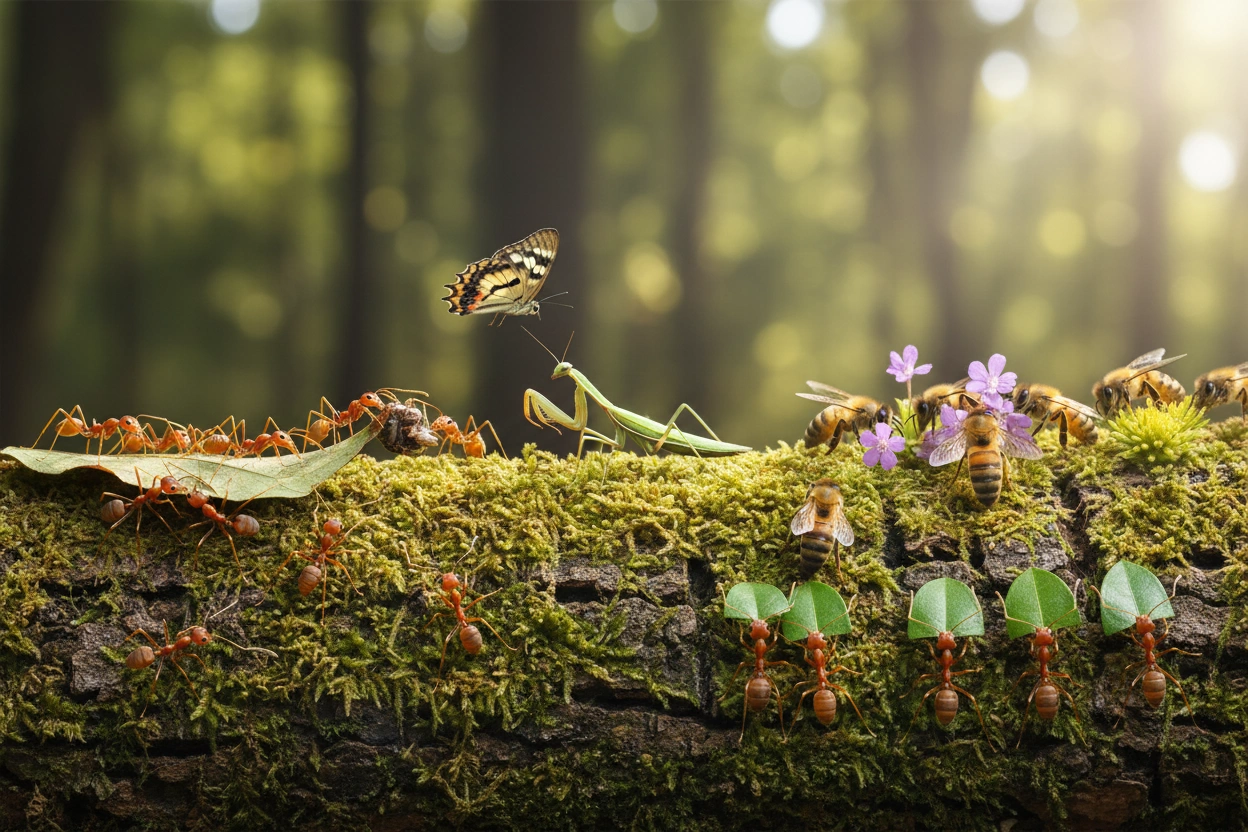
Insects represent a vast and intricate world, teeming with diversity and complexity. As of 2026, over a million insect species have been documented, with estimates suggesting that there may be up to 30 million species worldwide. This staggering number highlights not only their ecological importance but also the fascinating behaviors that govern their existence. Understanding insect behavior patterns is crucial for a variety of applications, from agriculture to conservation efforts. This article delves into the intricacies of insect behavior, offering insights into the science behind their actions and highlighting some of the most captivating insect species.

Insects exhibit a wide range of behaviors that can be categorized into several distinct patterns. These behaviors are influenced by environmental factors, genetic predispositions, and social interactions within species. By studying these patterns, researchers can gain a deeper understanding of not just the insects themselves but also the ecosystems they inhabit.
Social insects, such as ants, bees, and termites, exhibit complex social structures and behaviors. These species demonstrate cooperation, communication, and division of labor, which are essential for their survival and success.
Understanding these behaviors can provide insights into the evolutionary advantages of social living in insects.
Foraging behavior is another critical aspect of insect life. It involves the strategies insects use to locate and acquire food. This behavior can be influenced by factors such as resource availability, competition, and environmental conditions.
These foraging behaviors are crucial for the survival of insect populations and can significantly impact ecosystem dynamics.
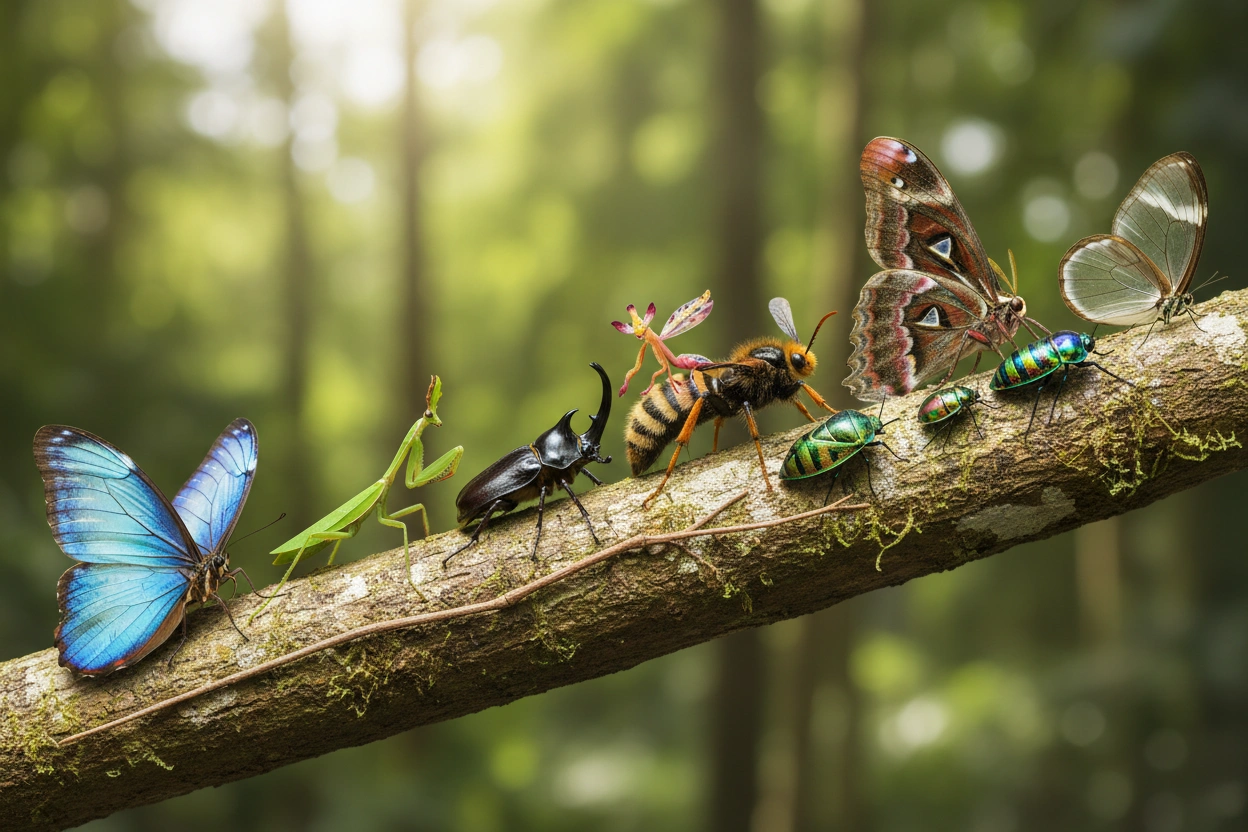
The world of insects is rich with diversity, showcasing species that exhibit extraordinary adaptations and behaviors. Here are ten of the most fascinating insect species that highlight the incredible range of insect life.
The Monarch butterfly is renowned for its remarkable migratory journey, traveling thousands of miles from North America to central Mexico. This migration is a complex behavior that involves navigating using environmental cues and memory.
Leafcutter ants are unique for their ability to cultivate fungi as a food source. They cut leaves and transport them to their nests, where they process the leaves to grow the fungus, demonstrating complex agricultural behavior.
The Bombardier beetle has a fascinating defense mechanism. It ejects a hot, noxious chemical spray from its abdomen when threatened, showcasing advanced chemical warfare tactics.
Fireflies are famous for their bioluminescence. They use light signals for mating communication, with different species producing distinct patterns of light.
Dragonflies are skilled predators, known for their exceptional flying abilities. They can hover, fly backward, and change direction rapidly, making them efficient hunters in their aquatic habitats.
The praying mantis is known for its predatory behavior, often displaying aggressive tactics when capturing prey. Its unique triangular head and ability to rotate it 180 degrees provide a significant advantage in hunting.
Honeybees are vital pollinators and exhibit remarkable social behavior. They communicate through intricate dances and are essential for agricultural productivity, making them crucial to human food supply.
Cicadas are famous for their unique life cycles, with some species emerging from the ground after 13 or 17 years. Their emergence is synchronized, leading to spectacular mating displays.
Stick insects are masters of camouflage, mimicking twigs and branches to evade predators. Their ability to blend into their surroundings is a fascinating example of evolutionary adaptation.
Termites play a crucial role in breaking down cellulose in wood, contributing to nutrient cycling in ecosystems. Their complex social structures and behaviors demonstrate advanced cooperative living.
Despite their ecological importance, insects are often misunderstood. Addressing these misconceptions can foster a greater appreciation for these remarkable creatures.
By debunking these myths, we can better understand the importance of insects in our world.
As we continue to explore insect behavior, new technologies and methodologies are enhancing our understanding of these creatures. The integration of genetic analysis, advanced imaging, and ecological modeling is paving the way for groundbreaking discoveries.
These advancements will not only deepen our understanding of insect behavior but also inform strategies for biodiversity conservation and ecosystem management.
Insects are integral to maintaining ecological balance, and understanding their behavior is crucial for conservation efforts. As we face challenges such as habitat loss and climate change, focusing on insect behavior patterns can inform strategies to protect their populations.
By integrating insect behavior research with conservation strategies, we can work toward a more sustainable future.
Insects are not merely creatures of annoyance; they are vital players in the intricate web of life. Understanding their behavior patterns reveals a world of complexity and adaptation that is essential for the health of our ecosystems. As we learn more about these remarkable organisms, organizations like Banana Slug Club are dedicated to fostering appreciation and knowledge about the natural world.
Whether through educational programs or conservation initiatives, Banana Slug Club is committed to promoting understanding of insect behavior and its importance in our ecosystems. By engaging with the community and providing resources, they help bridge the gap between scientific knowledge and public awareness.
If you are intrigued by the world of insects and want to learn more about how you can contribute to their conservation, visit Banana Slug Club today. Your involvement can make a significant impact on preserving the incredible diversity of life that insects represent.
Get free resources, early access to new features and updates.
No spam. Just fun educational emails!


.svg)
.svg)