Insects are among the most diverse and ecologically significant groups of organisms on our planet. They play crucial roles in pollination, decomposition, and serving as food for other wildlife. As gardeners, understanding insect behavior patterns can significantly enhance your gardening practices, leading to healthier plants and more fruitful yields. This article delves into the fascinating world of insects, focusing on insect species identification and exploring the top ten most fascinating insect species that can be beneficial or detrimental to your garden.
Insects exhibit a wide range of behaviors that can impact their interactions with plants, other insects, and their environment. These behaviors can be broadly classified into several categories, including foraging, mating, and defense mechanisms. By observing and understanding these patterns, gardeners can make informed decisions about pest control, plant selection, and habitat management.
Foraging is a critical behavior for many insect species, particularly those that are herbivorous or omnivorous. Insects such as aphids and caterpillars actively seek out plants that provide the nutrients they need to thrive. For gardeners, understanding these foraging patterns can help in early detection of potential infestations.
Mating behaviors in insects can be elaborate and varied. Many species use pheromones to attract mates, while others may engage in complex courtship rituals. Understanding these behaviors can help gardeners appreciate the role of insects in pollination.
Insects have evolved various defense strategies to protect themselves from predators. These adaptations can influence their presence in your garden and how they interact with other species.
Understanding specific insect species can provide gardeners with insights into which insects are beneficial, which are harmful, and how to manage them effectively. Here is a list of ten fascinating insect species that every gardener should know.
Ladybugs are well-known for their role in controlling aphid populations. They consume large quantities of aphids, making them invaluable allies for gardeners. Their bright colors also serve as a warning to predators about their toxicity.
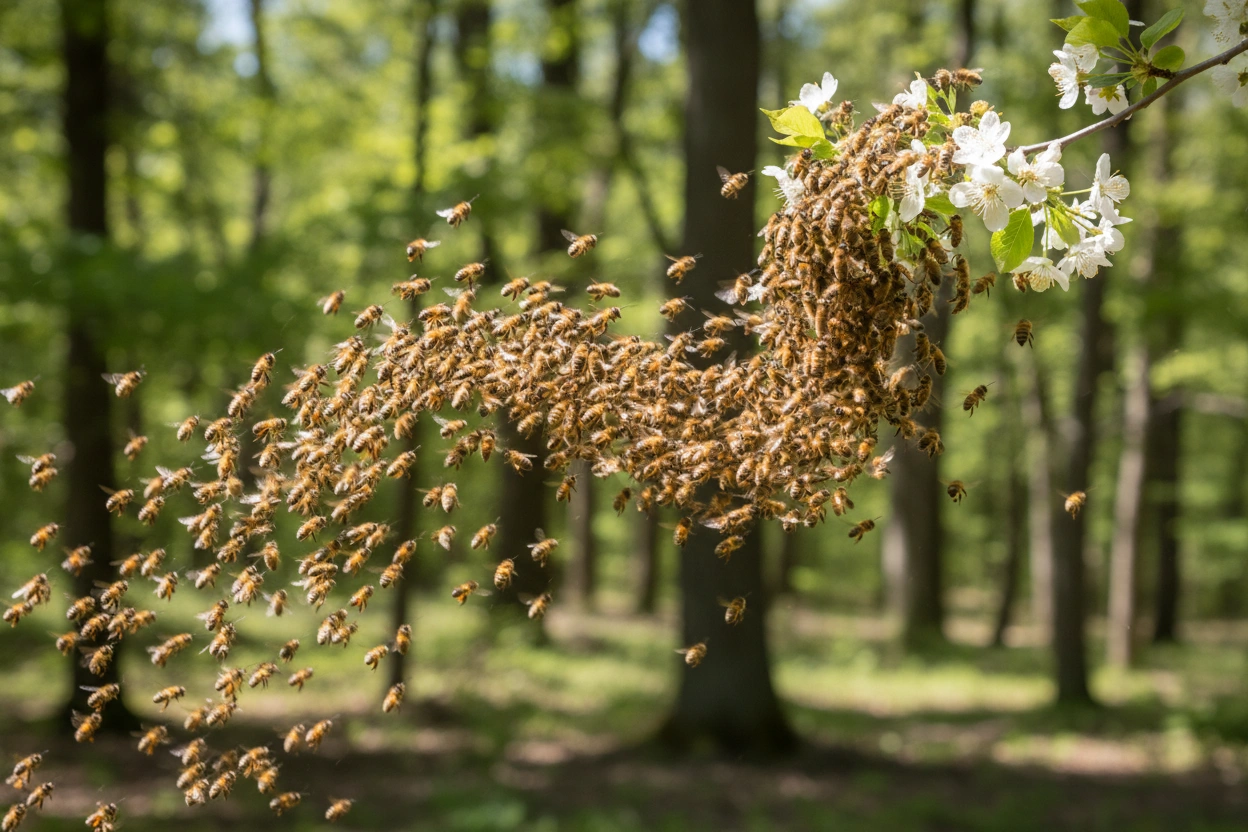
Honeybees are critical pollinators, contributing significantly to the pollination of many crops. Their complex social structures and foraging behaviors make them a subject of study in both ecology and agriculture.
Monarch butterflies are famous for their migratory patterns and their role in pollination. They rely on milkweed plants during their larval stage, making it crucial for gardeners to plant these species to support their life cycle.
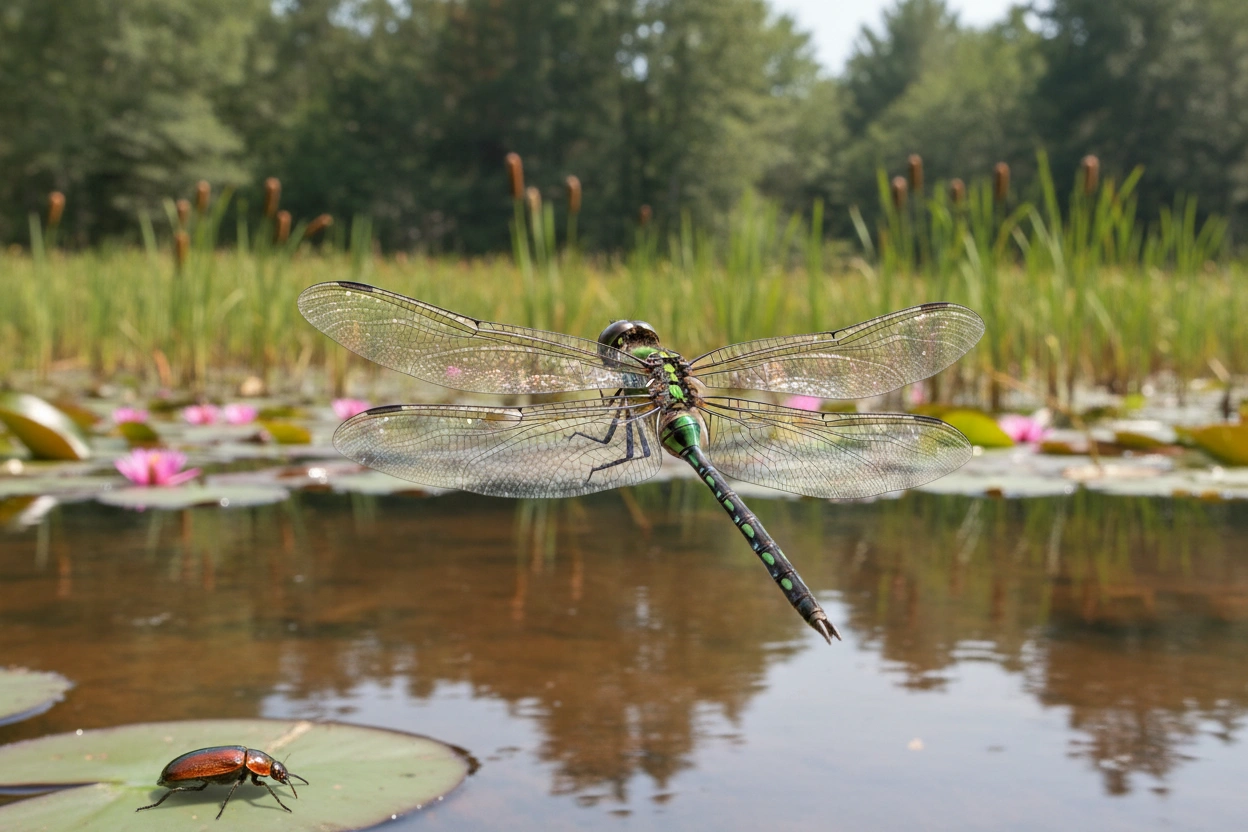
Dragonflies are natural pest controllers, feeding on mosquitoes and other small insects. Their ability to consume large quantities of pests makes them excellent allies in the garden.
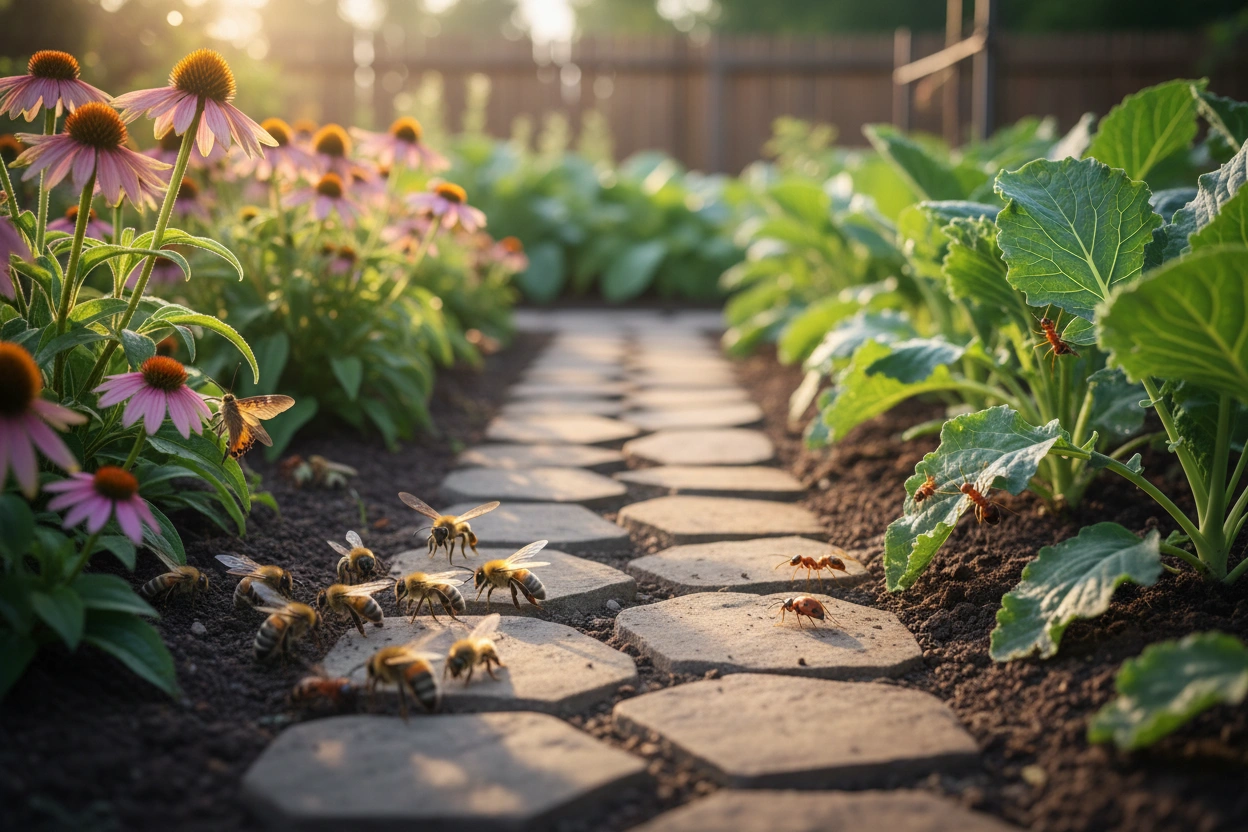
Ants are complex social insects that can benefit gardens by aerating the soil and controlling pests. However, some species may farm aphids for their honeydew, so understanding their behavior is essential for effective management.
While some grasshopper species can become pests, others contribute to the ecosystem by breaking down plant material and serving as food for birds and other wildlife. Monitoring their populations is important for maintaining balance.
Praying mantises are apex predators in the insect world. They consume various pests and can help reduce unwanted insect populations in gardens. Their unique hunting techniques make them fascinating to observe.
Fireflies are not only enchanting to watch but also play a role in ecosystems as predators of soft-bodied insects. Their bioluminescence is used for mating and can be an indicator of healthy environments.
Cicadas are known for their distinctive sounds and periodic life cycles. While they can be noisy, they are also important for soil aeration and nutrient cycling.
Aphids are often considered pests due to their ability to reproduce quickly and damage plants. However, they also serve as a food source for many beneficial insects, highlighting the importance of balanced pest management.
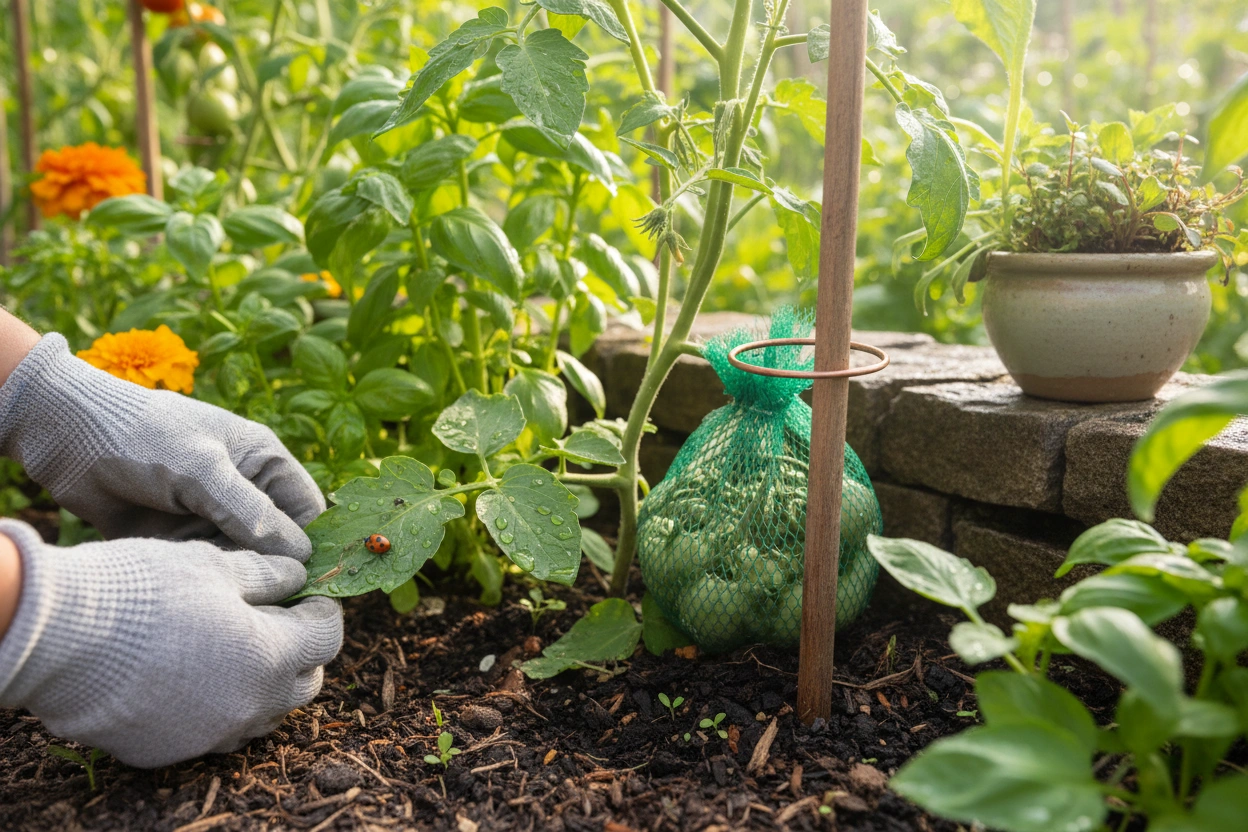
Understanding insect behavior patterns and species identification is crucial for effective garden management. Here are some practical tips to help you manage insects in your garden successfully.
Encouraging a diverse range of plants can attract beneficial insects and create a balanced ecosystem. Planting native species can provide food and habitat for various insects, helping to maintain healthy populations.
Regularly inspect your plants for signs of insect activity. Early detection of pests can help you implement control measures before they become a significant problem. Use sticky traps or visual inspections to monitor populations effectively.
Integrated Pest Management combines various strategies to control pests while minimizing harm to beneficial insects. This approach includes:
Invest time in learning about the different insect species that inhabit your garden. Understanding which insects are beneficial and which are harmful will enable you to make informed decisions about pest management.
Providing habitats for beneficial insects can enhance their populations in your garden. This can include:
If you need to control pest populations, consider using organic methods that are less harmful to beneficial insects. Options include:
Insects are vital to sustainable gardening practices. They contribute to pollination, nutrient cycling, and pest control, making them indispensable allies for gardeners. By understanding insect behavior patterns and implementing strategies to promote beneficial species, gardeners can create thriving ecosystems that support plant health and biodiversity.
By leveraging insights into insect behavior and species identification, gardeners can develop effective strategies to manage pests and promote beneficial insects. This knowledge empowers gardeners to make informed decisions, leading to healthier plants and more productive gardens.
Insects play a pivotal role in maintaining ecological balance and supporting healthy gardens. The insights gained from studying their behavior patterns and identifying species can dramatically improve your gardening practices. The Banana Slug Club is dedicated to providing resources and support for gardeners looking to fostering healthy ecosystems and engage with the fascinating world of insects.
If you want to learn more about how to enhance your gardening experience through sustainable practices and insect management, visit Banana Slug Club. Embrace the wonders of nature and help create a thriving environment for both plants and insects in your garden.
Get free resources, early access to new features and updates.
No spam. Just fun educational emails!


.svg)
.svg)