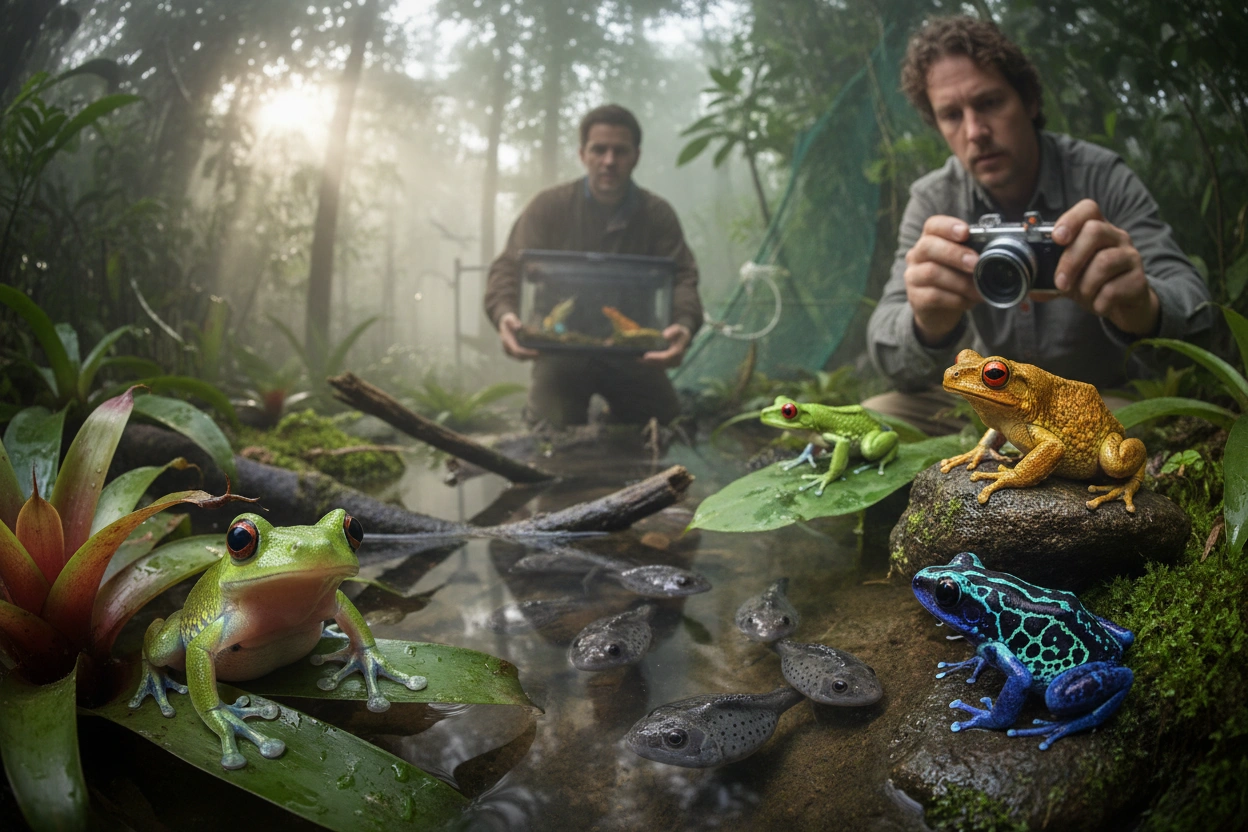
Amphibians are a fascinating group of animals that play crucial roles in ecosystems worldwide. Among these, salamanders stand out due to their unique characteristics, diverse habitats, and remarkable adaptability. As we delve into the world of amphibians, particularly focusing on salamanders, we will explore various types and highlight the critical conservation efforts in place to protect them. Understanding these creatures not only enriches our knowledge of biodiversity but also emphasizes the importance of preserving their habitats, especially in light of the ongoing challenges posed by climate change and habitat destruction.
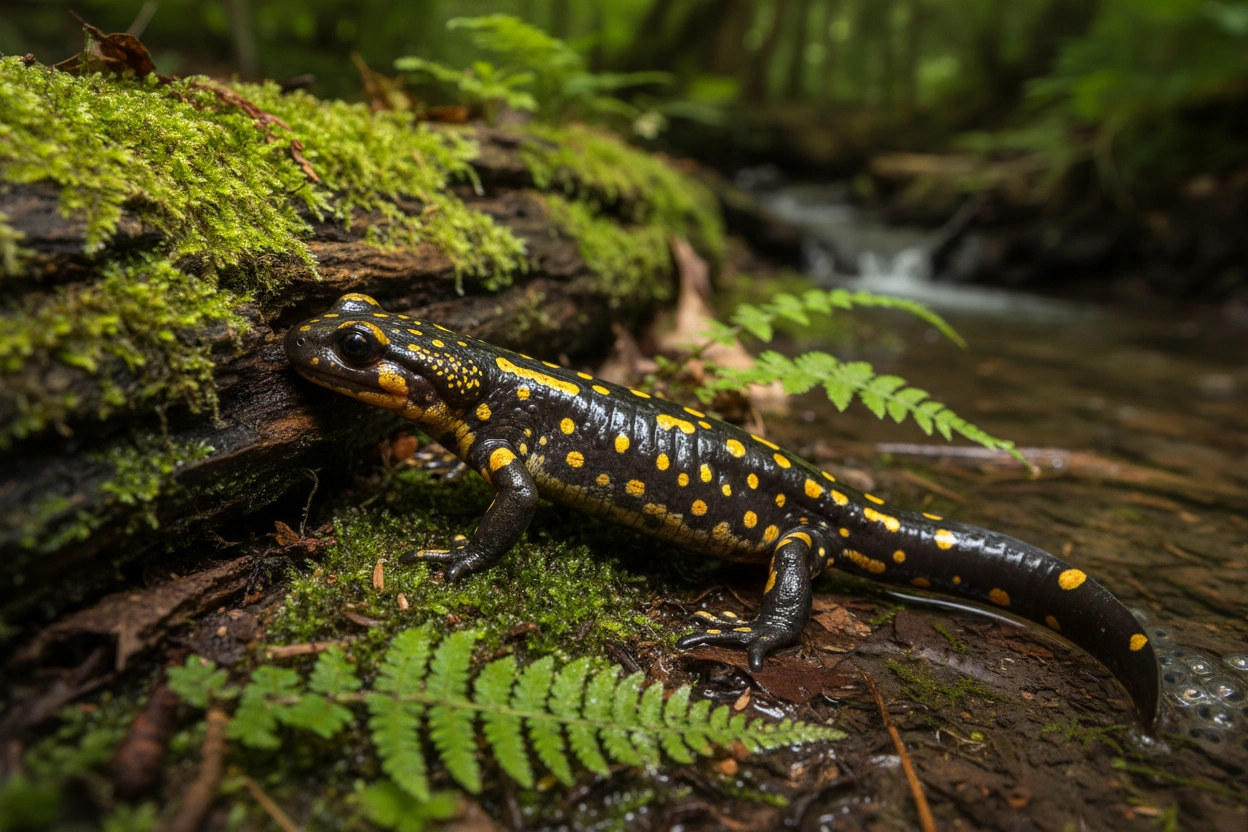
Salamanders belong to the order Caudata, which comprises a diverse array of species found across the globe. They are characterized by their elongated bodies, moist skin, and the presence of a tail. Unlike frogs, another well-known group of amphibians, salamanders do not undergo the same dramatic metamorphosis. Instead, they often retain juvenile characteristics into adulthood, a phenomenon known as neoteny.
Salamanders possess several unique features that differentiate them from other amphibians. These include:
Despite their fascinating traits, there are several misconceptions about salamanders that can hinder conservation efforts.
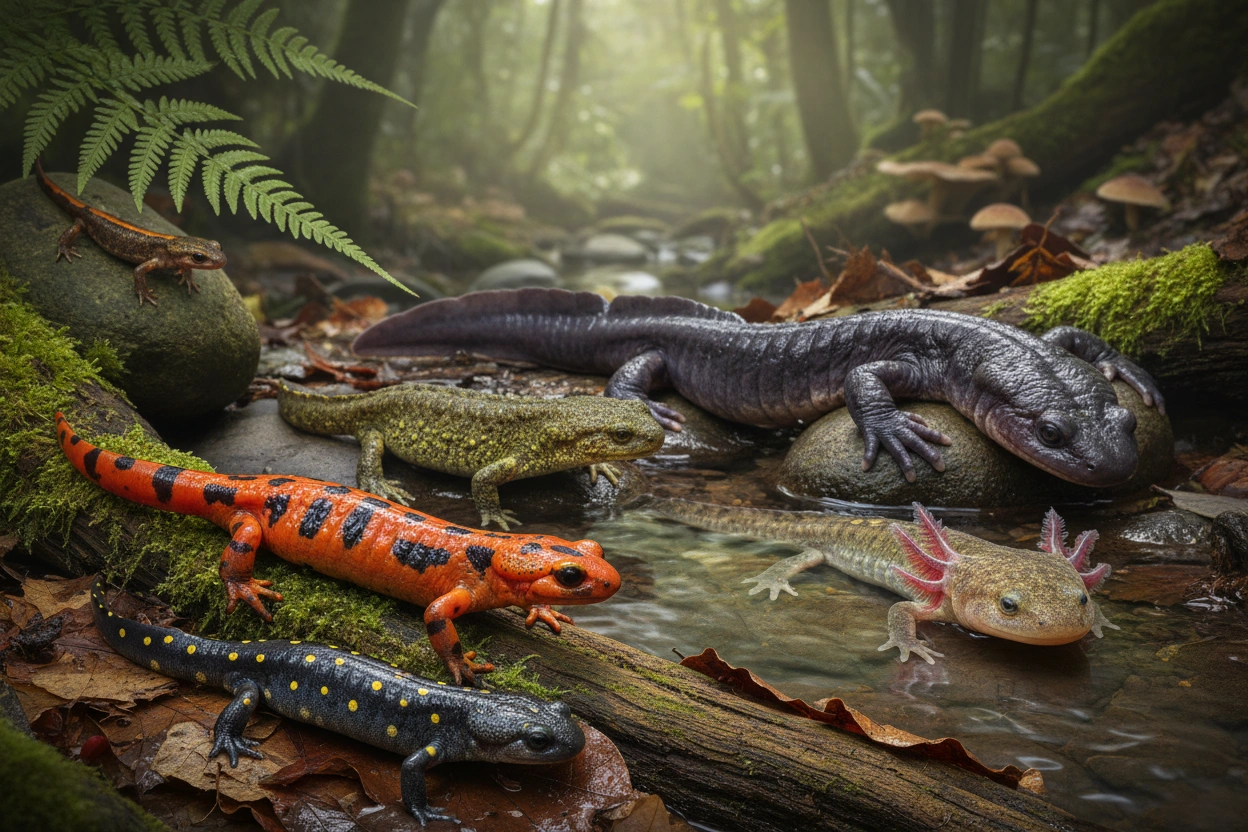
Here, we will explore ten unique types of salamanders, showcasing their diverse characteristics and habitats.
The Eastern Red-Backed Salamander is one of the most common salamanders in eastern North America. It can be found in moist forests and is easily recognized by its distinctive red or orange stripe down its back. This species is vital for maintaining the balance of forest ecosystems, as it feeds on insects and other small invertebrates.
The Axolotl, known for its remarkable regenerative abilities, is a neotenic salamander native to Mexico. Unlike other salamanders, it remains aquatic throughout its life, retaining its gills. The Axolotl is critically endangered due to habitat loss and pollution, making conservation efforts crucial for its survival.
The Tiger Salamander is recognized for its striking yellow or white spots against a dark background. Found across North America, this species thrives in a variety of habitats, including grasslands and forests. Its population faces threats from habitat destruction and climate change.
The Hellbender is the largest salamander in North America, reaching lengths of up to 29 inches. This aquatic species is primarily found in clean, fast-flowing rivers and streams. Its population is declining due to pollution and habitat degradation, highlighting the need for water quality conservation.
The Spotted Salamander is a striking amphibian known for its dark body adorned with yellow or white spots. It typically inhabits forests and breeds in temporary ponds. Conservation efforts focus on protecting its breeding habitats from development and pollution.
This salamander is easily identifiable by its blue spots and is found in eastern North America. The Blue-Spotted Salamander prefers moist habitats and is often seen during the spring breeding season. Habitat loss due to urbanization poses a significant threat to its populations.
The Red Salamander, with its vibrant red coloration, is a striking species commonly found in streams and wet areas. This salamander is sensitive to environmental changes, making it an important indicator species for habitat health.
This species is known for its distinctive two lines running along its body. The Northern Two-Lined Salamander thrives in moist forested areas and is often found near streams. Its populations are threatened by habitat destruction and pollution.
The California Tiger Salamander is a threatened species endemic to California. This salamander relies on seasonal ponds for breeding and is affected by habitat loss due to agricultural and urban development. Conservation efforts focus on protecting its breeding grounds and surrounding habitats.
The Marbled Salamander is unique for its distinct marbled pattern and is typically found in wooded areas. It is one of the few salamanders that breed in the fall. Conservation efforts are essential for its survival, particularly in areas threatened by development.

As we explore the diverse world of amphibians, it becomes increasingly clear that conservation efforts are vital for preserving these unique creatures. Amphibians, including salamanders, face numerous threats that jeopardize their survival.
To combat the threats faced by amphibians, various conservation efforts are underway. Here are ten notable initiatives that aim to protect these vital species:
As we conclude our exploration of salamanders and amphibians, it is essential to recognize the collective responsibility we have in protecting these unique creatures. Organizations like the Banana Slug Club are dedicated to raising awareness about amphibian conservation and supporting efforts to protect their habitats.
At Banana Slug Club, we are committed to promoting awareness and facilitating conservation initiatives that benefit amphibians worldwide. By understanding the unique amphibian characteristics and challenges faced by salamanders and other amphibians, we can contribute to their preservation.
If you're interested in making a difference, consider getting involved with local conservation efforts, supporting habitat restoration projects, or simply spreading the word about the importance of amphibians. Together, we can ensure that future generations will continue to marvel at these remarkable creatures.
For more information on how you can help or to learn more about our initiatives, please visit Banana Slug Club. Your support can make a significant impact on amphibian conservation efforts globally.
Get free resources, early access to new features and updates.
No spam. Just fun educational emails!


.svg)
.svg)