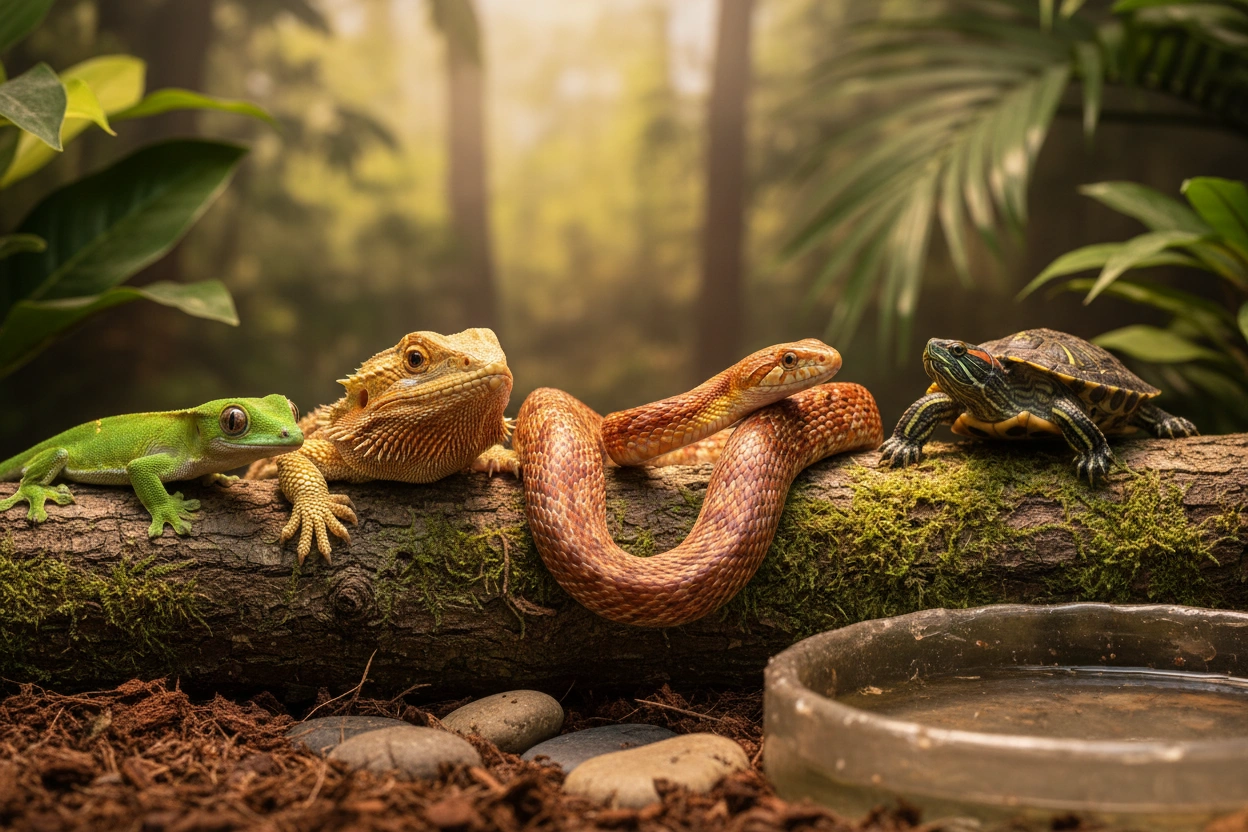
Reptiles have become increasingly popular as pets over the years. They offer a unique alternative to traditional furry companions, and many people are drawn to their fascinating behaviors and diverse appearances. However, selecting the right reptile for your lifestyle and experience level can be daunting, especially for beginners. This article aims to provide a comprehensive comparison of common reptiles, detailing their care requirements, temperaments, and suitability for novice pet owners. Additionally, we will explore the top 10 endangered reptile species and their conservation status to raise awareness about the challenges these creatures face in the wild.
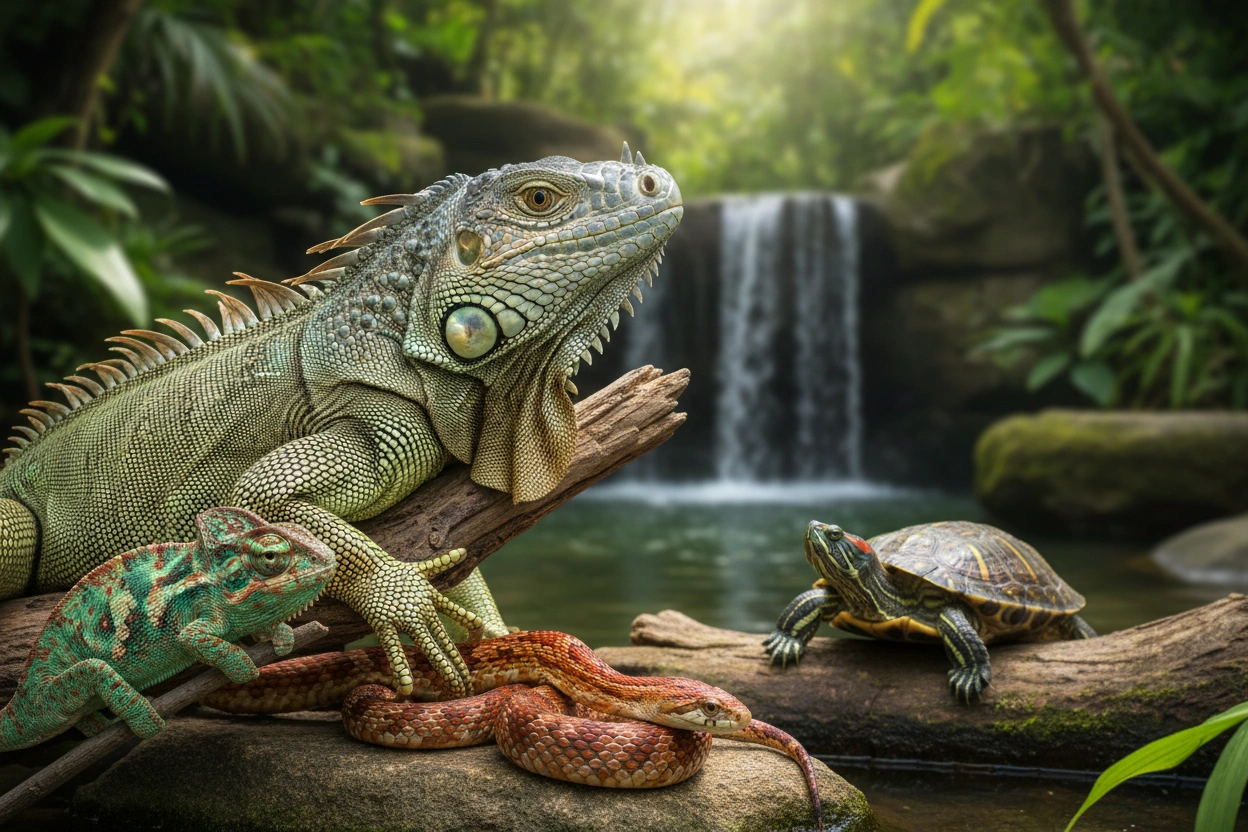
Before diving into the specifics of which reptile is best for beginners, it is essential to understand what reptiles are and the general characteristics that define them. Reptiles are cold-blooded vertebrates that belong to the class Reptilia. This class includes a variety of species, including snakes, lizards, turtles, and crocodilians. Reptiles are unique in their physiological traits, such as scaly skin and the ability to lay eggs, although some give birth to live young.
Many beginners harbor misconceptions about reptiles, which can lead to poor choices when selecting a pet. Here are a few common myths debunked:
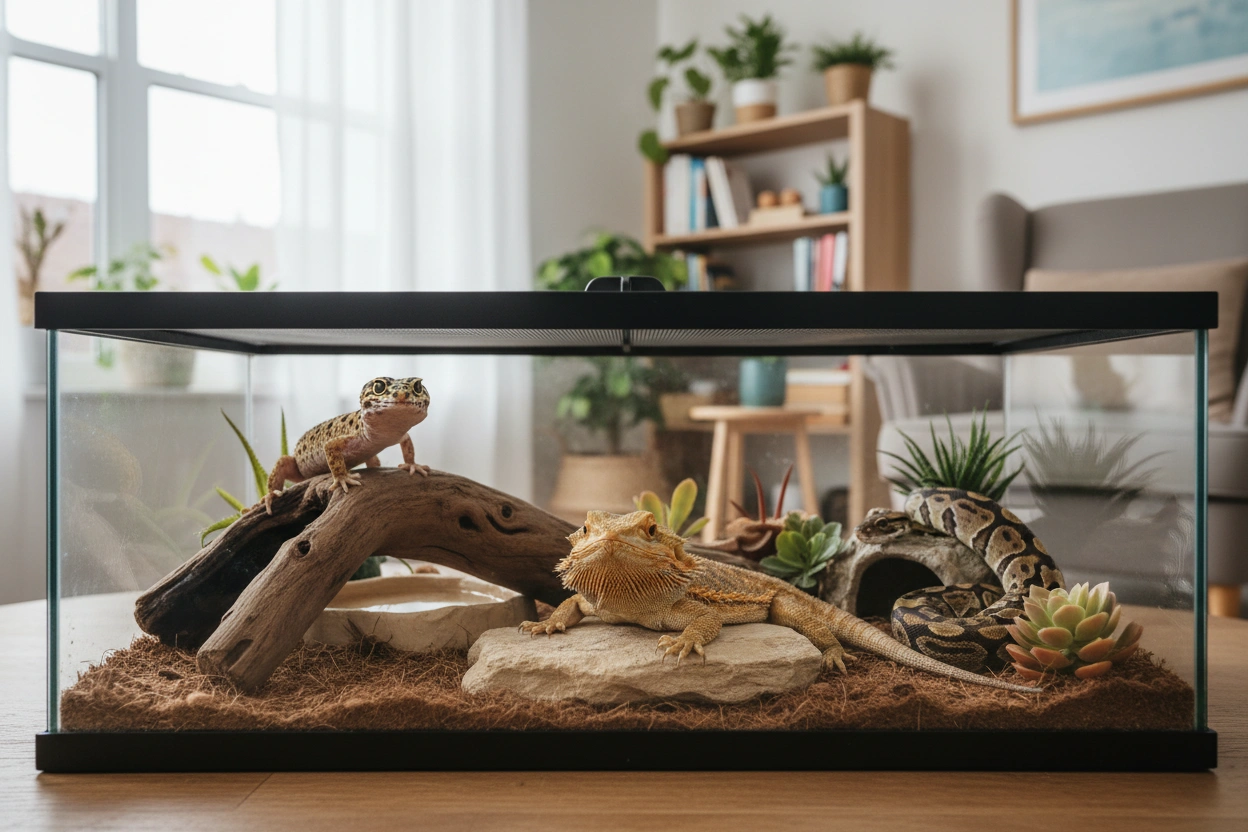
Choosing the right reptile can significantly impact your pet ownership experience. Here are some of the most suitable reptiles for beginners, along with their specific care requirements.
Leopard geckos are among the most popular reptiles for first-time owners. They are known for their easy-going nature and manageable size.
Corn snakes are well-regarded for their docile temperament and vibrant coloration. They are relatively easy to care for, making them a favorite among beginners.
Bearded dragons are social reptiles that thrive on interaction. Their engaging personalities make them a great choice for families.
Ball pythons are known for their manageable size and calm demeanor. They are excellent for novice keepers who are willing to learn.
Russian tortoises are great for beginners who prefer a slower-paced pet. They are hardy and can live for decades.
Crested geckos are known for their unique appearance and ease of care. They are nocturnal and can be a fascinating addition to any home.
Green anoles are small, colorful lizards that are easy to care for and can be kept in small spaces.
Similar to leopard geckos, African fat-tailed geckos are gentle and easy to care for, making them excellent pets for beginners.
Blue-tongued skinks are unique reptiles known for their distinctive blue tongues. They are friendly and relatively easy to care for.
Uromastyx lizards are unique and hardy reptiles. They are herbivores and are known for their distinctive appearance.

While many reptiles make excellent pets, numerous species are endangered and face threats in their natural habitats. Understanding these species and the conservation efforts to protect them is crucial for raising awareness.
Hawksbill turtles are critically endangered, primarily due to habitat loss and illegal trade. Their shells are highly sought after for decorative items.
This unique frog species faces threats from deforestation and habitat degradation, leading to its status as endangered.
The gharial, a fish-eating crocodilian, is critically endangered due to habitat loss and depletion of fish populations in its native rivers.
Once thought extinct, the Madagascar pochard is critically endangered, with habitat loss and invasive species threatening its survival.
The largest living lizard is classified as vulnerable, facing threats from habitat destruction and climate change.
Endemic to the Philippines, this crocodile is critically endangered due to habitat loss and hunting.
This species is vulnerable due to habitat loss and hunting for its skin.
The flatback turtle is considered vulnerable, with threats from habitat loss and climate change.
This small turtle species is threatened by habitat loss and the pet trade.
This species is critically endangered due to habitat destruction and illegal hunting.
Conservation efforts for these endangered reptiles include habitat restoration, legal protection, and breeding programs. Organizations worldwide are working tirelessly to ensure these species do not become extinct. By raising awareness and supporting conservation initiatives, individuals can contribute to preserving these remarkable creatures.
Reptiles offer a fascinating and rewarding experience for pet owners. As we've explored, there are numerous common reptiles that are suitable for beginners, each with unique care requirements and temperaments. By understanding these factors and the importance of conservation, prospective reptile owners can make informed decisions that benefit both themselves and the broader ecosystem.
Choosing a reptile as a pet can lead to a fulfilling relationship, provided that you are well-informed and prepared. Each species brings its charm and personality, allowing you to select one that aligns with your lifestyle.
If you are passionate about reptiles and want to learn more or share your experience, consider connecting with the Banana Slug Club. This community fosters a love for reptiles and encourages responsible pet ownership and conservation.
To deepen your understanding of reptiles and their care, explore the resources available through the Banana Slug Club. Whether you are a beginner or an experienced reptile enthusiast, there is always more to learn and share.
Visit Banana Slug Club today to join a community dedicated to the appreciation and conservation of reptiles, and to enhance your knowledge about these incredible creatures.
Get free resources, early access to new features and updates.
No spam. Just fun educational emails!


.svg)
.svg)