Reptiles have captivated the hearts of many animal lovers, thanks to their unique characteristics and diverse species. As pets, they offer an intriguing alternative to traditional furry companions. Understanding the various common reptiles available can help potential pet owners make informed decisions that suit their lifestyle and preferences. This article delves into the fascinating world of reptiles, comparing popular species, and addressing the critical issue of endangered reptiles and their conservation.
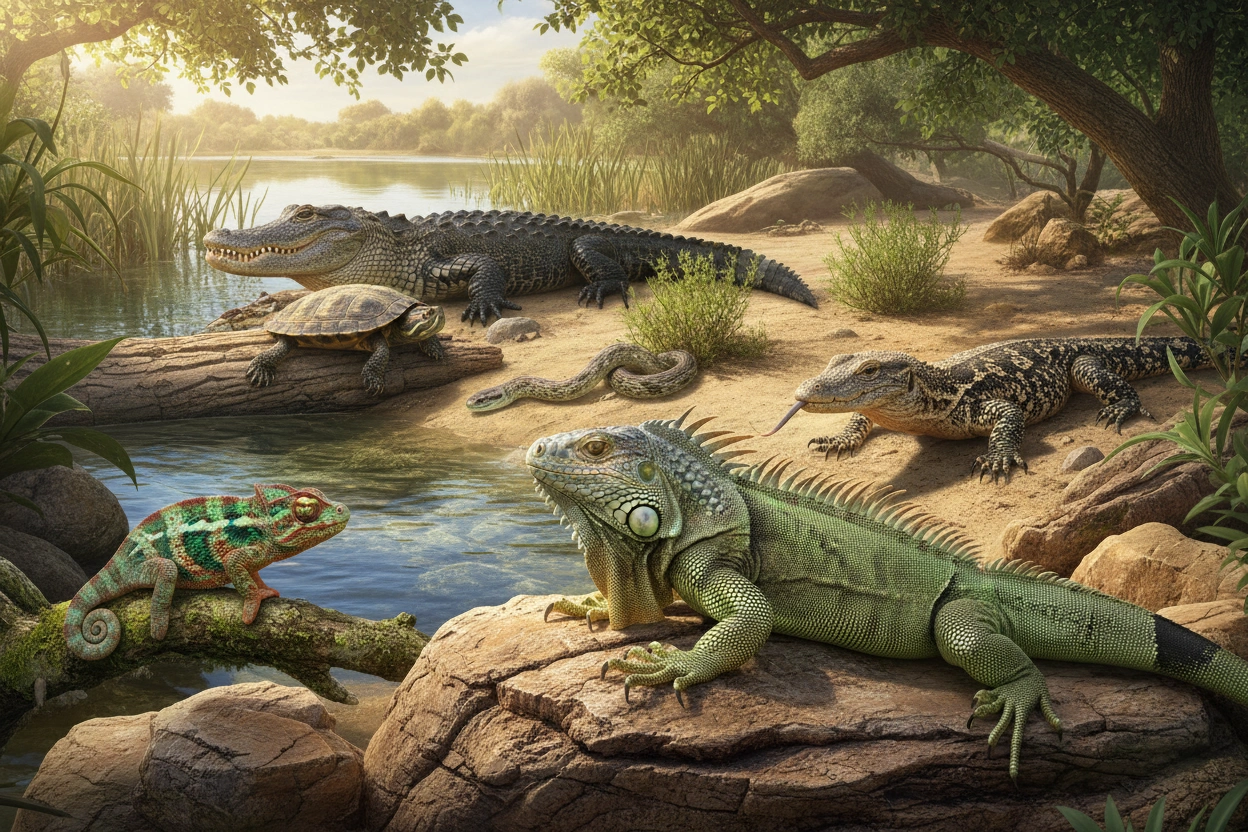
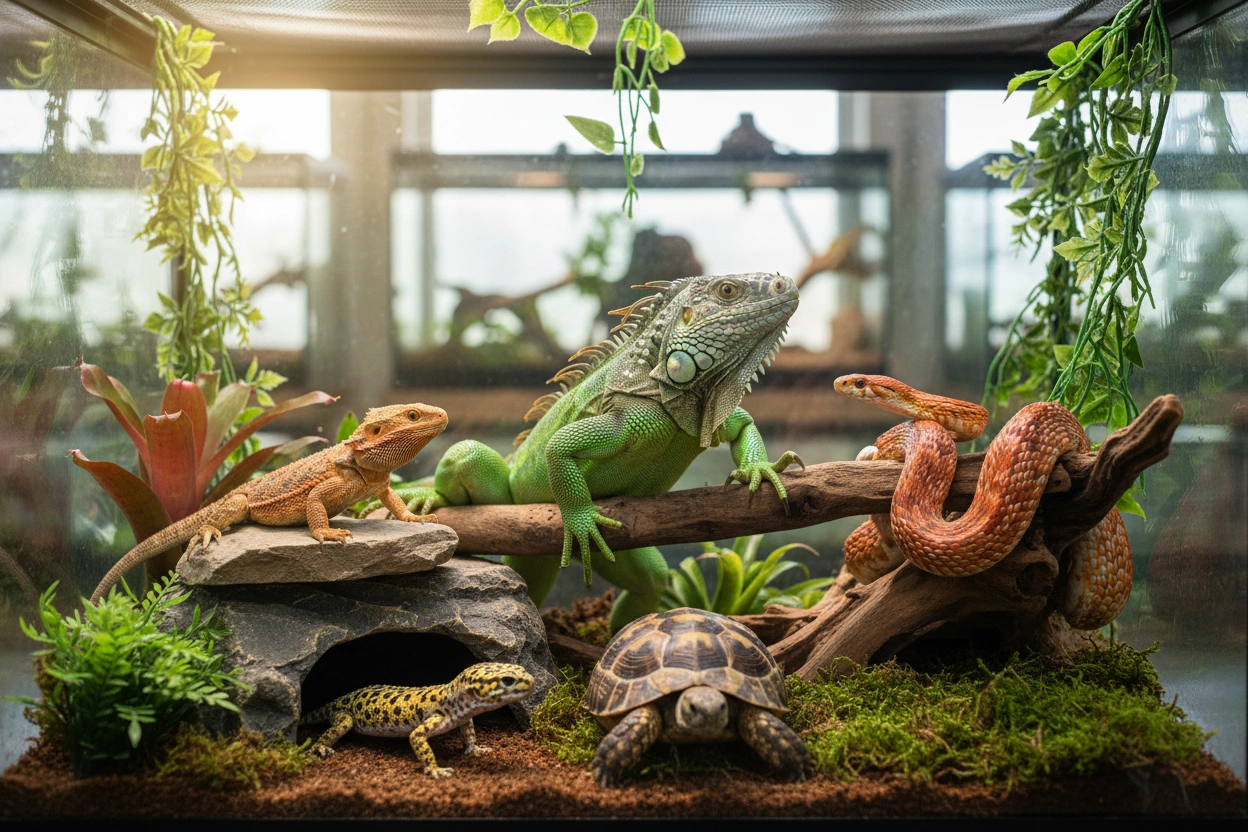
Reptiles are a class of animals that include snakes, lizards, turtles, and crocodilians. They are characterized by their scaly skin, ectothermic physiology (meaning they rely on external sources for body heat), and reproduction through eggs or live birth. Here are some of the most common reptiles kept as pets:
Ball Python
The Ball Python is a small, non-venomous snake known for its docile nature and manageable size, making it an excellent choice for beginners. They are available in various color morphs, which adds to their appeal.
Bearded Dragon
This lizard species is friendly and interactive, making them a favorite among reptile enthusiasts. Bearded Dragons thrive in captivity and require a balanced diet of insects and vegetables.
Leopard Gecko
Known for their distinctive spotted appearance, Leopard Geckos are hardy and easy to care for. They are nocturnal and have a calm demeanor, making them a great choice for first-time reptile owners.
Red-Eared Slider
This turtle species is popular for its striking appearance and active behavior. Red-Eared Sliders require a spacious aquarium and a basking area, along with a diet that includes both aquatic plants and protein sources.
Corn Snake
Corn Snakes are known for their vibrant colors and gentle disposition. They are easy to handle and require minimal space, making them an ideal pet for those new to reptile ownership.
When choosing a reptile as a pet, several factors should be taken into account:
Habitat Needs: Different reptiles require specific environments. For example, Bearded Dragons need a basking area with UV light, while aquatic turtles require a water source for swimming.
Dietary Requirements: Understanding the dietary needs of the species is crucial. Some reptiles are herbivores, while others are carnivores or omnivores.
Temperament: Some reptiles are more social and interactive than others. Researching the behavioral traits of each species can help ensure a suitable match for your lifestyle.

While many reptiles thrive in captivity, numerous species face extinction due to habitat loss, climate change, and illegal wildlife trade. Understanding the plight of endangered reptiles is essential for fostering awareness and conservation efforts. Here are ten notable endangered reptile species that highlight the urgency of conservation:
Hawksbill Sea Turtle (Eretmochelys imbricata)
Critically endangered due to habitat loss and illegal trade, Hawksbill turtles are essential for maintaining the health of coral reefs.
Gharial (Gavialis gangeticus)
This unique crocodilian is endangered primarily due to habitat degradation and loss of prey. Conservation efforts focus on protecting river ecosystems.
Chinese Giant Salamander (Andrias davidianus)
The largest amphibian, often mistaken for a reptile, faces extinction from overharvesting and habitat destruction.
Iguana (Various Species)
Many iguana species, such as the Brachylophus vitiensis, are endangered due to habitat loss and the pet trade.
Psychedelic Rock Gecko (Cnemaspis psychedelica)
Found only in Vietnam, this stunning gecko is critically endangered due to habitat loss from deforestation.
Kemps Ridley Sea Turtle (Lepidochelys kempii)
The most endangered sea turtle species, the Kemps Ridley, is threatened by habitat loss, pollution, and fishing nets.
Eastern Indigo Snake (Drymarchon couperi)
Once widespread, this snake is endangered due to habitat loss and fragmentation, leading to conservation efforts focused on habitat restoration.
Bornean Earless Monitor Lizard (Lanthanotus borneensis)
This elusive lizard is threatened by habitat destruction and is poorly understood, necessitating further research and protection.
Chaco Tortoise (Chelonoidis chacoensis)
The Chaco Tortoise is endangered due to habitat loss and poaching. Conservation programs focus on habitat protection and breeding.
Murray-Darling Turtle (Emydura macquarii)
This Australian turtle faces threats from habitat destruction and pollution, prompting conservation initiatives aimed at protecting its river habitats.
To combat the decline of endangered reptiles, various strategies are implemented, including:
Habitat Protection: Establishing protected areas and reserves can safeguard critical habitats for endangered species.
Legislation: Enforcing laws against illegal wildlife trade and poaching is essential for protecting endangered reptiles.
Public Awareness Campaigns: Educating the public about the importance of reptiles and their ecological roles can foster support for conservation initiatives.
Breeding Programs: Captive breeding programs can help increase population numbers for critically endangered species and facilitate their reintroduction into the wild.
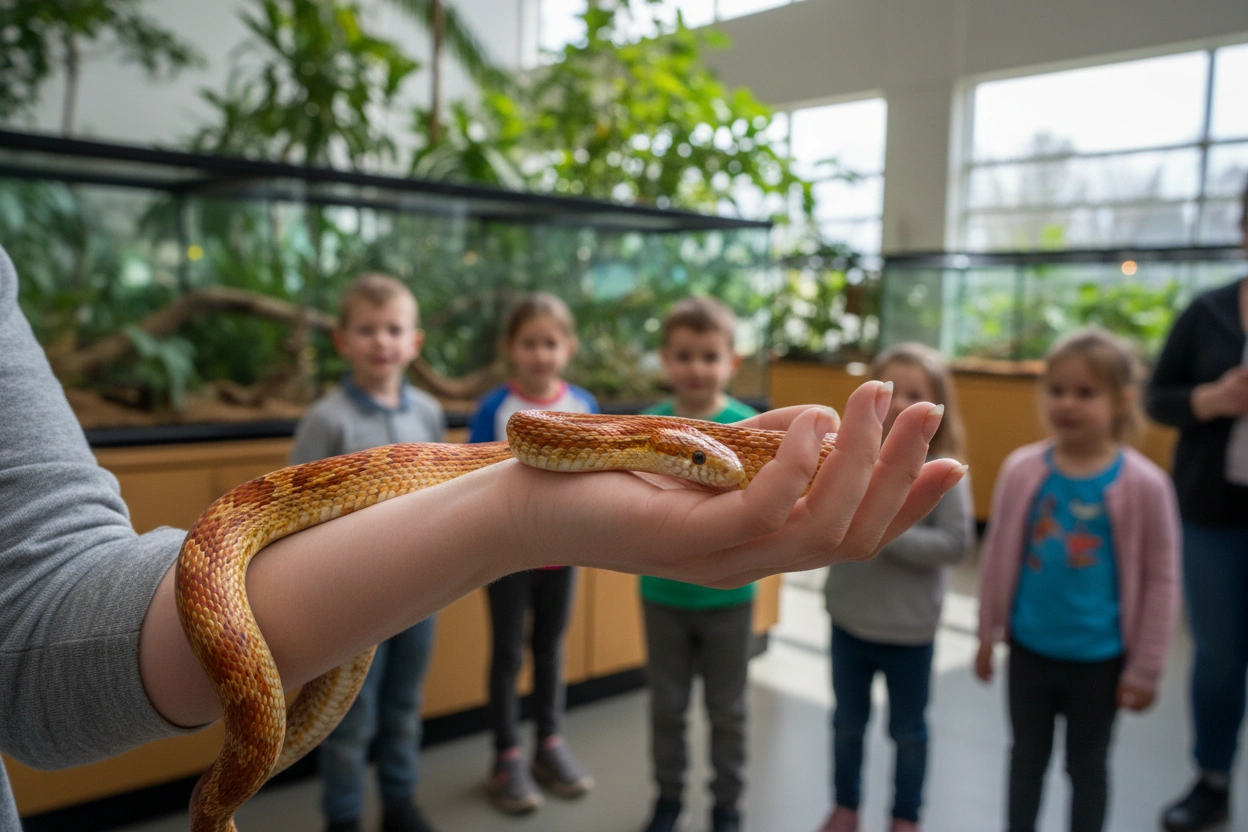
Reptiles are often misunderstood, leading to misconceptions that can hinder their appreciation and conservation. Here are some common myths debunked:
While some reptiles can be venomous or aggressive, most pet reptiles are docile and safe. Proper handling and care can minimize risks and foster a positive experience with these animals.
Reptiles require specific care, including temperature regulation, dietary needs, and habitat maintenance. Prospective owners should thoroughly research and prepare for the responsibilities of reptile ownership.
Not all reptiles can coexist peacefully. Different species have varying territorial behaviors, dietary needs, and environmental requirements, making careful selection essential for a harmonious habitat.
Finding the ideal reptile to become your pet involves thoughtful consideration of personal preferences, lifestyle, and the specific needs of each species. Here are some essential steps to guide your decision:
Research Thoroughly
Learn about various reptile species, their care requirements, and their behaviors to determine which pet aligns with your lifestyle.
Assess Your Space
Ensure you have adequate space for the habitat and that it meets the needs of the chosen reptile. Some species require larger enclosures than others.
Consider Long-Term Commitment
Many reptiles have long lifespans, so be prepared for a long-term commitment when bringing one into your home.
Evaluate Your Budget
Owning a reptile involves costs such as habitat setup, food, veterinary care, and supplies. Budget accordingly to ensure you can provide for your pet's needs.
Seek Expert Advice
Consult with reptile experts or veterinarians to gain insights into specific care requirements and best practices for reptile ownership.
As you explore the world of reptiles and consider adopting one as a pet, it's crucial to remember the importance of conservation. The plight of endangered reptiles is a stark reminder of the need for awareness and action to protect these unique species. By understanding the challenges they face, pet owners can become advocates for their conservation.
Banana Slug Club is committed to educating the public about the significance of reptiles and their ecological roles. By fostering a community of informed pet owners, we can collectively contribute to the protection of these remarkable animals.
If you are interested in learning more about reptiles, their care, and conservation efforts, visit Banana Slug Club. Together, we can make a difference in the lives of reptiles and support their habitats for future generations.
Get free resources, early access to new features and updates.
No spam. Just fun educational emails!


.svg)
.svg)