How to Optimize Crustaceans Maintenance for Healthy Aquariums

No items found.
Updated on:
April 11, 2026
Optimize Crustaceans Maintenance for Healthy Aquariums
Updated on:
April 11, 2026

How to Optimize Crustaceans Maintenance for Healthy Aquariums

Creating a healthy environment for crustaceans in your aquarium requires more than just filling a tank with water and adding some decorations. These fascinating creatures, which include species such as shrimp, crabs, and lobsters, have specific needs that must be met to thrive. Proper maintenance of their habitat not only supports their health but also enhances the overall aesthetics of your aquarium. In this guide, we will delve into effective strategies for maintaining crustaceans, ensuring they flourish in a balanced ecosystem.
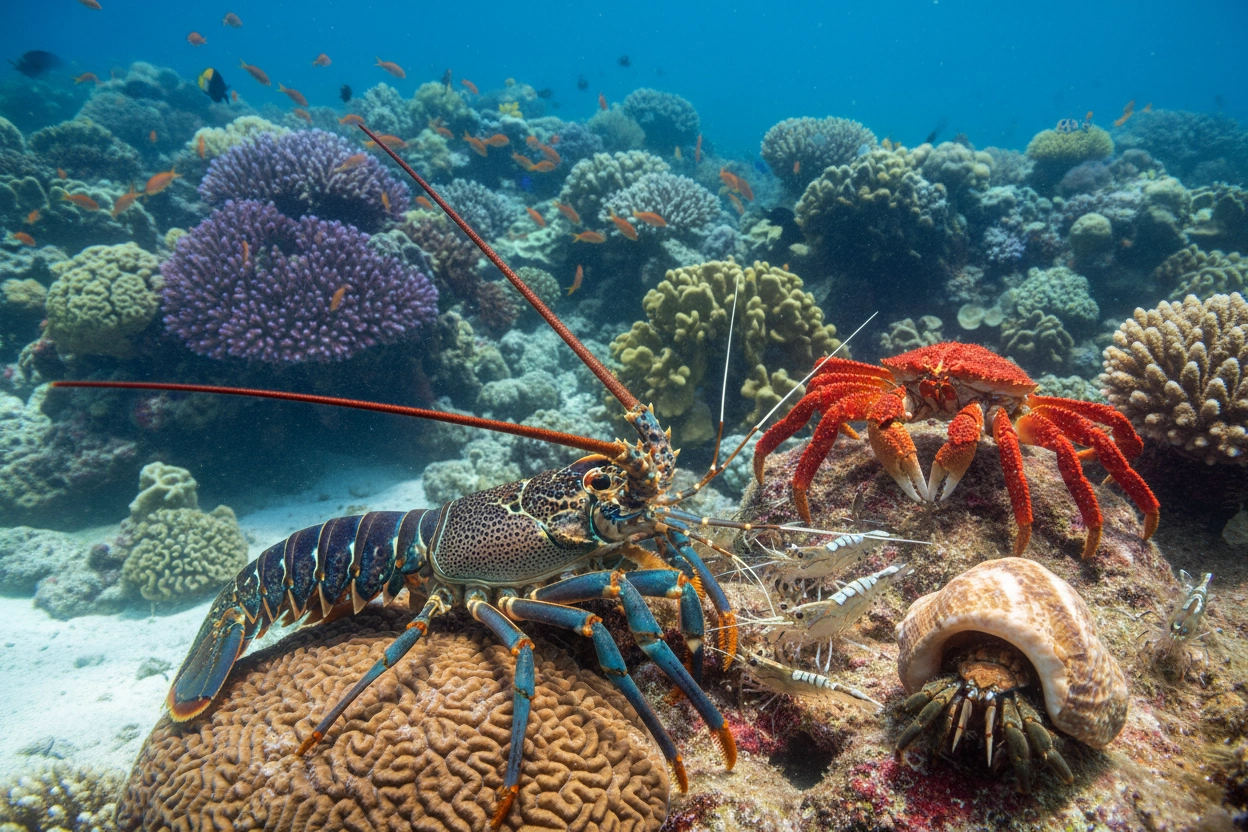
Understanding Crustaceans and Their Needs

Professional image illustrating Understanding Crustaceans and Their Needs

Crustaceans are a diverse group of aquatic animals characterized by their hard exoskeletons and jointed limbs. They play crucial roles in aquatic ecosystems, contributing to the food web and nutrient cycling. To optimize their maintenance, it is essential to understand their biological and environmental needs.

Habitat Requirements

Crustaceans require a well-maintained habitat that mimics their natural environment. This includes:

  • Water Quality: Crustaceans are sensitive to changes in water quality. Regular testing for parameters such as pH, ammonia, nitrite, and nitrate is essential. Ideal conditions often range between a pH of 6.5 to 8.5, depending on the species.
  • Temperature Control: Different species thrive at varying temperatures. Most freshwater crustaceans prefer temperatures between 22°C to 26°C, while some saltwater varieties may need cooler or warmer conditions.
  • Salinity Levels: For marine crustaceans, maintaining appropriate salinity levels is critical. This typically ranges from 1.020 to 1.025 specific gravity for saltwater species.

Understanding these parameters is vital for keeping your crustaceans healthy and vibrant.

Diet and Nutrition

Crustaceans have specific dietary needs that must be addressed to ensure optimal growth and health. They are often omnivorous, consuming a variety of plant and animal matter.

  • Balanced Diet: A well-rounded diet should include high-quality commercial foods designed for crustaceans, supplemented with fresh vegetables, algae wafers, and protein sources like brine shrimp or bloodworms.
  • Feeding Frequency: Overfeeding can lead to water quality issues, so it is crucial to feed them small amounts 2-3 times a week, adjusting based on the species and size.

By providing a balanced diet, you will help your crustaceans maintain their vibrant colors and active behaviors.

Top Crustaceans Maintenance Strategies

Professional image illustrating Top Crustaceans Maintenance Strategies

Implementing effective maintenance strategies is key to fostering a thriving aquarium environment for your crustaceans. Here are the top strategies to consider:

1. Regular Water Changes

Maintaining optimal water quality is essential for crustacean health.

  • Frequency: Aim for a water change of 10% to 20% weekly or bi-weekly, depending on the bioload of your tank.
  • Method: Use a siphon to remove debris from the substrate and ensure you refill the tank with dechlorinated water at the same temperature.

This practice helps reduce harmful toxins and keeps your aquarium environment stable.

2. Tank Mates Compatibility

Choosing appropriate tank mates is crucial to prevent stress and aggression among crustaceans.

  • Peaceful Co-habitants: Select species that are known to coexist peacefully with crustaceans, such as certain fish and snails. Avoid aggressive fish that may see crustaceans as food.
  • Space Considerations: Provide ample hiding spaces using plants, rocks, or decorations. Crustaceans often seek refuge to feel secure and reduce stress.

By carefully selecting tank mates, you can create a harmonious environment that promotes the well-being of your crustaceans.

3. Monitoring and Maintenance

Regular monitoring of your aquarium conditions can prevent problems before they arise.

  • Regular Testing: Use test kits to monitor pH, ammonia, nitrite, nitrate, and salinity levels regularly. Keeping a log can help identify trends and potential issues.
  • Observation: Keep an eye on the behavior and appearance of your crustaceans. Changes in eating habits, color, or activity levels can indicate underlying health issues.

Proactive monitoring will help you address any problems quickly, ensuring a healthy habitat for your crustaceans.

4. Proper Substrate Selection

The substrate you choose can significantly affect the health of your crustaceans.

  • Gravel vs. Sand: Many crustaceans prefer sandy substrates as they allow for natural behaviors like burrowing and scavenging. Ensure that the substrate is fine enough to prevent injury.
  • Live Plants: Incorporating live plants can provide hiding spots, breeding areas, and a source of food. Plants also help maintain water quality by absorbing nitrates.

Selecting the right substrate will enhance the overall environment of your aquarium.

5. Disease Prevention and Management

Understanding common crustacean diseases can help you prevent and manage health issues effectively.

  • Common Diseases: Crustaceans are susceptible to diseases such as shell rot and molting problems. Symptoms may include discoloration, lethargy, or abnormal behavior.
  • Treatment Options: Quarantine affected individuals and treat them with appropriate medications or salt baths, depending on the disease. Regularly maintaining water quality can also prevent disease outbreaks.

Being vigilant about disease management will help you maintain a healthy aquarium ecosystem.
Common Mistakes to Avoid

Professional image illustrating Common Mistakes to Avoid

Even seasoned aquarium enthusiasts can make mistakes that negatively impact crustacean health. Here are some common pitfalls and how to avoid them:

Overfeeding

Overfeeding is one of the most prevalent mistakes among aquarium owners.

  • Consequences: Excess food decomposes, leading to poor water quality and potential health issues for crustaceans.
  • Solution: Feed small amounts and observe your crustaceans' consumption. If food remains after a few hours, reduce the quantity.

By managing feeding practices, you can prevent unnecessary waste and maintain better water quality.

Ignoring Water Quality

Neglecting to monitor and maintain water quality can lead to dire consequences for crustaceans.

  • Impact: Poor water conditions can cause stress, disease, and even death in crustaceans.
  • Solution: Regularly test water parameters and perform maintenance as needed. Make adjustments based on the specific requirements of your crustacean species.

Prioritizing water quality management is essential for the long-term success of your aquarium.

Inadequate Hiding Places

Crustaceans need hiding spots to feel secure in their environment.

  • Risk: A lack of hiding places can lead to stress and aggression, particularly during molting periods.
  • Solution: Incorporate various decorations, plants, and structures that provide shelter. This helps crustaceans feel safe and reduces territorial disputes.

Creating a comfortable environment will promote the well-being of your crustaceans.

The Role of Crustaceans in Your Aquarium Ecosystem

Crustaceans are not merely decorative; they play vital roles in maintaining the health of your aquarium ecosystem.

Benefits of Crustaceans

  • Cleanup Crew: Many crustaceans, such as shrimp, act as scavengers, consuming leftover food and detritus, which helps maintain water quality.
  • Biological Balance: By participating in the food web, crustaceans support the overall balance of the aquarium ecosystem, benefiting both plants and fish.

Recognizing the value of crustaceans will enhance your appreciation of these creatures and their contributions to your aquarium.

The Intersection of Crustaceans Care and Community Support

By now, you have gained valuable insights into optimizing crustaceans maintenance for a thriving aquarium. From understanding their needs to implementing effective strategies, ensuring the health of these fascinating creatures requires a holistic approach.

At Banana Slug Club, we are dedicated to helping you navigate the intricacies of aquarium care. Whether you're a novice or an experienced aquarist, our resources and community support can empower you to create a healthy environment for your crustaceans.

To apply what you've learned and foster a vibrant aquarium ecosystem, reach out for more information. Visit Banana Slug Club today to explore our extensive resources and connect with fellow enthusiasts who share your passion for aquatic life.

Join the Banana Slug Club!

Get free resources, early access to new features and updates.
No spam. Just fun educational emails!