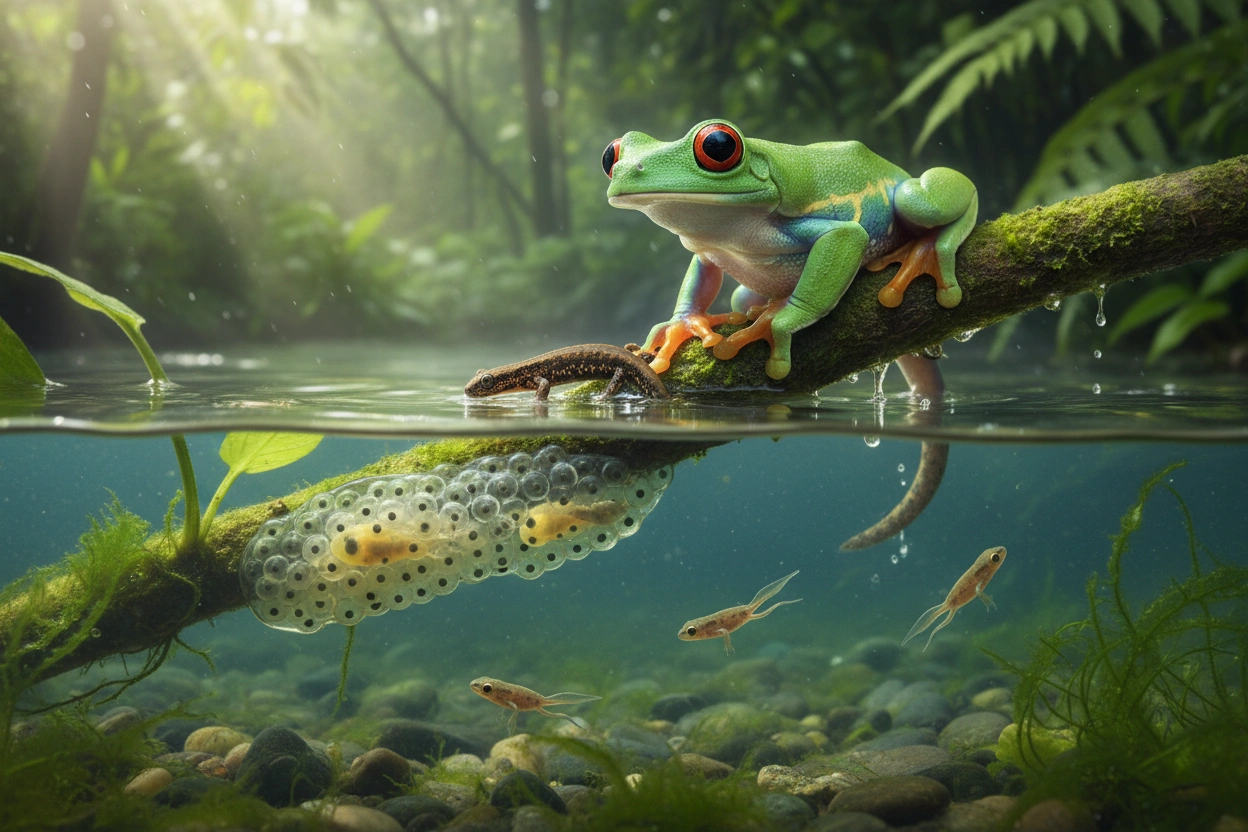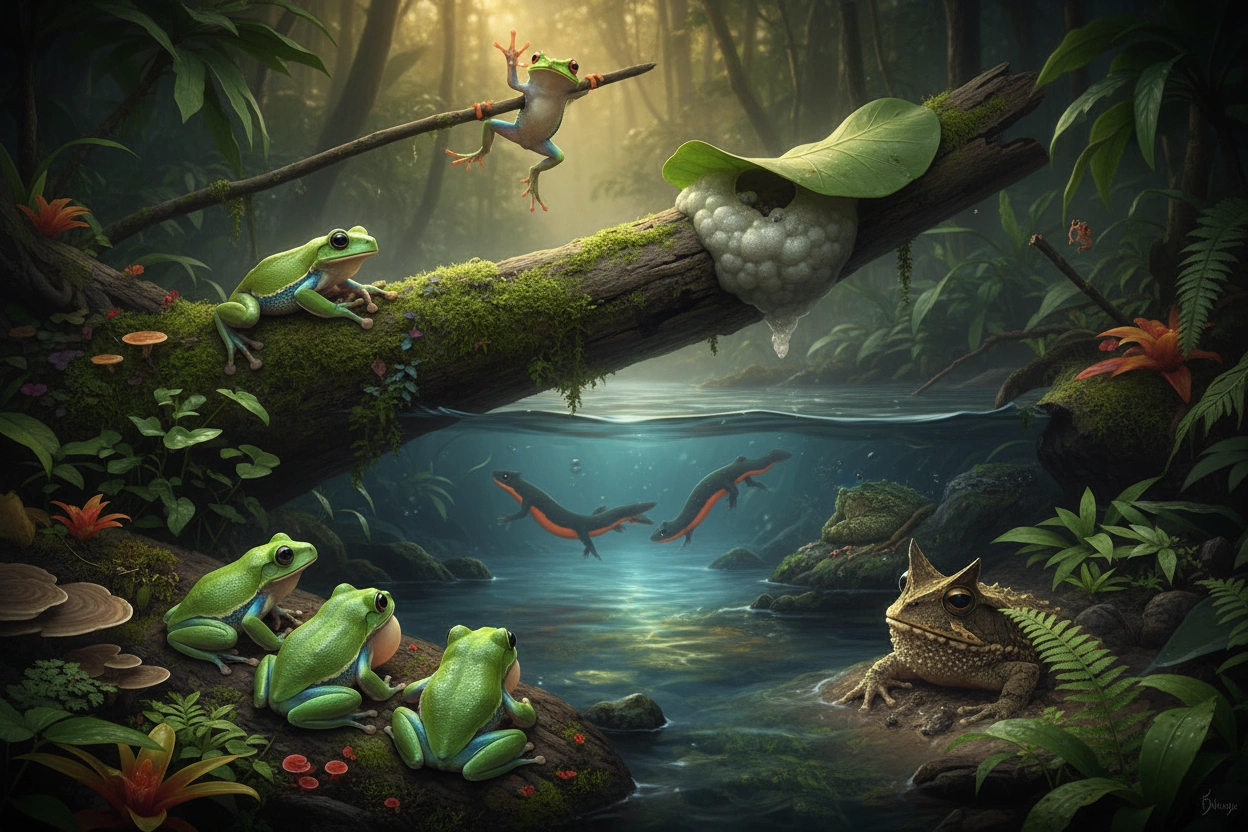
Amphibians are an extraordinary group of animals that have captivated the interest of scientists and nature enthusiasts alike. As creatures that thrive both in water and on land, amphibians exhibit a range of unique behaviors that not only reveal their adaptability but also provide insights into their ecological roles. In this article, we will explore ten fascinating behaviors observed in amphibians, along with their implications for conservation efforts and how we can support these remarkable species.
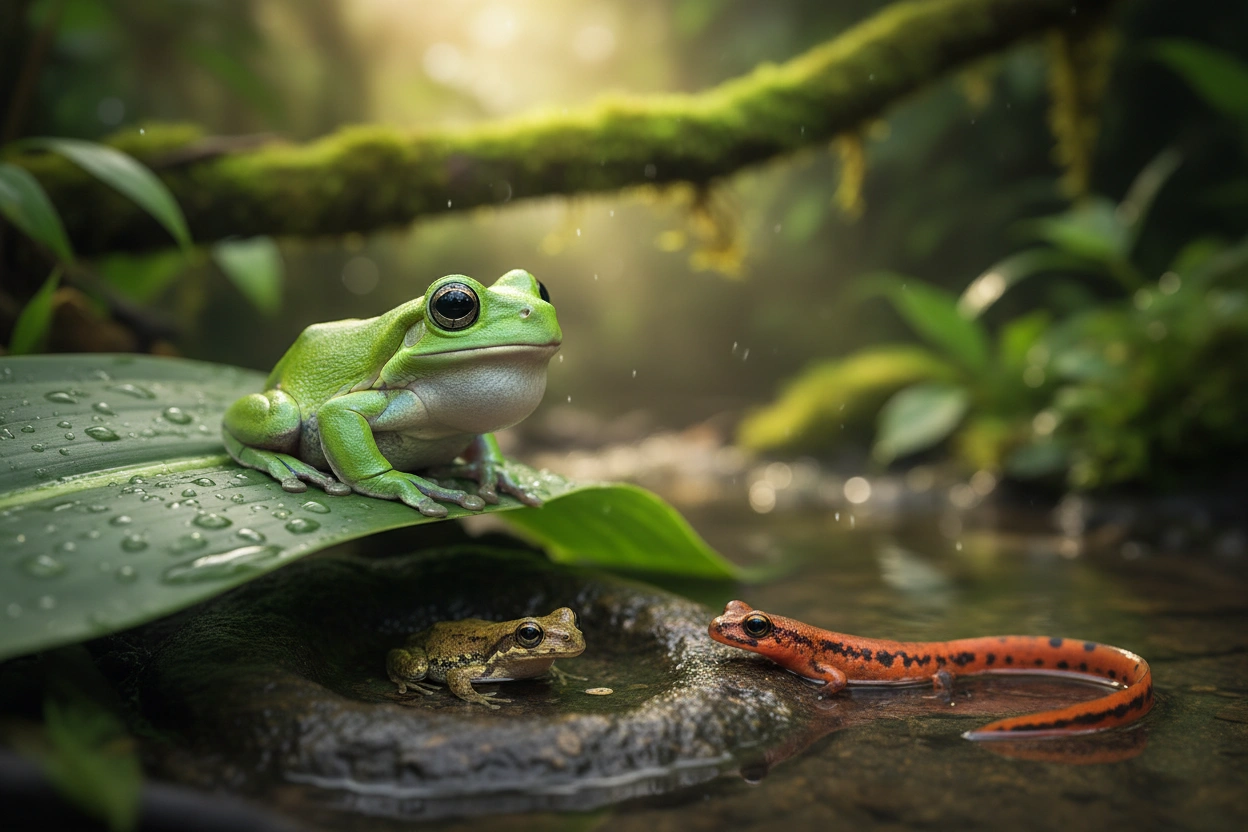
Amphibians, which include frogs, toads, salamanders, and newts, display a variety of behaviors that are crucial for their survival. These behaviors can be categorized into several themes, including mating rituals, foraging strategies, and responses to environmental changes. By examining these behaviors, we can better understand the ecological significance of amphibians and the challenges they face in a rapidly changing world.
Behavioral studies in amphibians have become increasingly important due to the alarming decline in their populations globally. Amphibians are considered bioindicators, meaning their health reflects the state of the environment. Understanding their behaviors can help researchers identify the underlying causes of their decline, enabling more effective conservation strategies.
Despite their fascinating characteristics, amphibians are often misunderstood. A common misconception is that all amphibians are poisonous or dangerous. While some species possess toxins, many are harmless to humans and serve vital ecological functions, such as pest control and pollination. Educating the public about these misconceptions is essential for fostering a more positive relationship between humans and amphibians.
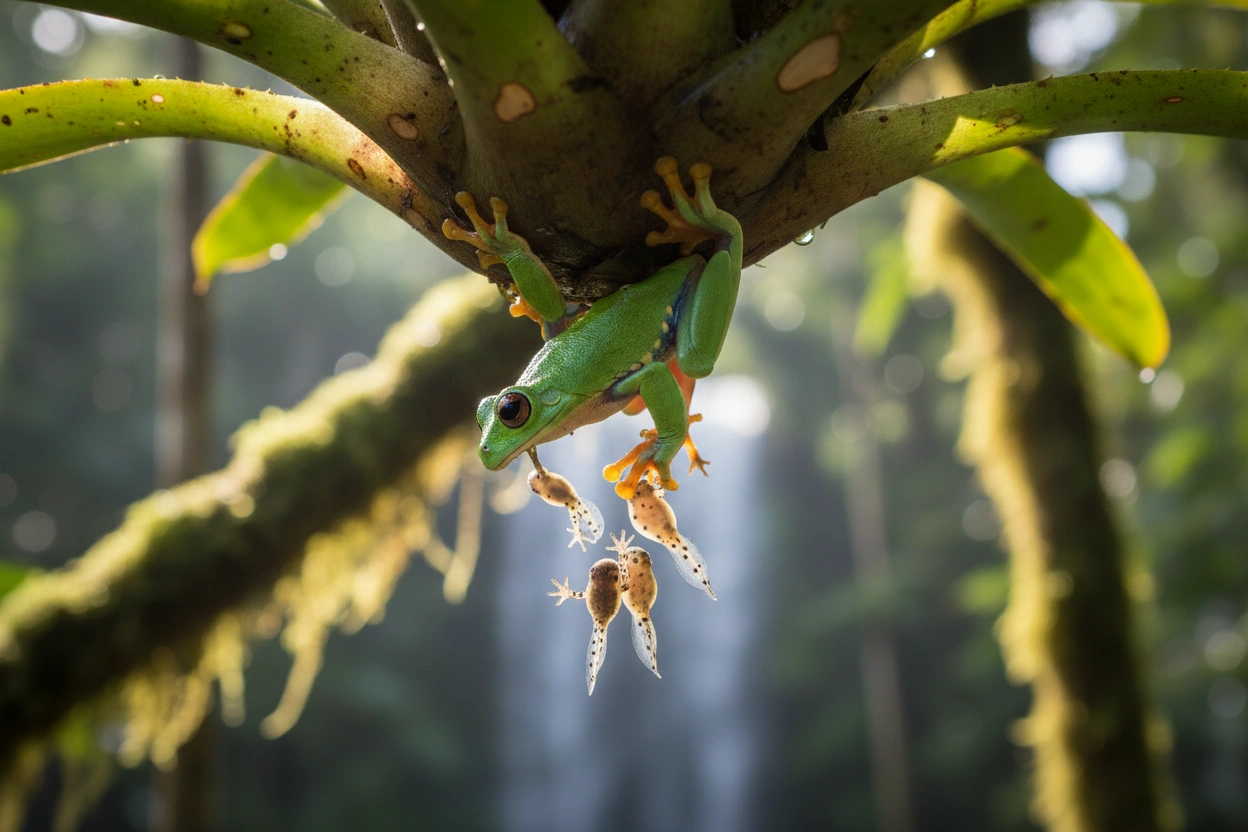
Amphibians exhibit a range of captivating behaviors that are both adaptive and intriguing. Here are ten notable behaviors that highlight their unique adaptations:
Many amphibians, particularly frogs, are known for their vocalizations, which play a crucial role in communication. Males often croak to attract females during the breeding season. Each species has a distinct call, allowing females to identify potential mates. This vocal behavior can also serve as a territorial display, warning other males to stay away.
Some amphibians exhibit remarkable parental care, which is relatively rare among animals. For example, certain frog species, like the Surinam toad, carry their eggs on their backs until they hatch. This behavior enhances the survival rate of the offspring by providing protection from predators and environmental hazards.
Amphibians are known for their ability to change color, which can serve various purposes, such as camouflage, temperature regulation, and signaling. For instance, the common chameleon can alter its color based on its surroundings and emotional state, making it less visible to predators.
Some amphibians have developed mimicry as a survival strategy. For example, the non-venomous milk snake mimics the coloration of the venomous coral snake to deter predators. Similarly, certain frog species display warning colors to signal toxicity, even if they are not poisonous.
Amphibians possess unique adaptations that allow them to thrive in both aquatic and terrestrial environments. For instance, the axolotl retains its larval features throughout its life, enabling it to live exclusively in water. Conversely, the common toad has adapted to life on land with specialized limbs for hopping.
Amphibians have developed strategies to cope with extreme environmental conditions. Hibernation allows them to survive cold winters, while estivation helps them endure droughts. During these periods, their metabolic rates decrease significantly, conserving energy until favorable conditions return.
Amphibian courtship behaviors are often elaborate and multifaceted. Many species engage in intricate mating dances or displays to attract mates. The male poison dart frog, for example, performs a series of jumps and vocalizations to impress potential partners.
In addition to vocalizations, amphibians also communicate through chemical signals. Many species release pheromones to convey information about reproductive status, territory, or stress levels. This form of communication is particularly vital in dense habitats where visual cues may be limited.
Territorial behavior is common among male amphibians, especially during the breeding season. They establish and defend territories to attract females and deter rivals. This behavior can lead to aggressive interactions, where males may engage in vocal duels or physical confrontations.
Amphibians rely heavily on moisture for their survival, and many have evolved unique hydration strategies. Some species can absorb water through their skin, while others utilize specialized behaviors such as burrowing into the ground to escape dry conditions.
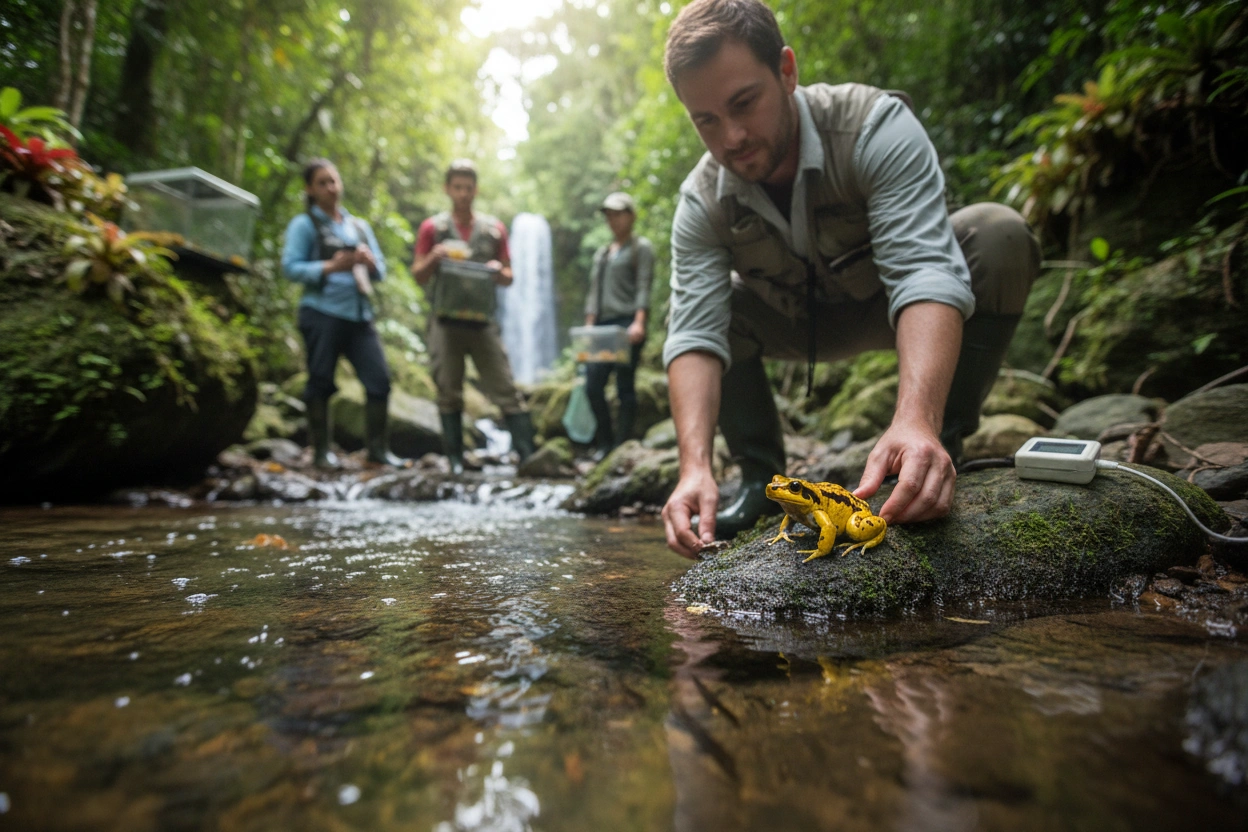
With the alarming decline of amphibian populations worldwide, various conservation efforts have emerged to protect these vital species. Here are ten key conservation initiatives that individuals and organizations can support:
Restoring natural habitats is crucial for amphibian conservation. Efforts to rehabilitate wetlands, forests, and grasslands can enhance the availability of suitable habitats for various amphibian species.
Establishing protected areas is an effective strategy for conserving amphibian populations. These areas safeguard critical habitats from development, pollution, and other threats, providing a safe haven for various species.
Ongoing research and monitoring programs are vital for understanding amphibian populations and their habitats. Supporting scientific studies can help identify threats and inform conservation strategies.
Educating the public about amphibians and their ecological roles fosters a greater appreciation for these creatures. Awareness campaigns can encourage individuals to take action to protect local amphibian populations.
Advocating for policies that protect amphibians is essential. Supporting legislation aimed at reducing habitat destruction, pollution, and climate change can significantly impact amphibian conservation efforts.
Captive breeding programs play a crucial role in preventing extinction. These initiatives help maintain genetic diversity and can reintroduce populations into their natural habitats.
Promoting sustainable agricultural and land-use practices can minimize habitat destruction and pollution. Encouraging farmers and landowners to adopt eco-friendly practices can protect amphibian habitats.
Engaging local communities in conservation efforts can lead to more effective outcomes. Community-led initiatives that focus on habitat protection and restoration can make a significant impact on local amphibian populations.
Partnering with conservation organizations can amplify efforts to protect amphibians. Many organizations focus on specific species or habitats, and collaborating with them can enhance the effectiveness of conservation strategies.
Funding and supporting research initiatives focused on amphibians can lead to groundbreaking discoveries that inform conservation efforts. Contributions to universities and research institutions can drive critical studies.
The Banana Slug Club is dedicated to promoting awareness and supporting the conservation of amphibians and their habitats. By engaging in various educational initiatives and community outreach programs, the Banana Slug Club aims to inspire individuals to take action for amphibian conservation.
Through organized events, workshops, and partnerships with local organizations, the Banana Slug Club provides resources and opportunities for individuals to get involved in conservation efforts. By fostering a sense of community and shared responsibility, the Banana Slug Club empowers individuals to make a difference in the lives of amphibians.
As we’ve explored the fascinating behaviors of amphibians and their unique adaptations, it is clear that these creatures play a crucial role in our ecosystems. Understanding their behaviors not only enriches our knowledge but also underscores the importance of their conservation. The Banana Slug Club invites you to join the movement and support amphibian conservation efforts.
By visiting the Banana Slug Club's website, you can learn more about how you can contribute to the protection of amphibians and their habitats. Together, we can ensure that these remarkable creatures continue to thrive for generations to come.
Contact Banana Slug Club today to find out how you can make a difference in amphibian conservation efforts and help protect these vital species.
Get free resources, early access to new features and updates.
No spam. Just fun educational emails!


.svg)
.svg)