Reptiles are a fascinating and diverse group of animals that have captivated pet enthusiasts around the world. Known for their unique adaptations, vibrant colors, and intriguing behaviors, many reptiles can make excellent companions. This article explores ten colorful reptile species that not only stand out visually but also offer unique experiences for their owners. Furthermore, we will delve into the importance of conservation efforts for endangered reptiles, highlighting the need for awareness and action in the face of habitat loss and climate change.

Reptiles are cold-blooded vertebrates that belong to the class Reptilia, which includes snakes, lizards, turtles, and crocodilians. Their adaptability to various environments and their often low-maintenance care requirements make them appealing pets. However, potential owners must understand their specific needs, including habitat, diet, and temperature regulation.
Despite their growing popularity, several common misconceptions about reptiles persist. One common myth is that reptiles are not affectionate or interactive pets. While it is true that reptiles do not exhibit affection in the same way mammals do, many species can recognize their owners and may even enjoy handling. Additionally, some reptiles can be quite social, displaying unique behaviors that engage their owners.
Another misconception is that reptiles are easy to care for. While some species have simpler needs, many require specific environmental conditions and diets to thrive. Understanding the unique requirements of each species is crucial for successful reptile ownership.

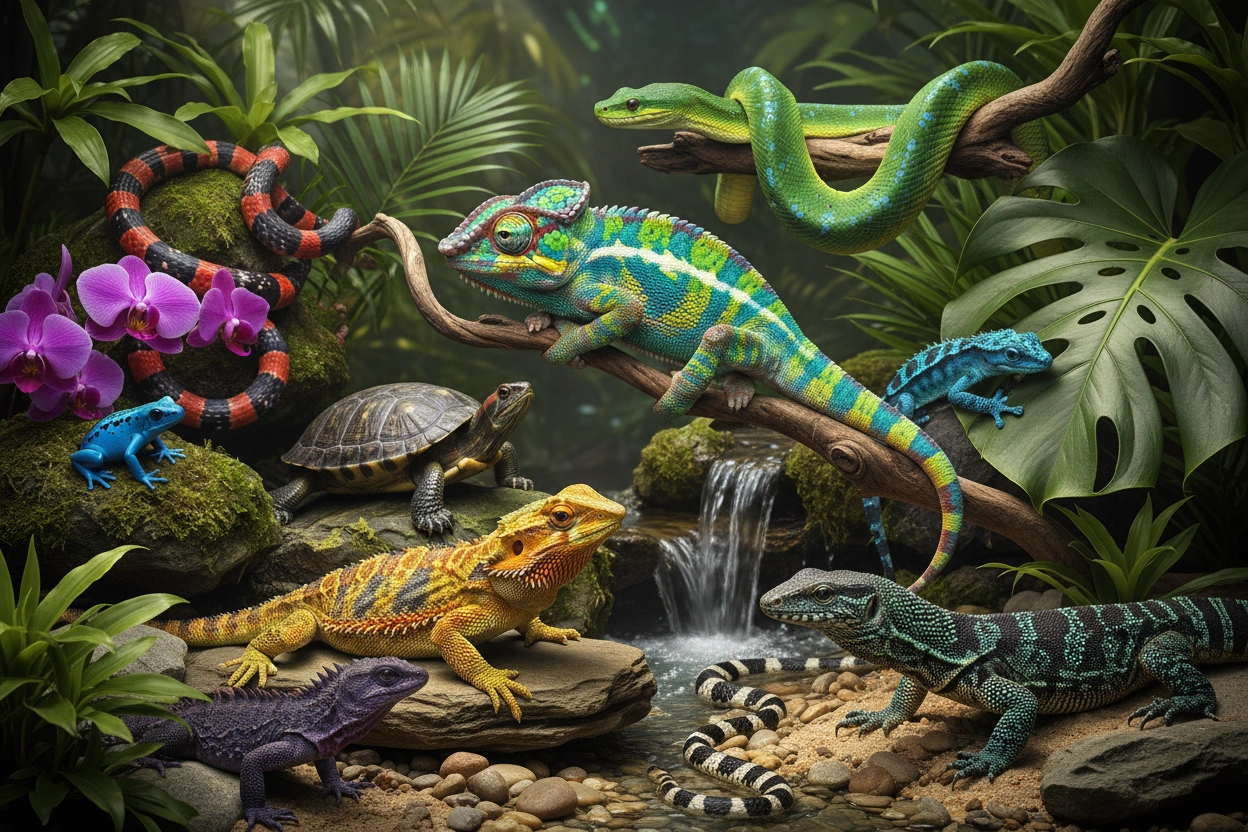
Here are ten colorful reptiles that are known for their striking appearances and can make unique pets:
The Blue Iguana is a large lizard native to the islands of the Caribbean. Its vivid blue coloration makes it a standout among reptiles. Blue Iguanas are herbivorous and require a spacious enclosure with plenty of foliage and UVB lighting. They can grow up to five feet long and can live for over 20 years in captivity.
Veiled Chameleons are known for their vibrant colors and ability to change hues based on their mood and environment. These lizards require a vertical habitat filled with branches and plants to climb. They thrive in warm, humid environments and should have access to UVB light. Regular misting and a varied diet of insects and greens are essential for their health.
The Red-Eared Slider is a popular pet turtle recognized for its distinctive red stripes behind the eyes. These turtles are aquatic and require a large tank with both water and a basking area. They are omnivorous and need a varied diet consisting of commercial turtle food, vegetables, and occasional protein sources. With proper care, they can live for several decades.
Green Tree Pythons are known for their striking emerald green coloration, making them a favorite among snake enthusiasts. They are arboreal snakes that require a tall enclosure with branches for climbing. These pythons primarily eat rodents and need a humid environment to thrive. Although they can be shy, they can become accustomed to handling with patience.
Bearded Dragons are friendly and interactive lizards that are often recommended for beginners. Their calm demeanor and unique beard-like throat pouch make them a popular choice. Bearded Dragons require a basking area and a varied diet of insects and vegetables. They can live for up to 15 years and often enjoy social interaction with their owners.
Corn Snakes are known for their beautiful patterns and colors, ranging from orange and yellow to gray and black. They are non-venomous and relatively easy to care for, making them a great choice for first-time snake owners. Corn Snakes thrive in a secure enclosure with a heat source and require a diet of frozen-thawed rodents. They are known for their docile nature and can be handled with ease.
Leopard Geckos are small, colorful lizards that are hardy and easy to care for. They have unique spots and come in various color morphs. These geckos are nocturnal and thrive in a warm, dry environment with hiding spots. Their diet consists mainly of insects, and they can live for over 20 years with proper care.
Ball Pythons are popular pet snakes known for their gentle temperament and stunning color variations. They are relatively small compared to other pythons, typically growing to about three to five feet long. Ball Pythons require a secure enclosure with appropriate humidity and temperature levels. Their diet consists of rodents, and they are known for their unique ball-like defensive behavior when threatened.
The Indian Star Tortoise is recognized for its striking star-patterned shell. This species is relatively small and can be kept indoors or outdoors, provided they have access to sunlight and a suitable habitat. They are herbivorous and require a diet rich in greens and fibrous plants. These tortoises can live for over 50 years, making them a long-term commitment.
The Sulcata Tortoise, also known as the African Spurred Tortoise, is one of the largest tortoise species and can weigh over 100 pounds. They have a distinctively thick, domed shell and are primarily herbivorous. Due to their size, they require a large outdoor enclosure with plenty of space to roam. Proper care includes a high-fiber diet and access to sunlight.

While many reptiles thrive in captivity, numerous species are facing extinction in the wild due to habitat loss, climate change, and illegal wildlife trade. Understanding these endangered reptiles and supporting conservation efforts is crucial for their survival.
The Hawksbill Sea Turtle is critically endangered due to illegal trade of their shells and habitat destruction. Conservation efforts focus on protecting nesting sites and reducing bycatch in fishing practices.
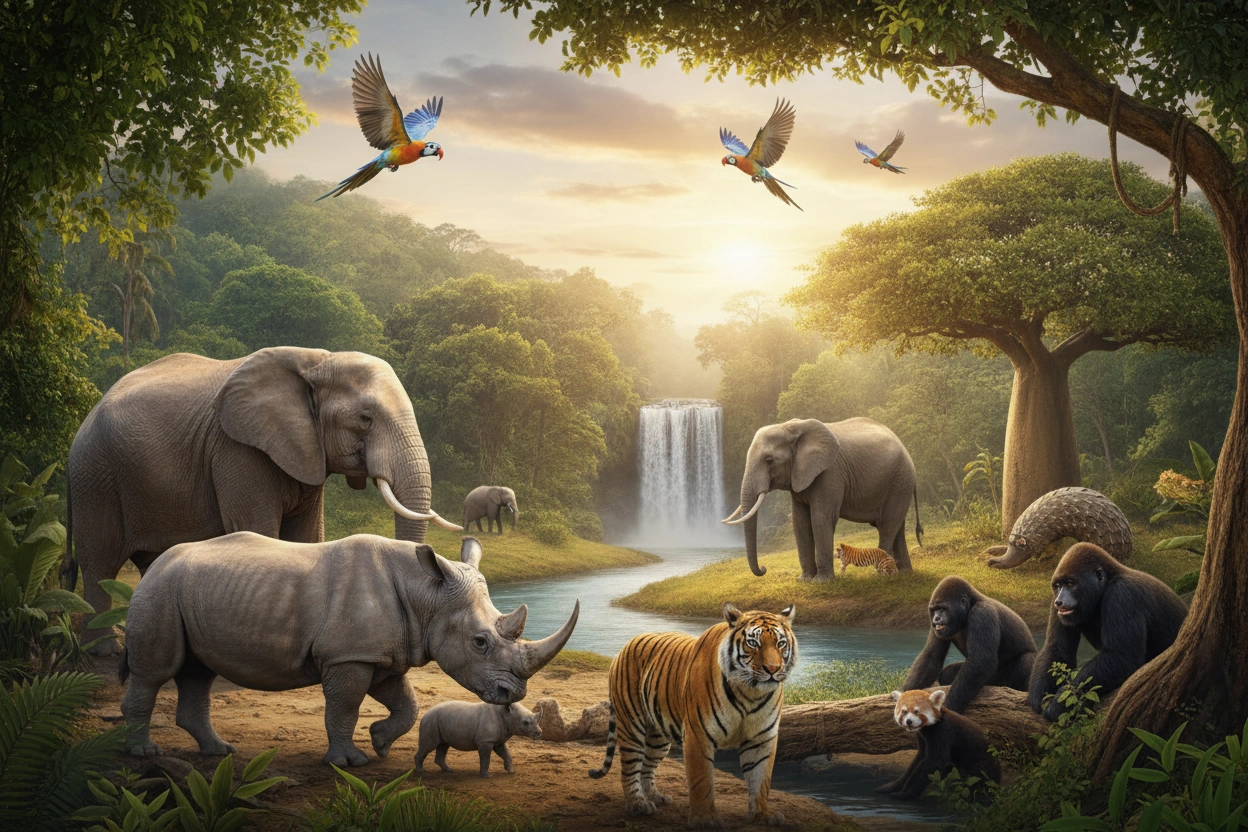
Though not a reptile, the Bornean Pygmy Elephant's habitat overlaps with several endangered reptiles. Conservation efforts for these elephants contribute to the protection of various reptile species in the same ecosystem.
The Gharial is a critically endangered crocodilian native to the Indian subcontinent. Conservation efforts aim to restore its natural habitat and protect nesting sites from human encroachment.
Once thought to be extinct, the Jamaican Iguana is now endangered due to habitat loss and invasive species. Conservation programs focus on habitat restoration and breeding initiatives.
This critically endangered species is threatened by habitat loss and hunting. Conservation efforts include habitat protection and community education to reduce human-wildlife conflict.
The Lesser Antillean Iguana is endangered due to habitat destruction and the introduction of non-native species. Conservation initiatives involve habitat restoration and captive breeding programs.
This species is critically endangered, primarily due to habitat loss and predation by invasive species. Conservation efforts focus on protecting its habitat and controlling invasive populations.
The Madagascar Radiated Tortoise is critically endangered due to habitat loss and poaching. Conservation programs aim to protect their habitat and raise awareness about their plight.
The Bolson Tortoise is endangered due to habitat destruction and predation. Conservation efforts include habitat protection and education about the importance of tortoise conservation.
This species faces threats from habitat loss and illegal hunting. Conservation initiatives aim to protect its habitats and promote sustainable practices among local communities.
Conservation efforts are vital to preserving not only endangered reptile species but also the ecosystems they inhabit. By protecting these species, we also safeguard the biodiversity of our planet. Individuals can contribute by supporting conservation organizations, participating in habitat restoration projects, and educating others about the importance of reptiles in our ecosystems.
Reptiles offer a unique pet experience that can be both rewarding and educational. By choosing to care for a reptile, pet owners can develop a deeper understanding of these remarkable creatures and their ecosystems. Additionally, being a responsible reptile owner involves committing to proper care and supporting conservation efforts to ensure that future generations can appreciate these species.
The intersection of reptile ownership and conservation is where organizations like Banana Slug Club come into play. By promoting awareness and education about reptiles, the Banana Slug Club encourages responsible pet ownership and highlights the importance of protecting endangered species. Readers can learn more about reptiles, their habitats, and how to contribute to conservation efforts through the resources provided by Banana Slug Club. For more information and resources about reptiles, visit Banana Slug Club and take the first step toward being an informed and responsible reptile enthusiast.
Get free resources, early access to new features and updates.
No spam. Just fun educational emails!


.svg)
.svg)