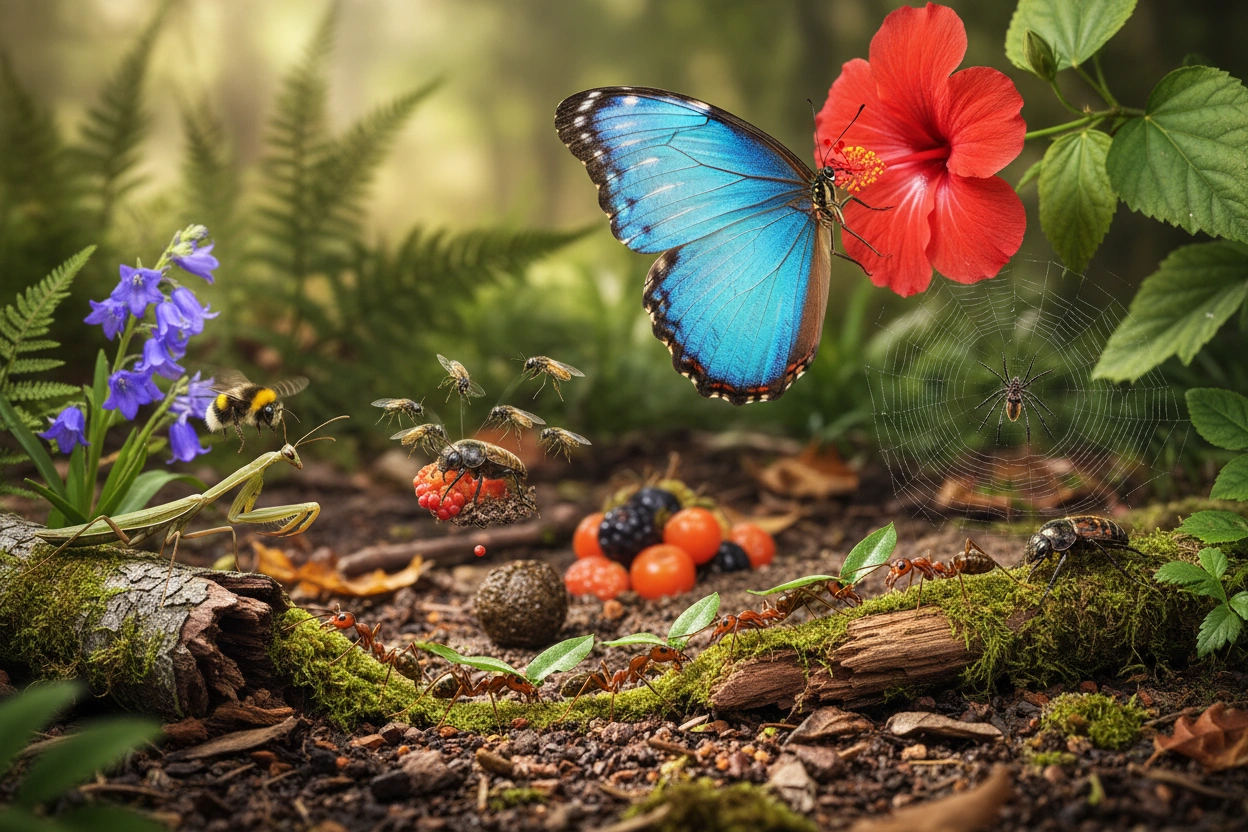
Insects are a diverse and fascinating group of organisms that dominate the Earth's ecosystems. With over a million known species, insects exhibit a variety of behaviors and adaptations that showcase their survival strategies. From the industrious nature of ants to the mesmerizing flight patterns of butterflies, understanding insect behavior patterns can provide valuable insights into ecological balance and the intricate web of life. This article delves into the world of insects, focusing on their behavior patterns, adaptations, and a detailed exploration of the top ten most fascinating insect species.

Insects display a wide range of behaviors that are influenced by their environment, life cycle, and social structures. These behaviors can be categorized into several types, including foraging, mating, communication, and defense mechanisms. Each behavior serves a specific purpose, ensuring survival and reproduction.
Foraging is a critical behavior exhibited by many insect species, where they search for food resources necessary for survival. Insects like ants and bees have developed sophisticated foraging strategies that involve communication and collaboration.
Ant Foraging: Ants use pheromones to mark trails to food sources, allowing others to follow the scent to the resource. This collective behavior enhances efficiency and ensures that food is gathered quickly.
Bee Foraging: Honeybees communicate the location of flowers through a unique dance known as the "waggle dance." This dance conveys information about distance and direction, enabling other bees to find food efficiently.
Mating behaviors in insects vary significantly across species and are often influenced by environmental factors and evolutionary adaptations.
Courtship Displays: Many male insects engage in elaborate courtship displays to attract females. For example, fireflies use bioluminescent signals to attract mates, while certain species of moths produce pheromones to signal their presence.
Mating Rituals: Some insects participate in intricate mating rituals that can involve physical displays or sound production. Crickets, for instance, use song to attract females, with variations in pitch and rhythm influencing female choice.
Insects have developed complex communication systems that enable them to interact with one another effectively. Social insects, such as bees and termites, exhibit advanced social structures that rely on communication for colony organization.
Chemical Communication: Many insects communicate using chemical signals or pheromones, which can convey a wide range of information, from alarm signals to marking territory.
Social Hierarchies: In social species, roles are often assigned based on caste systems, with workers, soldiers, and reproductive individuals performing specific tasks that contribute to the colony's success.

Insects are not only important for their ecological roles but also for their astonishing adaptations and behaviors. Below are ten of the most fascinating insect species that exemplify nature's ingenuity.
Bombardier Beetle (Brachinus spp.)
Mantis Shrimp (Stomatopoda)
Leafcutter Ant (Atta spp.)
Stick Insect (Phasmatodea)
Blue Morpho Butterfly (Morpho peleides)
Cicada (Cicadidae)
Firefly (Lampyridae)
Dragonfly (Anisoptera)
Ladybug (Coccinellidae)
Honeybee (Apis mellifera)

Insect species identification is essential for various reasons, including biodiversity conservation, agriculture, and pest management. By understanding different insect species and their roles within ecosystems, we can develop more effective strategies for conservation and agricultural practices.
Biodiversity plays a crucial role in maintaining healthy ecosystems. Identifying insect species helps scientists monitor changes in biodiversity and assess the health of ecosystems.
Monitoring Ecosystem Health: Insects are often used as bioindicators, meaning their presence or absence can signal changes in environmental conditions. For example, a decline in specific insect populations may indicate habitat degradation.
Conservation Efforts: Understanding insect diversity allows conservationists to implement targeted strategies to protect endangered species and preserve habitats.
Insects are integral to agriculture, both as pollinators and potential pests. Proper identification is crucial for effective pest management and maximizing crop yields.
Pollination Services: Many crops depend on insect pollinators, particularly bees. Recognizing the key pollinators in a given area can help farmers enhance pollination services and improve crop productivity.
Integrated Pest Management (IPM): By identifying pest species, farmers can adopt IPM strategies that utilize biological controls, cultural practices, and targeted pesticide use, minimizing environmental impact while protecting crops.
Despite their importance, many misconceptions about insects persist in popular culture. Addressing these misunderstandings is vital for fostering a better appreciation of these creatures.
One of the most widespread misconceptions is that all insects are pests. While some insects can cause damage to crops or transmit diseases, many are beneficial and play crucial roles in ecosystems.
Pollinators: Insects such as bees and butterflies are essential for pollination, supporting food production and biodiversity.
Decomposers: Many insects, like beetles and ants, contribute to decomposition, breaking down organic matter and recycling nutrients back into the soil.
Another common belief is that insects are inherently dangerous. While some species can pose risks to human health, the majority are harmless and even beneficial.
Venomous vs. Non-venomous: Not all insects have venom, and those that do typically use it for defense rather than aggression. Understanding the behavior of insects can help mitigate fears.
Role in Ecosystems: Insects contribute to ecological balance, providing food for other animals and aiding in nutrient cycling.
Understanding insect behavior patterns is not just an academic pursuit; it has real-world implications for environmental awareness and conservation efforts. By studying these patterns, we can better appreciate the complex interactions within ecosystems and the critical roles insects play.
Promoting education about insects can help dispel misconceptions and encourage a more positive view of these creatures.
Community Workshops: Organizing workshops that focus on insect identification and their ecological roles can engage communities and foster interest in entomology.
Citizen Science Projects: Encouraging the public to participate in citizen science projects, such as insect monitoring or biodiversity surveys, can enhance understanding and appreciation of local insect populations.
Incorporating knowledge about insect behavior into practical applications can lead to improved environmental stewardship.
Sustainable Gardening: Understanding beneficial insects can help gardeners adopt practices that support pollinators and pest predators, leading to healthier ecosystems.
Conservation Strategies: Utilizing knowledge of insect behavior and ecology can inform conservation strategies aimed at protecting habitats and species at risk.
Insects are vital to our ecosystems, and understanding their behavior patterns can foster a deeper connection to nature. Organizations like Banana Slug Club focus on educating the public about these important creatures and their roles in the environment.
By promoting awareness and appreciation of insects, we can inspire individuals and communities to take action toward conservation efforts. Engaging with local ecosystems and participating in educational programs can transform perceptions of insects from mere pests to essential components of our world.
If you are interested in learning more about insects and their fascinating behaviors, consider reaching out to the Banana Slug Club for resources, workshops, and community events.
Visit Banana Slug Club to get involved and deepen your understanding of the intricate world of insects.
Get free resources, early access to new features and updates.
No spam. Just fun educational emails!


.svg)
.svg)