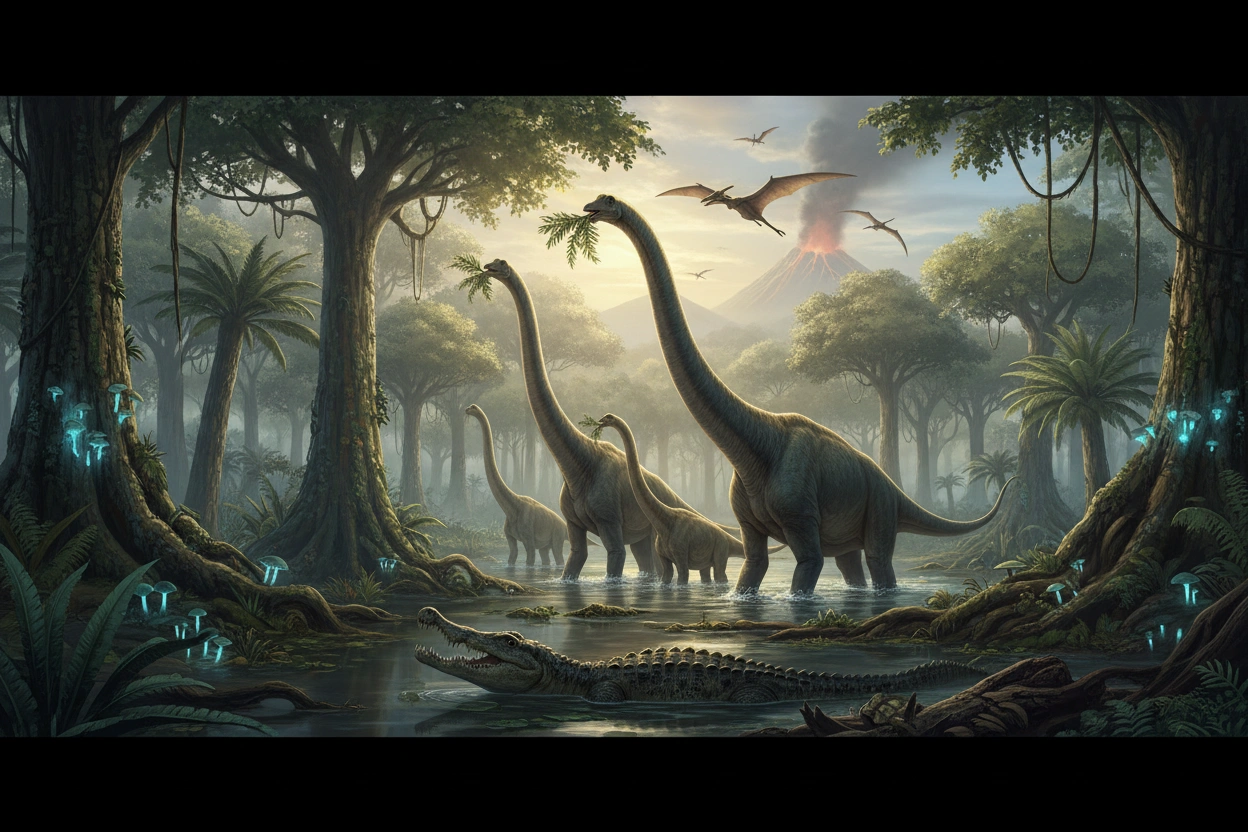
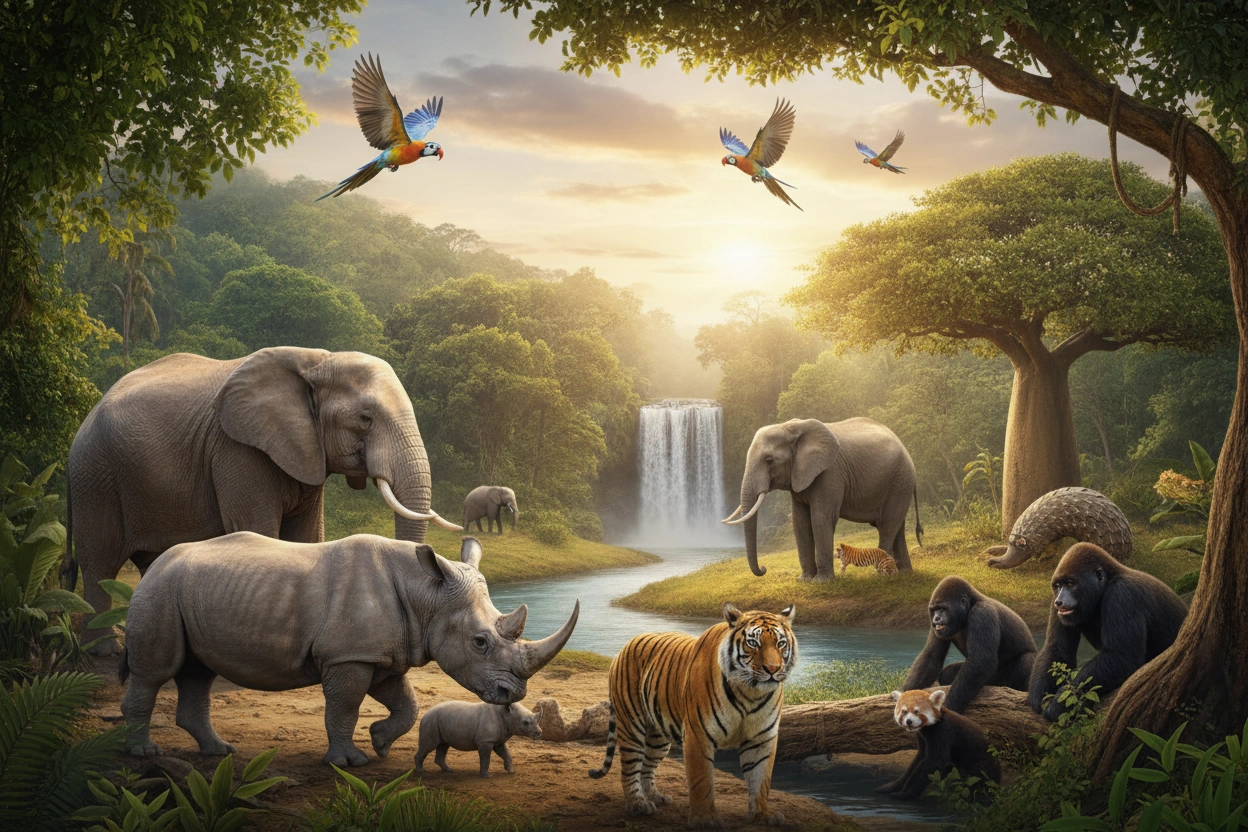
The plight of endangered animals serves as a poignant reminder of the intricate balance that exists within our ecosystems. As of 2026, an alarming number of species are at risk of extinction, primarily due to human activities such as habitat destruction, climate change, and poaching. The ripple effects of losing these species extend beyond their immediate environments, impacting biodiversity, ecosystem stability, and even human livelihoods. In this article, we will explore the importance of understanding endangered animals, the conservation efforts aimed at protecting them, and highlight the top ten endangered animals that everyone should know about.
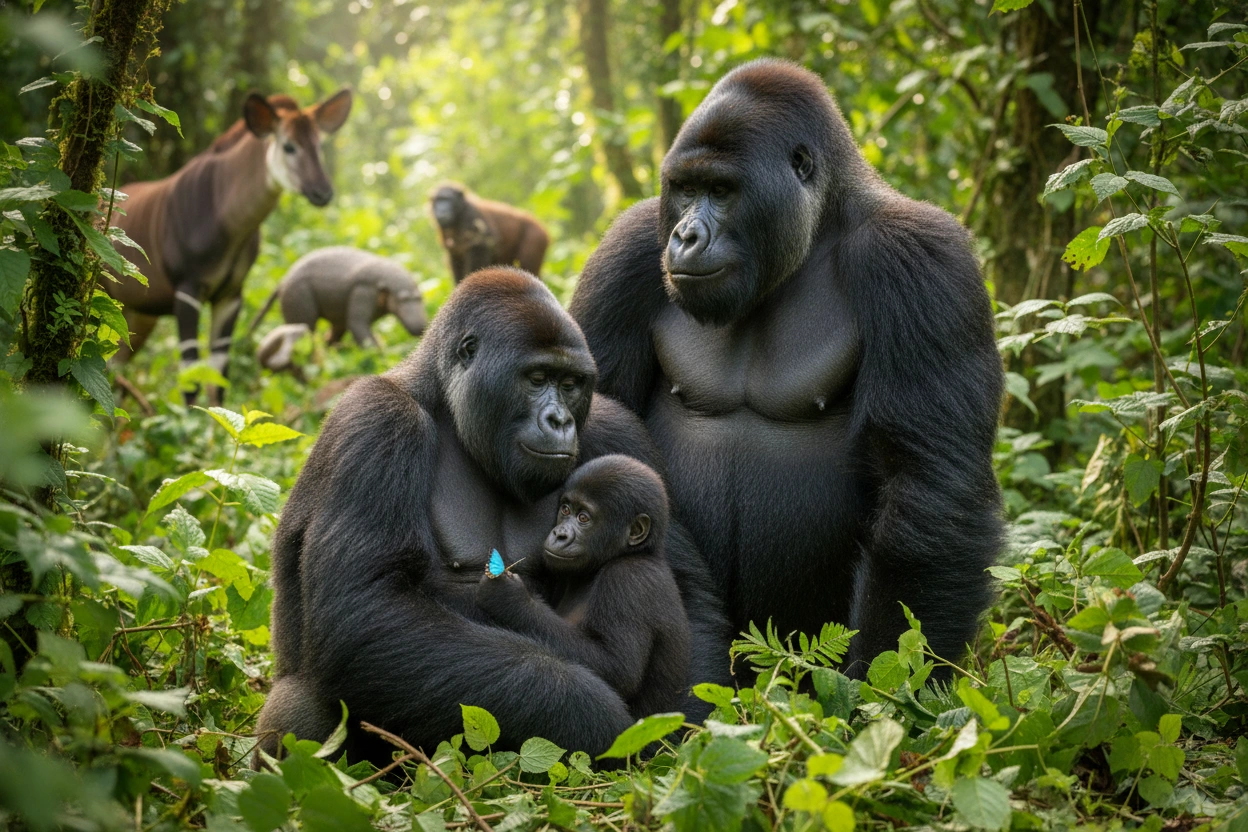
Endangered animals play a critical role in maintaining the balance of ecosystems. Each species contributes to a complex web of interactions, and their extinction can lead to unforeseen consequences. For example, predators help control prey populations, while plants provide essential resources for herbivores. The loss of any one species can disrupt these relationships, leading to cascading effects throughout the ecosystem.
Moreover, endangered animals often serve as indicators of environmental health. Their presence or absence can signal changes in the ecosystem that may affect other species, including humans. For instance, the decline of amphibian populations worldwide has raised alarms about pollution and climate change, as these animals are sensitive to environmental changes. Thus, protecting endangered species is not just about saving individual animals; it is about preserving the integrity of ecosystems that sustain life on Earth.
Conservation efforts are essential in combating the threats faced by endangered animals. These efforts vary widely, from legal protections and habitat restoration to community engagement and education initiatives. Governments, non-profit organizations, and local communities play pivotal roles in these endeavors.
Legal Protections: Laws such as the Endangered Species Act in the United States provide frameworks for protecting threatened and endangered species. These regulations help prevent habitat destruction and promote recovery efforts.
Habitat Restoration: Many conservation programs focus on restoring natural habitats that have been degraded or destroyed. Reforestation, wetland restoration, and the establishment of wildlife corridors are critical strategies for providing safe havens for endangered animals.
Community Engagement: Successful conservation relies on local communities' involvement. Educating communities about the importance of biodiversity and providing them with alternative livelihoods can reduce poaching and habitat destruction.
Research and Monitoring: Ongoing research is vital for understanding the needs of endangered species. Monitoring populations helps conservationists assess the effectiveness of their strategies and adapt them as necessary.
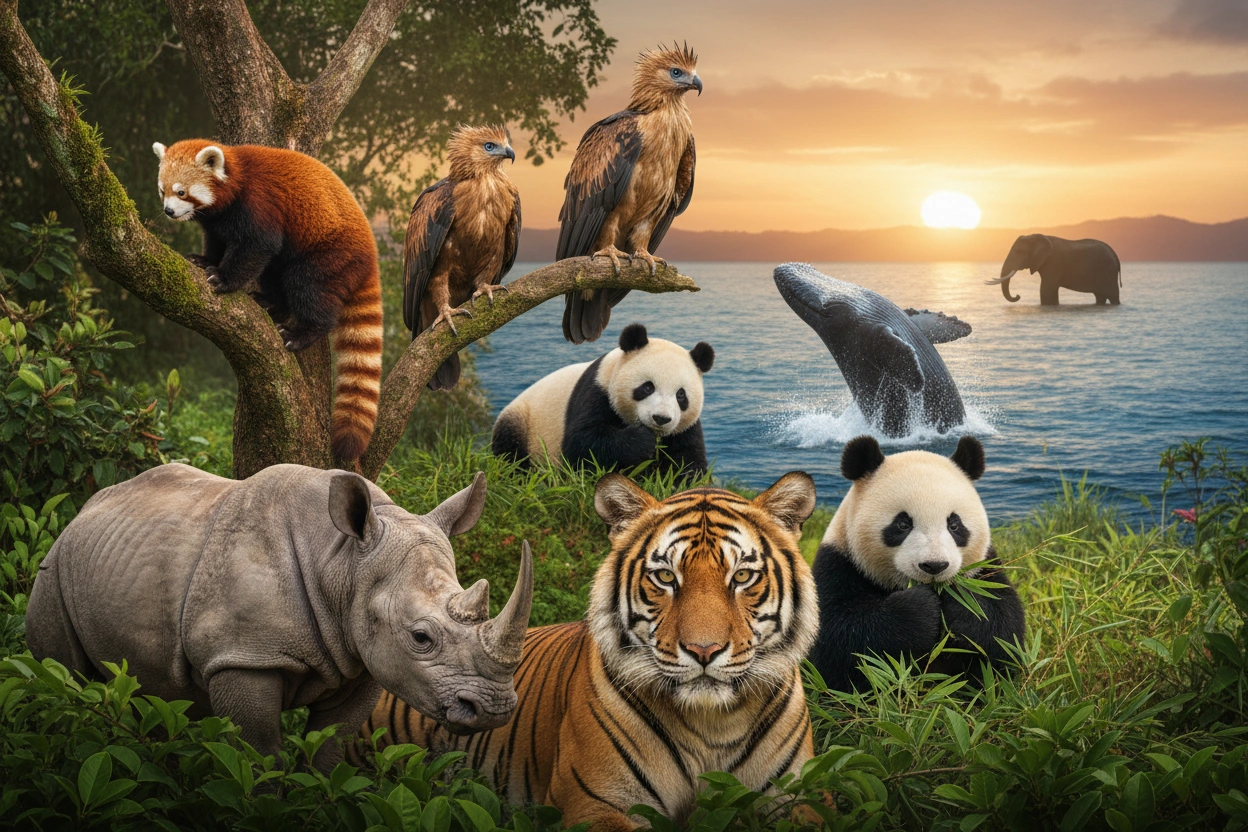
Understanding the plight of endangered animals is crucial for fostering empathy and support for conservation efforts. Here are ten endangered species that highlight the urgent need for action:
The Amur leopard, native to the Russian Far East and Northeast China, is one of the rarest big cats in the world. With fewer than 100 individuals remaining in the wild, habitat loss and poaching threaten its survival. Conservation efforts are focused on habitat protection and anti-poaching measures.
The vaquita, a small porpoise found in the Gulf of California, is critically endangered, with an estimated 30 individuals left. The primary threat is entanglement in illegal fishing nets. Conservationists are working to enforce fishing bans and promote sustainable practices to protect this marine mammal.
Native to the rainforests of Sumatra, the Sumatran orangutan faces habitat destruction due to palm oil plantations and illegal logging. With around 14,000 individuals left, conservation efforts include habitat preservation and rehabilitation of degraded areas.
The Javan rhino is one of the most endangered large mammals, with only about 76 individuals remaining in Ujung Kulon National Park, Indonesia. Conservation efforts focus on protecting their habitat and monitoring the population.
Snow leopards inhabit the mountain ranges of Central and South Asia. With an estimated population of 4,000 to 6,500, they face threats from poaching and habitat loss. Conservation strategies include community-based initiatives and anti-poaching patrols.
African elephants, the largest land mammals, are threatened by poaching for their ivory and habitat loss. Conservation efforts aim to combat poaching through anti-poaching units and community education programs.
The red wolf, native to the southeastern United States, is critically endangered, with fewer than 20 individuals in the wild. Conservationists are working to restore the population through breeding programs and habitat protection.
Once on the brink of extinction, the California condor has seen a slight population increase due to intensive conservation efforts. With approximately 500 individuals in the wild, efforts focus on habitat protection and lead poisoning prevention.
This species is the world's most endangered turtle, with only three known individuals remaining. Conservationists are working to breed the turtles in captivity and restore their natural habitat to prevent extinction.
With only two females left, the northern white rhino faces extinction. Conservation efforts are centered on advanced reproductive techniques and habitat protection to try and save the species from disappearing entirely.
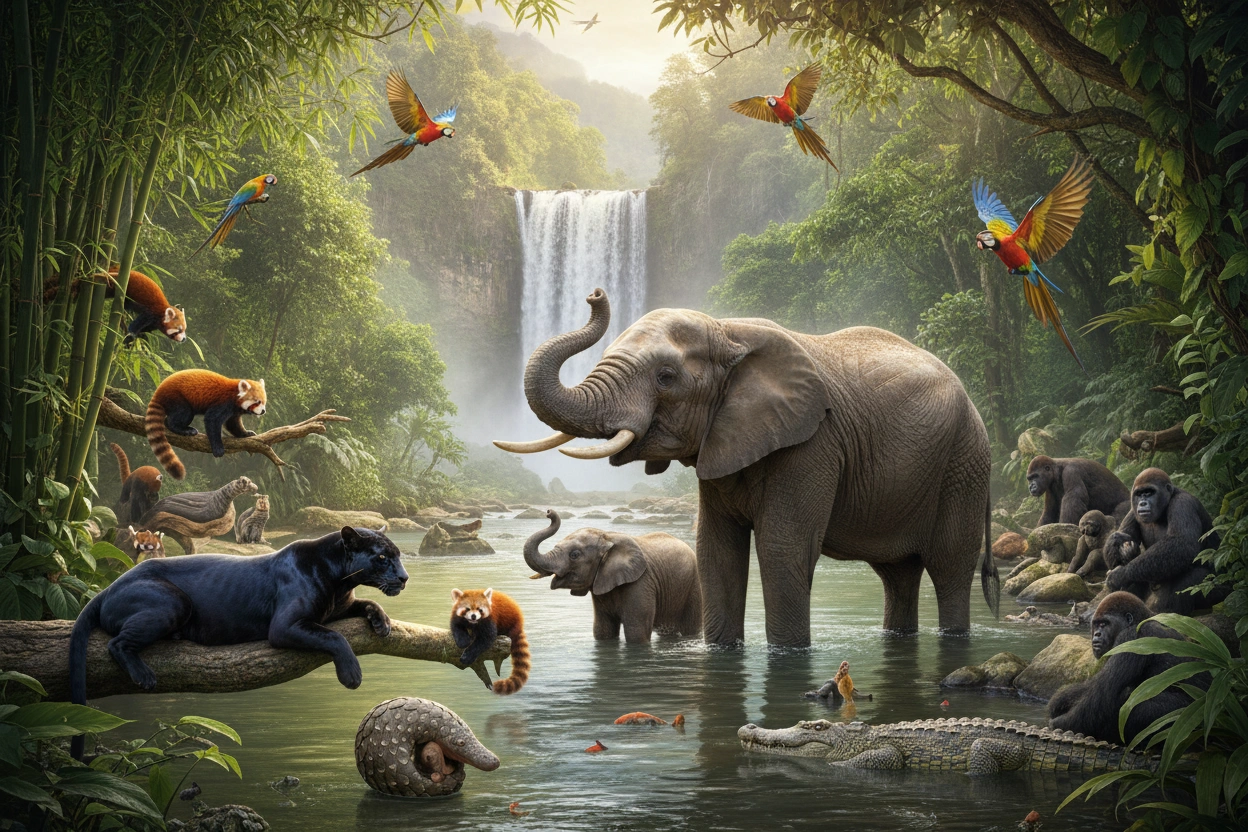
Despite the growing awareness of endangered animals, several misconceptions persist that can hinder conservation efforts. Addressing these misconceptions is crucial for fostering a deeper understanding of the issues at hand.
Many people believe that endangered animals only inhabit isolated regions. However, endangered species can be found in urban areas and even in backyards. For example, the Eastern Box Turtle, a species at risk due to habitat loss, can often be found in suburban gardens.
While large mammals often garner more attention, many lesser-known species are equally at risk. Insects, amphibians, and plants are crucial for ecosystem health and deserve protection. Conservation efforts must encompass all facets of biodiversity.
Conservation is a collective responsibility that involves governments, organizations, and individuals. Community engagement is vital for successful conservation initiatives, as local stakeholders often have the most significant impact on preserving biodiversity.
As individuals, we can contribute to the conservation of endangered animals through various means. Here are some actionable insights that everyone can implement:
Educate Yourself and Others: Understanding the issues surrounding endangered species is the first step towards making a difference. Share your knowledge with friends and family to raise awareness.
Support Conservation Organizations: Donating to reputable organizations that focus on wildlife conservation can provide vital resources for their efforts. Look for organizations that have a proven track record of success in protecting endangered animals.
Make Sustainable Choices: Choosing products that are sustainably sourced, such as paper, wood, and palm oil, can reduce the pressure on habitats. Look for certifications that indicate environmentally friendly practices.
Advocate for Policy Changes: Engage in advocacy efforts to support legislation that protects endangered species and their habitats. Contact your local representatives to voice your support for conservation policies.
Participate in Citizen Science: Get involved in citizen science projects that help track wildlife populations and monitor ecosystems. These initiatives can provide valuable data for conservation efforts.
The balance of endangered animals and ecosystems is a critical topic that highlights the interconnectedness of all life forms. Each species, no matter how small, contributes to the overall health of the environment. The decline of one can lead to the downfall of many, underscoring the importance of preservation efforts.
Banana Slug Club is dedicated to educating the public about the importance of biodiversity and the steps we can take to protect endangered species. By understanding the delicate balance of ecosystems and the role of endangered animals within them, we can make informed decisions that benefit both wildlife and humanity.
To further explore how you can contribute to these efforts, we encourage you to engage with the resources and initiatives offered by Banana Slug Club. Together, we can foster a deeper appreciation for conservation success stories and work towards a more sustainable future.
For more information and to get involved, visit Banana Slug Club today.
Get free resources, early access to new features and updates.
No spam. Just fun educational emails!


.svg)
.svg)