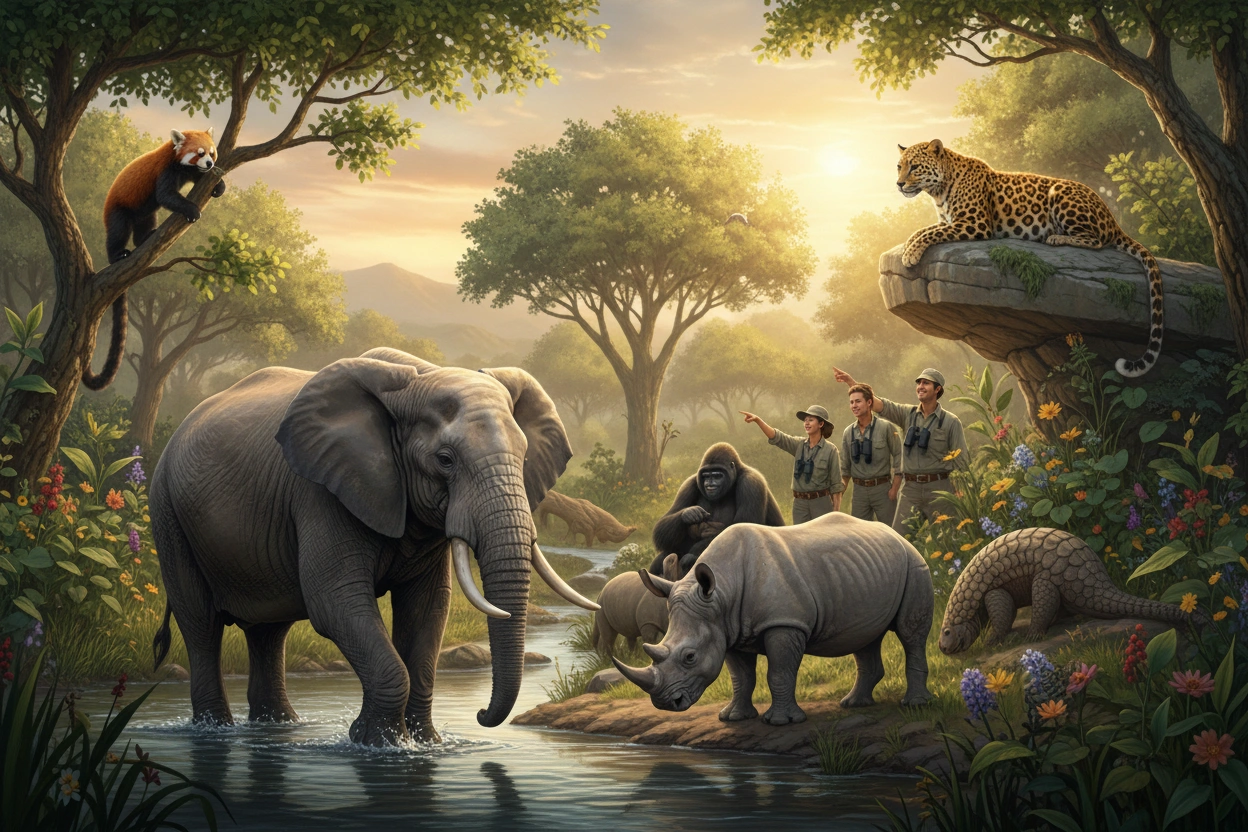
The plight of endangered animals is a critical issue that resonates with many across the globe. As of 2026, the delicate balance of ecosystems is increasingly threatened by various human activities such as habitat destruction, pollution, climate change, and poaching. These factors have led to alarming declines in wildlife populations, making the conservation efforts of endangered species not just a noble cause, but a necessity for the survival of our planet's biodiversity. This article aims to delve deep into the world of endangered animals, highlight conservation efforts, and present the top ten endangered animals you need to know about.
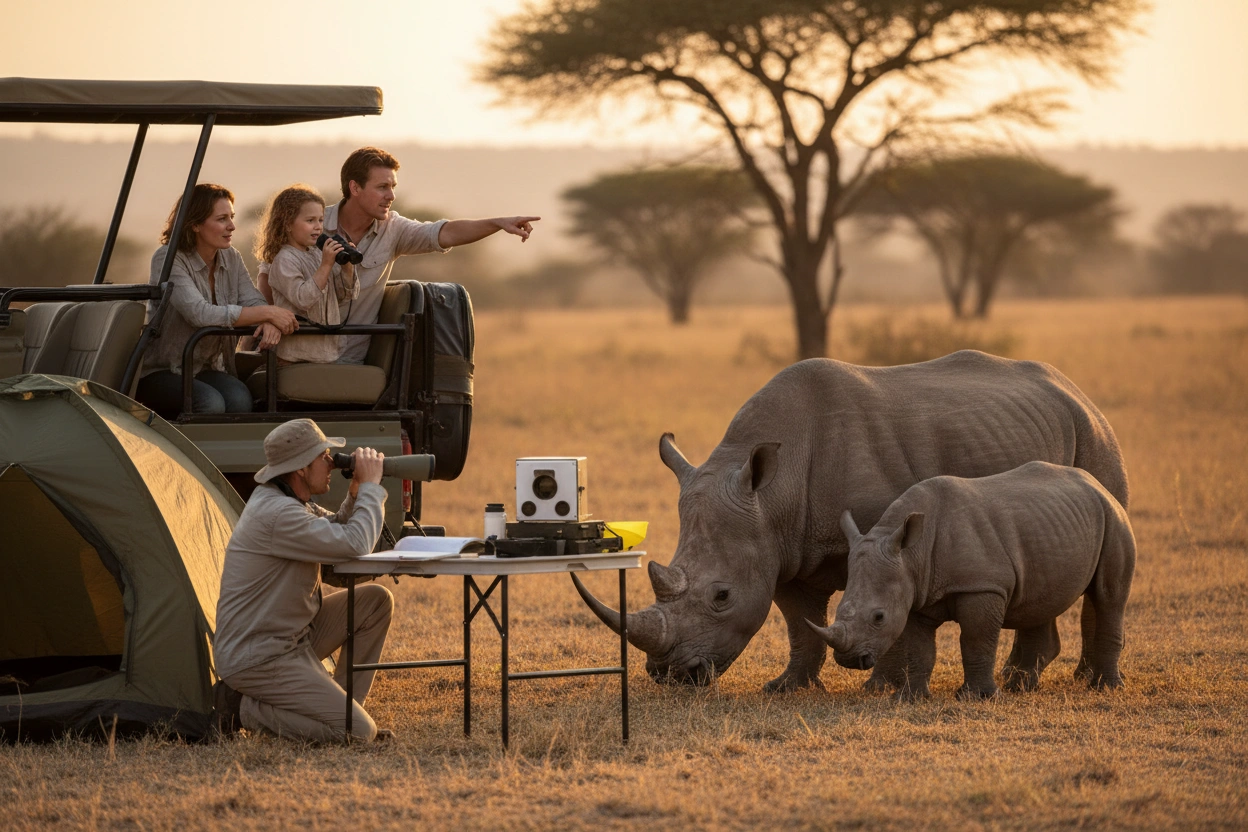
Understanding endangered animals is crucial for several reasons. Firstly, these species often play vital roles in their ecosystems, contributing to ecological balance. For instance, predators help control the population of herbivores, while pollinators are essential for plant reproduction. The extinction of one species can trigger a domino effect, leading to the decline of others and ultimately destabilizing entire ecosystems.
Secondly, endangered animals are often indicators of environmental health. Their declining populations can signal broader ecological issues that may affect human health and livelihoods. For instance, the decline of amphibians worldwide has raised alarms about pollution and climate change, which also threaten human populations. By focusing on the conservation efforts of these animals, we can address larger environmental challenges and foster a healthier planet.
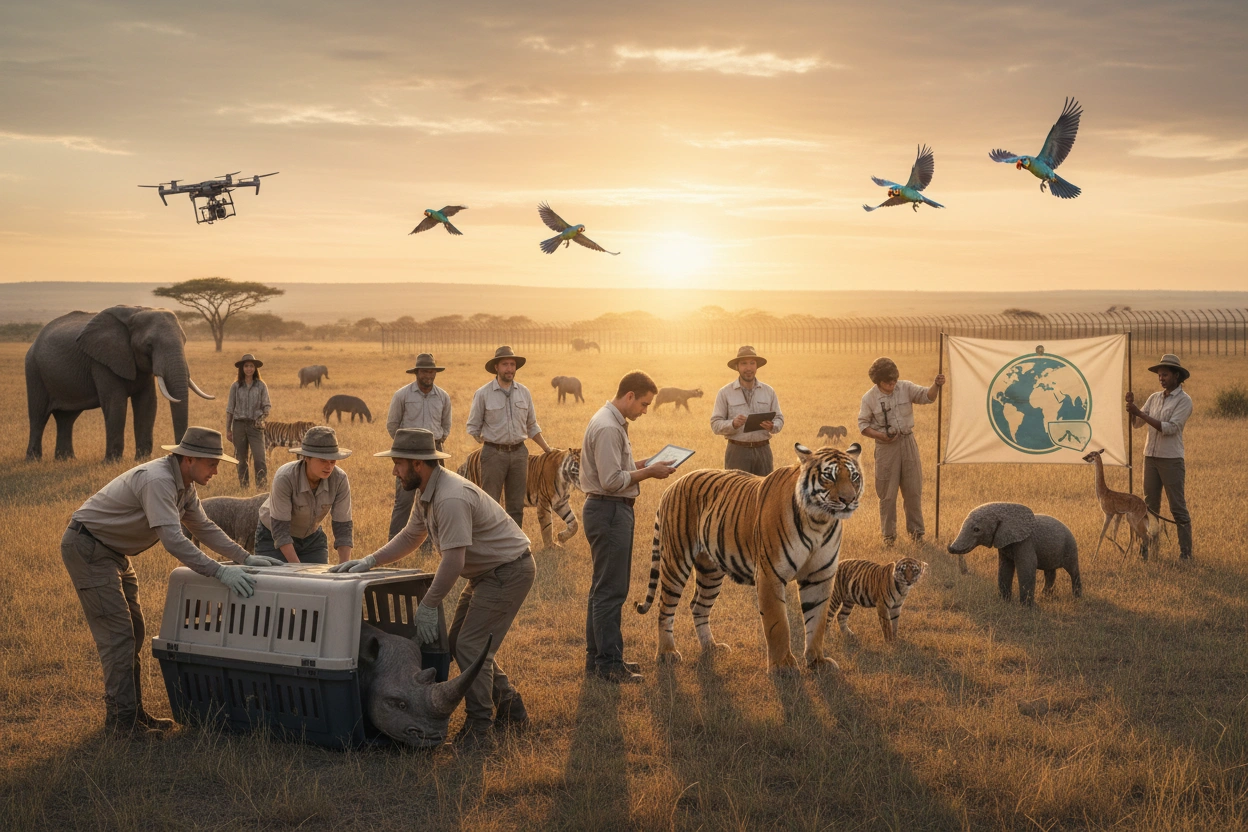
Conservation efforts are essential to protect endangered animals and their habitats. These initiatives can take many forms, from legal protections and habitat restoration to community engagement and education. Here are several key aspects of successful conservation efforts:
Many countries have established laws and regulations to protect endangered species. The Endangered Species Act in the United States, for example, provides a framework for the conservation of threatened and endangered plants and animals. This act not only offers protections to species but also mandates the recovery of their populations through habitat preservation and restoration.
Restoring habitats that have been degraded or destroyed is a critical step in conservation. Projects may involve reforestation, wetland restoration, or the removal of invasive species that threaten native wildlife. For example, the restoration of the Florida Everglades has been a significant effort to protect numerous endangered species, including the American crocodile and the Florida panther.
Involving local communities in conservation efforts is vital for their success. Empowering people to participate in wildlife protection fosters a sense of ownership and responsibility toward their natural environment. Programs that offer economic incentives for conservation, such as eco-tourism or sustainable farming, can be effective in aligning the interests of communities with conservation goals.
Raising awareness about the plight of endangered animals is critical for garnering support for conservation efforts. Educational programs in schools, community workshops, and media campaigns can inform the public about the importance of biodiversity and the threats faced by endangered species. Organizations often use storytelling and social media to reach wider audiences, making the issue more relatable and urgent.

Understanding the specific endangered animals can help catalyze conservation efforts. Here is a list of ten endangered animals that illustrate the diversity of species at risk and the urgent need for action.
Amur Leopard
Sumatran Orangutan
Vaquita
Javan Rhino
Snow Leopard
African Wild Dog
Hawksbill Turtle
Yangtze Giant Softshell Turtle
Northern White Rhino
Iberian Lynx
Despite growing awareness, several misconceptions about endangered animals persist. Addressing these misunderstandings is crucial for fostering effective conservation efforts.
Many people believe that endangered animals only inhabit distant rainforests or remote islands. However, many endangered species can be found in populated regions where habitat loss and human activities threaten their survival. For instance, urban development can encroach on the habitats of species like the California tiger salamander, which may live in suburban areas.
While government initiatives play a vital role in conservation, it is a collective responsibility that includes non-profit organizations, businesses, and individuals. Community-led conservation efforts, such as local wildlife reserves and educational programs, can be equally impactful.
Not all endangered animals are immediately at risk of extinction. The term "endangered" indicates a species is at risk, but many have stable populations and can recover with appropriate conservation efforts. For example, the American bison, once near extinction, has rebounded due to dedicated conservation strategies.
As individuals, there are many ways to contribute to the conservation of endangered animals. Here are some actionable steps:
Educate Yourself and Others
Support Conservation Organizations
Advocate for Policy Changes
Practice Sustainable Living
Participate in Citizen Science
The relationship between endangered animals and their ecosystems is intricate and vital. Endangered species often serve as keystone species, meaning their presence or absence significantly impacts the structure and health of their ecosystem. For instance, the decline of large predators like wolves can lead to overpopulation of herbivores, resulting in overgrazing and habitat degradation.
Conversely, the protection of endangered species can lead to broader environmental benefits. For example, initiatives to protect the habitat of the endangered red-cockaded woodpecker have also benefited numerous other species that share the same environment. Thus, conservation efforts aimed at protecting endangered animals can create a ripple effect, fostering a healthier ecosystem for all species, including humans.
As we delve into the complexities of endangered animals and their ecosystems, organizations like the Banana Slug Club play a crucial role in promoting awareness and conservation efforts. By engaging communities and fostering education about the importance of biodiversity, the Banana Slug Club contributes to the collective effort to protect endangered species.
The organization actively works on projects that not only aim to preserve endangered animals but also restore and protect their habitats. Their initiatives often involve local communities, ensuring that the benefits of conservation are shared and that people are empowered to take action.
In light of what you have learned about endangered animals and their ecosystems, consider how you can contribute to conservation efforts. Whether through education, volunteering, or supporting organizations like the Banana Slug Club, every action counts. For more information on how to get involved and support conservation efforts, visit the Banana Slug Club. Together, we can make a difference in the fight to protect endangered animals and ensure a balanced ecosystem for future generations.
Get free resources, early access to new features and updates.
No spam. Just fun educational emails!


.svg)
.svg)