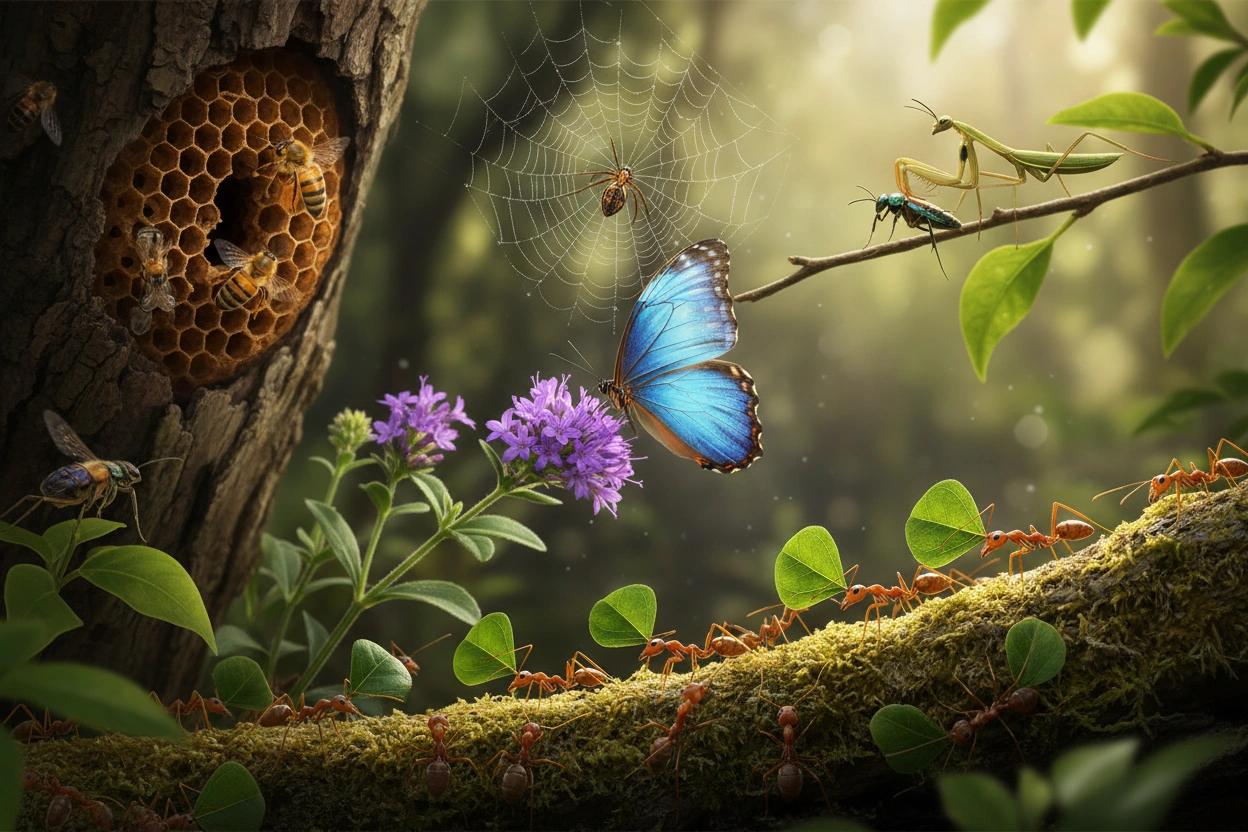
Insects are among the most diverse and fascinating creatures on our planet. With over a million identified species, they play crucial roles in ecosystems, agriculture, and even in human culture. For nature lovers, understanding insect behavior patterns can enhance appreciation for these remarkable organisms, leading to more meaningful interactions with the natural world. This article aims to provide insights into the intricacies of insect behavior and identification, alongside a look at some of the most fascinating insect species.
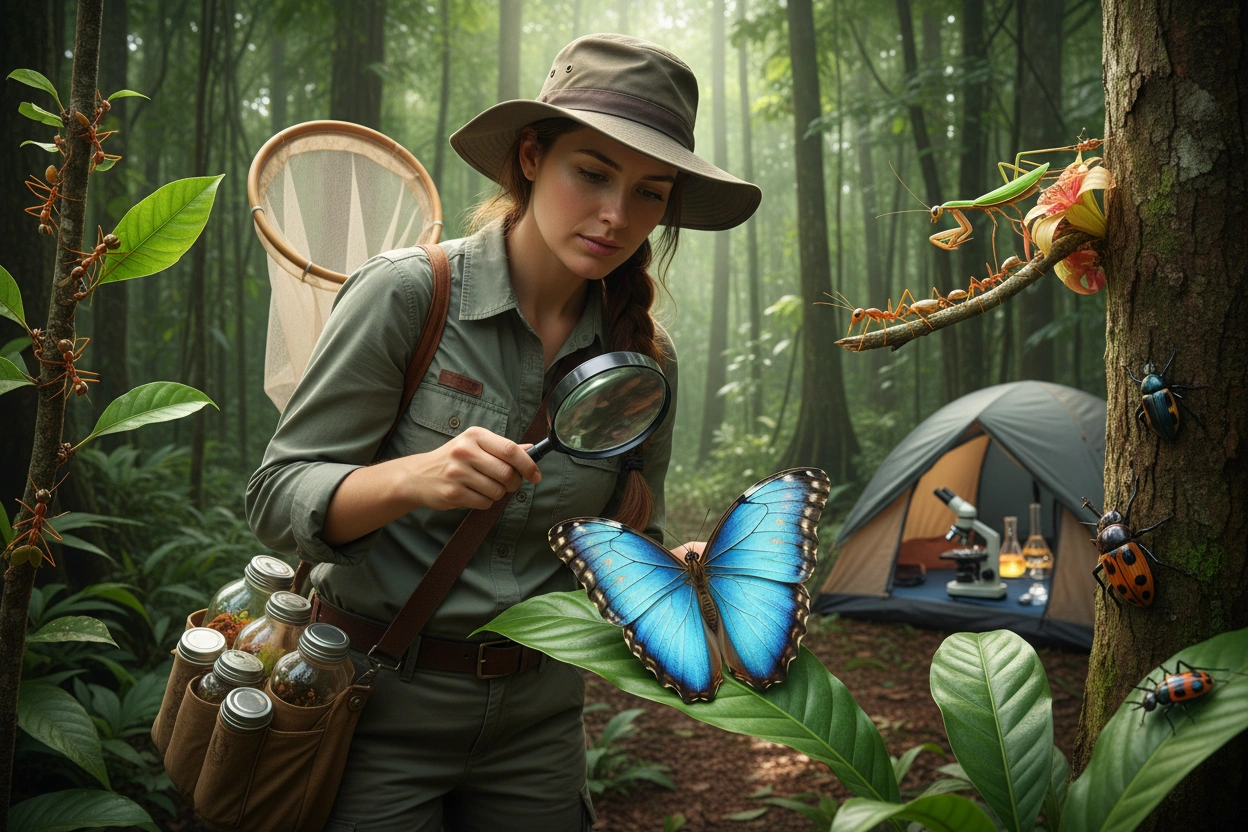
Insects are not just mere inhabitants of our environment; they are vital to maintaining ecological balance. They contribute to pollination, decomposition, and serve as food for numerous other species. Moreover, understanding insect behavior can aid in pest control, conservation efforts, and even inspire innovative designs in various fields, such as robotics and architecture.
Additionally, many misconceptions surround insects, such as their perceived dangers or their roles in human health. By debunking these myths, we can foster a more positive relationship with these creatures. For instance, while some insects can transmit diseases, the majority are harmless and even beneficial to humans.
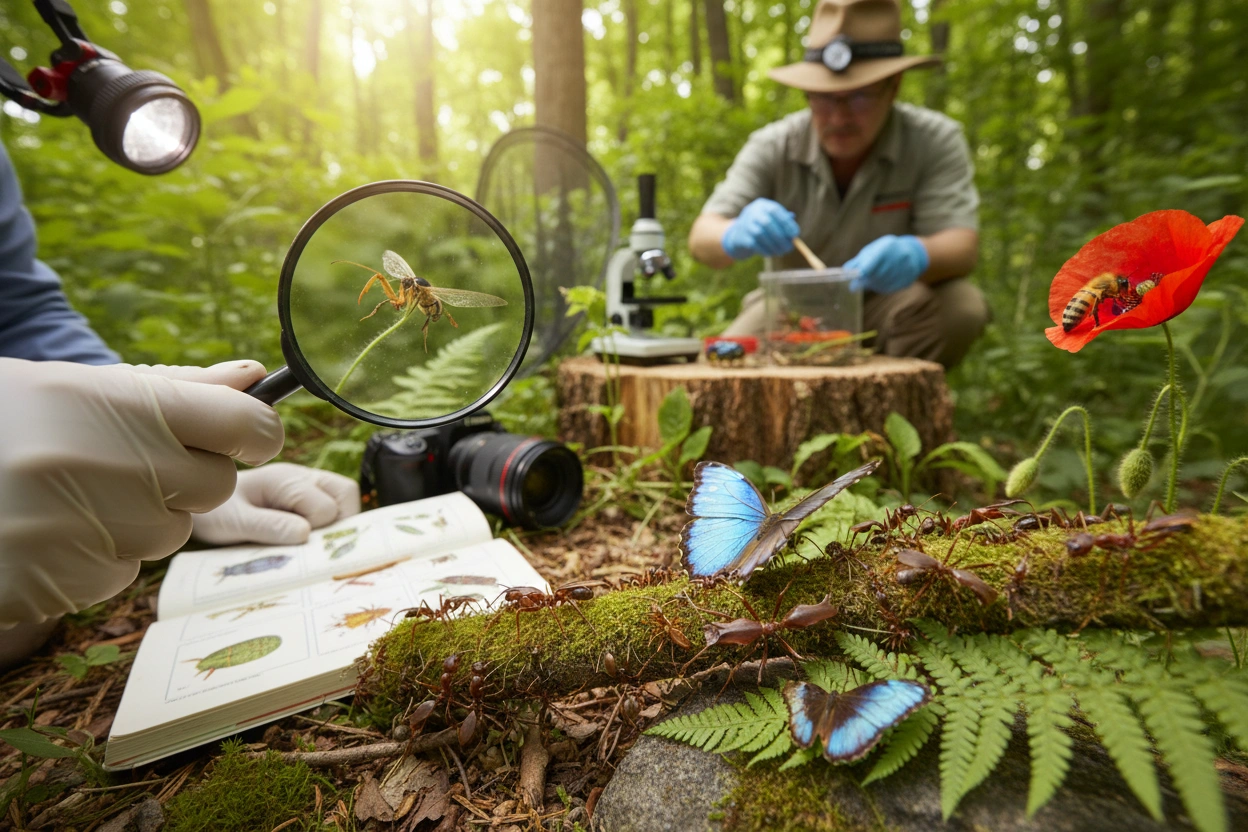
Insect species identification is crucial for understanding the roles these creatures play in their environments. With the right tools and knowledge, anyone can begin to identify different species. Here are some essential tips for effective insect identification:

Insects exhibit a wide range of behaviors and adaptations that make them incredibly interesting to study. Here are ten of the most fascinating insect species that nature lovers should learn about:
The Monarch Butterfly is known for its incredible migration journey, traveling thousands of miles from North America to central Mexico. Their vibrant orange and black wings are not only beautiful but also serve as a warning to predators about their toxicity.
This beetle is famous for its unique defense mechanism. When threatened, it can eject a hot, noxious chemical spray from its abdomen, deterring predators and showcasing its remarkable evolutionary adaptations.
Leafcutter ants are renowned for their complex social structures and farming abilities. They cut leaves to cultivate fungus, which serves as their primary food source, demonstrating remarkable cooperation and organization within their colonies.
Known for their distinctive posture and predatory skills, praying mantises are fascinating hunters. They have excellent vision and can rotate their heads to scan their surroundings, making them effective predators.
Honeybees play a critical role in pollination and are vital for agricultural productivity. Their complex social structures and communication methods, including the famous "waggle dance," make them a subject of extensive study.
Fireflies are celebrated for their bioluminescence, which they use for mating displays. The glow emitted by these insects is a result of chemical reactions occurring in their bodies, making them enchanting to observe at night.
Dragonflies are skilled aerial hunters, capable of flying in any direction. Their large eyes and rapid wing beats allow them to catch prey mid-air, showcasing their impressive predatory skills.
Stick insects are masters of camouflage, mimicking twigs and branches to avoid predation. Their unique adaptations for survival are fascinating, making them a favorite among entomologists.
Silk moths have been domesticated for silk production for thousands of years. Their life cycle, from caterpillar to pupa to adult, is a remarkable example of metamorphosis and human interaction with insects.
As one of the largest moth species in the world, the Atlas Moth has a wingspan that can reach up to a foot. Its stunning coloration and unique wing patterns make it a spectacular sight in the wild.
Understanding how insects behave can deepen your appreciation for them and enhance your observational skills. Here are some methods to observe and record insect behavior:
Insects play various roles in ecosystems, from pollinators to decomposers. Understanding these roles can help nature lovers appreciate their importance in environmental health.
Many insects, particularly bees and butterflies, are critical pollinators. They facilitate the reproduction of flowering plants, which in turn supports entire food webs. The decline of pollinator populations has raised concerns about food security and biodiversity.
Insects such as beetles and ants contribute to breaking down organic material, recycling nutrients back into the soil. This process is essential for maintaining soil health and supporting plant growth.
Insects serve as a food source for a variety of animals, including birds, mammals, and reptiles. Their role in the food chain underscores the interconnectedness of ecosystems.
While observing insects can be rewarding, it is essential to do so safely and respectfully. Here are some guidelines for safe interaction:
Insects are not only vital to our ecosystems but also to our communities. Engaging with insects fosters a deeper understanding of our environment, promoting conservation and appreciation for biodiversity. Organizations like Banana Slug Club provide resources and opportunities for individuals to learn more about insects and their roles in nature.
By participating in community events, educational programs, and citizen science initiatives, nature lovers can contribute to the conservation of insect species and their habitats. Engaging with local experts can also enhance knowledge and inspire action for insect conservation.
In conclusion, understanding insect behavior patterns enriches our appreciation of these remarkable creatures. From identifying fascinating species to observing their behaviors, there is much to explore in the world of insects. The Banana Slug Club is dedicated to promoting knowledge and appreciation of nature, including the vital roles insects play in our ecosystems. Understanding these roles can help nature lovers appreciate their importance in environmental health.
For those eager to dive deeper into the world of insects and engage with a community of like-minded nature enthusiasts, consider reaching out. Visit Banana Slug Club for resources, events, and ways to get involved in conservation efforts. Together, we can foster a deeper understanding and appreciation for the extraordinary world of insects.
Get free resources, early access to new features and updates.
No spam. Just fun educational emails!


.svg)
.svg)