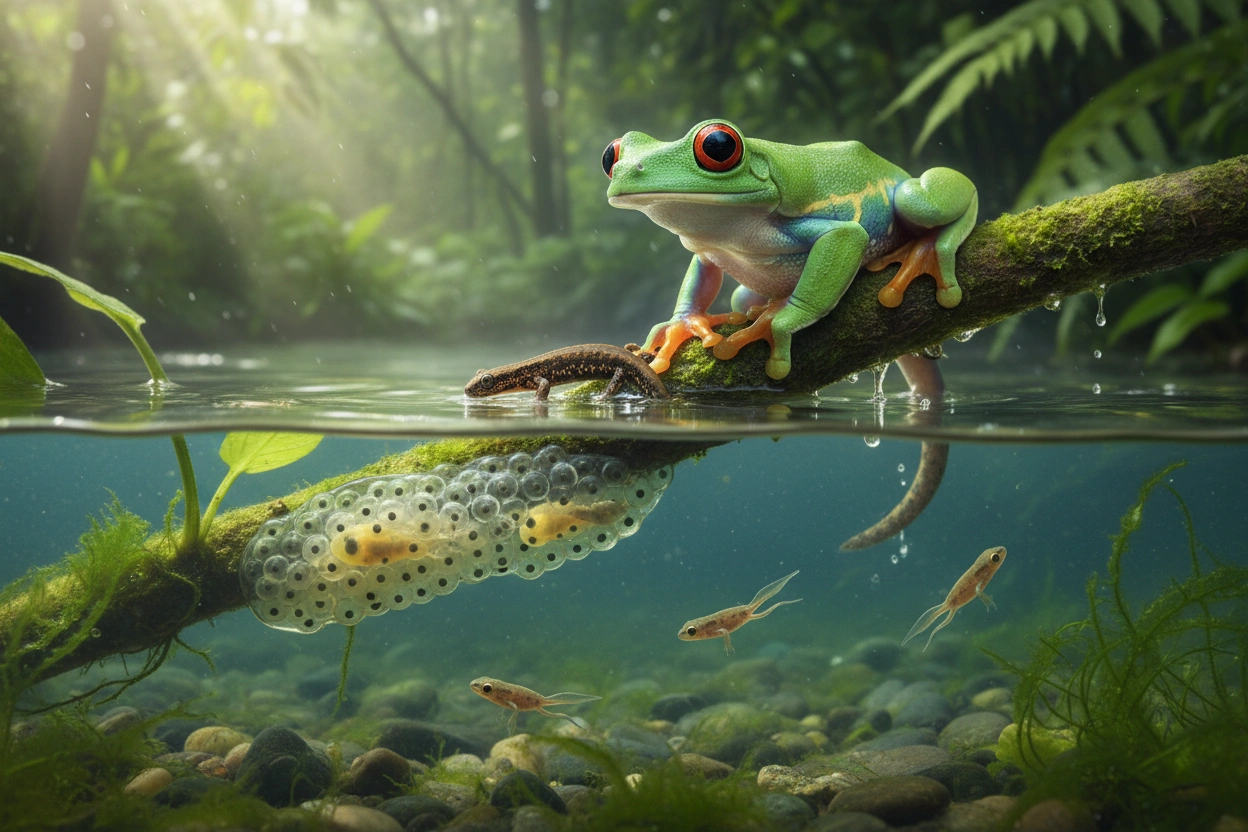
Amphibians are one of the most fascinating groups of animals on the planet, encompassing a diverse range of species that inhabit a variety of ecosystems. Among these, salamanders are particularly intriguing due to their unique characteristics and critical roles in maintaining ecological balance. With over 700 species worldwide, salamanders exhibit a range of adaptations that allow them to thrive in various environments. This article explores the top types of salamanders, their unique traits, and the importance of amphibian conservation efforts.
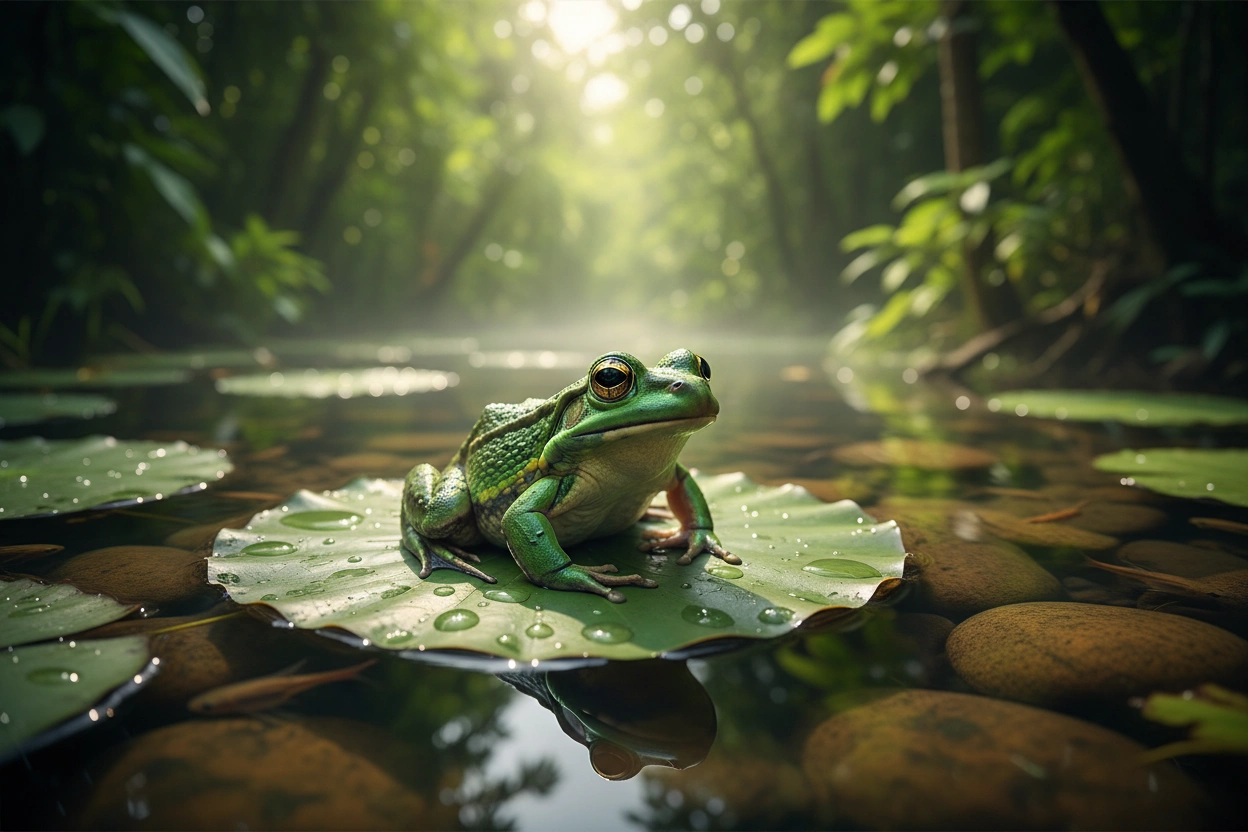
Amphibians, which include frogs, toads, newts, and salamanders, are characterized by their dual life stages—beginning as aquatic larvae and transitioning into terrestrial adults. This unique life cycle is closely linked to their habitats, which can vary from freshwater streams and ponds to moist forests and grasslands. Understanding the habitats of amphibians is crucial for their conservation, as these environments are often threatened by human activities.
Amphibians undergo a remarkable transformation known as metamorphosis. This process typically involves:
This life cycle highlights the dependence of amphibians on both aquatic and terrestrial habitats, making their conservation particularly vital.
Frogs, a prominent group within amphibians, thrive in diverse habitats, including: Common Frog Habitats
Understanding these habitats can inform conservation strategies aimed at protecting amphibians and their ecosystems.
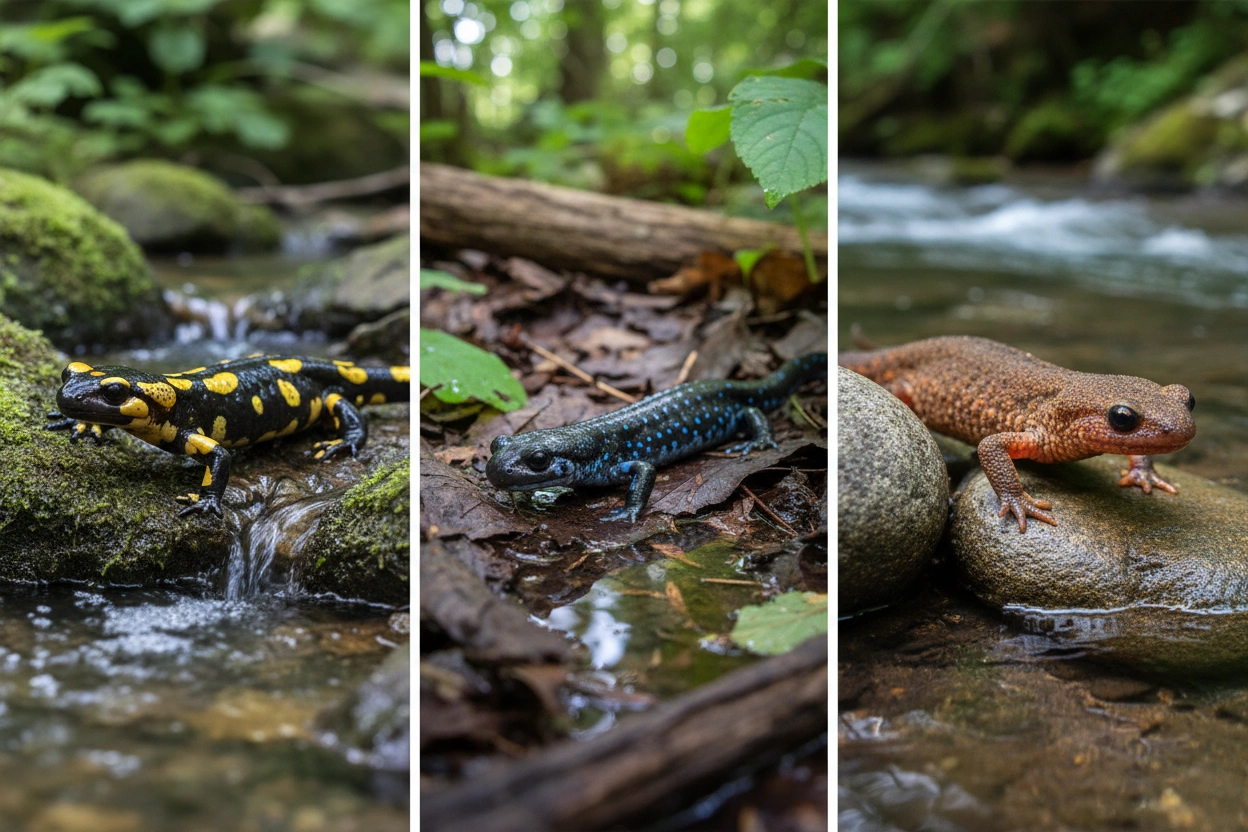
Salamanders are a diverse group of amphibians with various adaptations that allow them to thrive in their respective environments. Here are some of the most notable types:
This small, woodland salamander is known for its striking coloration, featuring a reddish stripe down its back. It plays a crucial role in forest ecosystems by controlling insect populations and serving as a food source for predators.
Recognizable by its yellow or white spots against a dark background, the Tiger Salamander is one of the largest terrestrial salamanders in North America. It prefers grasslands and open woodlands and relies heavily on seasonal ponds for breeding.
Famous for its ability to regenerate lost limbs, the Axolotl remains in its larval form throughout its life, a phenomenon known as neoteny. Native to Mexico, it thrives in aquatic environments and has become a popular subject in scientific research due to its regenerative capabilities.
With its vibrant red coloration and black spots, the Red Salamander is often found in moist, shaded areas near streams and springs. Its striking appearance makes it a favorite among amphibian enthusiasts.
This species is one of the largest salamanders in North America and can grow over a foot long. It inhabits moist forests and is known for its robust body and powerful limbs, which enable it to hunt effectively.
The Marbled Salamander is unique in that it breeds in the fall, laying eggs in dry vernal pools that fill with water in the winter. Its black and white marbling provides excellent camouflage in leaf litter.
With its distinctive yellow or white spots, the Spotted Salamander is a common sight in eastern North America. It prefers to live in deciduous forests and is known for its vibrant color and nocturnal habits.
This species is characterized by its slimy skin and black coloration with white flecks. The Northern Slimy Salamander is often found in rocky, forested areas and plays an important role in the ecosystem as both predator and prey.
The Blue-Spotted Salamander is easily identifiable by its blue spots on a dark background. It is primarily found in wetlands and forests and is known for its secretive nature.
Native to Europe, the Fire Salamander is recognized for its bold yellow or white spots against a black body. It is typically found in moist woodlands and is known for its toxic secretions, which serve as a defense mechanism against predators.

Amphibians, including salamanders, are facing unprecedented threats due to habitat loss, climate change, pollution, and disease. Conservation efforts are crucial to ensuring the survival of these vital species and maintaining ecological balance.
Here are some of the top amphibian conservation efforts being undertaken globally:
Habitat Restoration: Efforts to restore wetlands, forests, and other critical habitats help provide safe environments for amphibians.
Captive Breeding Programs: These programs aim to breed endangered amphibians in controlled environments and reintroduce them into their natural habitats.
Public Education and Awareness: Raising awareness about the importance of amphibians and their ecosystems encourages community involvement in conservation efforts.
Research and Monitoring: Ongoing research helps track amphibian populations and understand the impacts of environmental changes, guiding effective conservation strategies.
Legislation and Policy Advocacy: Advocating for stronger environmental protections and regulations can help mitigate habitat destruction and pollution.
Disease Management: Addressing the spread of chytridiomycosis, a deadly fungal disease affecting amphibians, is critical for their survival.
Community Engagement: Involving local communities in conservation efforts fosters stewardship and encourages sustainable practices that benefit both people and amphibians.
Sustainable Agriculture Practices: Implementing agricultural practices that minimize pesticide use and protect water quality can benefit amphibian populations.
Climate Change Mitigation: Addressing climate change through policy and community action is essential for preserving the habitats that amphibians depend on.
International Collaboration: Global partnerships among conservation organizations, governments, and researchers can enhance the effectiveness of amphibian conservation efforts.
Despite their ecological importance, there are several misconceptions about amphibians that can hinder conservation efforts:
Addressing these misconceptions is vital for promoting awareness and garnering support for amphibian conservation.
The Banana Slug Club is dedicated to supporting amphibian conservation efforts through education, research, and community engagement. By providing resources and opportunities for individuals to learn about amphibians, the club fosters a sense of responsibility toward these unique creatures.
Through workshops, educational materials, and community events, the Banana Slug Club aims to raise awareness of the amphibian conservation and their habitats. By engaging local communities, the club encourages conservation efforts that can make a significant impact on the survival of these essential species.
As we continue to learn about the unique traits and ecological roles of amphibians, it is essential to support conservation initiatives that protect their habitats and promote biodiversity. The Banana Slug Club offers numerous ways for individuals to get involved, from educational programs to volunteer opportunities.
For those interested in making a difference, consider reaching out to the Banana Slug Club. By joining this community, you can play a role in protecting amphibians and ensuring their survival for generations to come.
Visit Banana Slug Club to learn more about how you can contribute to amphibian conservation and make an impact in your community. Together, we can protect these remarkable creatures and their habitats.
Get free resources, early access to new features and updates.
No spam. Just fun educational emails!


.svg)
.svg)