Amphibians are fascinating creatures that play a crucial role in our ecosystems. As indicators of environmental health, they offer insights into the state of our natural surroundings. However, many people are unaware of the diverse species that inhabit their local areas, as well as the challenges these species face. By understanding identifying common amphibian species and their habitats, individuals can contribute to their conservation and promote biodiversity. This article aims to simplify the identification of amphibians in your local area while providing actionable insights into supporting amphibian conservation efforts.
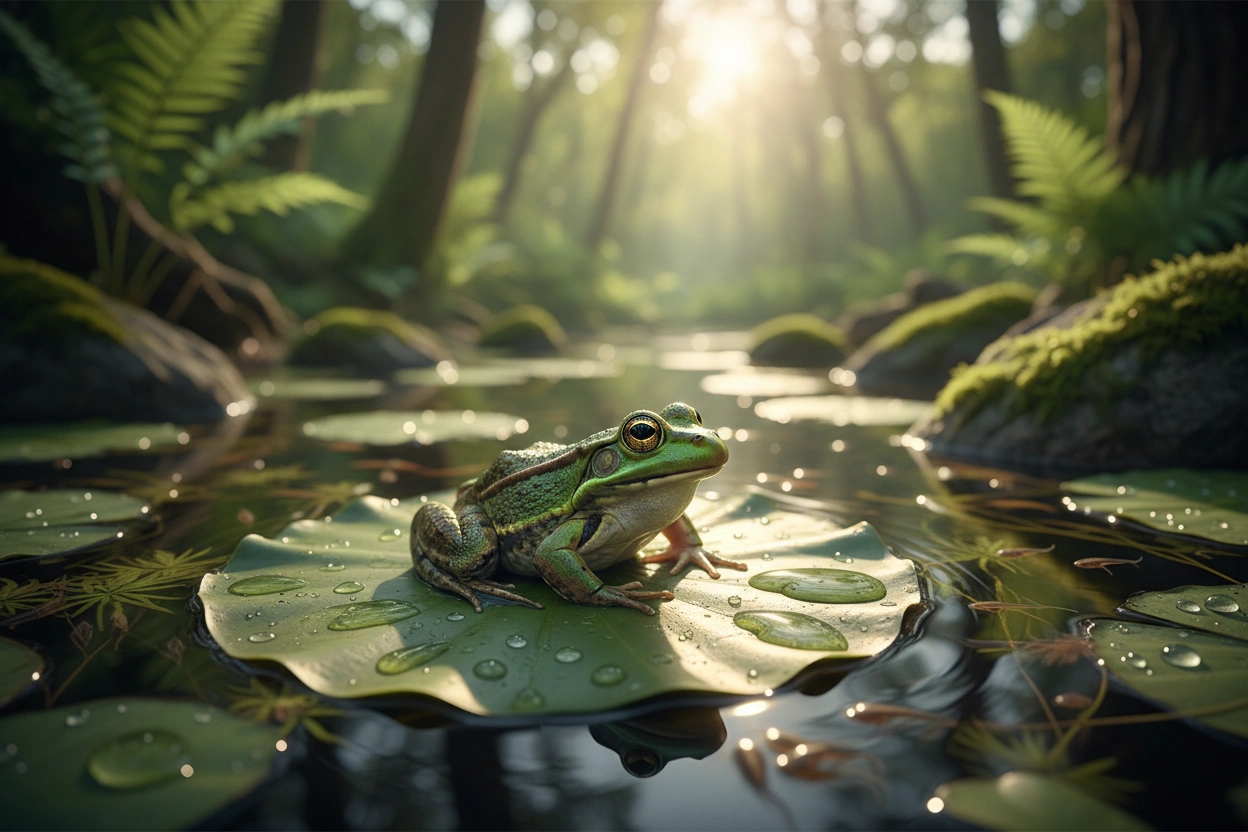
Amphibians are a class of animals that includes frogs, toads, salamanders, and newts. They are unique in their ability to live both on land and in water, which is a defining characteristic of their life cycle. Amphibians typically undergo a metamorphosis, starting life as eggs in water, then hatching into larvae (tadpoles in the case of frogs), and eventually developing into adult forms that can live on land.
Amphibians serve various ecological roles that are vital to maintaining healthy ecosystems. They help control insect populations by consuming large quantities of pests, thereby contributing to natural pest control. Additionally, they are prey for numerous predators, including birds, mammals, and reptiles, thus playing a key role in the food web.
Moreover, amphibians are bioindicators, meaning their presence and health reflect the condition of the environment. Declining amphibian populations often signal broader ecological issues, such as habitat destruction, pollution, and climate change.
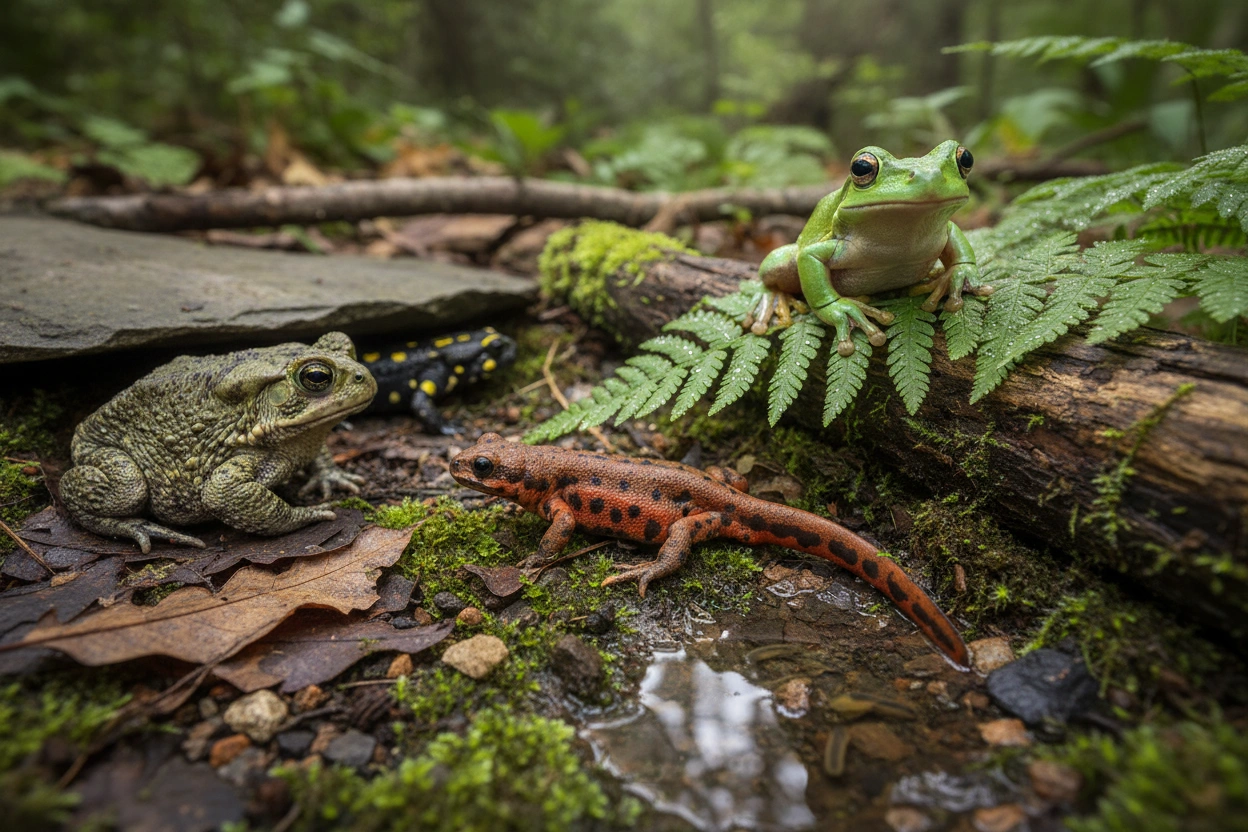
Identifying amphibian species in your local area can be a rewarding experience. Here are some common amphibians that you might encounter, along with tips for recognizing them:
The American Bullfrog is one of the largest frogs in North America, recognizable by its deep, resonant croak. They are usually green or brown with a light-colored belly and can be found in ponds, lakes, and marshes.
This medium-sized frog is identifiable by its distinctive dark spots on a green or brown background. Northern Leopard Frogs are often found in grassy areas near water bodies.
This small tree frog is known for its gray or green color that helps it blend into its surroundings. It has a distinctive, loud trill call and can be found in wooded areas near ponds.
Famous for its striking red eyes and vibrant green body, the Red-Eyed Tree Frog is typically found in Central America but can be seen in some southern U.S. regions. They often inhabit rainforests and are known for their nocturnal habits.
The Western Toad is a robust amphibian with a warty skin texture and a wide range of colors. They are commonly found in mountainous regions and are known for their distinctive call, which resembles a low-pitched "trumpet."
This salamander is easily identifiable by its black body with yellow or white spots. Spotted Salamanders are often found in wooded areas and are typically seen during their breeding season in early spring.
The Eastern Newt is known for its bright orange or red coloration during its juvenile stage, which can be found in ponds and wetlands. Adults are often greenish-brown and are mostly terrestrial.
This common toad is recognized by its bumpy skin and varying shades of brown or gray. American Toads are adaptable and can be found in a variety of habitats, including gardens and forests.
The Green Frog is often confused with the Bullfrog but is smaller and has a more slender body. Its skin is bright green or brown, and it can be found near freshwater sources.
This salamander is characterized by its stout body and dark coloration. Mole Salamanders prefer to burrow underground and are often found in leaf litter or soil.

Understanding the habitats of these amphibians is crucial for identifying them. Here are some common frog habitats where you can observe these creatures:
Amphibians, particularly frogs, thrive in ponds and lakes. These water bodies provide the necessary environment for breeding and feeding. Look for lily pads, reeds, and quiet areas where frogs may bask or lay their eggs.
Wetlands are vital habitats for amphibians. They offer abundant food sources and protection from predators. Marshy areas often host a variety of species, including salamanders and toads.
Many amphibians prefer wooded areas, where they can find shelter and moisture. Look for leaf litter, logs, and damp soil, which provide ideal conditions for species like the Eastern Gray Tree Frog and Spotted Salamander.
Surprisingly, urban gardens can also support amphibian populations. Creating a small pond or maintaining a green space can attract local amphibians, offering them refuge in otherwise developed environments.
As amphibians face increasing threats from habitat loss, climate change, and pollution, supporting conservation efforts is essential. Here are ten impactful initiatives and actions you can take to help:
Habitat Restoration: Participate in local habitat restoration projects, such as wetland rehabilitation, to improve conditions for amphibians.
Community Education: Educate your community about the importance of amphibians and their ecosystems. Hosting workshops or informational sessions can raise awareness.
Volunteer with Conservation Organizations: Join local or national organizations dedicated to endangered amphibians conservation to assist with research, monitoring, and advocacy efforts.
Create Wildlife-Friendly Spaces: Design gardens that incorporate native plants, water features, and shelter options to attract and support amphibian populations.
Reduce Pesticide Use: Limit the use of chemicals in gardening and landscaping, as pesticides can harm amphibians and disrupt their reproductive cycles.
Participate in Citizen Science: Engage in citizen science projects that monitor amphibian populations and contribute valuable data to researchers.
Support Legislation: Advocate for laws and policies that protect amphibian habitats and regulate pollution sources that threaten their survival.
Promote Sustainable Practices: Encourage sustainable farming and land-use practices in your community to reduce habitat degradation.
Educate About Invasive Species: Raise awareness about the impact of invasive species on local amphibians and promote measures to control their spread.
Foster Research Initiatives: Support research projects focused on amphibian health, habitat needs, and conservation strategies to ensure their survival.
Community involvement is crucial in amphibian conservation efforts. By working together, individuals can amplify their impact, creating a more significant change in local ecosystems. Establishing community groups focused on amphibian education, habitat preservation, and conservation can foster a collective responsibility toward these important species.
The journey of identifying and conserving amphibians is both exciting and rewarding. By understanding the common species in your area and their habitats, you can actively engage in preserving their populations. Whether it is through community action, personal gardening choices, or education, every effort counts.
As you explore the fascinating world of amphibians and their critical role in our ecosystems, consider how organizations like the Banana Slug Club can support your efforts. The Banana Slug Club is dedicated to promoting awareness and conservation of local wildlife, including amphibians. By joining forces with like-minded individuals, you can contribute to meaningful conservation initiatives and help protect these vital species for future generations.
To learn more about amphibian conservation efforts and how you can get involved, visit Banana Slug Club. Together, we can make a difference in preserving the rich biodiversity that amphibians represent in our environment.
Get free resources, early access to new features and updates.
No spam. Just fun educational emails!


.svg)
.svg)