The plight of endangered animals is a pressing issue that demands our attention. With habitat loss, climate change, poaching, and pollution threatening wildlife, conservation efforts are essential to ensuring the survival of these species. In 2026, various initiatives are underway globally to protect endangered animals and promote biodiversity. This article explores the top ten endangered animals you need to know about and highlights the conservation efforts that are helping them bounce back.

Endangered animals are species that are at risk of extinction due to various factors, including habitat destruction, hunting, and environmental changes. The International Union for Conservation of Nature (IUCN) classifies these species based on their population size, decline rate, and threats to their survival.
Conservation efforts aim to mitigate these threats through habitat preservation, legal protections, breeding programs, and community engagement. The importance of these efforts cannot be overstated, as biodiversity is crucial for ecosystem stability and human survival.
Biodiversity refers to the variety of life on Earth, including species diversity, genetic diversity, and ecosystem diversity. Healthy ecosystems provide numerous benefits, including:
The decline of biodiversity can lead to ecosystems that are less resilient to changes and stressors, which in turn affects human health and well-being. Thus, protecting endangered animals is not just about saving individual species; it's about safeguarding the intricate web of life that supports us all.
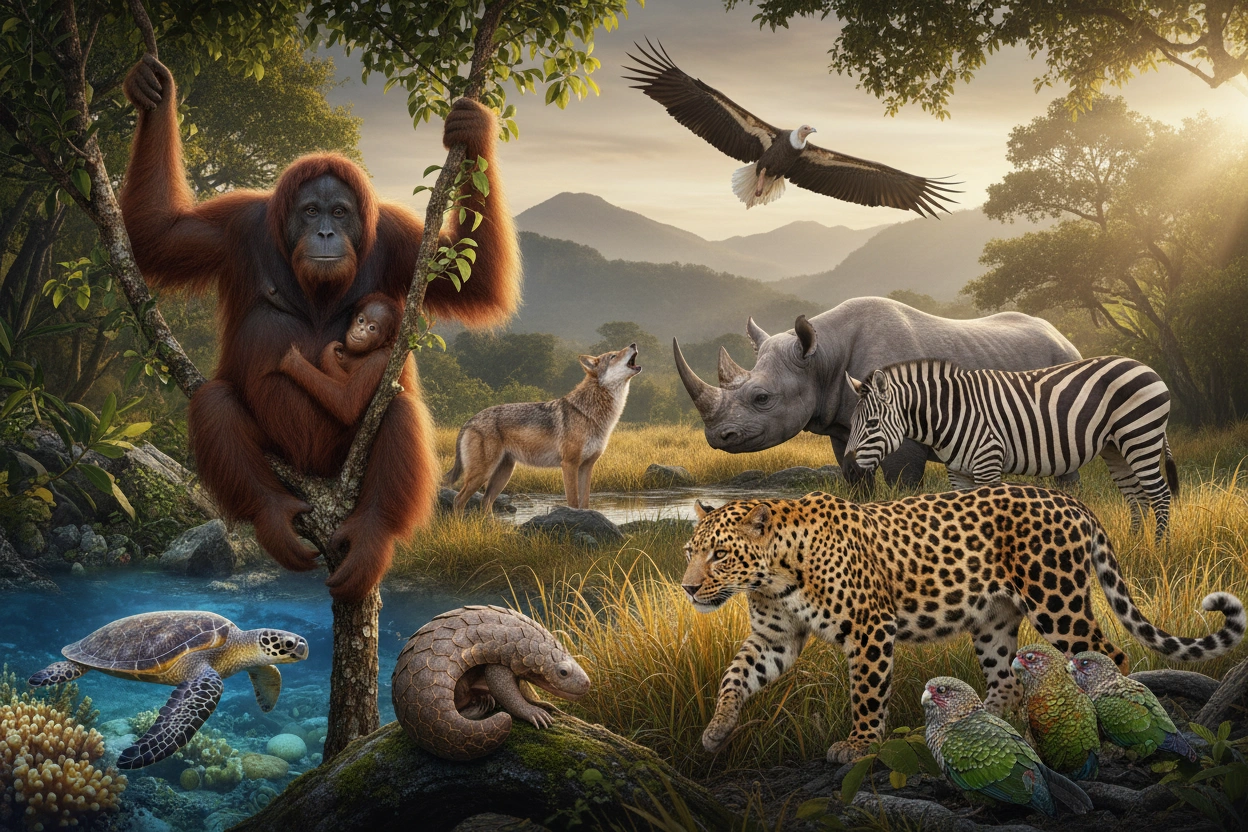
Understanding the specific endangered animals and the threats they face is crucial for effective conservation. Here are the top ten endangered animals that are currently at risk:
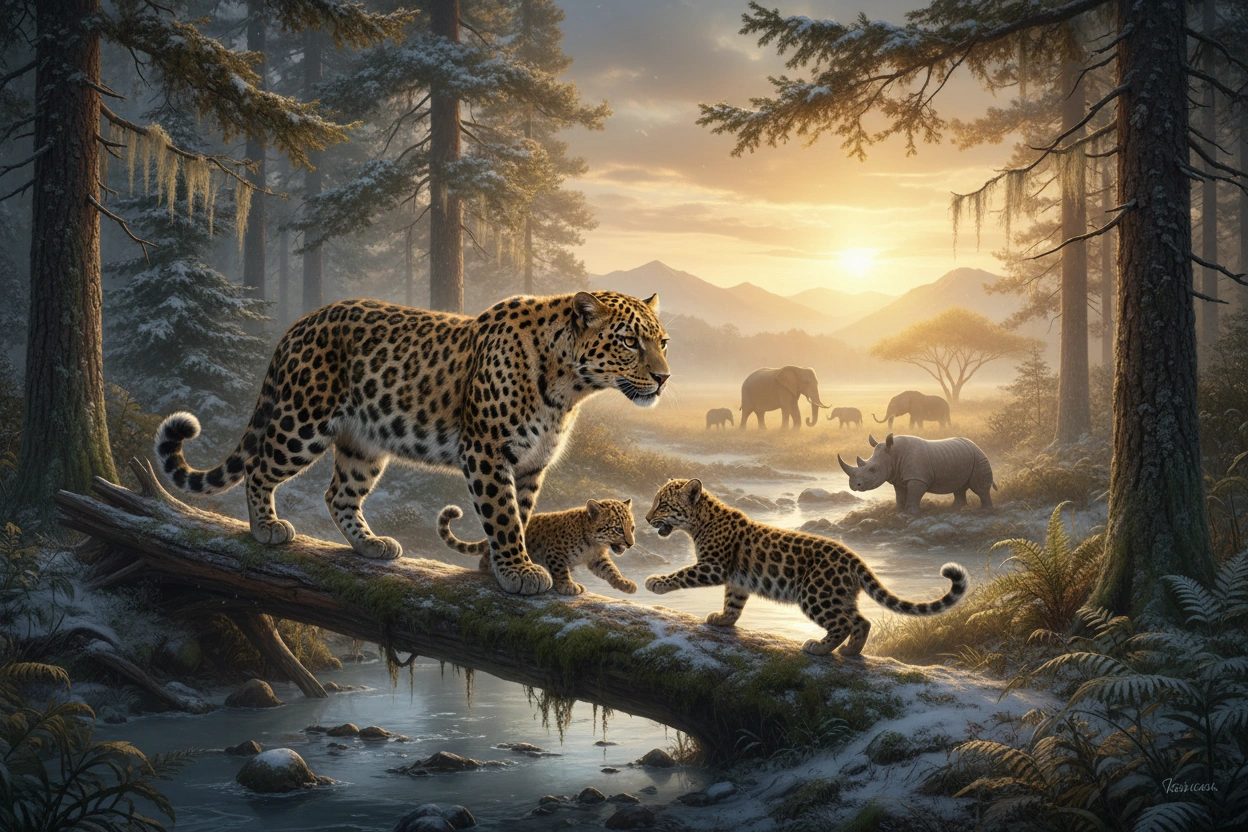
The Amur leopard is one of the rarest big cats in the world, with an estimated population of fewer than 100 individuals in the wild. Habitat loss due to deforestation and poaching for their beautiful fur are the primary threats to this species.
The vaquita, a small porpoise found only in the Gulf of California, is critically endangered with less than 30 individuals remaining. The primary threat is entanglement in illegal gillnets used for fishing.
With approximately 14,000 individuals left, the Sumatran orangutan faces threats from habitat destruction due to palm oil plantations and illegal logging. Conservation efforts focus on habitat protection and rehabilitation.
The Javan rhino is the most endangered of the five rhino species, with around 80 individuals left in Ujung Kulon National Park, Indonesia. Poaching and habitat loss are significant threats.
With only two remaining individuals, the northern white rhino is on the brink of extinction. Intensive conservation efforts, including in vitro fertilization, aim to save this subspecies.
The African elephant population has declined dramatically due to poaching for ivory and habitat loss. Conservation efforts include anti-poaching measures and community-based conservation initiatives.
Snow leopards are threatened by habitat loss, poaching, and retaliatory killings by herders. Conservation strategies involve community engagement and anti-poaching patrols.
The hawksbill turtle is critically endangered, primarily due to illegal trade of their shells and habitat loss. Conservation efforts focus on protecting nesting sites and reducing bycatch.
The Sumatran tiger is the only remaining tiger subspecies in Indonesia, with approximately 400 individuals left. Habitat loss and poaching are the main threats, leading to conservation efforts focused on habitat protection.
The red wolf is one of the world's most endangered canids, with about 20 individuals remaining in the wild. Conservation efforts include habitat restoration and breeding programs.
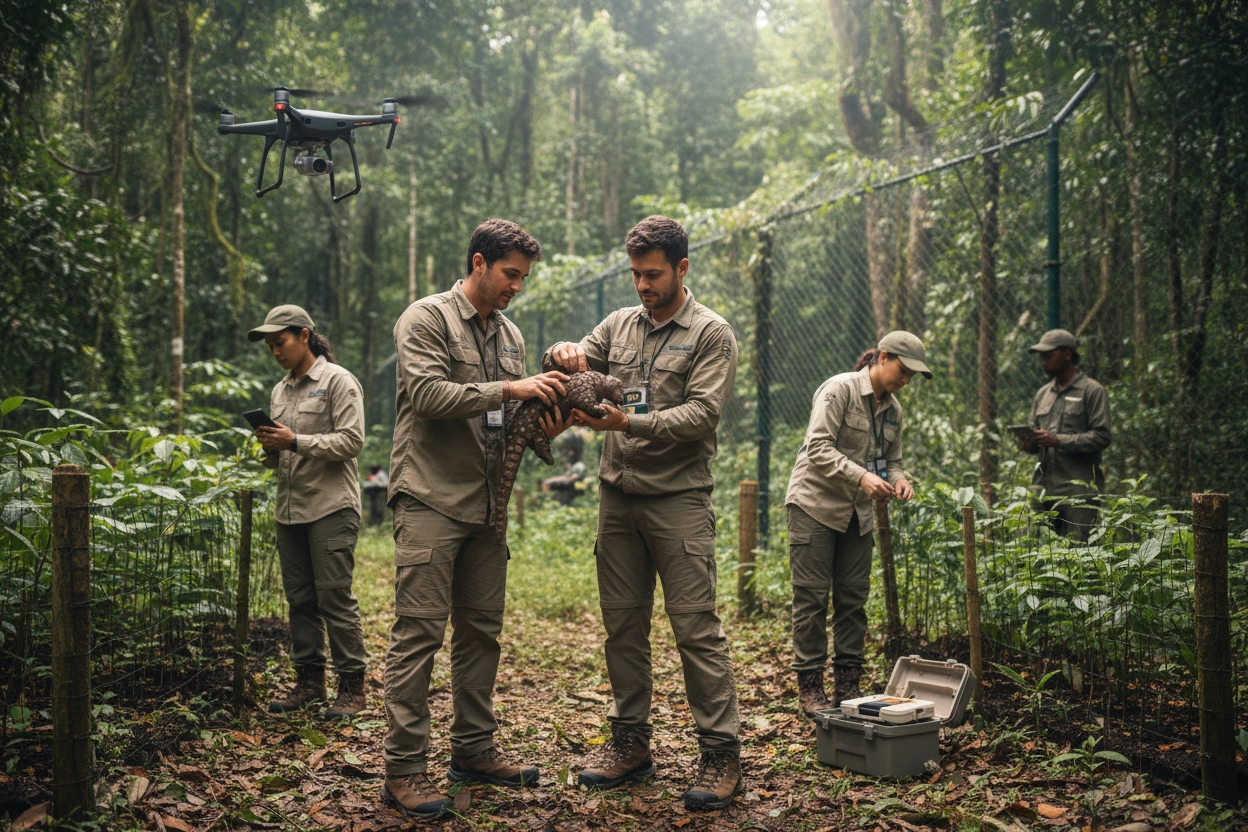
Conservation efforts for endangered animals are multifaceted and require collaboration among governments, NGOs, local communities, and international organizations. Here are some of the most effective strategies currently being implemented:
One of the primary strategies in conservation is the protection and restoration of habitats. This involves:
For instance, the establishment of the Amur Tiger and Leopard National Park in Russia has provided a protected habitat for the Amur leopard and tiger, allowing their populations to stabilize.
Legislation plays a crucial role in the conservation of endangered animals. Key measures include:
The Endangered Species Act in the United States has been instrumental in protecting various species from extinction through legal protections.
Engaging local communities in conservation efforts is vital for success. Strategies include:
For example, community-based conservation programs in Africa have empowered local populations to participate in wildlife protection, leading to increased awareness and reduced poaching.
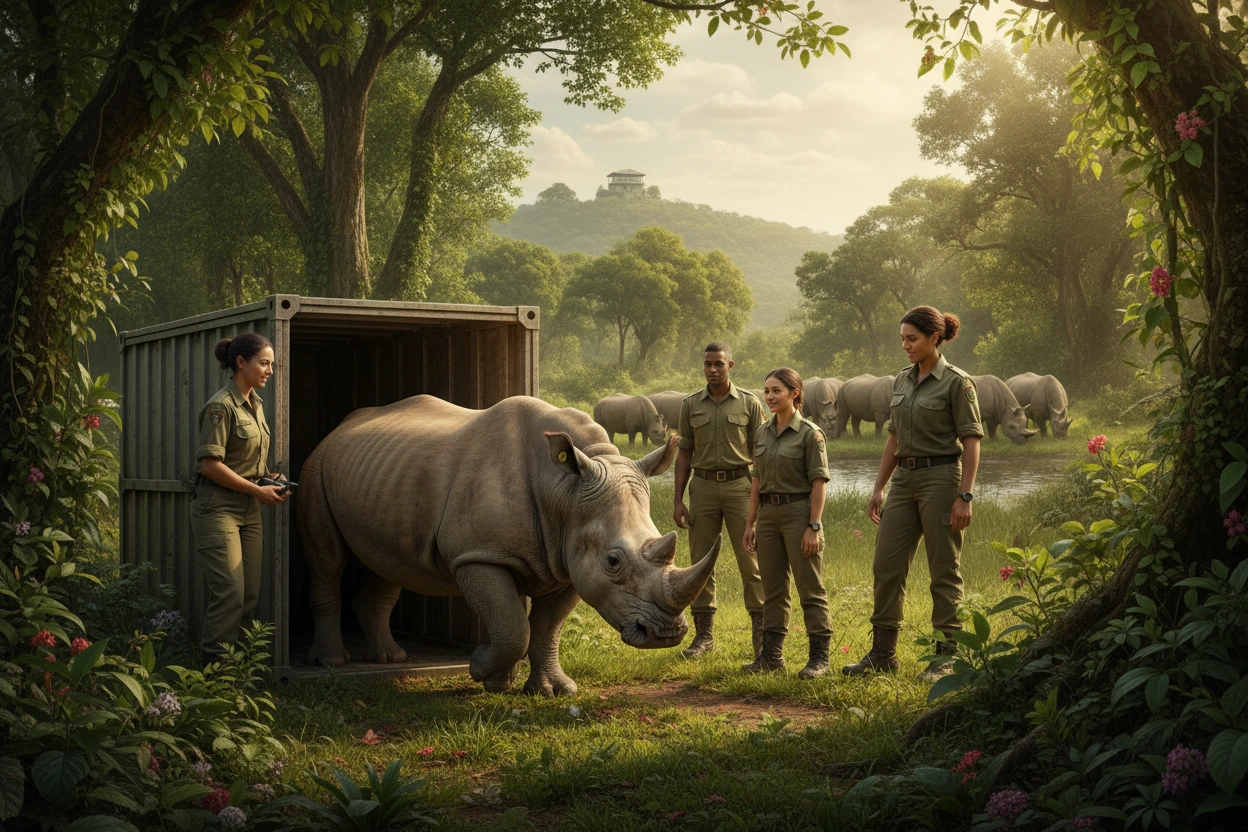
Captive breeding programs aim to increase the population of endangered animals and reintroduce them into their natural habitats. This approach has been successful for species such as the California condor and the Arabian oryx. Key elements include:
Conservation of endangered animals often requires international cooperation, especially for migratory species. This collaboration includes:
An example of successful international collaboration is the African Elephant Action Plan, which brings together multiple countries to protect elephant populations across the continent.
Despite the critical importance of conservation efforts, several misconceptions can hinder progress. Addressing these misconceptions is essential for building support and awareness.
Many people believe that conservation efforts only focus on animals, neglecting the importance of plant species and ecosystems. However, conservation is holistic and aims to protect entire ecosystems, which includes both flora and fauna.
While governments play a significant role in conservation, it is a collective responsibility that involves NGOs, businesses, and individuals. Community involvement and grassroots movements are vital for effective conservation.
Some argue that conservation efforts do not yield results. However, numerous success stories demonstrate the effectiveness of targeted conservation initiatives. For instance, the recovery of the gray wolf population in Yellowstone National Park is a testament to the power of conservation.
Technology plays an increasingly important role in conservation efforts. Innovations such as:
These technologies enhance conservation strategies and provide valuable data for researchers and conservationists.
Effective conservation requires a strong connection between wildlife protection and community development. By addressing the needs of local communities, conservation efforts can create sustainable solutions that benefit both people and wildlife.
Community-based conservation initiatives offer numerous benefits:
For example, ecotourism initiatives in regions like Costa Rica have provided economic incentives for communities to protect their natural resources while generating income from tourism.
Despite the potential of community-based conservation, challenges remain, including:
To address these challenges, it is essential to invest in education, provide financial support for conservation initiatives, and foster collaboration between stakeholders.
As individuals, we can all contribute to conservation efforts that help endangered animals bounce back. Here are some actionable steps:
By taking these steps, you can play a role in the collective effort to protect endangered animals and promote biodiversity.
The future of endangered animals hinges on our collective efforts to implement effective conservation strategies. By prioritizing habitat protection, legal enforcement, community engagement, and international collaboration, we can create a sustainable future for these species.
The work of organizations like Banana Slug Club is vital in this endeavor, as they promote awareness and action towards conservation efforts. By supporting these initiatives, we can all contribute to the recovery of endangered animals and ensure that future generations inherit a rich and diverse natural world.
As we have explored throughout this article, the conservation of endangered animals is not just a noble endeavor; it is essential for the health of our planet. If you are passionate about making a difference, consider joining the efforts of Banana Slug Club.
You can learn more about how you can get involved and make an impact by visiting Banana Slug Club. Together, we can help endangered animals bounce back and thrive in their natural habitats.
Get free resources, early access to new features and updates.
No spam. Just fun educational emails!


.svg)
.svg)