A Guide to Identifying Common Amphibians in Your Local Area
Amphibians play a vital role in our ecosystems, serving as both predators and prey. As indicators of environmental health, they are sensitive to changes in their habitat, making their presence a key sign of ecological balance. Understanding the common amphibians in your local area not only enriches your appreciation of identifying common amphibians, but also empowers you to participate in conservation efforts. In this comprehensive guide, we will explore the characteristics of common amphibians, their habitats, and the top conservation initiatives to support.
Understanding Amphibians
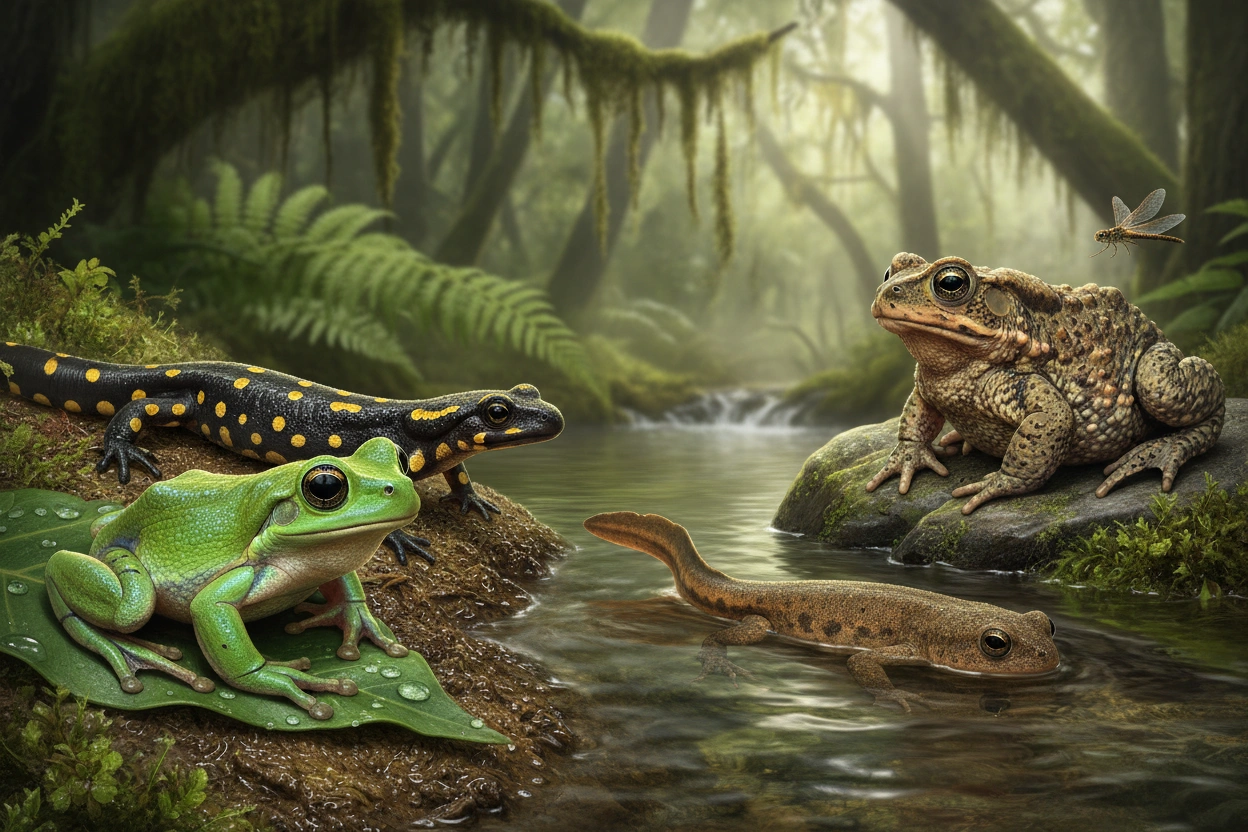
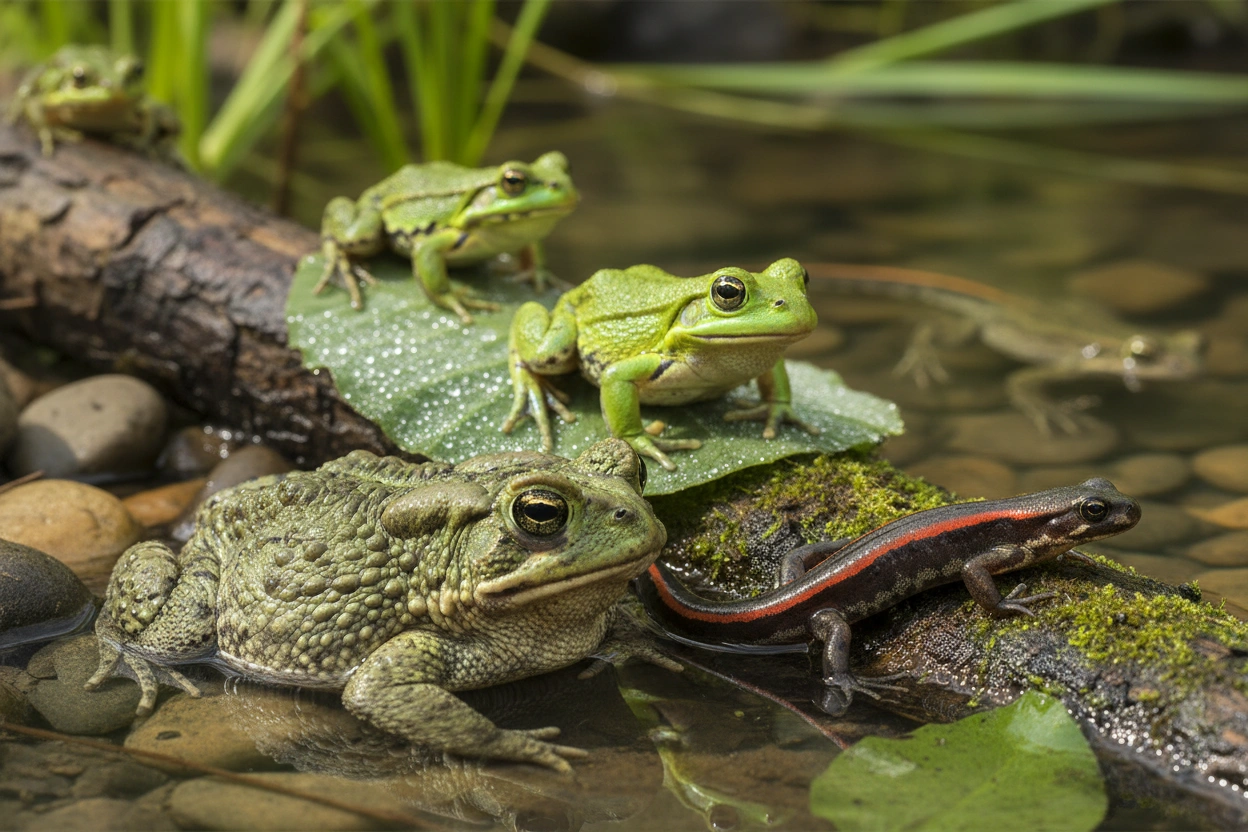
Amphibians are a diverse group of animals that include frogs, toads, salamanders, and newts. They are unique for their dual life stages, typically starting as aquatic larvae and transforming into terrestrial adults. This fascinating life cycle is a crucial aspect of their biology, but it also makes them particularly vulnerable to environmental changes.
Key Characteristics of Amphibians
- Skin: Amphibians possess permeable skin, allowing for gas exchange and moisture absorption. This trait makes them highly sensitive to pollutants.
- Life Cycle: Most amphibians undergo metamorphosis, beginning as eggs in water, hatching into larvae, and eventually maturing into adults. This transformation showcases a remarkable adaptation to their environment.
- Habitat: Amphibians are generally found in moist environments, as they require water for reproduction and skin hydration. Common habitats include ponds, wetlands, and forests.
Understanding these fundamental characteristics can help you identify and appreciate the various amphibians in your area.
Common Misconceptions About Amphibians
Despite their ecological importance, amphibians are often misunderstood. Here are a few common misconceptions:
- All Frogs are Toads: While frogs and toads share similarities, they belong to different families. Frogs typically have smooth skin and long legs for jumping, while toads have dry, bumpy skin and are more adapted to land.
- Amphibians are Dangerous: Some people believe that all amphibians are poisonous. While certain species, such as the poison dart frog, have toxic skin, many are harmless and even beneficial to gardens and ecosystems.
- Amphibians are Abundant Everywhere: Habitat destruction and pollution have led to declining populations of many amphibian species. Recognizing their vulnerability is key to supporting conservation efforts.
Identifying Common Amphibians
To appreciate the diversity of amphibians, it's essential to know how to identify them. The following sections will cover common amphibians you may encounter in your local area, focusing primarily on frogs and toads.
1. Common Frog Species
- American Bullfrog (Lithobates catesbeianus): This large frog is recognizable by its deep croak and vibrant green color. They thrive in ponds and marshes and can be identified by their distinctive yellow throat.
- Northern Leopard Frog (Lithobates pipiens): Known for its spotted appearance, this medium-sized frog prefers grasslands and wetlands. Its call sounds like a series of "ribbits."
- Wood Frog (Lithobates sylvaticus): This species has a unique dark mask around its eyes and is often found in wooded areas. They are known for their ability to survive being frozen during winter.
2. Common Toad Species
- American Toad (Anaxyrus americanus): With its warty skin and stocky body, the American toad is a common sight in gardens. They have a distinctive call that sounds like a long trill.
- Fowler's Toad (Anaxyrus fowleri): Similar to the American toad but with fewer warts, Fowler's toad prefers sandy or loamy soils. Their call is a short, nasal "waaaah."
- Eastern Spadefoot (Scaphiopus holbrookii): This toad is notable for its spade-like hind feet, which aid in burrowing. They are often found in dry areas and have a unique, melodious call.
3. Salamanders and Newts
While frogs and toads are more commonly recognized, salamanders and newts are equally important.
- Eastern Red-backed Salamander (Plethodon cinereus): This small, lungless salamander is often found in moist forested areas. Its red stripe makes it easily identifiable.
- Northern Red Salamander (Pseudotriton ruber): A striking species with a reddish body covered in black spots, it prefers to inhabit stream beds and wet forests.
- Eastern Newt (Notophthalmus viridescens): This newt has a distinctive bright orange or yellow coloration in its juvenile stage, transitioning to a more muted green as it matures. They are commonly found in ponds and wetlands.
Recognizing these amphibians can enhance your outdoor experiences and increase your awareness of local biodiversity.
Frog Habitats and Their Importance
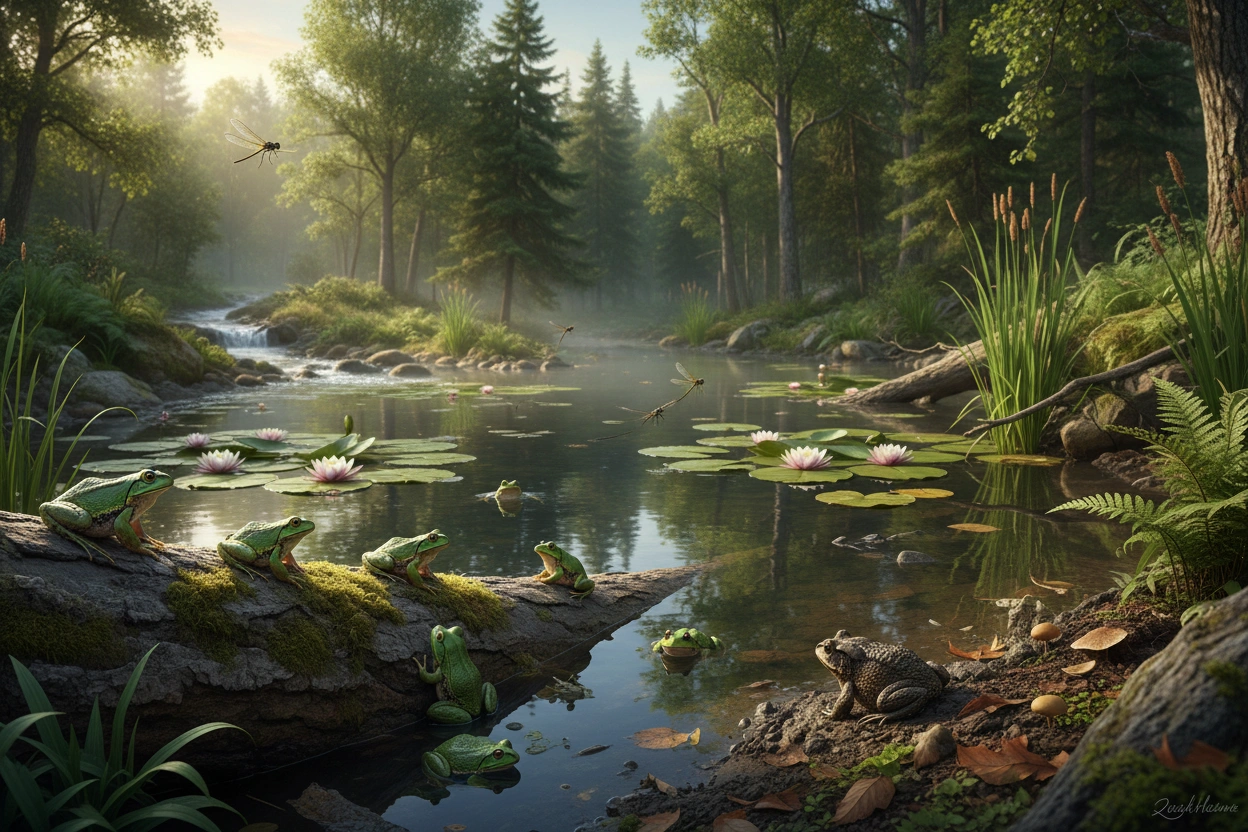
Frogs require specific habitats to thrive. Understanding these environments helps in their conservation and offers insights into their ecological roles.
Key Frog Habitats
- Ponds and Marshes: These aquatic environments provide essential breeding grounds for frogs. The presence of vegetation offers cover and breeding sites, while still water allows for egg-laying.
- Forests and Woodlands: Many frog species, such as the wood frog, rely on moist forest floors for shelter and hunting grounds. These areas provide a rich ecosystem for insects, a primary food source for frogs.
- Grasslands and Meadows: Some frogs, like the northern leopard frog, thrive in grassy areas near water sources. These habitats offer a unique blend of terrestrial and aquatic resources.
The Role of Habitats in Amphibian Conservation
Amphibian habitats are increasingly threatened by human activities such as urban development, agriculture, and pollution. Understanding the importance of these environments is crucial for effective conservation strategies. Healthy habitats support not only amphibians but also a variety of other wildlife, contributing to overall ecosystem health.
Top 10 Amphibian Conservation Efforts to Support
Supporting conservation initiatives is vital for the protection of amphibians and their habitats. Here are ten key efforts to consider:
- Habitat Restoration: Participate in or donate to organizations focused on restoring wetlands and other natural habitats essential for amphibians.
- Pollution Reduction Programs: Support initiatives aimed at reducing pollution in local water bodies, which can harm amphibian populations.
- Community Education: Engage in local education programs that raise awareness about amphibian conservation and biodiversity.
- Citizen Science Projects: Get involved in citizen science efforts that monitor amphibian populations and contribute valuable data to researchers.
- Legislation Support: Advocate for policies that protect amphibian habitats and regulate harmful practices, such as pesticide use.
- Invasive Species Control: Support efforts to control invasive species that threaten native amphibians and their ecosystems.
- Wildlife Corridors: Advocate for the creation of wildlife corridors that allow amphibians to migrate safely between habitats.
- Research Funding: Contribute to research initiatives focused on understanding amphibian biology, ecology, and conservation strategies.
- Breeding Programs: Support captive breeding programs aimed at reintroducing endangered species back into their natural habitats.
- Local Amphibian Surveys: Participate in or support local amphibian surveys to monitor health and population trends in your area.
By engaging in these conservation efforts, you can make a meaningful impact on the survival of amphibians in your local area.
The Intersection of Amphibian Conservation and Community Engagement
Understanding and conserving amphibians is not just a scientific endeavor; it is a community responsibility. The more you learn about these remarkable creatures, the better equipped you are to contribute to their preservation.
The Banana Slug Club is dedicated to fostering a community that appreciates and supports local wildlife, including amphibians. By joining forces with others who share a passion for conservation, you can make a significant difference in protecting these vital species.
Engaging with the Banana Slug Club can provide you with additional resources, educational opportunities, and community events focused on amphibian conservation. Together, we can ensure that future generations inherit a world rich in biodiversity and thriving ecosystems.
To learn more about how you can get involved in conservation efforts, visit the Banana Slug Club today. Your participation can help protect these vital species and their habitats for years to come.



.svg)
.svg)