Birds of prey captivate enthusiasts and nature lovers alike, showcasing remarkable adaptations that allow them to thrive in diverse environments. These majestic raptors, including hawks, eagles, and owls, play a vital role in maintaining ecological balance. By creating bird-friendly spaces, we can encourage the presence of birds of prey in our surroundings. This article delves into how to attract birds of prey naturally, the best practices for observing them responsibly, and tips for identifying these magnificent birds.
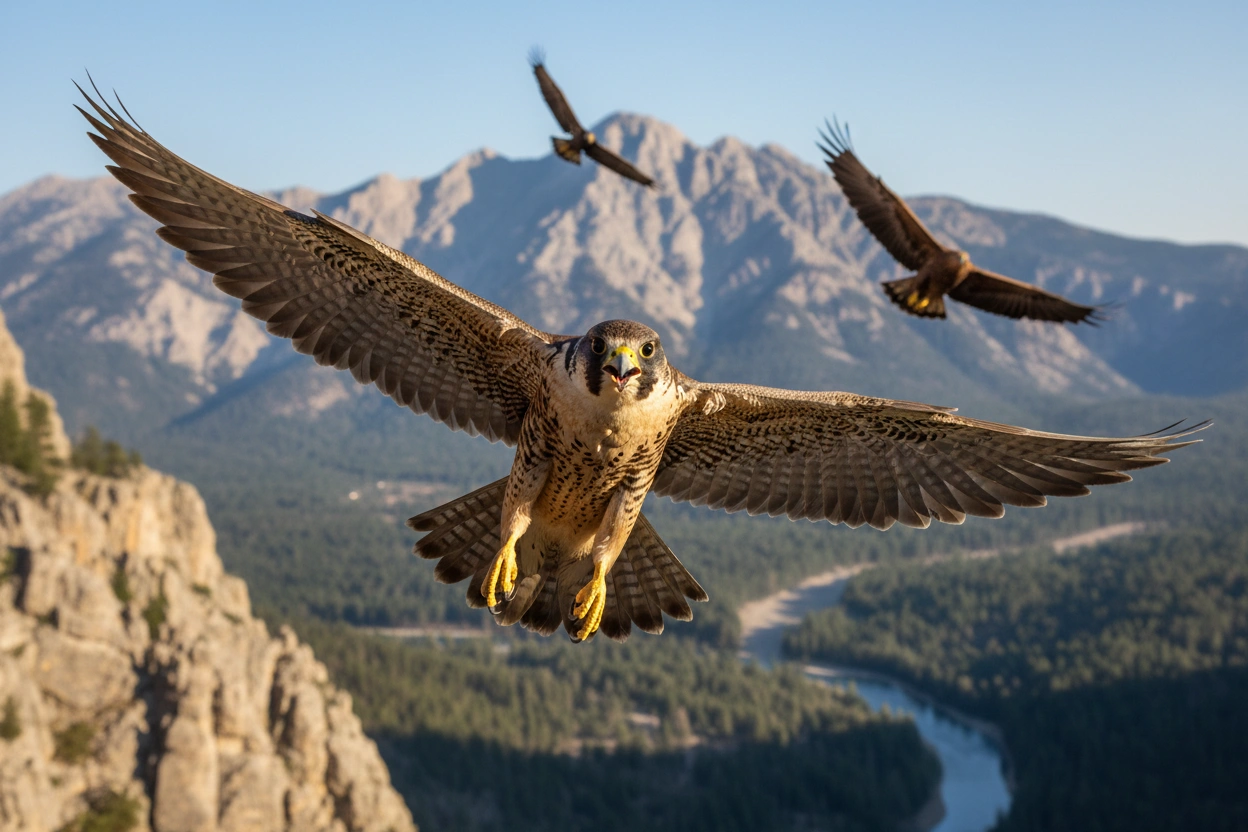
Birds of prey, also known as raptors, are a group of birds characterized by their keen eyesight, strong talons, and hooked beaks. They are primarily carnivorous and are adept hunters, often feeding on small mammals, birds, and reptiles. Common examples of birds of prey include:
The adaptations that make these birds such effective hunters also make them fascinating subjects for observation. Their hunting techniques and behaviors are diverse, ranging from the high-speed dives of falcons to the stealthy approach of owls.
Birds of prey are crucial for maintaining healthy ecosystems. As apex predators, they help control the populations of various species, thus preventing overpopulation and the spread of disease. They also serve as indicators of environmental health; a decline in raptor populations can signal ecological issues that may require attention.
By understanding their role in the ecosystem, we can better appreciate the importance of creating habitats that support their survival and growth.
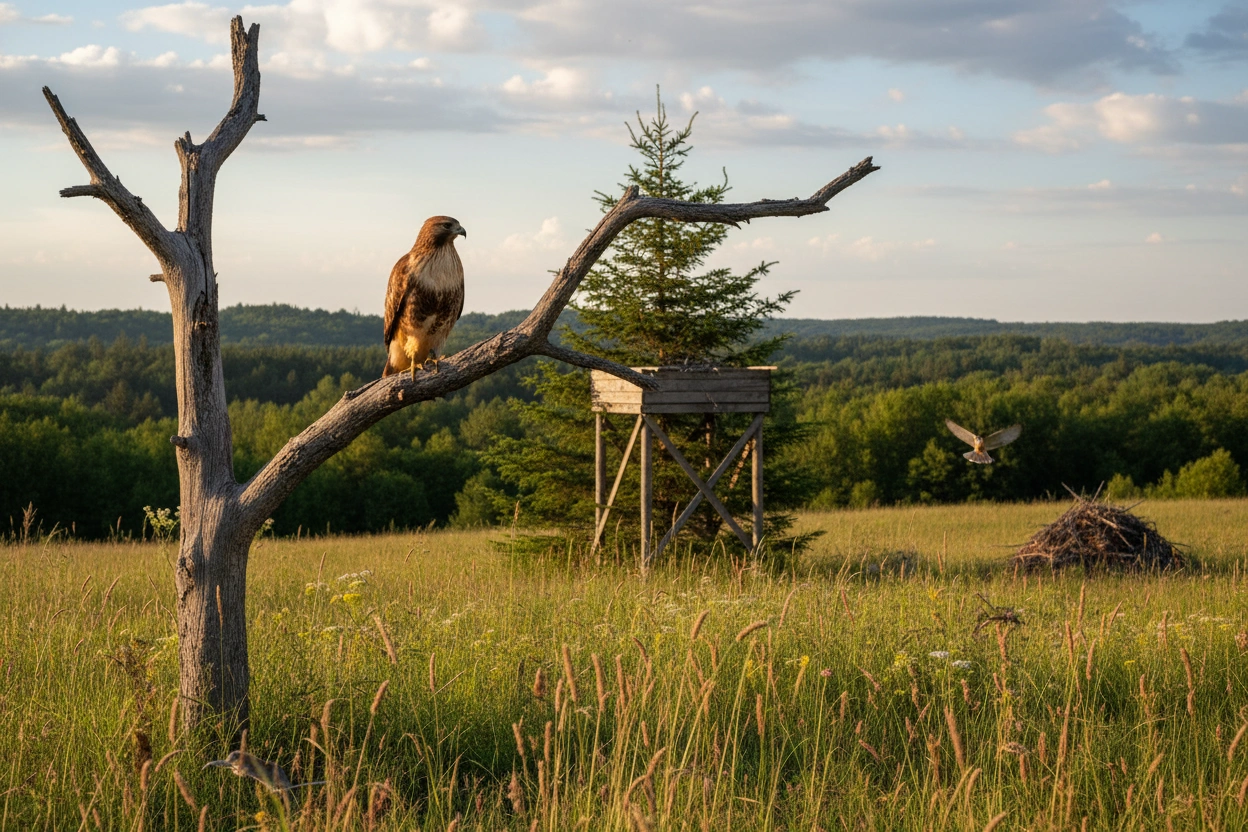
When creating bird-friendly spaces, the first step is selecting an appropriate location. Here are some key considerations:
Proximity to Water Sources: Birds of prey need access to water for drinking and bathing. Creating a habitat near a lake, river, or pond will increase the likelihood of attracting these birds.
Natural Cover: Raptors often prefer areas that provide ample cover for hunting and nesting. Planting native trees and shrubs can create an inviting environment.
Open Spaces for Hunting: Birds of prey require open areas to spot potential prey. Ensure there are clear sightlines where these birds can hunt efficiently.
Planting native plants is one of the most effective ways to create a bird-friendly habitat. Native flora provides food and shelter for birds and other wildlife. Here are some suggestions:
By incorporating a variety of native plants, you can create a balanced ecosystem that supports a diverse range of wildlife.

Observing birds of prey can be a rewarding experience, but it's essential to do so responsibly. Here are some ethical birdwatching guidelines to follow:
By practicing ethical birdwatching, you contribute to the conservation of birds of prey and their habitats.
Birds of prey identification can be an enjoyable challenge. Here are some tips for identifying these raptors:
Observe Size and Shape: Different species have distinct sizes and shapes. For example, eagles are typically larger than hawks, and owls have unique round faces.
Look at Plumage: Pay attention to the coloration and patterns of feathers. Many birds of prey have distinctive markings that can help with identification.
Listen for Calls: Each species has unique vocalizations. Familiarizing yourself with their calls can aid in identification, even when the birds are out of sight.
Note Hunting Behavior: Different species exhibit various hunting techniques. For instance, red-tailed hawks often soar high before diving to catch prey, while owls hunt primarily at night.
By using these identification techniques, you can enhance your birdwatching experience and gain a deeper appreciation for these magnificent creatures.
One common misconception is that birds of prey are harmful to other wildlife. While they do hunt smaller animals, they play a crucial role in maintaining balance within ecosystems. By controlling populations of rodents and other small mammals, they help prevent overgrazing and the spread of disease.
Another misconception is that birds of prey are only found in wild, remote areas. In reality, many raptors adapt well to urban and suburban environments. By creating suitable habitats in your backyard or community, you can attract these birds even in populated areas.
Building nesting platforms is a practical way to attract birds of prey. Here’s how to create effective nesting sites:
Select a Suitable Location: Choose an elevated area, such as a tall tree or a pole, that provides a clear view of the surrounding environment.
Use Durable Materials: Construct the platform using weather-resistant materials like wood or metal to ensure longevity.
Provide Safety Features: Make sure the platform is secure and protected from potential predators or disturbances.
While birds of prey primarily hunt for food, providing feeders can attract smaller birds that serve as prey. To set up effective feeders:
By creating an ecosystem that supports both birds of prey and their prey, you can foster a thriving bird-friendly environment.
Creating bird-friendly spaces not only enhances your backyard but also contributes to broader conservation efforts. By supporting local wildlife, you participate in a collective effort to protect ecosystems and promote biodiversity.
Banana Slug Club is dedicated to educating communities about the importance of wildlife conservation and providing resources to help you create thriving habitats for birds of prey. Our initiatives aim to empower individuals to take actionable steps toward protecting these magnificent birds and their environments.
At Banana Slug Club, we believe in the power of community engagement and education. Here’s how we can help you in your journey to attract and observe birds of prey:
By engaging with Banana Slug Club, you can deepen your understanding of birds of prey and contribute to their conservation.
Creating bird-friendly spaces is not only beneficial for birds of prey but also enriches our lives by connecting us with nature. By implementing thoughtful practices, planting native flora, and observing responsibly, we can foster environments where these magnificent birds thrive.
Take the first step in your birdwatching journey and explore the resources available at Banana Slug Club. For more information on how to attract and observe birds of prey naturally, visit Banana Slug Club today.
Get free resources, early access to new features and updates.
No spam. Just fun educational emails!


.svg)
.svg)