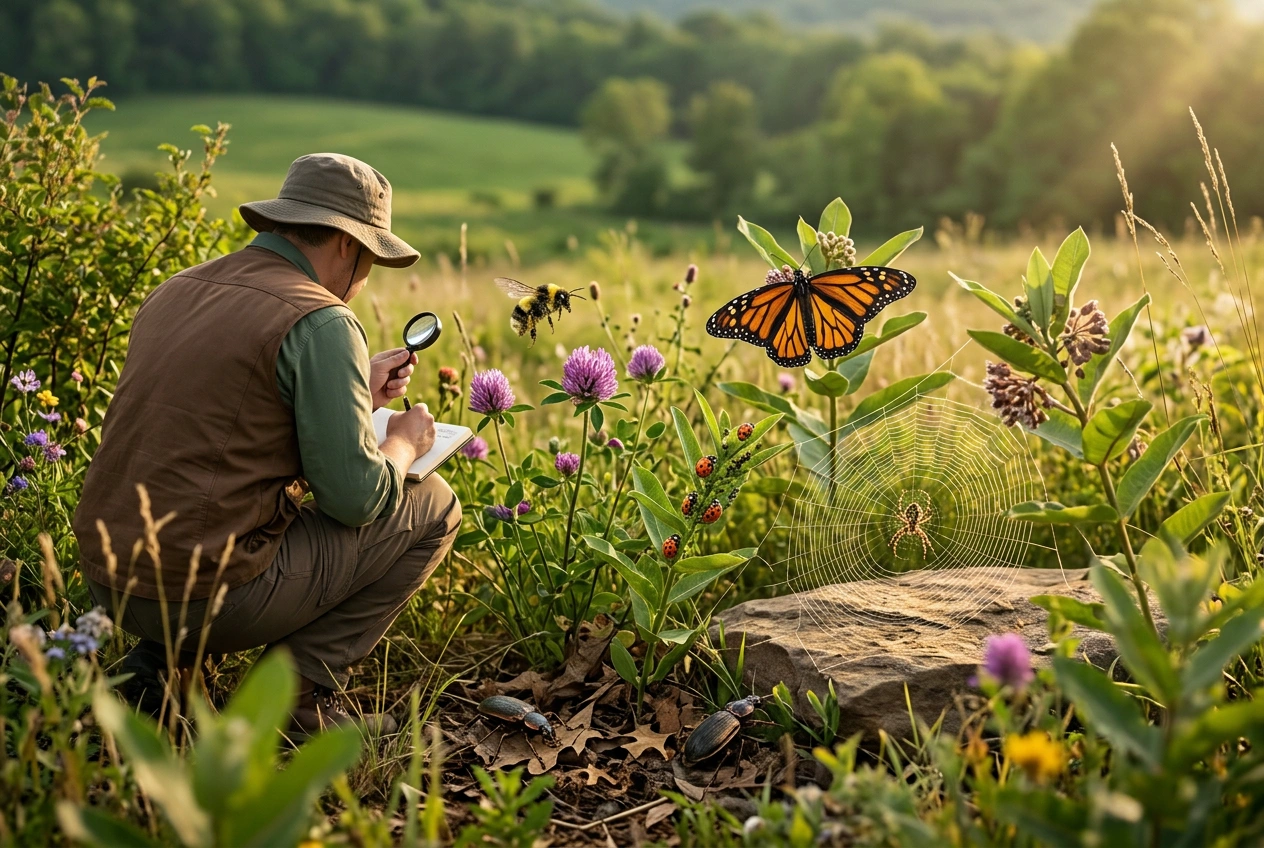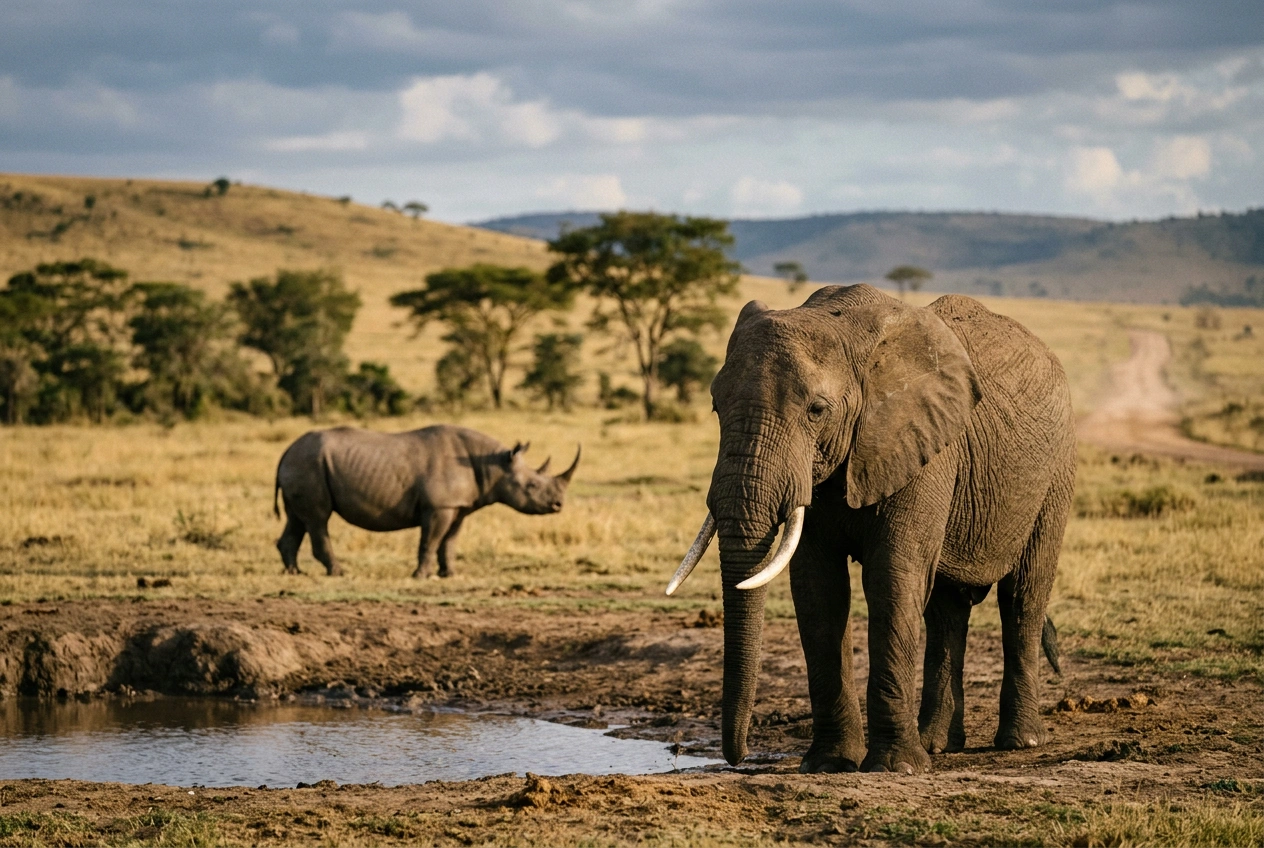
The terms "endangered animals" and "threatened species" are often used interchangeably in discussions about wildlife conservation, but they refer to distinct classifications that reflect the varying degrees of risk faced by different species. Understanding these differences is crucial for effective conservation efforts and for fostering public awareness about the plight of our planet's biodiversity. In this article, we will explore the specific meanings of these classifications, delve into the top ten endangered animals you need to know about, and discuss the broader implications for conservation efforts in 2026.

Endangered animals are species that are at a high risk of extinction in the wild. This classification is typically assigned based on criteria such as population size, rate of decline, and geographic range. The International Union for Conservation of Nature (IUCN) maintains a Red List that categorizes species based on their conservation status, with "endangered" being one of the more severe classifications.
On the other hand, threatened species encompasses a broader category that includes any species likely to become endangered in the near future. This classification includes three specific groups:
Understanding these classifications is essential for conservationists and policymakers as they develop strategies to protect wildlife and biodiversity.
The differentiation between endangered animals and threatened species is not merely semantic; it has significant implications for conservation efforts. Policies and funding often prioritize endangered animals due to their critical status, thereby directing resources to those species that need immediate intervention.
Moreover, understanding the specific needs of each classification allows conservationists to tailor their approaches. For instance, critically endangered species may require more intensive habitat protection and restoration efforts, while vulnerable species may benefit from regulations that limit hunting or habitat destruction.

Awareness of endangered animals is crucial for fostering public engagement and support for conservation initiatives. Here are ten species that represent the diverse challenges faced by wildlife today:
Amur Leopard
The Amur leopard is critically endangered, with fewer than 100 individuals remaining in the wild. Habitat loss and poaching are significant threats to its survival.
Sumatran Orangutan
With habitat destruction due to palm oil plantations, the Sumatran orangutan has seen its population decline by over 50% in the last few decades. Conservation efforts focus on habitat preservation and anti-poaching initiatives.
Vaquita
The Vaquita, a small porpoise found in the Gulf of California, is critically endangered with an estimated population of just 30 individuals. Bycatch in illegal fishing nets poses the most significant threat to its survival.
Javan Rhino
The Javan rhino is one of the rarest large mammals on Earth, with only about 76 individuals remaining in Ujung Kulon National Park, Indonesia. Conservation strategies include habitat protection and monitoring.
Saola
Often referred to as the "Asian unicorn," the Saola is critically endangered due to habitat loss and poaching. Conservationists are working to protect its remaining habitat in Vietnam and Laos.
Sumatran Tiger
The Sumatran tiger is the smallest of the tiger subspecies and is critically endangered, primarily due to habitat loss and poaching. Conservation efforts include anti-poaching patrols and habitat restoration.
Northern White Rhinoceros
With only two females left, the Northern white rhinoceros is functionally extinct. Conservationists are exploring advanced reproductive technologies to save the species.
Asian Elephant
The Asian elephant is classified as endangered due to habitat loss, poaching, and human-elephant conflict. Conservation efforts focus on habitat connectivity and community education.
California Condor
Once on the brink of extinction, the California condor has seen a resurgence due to captive breeding programs. However, it remains endangered due to lead poisoning and habitat loss.
Tapanuli Orangutan
Discovered as a distinct species in 2017, the Tapanuli orangutan is critically endangered, with fewer than 800 individuals remaining. Habitat destruction due to palm oil plantations poses a severe threat.

Conservation efforts are essential for the survival of endangered animals. Here are some key strategies being employed globally:
Despite the efforts made, numerous challenges persist in the realm of conservation. Some of the most significant include:
Global collaboration is essential for effective conservation. Organizations such as the World Wildlife Fund (WWF) and the International Union for Conservation of Nature (IUCN) work with governments, communities, and businesses to implement conservation strategies. Collaborative efforts can amplify the impact of conservation success stories and ensure that endangered animals receive the protection they need.
One common misconception is that all endangered animals face the same threats and require the same conservation strategies. In reality, the challenges and needs of each species can vary significantly. Tailoring conservation efforts to the specific circumstances of each species is crucial for success.
While charismatic megafauna like tigers and elephants often receive the most attention, countless lesser-known species are equally endangered and deserve protection. Conservation efforts must extend beyond high-profile animals to include a wide range of species, ensuring a holistic approach to biodiversity preservation.
Another misconception is that only governments and large organizations are responsible for conservation. In truth, individuals, local communities, and businesses all play vital roles in protecting endangered animals. Grassroots initiatives and individual actions can significantly contribute to conservation success.
Everyone has a role to play in protecting endangered animals. Here are some actionable steps individuals can take:
Educate Yourself and Others: Understanding the issues surrounding endangered species is the first step toward making a difference. Share your knowledge with others to raise awareness.
Support Conservation Organizations: Donate to or volunteer with organizations that focus on wildlife conservation. Your support can help fund critical initiatives.
Make Sustainable Choices: Be mindful of your consumption habits. Choosing sustainably sourced products can reduce the impact on endangered species’ habitats.
Advocate for Policy Change: Engage with local and national representatives to advocate for policies that protect endangered animals and their habitats.
Advancements in technology are revolutionizing conservation efforts. Tools such as satellite imaging, drones, and genetic analysis are being used to monitor wildlife populations and habitats. Additionally, mobile applications enable citizen scientists to contribute data, enhancing conservation efforts.
Understanding the plight of endangered animals is vital for fostering a culture of conservation. The Banana Slug Club is committed to raising awareness about endangered species and promoting conservation efforts. By engaging communities in educational initiatives and conservation projects, we can collectively work towards protecting our planet's biodiversity.
The importance of understanding the differences between endangered animals and threatened species cannot be overstated. Each classification presents unique challenges that require tailored approaches to conservation. Through education, advocacy, and community involvement, we can make significant strides in preserving these species for future generations.
If you're passionate about protecting endangered animals and want to contribute to meaningful conservation efforts, consider getting involved with the Banana Slug Club. Together, we can create a positive impact on our planet's biodiversity.
Visit Banana Slug Club to learn more about our initiatives and how you can help make a difference.
Get free resources, early access to new features and updates.
No spam. Just fun educational emails!