Reptiles have become increasingly popular as pets due to their unique appearance, fascinating behaviors, and relatively low maintenance compared to traditional pets like dogs and cats. In 2026, the allure of owning a reptile continues to grow, with many people seeking companionship in the form of these cold-blooded creatures. However, with a plethora of species available, each with its own specific care requirements, it can be challenging to determine which reptile is the best fit for your lifestyle. This article will provide a comprehensive comparison of comparing popular pet reptiles, helping you make an informed decision.
In addition to exploring which reptiles might suit your needs, we will also highlight the top ten endangered reptile species and their conservation status. Understanding the ecological implications of pet ownership can help you appreciate the importance of responsible pet keeping and conservation efforts.
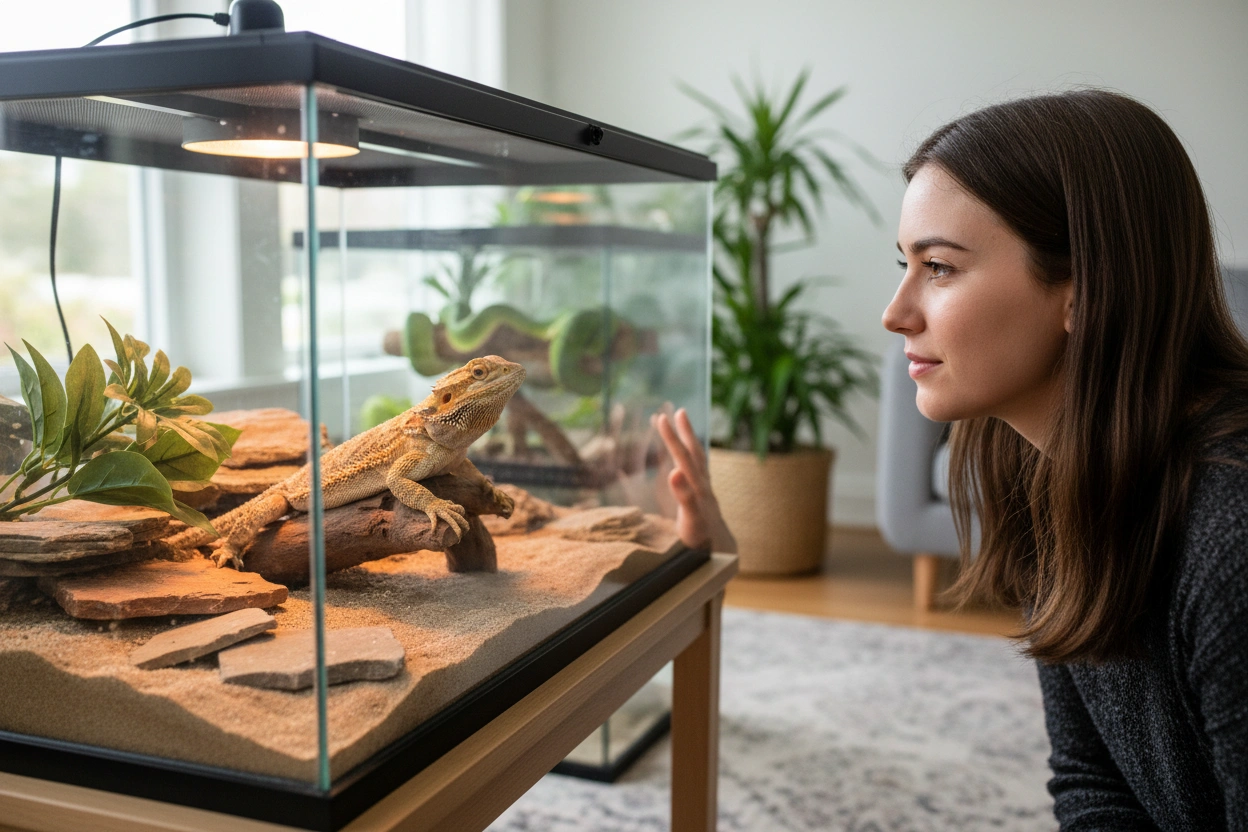
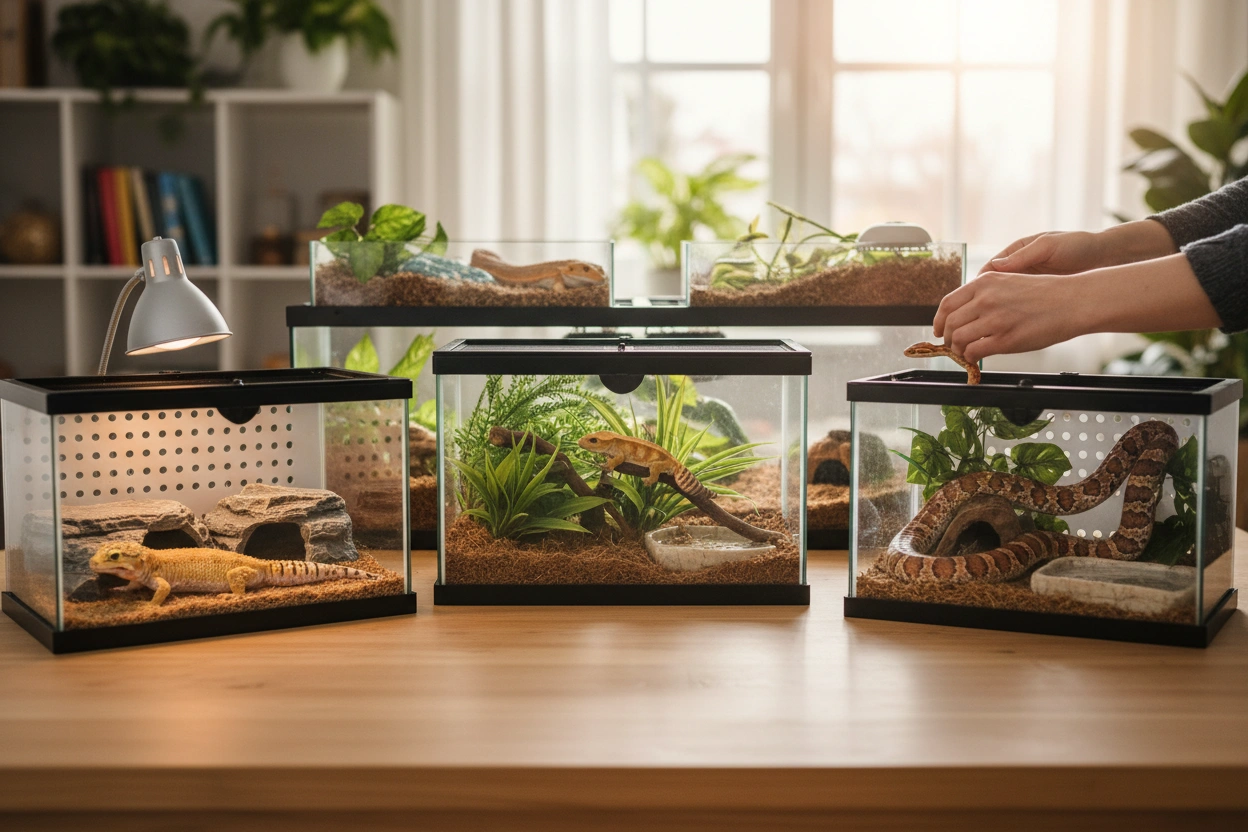
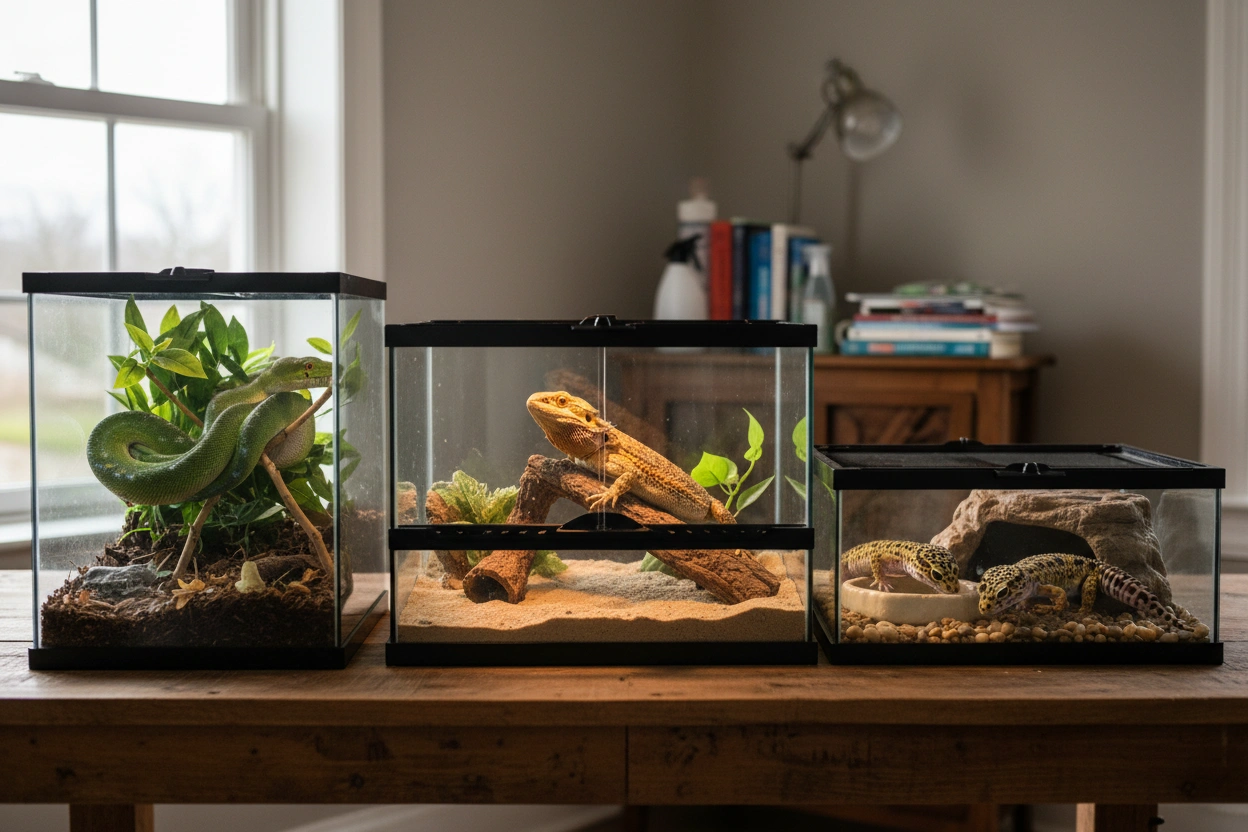
Reptiles are a diverse group of animals that include snakes, lizards, turtles, and more. Each species has its own unique characteristics, temperaments, and care requirements. Here are some popular reptiles commonly kept as pets:
Bearded dragons are one of the most popular pet reptiles due to their friendly disposition and manageable size. They thrive in captivity, are relatively easy to care for, and enjoy interaction with their owners. These lizards can be kept in a terrarium and require a diet that includes vegetables, fruits, and insects.
Leopard geckos are known for their docile nature and vibrant coloration. They are nocturnal creatures, making them suitable for owners who are active during the evening. Their care requirements are straightforward, with a diet primarily consisting of insects. Leopard geckos also do not require UVB lighting, making them easier to care for compared to other reptiles.
Corn snakes are popular among snake enthusiasts for their gentle temperament and striking patterns. They are relatively low-maintenance, requiring a secure enclosure and a diet of rodents. Corn snakes are also known for their adaptability and can be handled comfortably, making them great for beginners.
Ball pythons are another common choice for reptile enthusiasts. They are known for their calm nature and manageable size. With proper care, ball pythons can live for over 20 years, making them a long-term commitment. They require a diet of appropriately sized rodents and can thrive in a well-maintained enclosure.
Red-eared sliders are one of the most commonly kept pet turtles. They are semi-aquatic and require both water and land areas in their habitat. Their diet consists of aquatic vegetation, pellets, and occasional protein sources like insects. Red-eared sliders can be social and often enjoy interaction with their owners.

Choosing the right reptile requires careful consideration of several factors. Here are some key aspects to think about:
Before selecting a reptile, assess your lifestyle. Some reptiles require more interaction and socialization than others. For instance, bearded dragons thrive on companionship, while leopard geckos may be more independent. Consider how much time you can dedicate to your pet.
Each reptile species has specific space requirements that must be met for their health and well-being. For example, larger reptiles like ball pythons will need more spacious enclosures than smaller species like leopard geckos. Ensure you have adequate space in your home before committing to a pet reptile.
Reptiles are ectothermic, meaning they rely on external sources for heat. Each species has particular temperature and humidity needs that must be maintained in their habitat. Research the specific requirements for your chosen reptile and invest in proper heating and humidity control equipment.
Understanding the dietary needs of your reptile is crucial for its health. Some species require a diet rich in insects, while others may need a vegetarian diet. Be prepared to source the appropriate food and supplements for your pet.
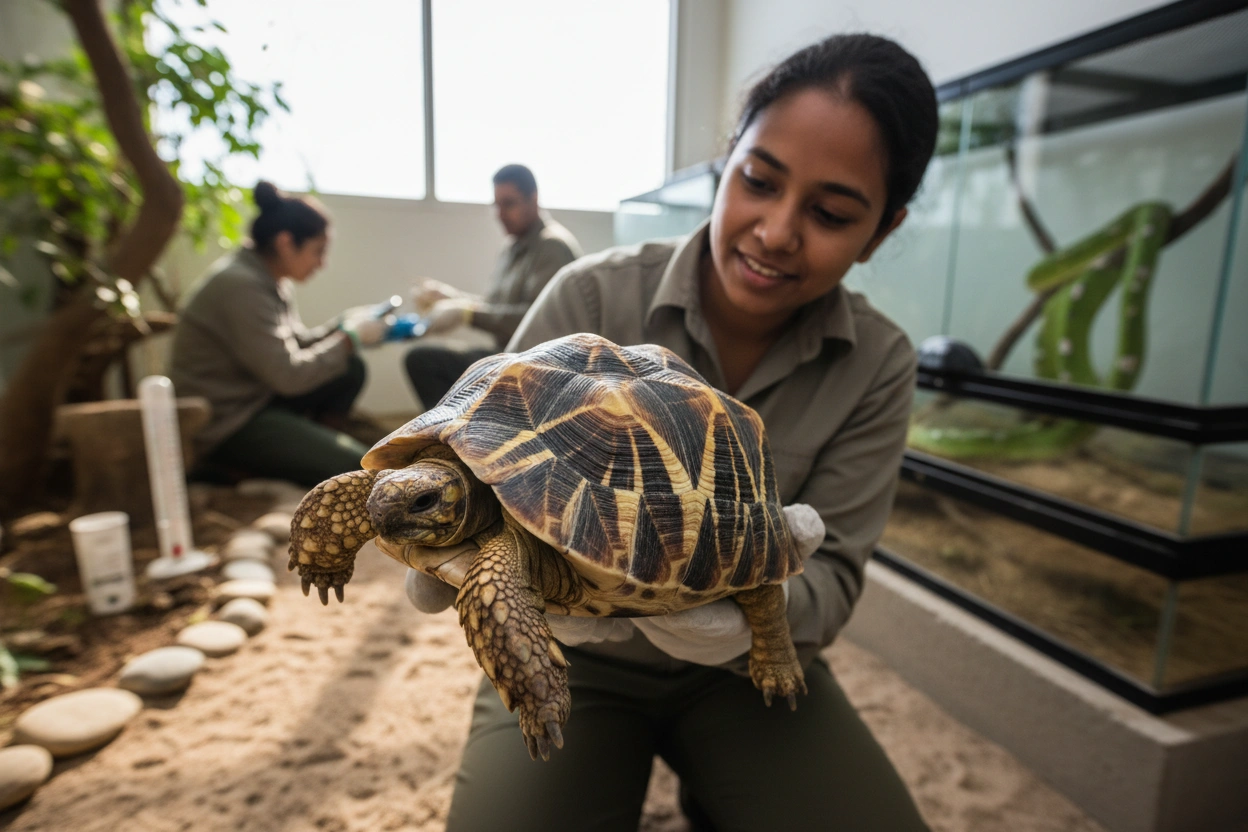
Reptiles, while fascinating as pets, are also facing significant threats in the wild. Here are ten endangered reptile species that highlight the importance of conservation efforts:
Hawksbill sea turtles are critically endangered due to habitat loss, poaching, and climate change. Their beautiful shells are highly sought after in the illegal trade market.
This unique species is threatened by habitat destruction and pollution. Conservation efforts are focused on preserving their natural habitats in Borneo.
The gharial, a fish-eating crocodilian, is critically endangered due to river habitat loss and fishing practices. Conservation programs aim to restore their populations in the wild.
This sloth species is critically endangered due to habitat loss on its native island, Escudo de Veraguas. Conservationists are working to protect its habitat and promote awareness.
The Philippine crocodile is critically endangered, primarily due to habitat destruction and hunting. Efforts are underway to establish protected areas for their populations.
Once widespread, the eastern indigo snake is now threatened due to habitat loss and fragmentation. Conservationists are working to restore its habitat and promote awareness.
This tortoise species is critically endangered due to poaching and habitat destruction. Conservation programs focus on protecting nesting sites and educating local communities.
This gecko is at risk due to habitat loss and climate change. Conservation efforts aim to monitor populations and protect their habitats.
The Galápagos tortoise is iconic but endangered due to introduced species and habitat destruction. Conservation efforts focus on breeding programs and habitat restoration.
The king cobra is threatened by habitat destruction and hunting. Conservation programs aim to protect their habitats and educate local communities about their ecological importance.
Owning reptiles can be a rewarding experience, but it comes with responsibilities. Here are some essential tips for responsible reptile ownership:
Understanding the specific needs of your chosen reptile species is critical. Conduct thorough research on their habitat, diet, and care requirements to ensure you can meet their needs.
Consider adopting reptiles from reputable breeders or rescues rather than purchasing them from pet stores. Supporting conservation efforts and ethical breeding practices helps protect wild populations.
Share your knowledge about reptiles and their care with others. By educating friends and family, you can help promote responsible pet ownership and conservation awareness.
Reptiles are captivating creatures that can enrich your life in many ways. Understanding the differences between species, their care requirements, and the conservation status of wild populations is essential for both prospective and current reptile owners. By making informed choices, you can enjoy the companionship of a reptile while also contributing to their conservation.
The Banana Slug Club is dedicated to supporting pet owners in their journey with reptiles. Through educational resources, community engagement, and conservation efforts, we aim to enhance the understanding and care of reptiles. Whether you're a first-time reptile owner or a seasoned enthusiast, the Banana Slug Club provides valuable insights and support.
For those looking to learn more about responsible reptile ownership and conservation, we encourage you to visit our website and explore the wealth of information available. Together, we can foster a deeper appreciation for these remarkable animals while promoting their well-being and conservation.
To embark on your reptile journey or to deepen your knowledge, contact Banana Slug Club today and become part of a community that values education, conservation, and the joy of reptile companionship.
Get free resources, early access to new features and updates.
No spam. Just fun educational emails!


.svg)
.svg)