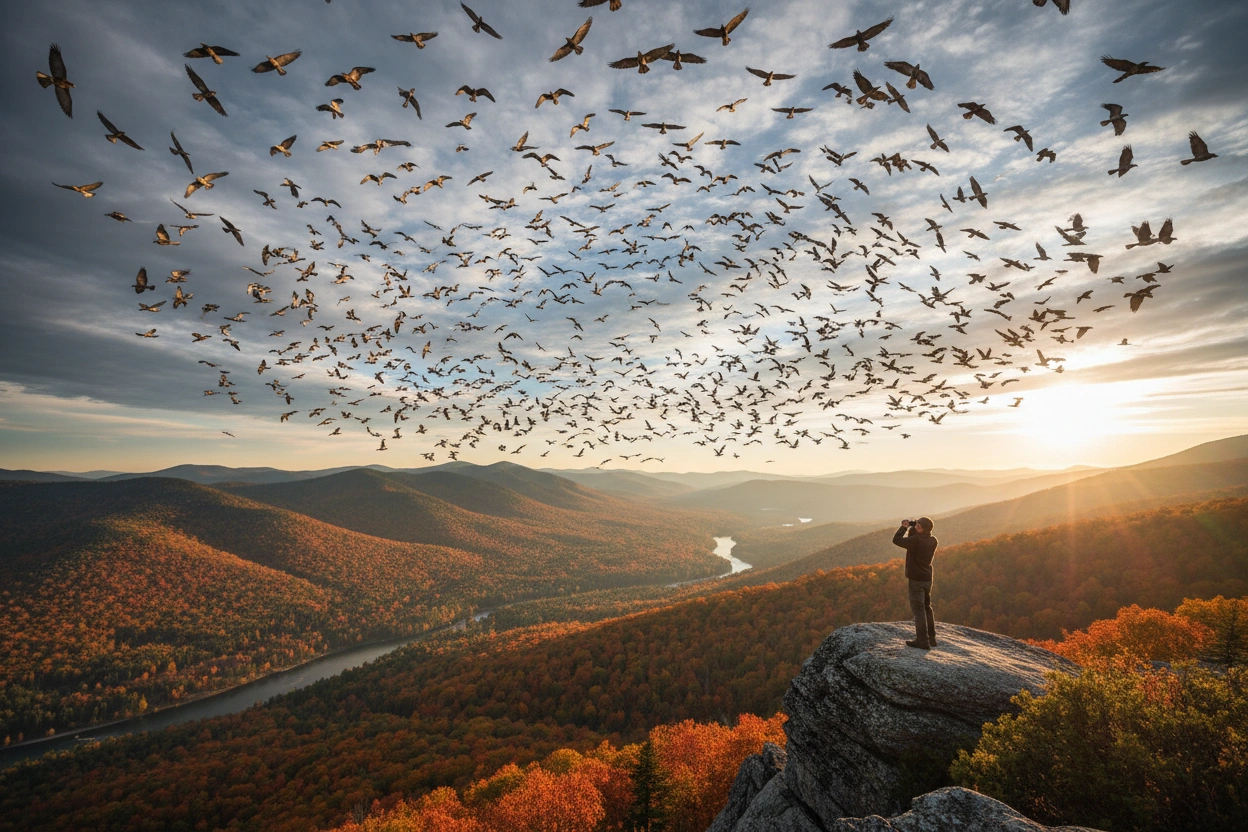
Birdwatching is an enriching hobby that connects enthusiasts with nature, and one of the most thrilling aspects is observing the migration of birds of prey. These magnificent raptors, including hawks, eagles, and falcons, undertake remarkable journeys that showcase their incredible adaptability and survival skills. understanding the behavior of these birds during migration not only enhances your birdwatching experience but also deepens your appreciation for the ecological dynamics at play.
In this comprehensive guide, we will delve into the intricacies of birds of prey migration, exploring their behaviors, migration patterns, and tips for engaging in successful birdwatching tours. Whether you are an experienced birdwatcher or a novice eager to learn, this article will equip you with the knowledge needed to appreciate the spectacle of raptor migration.
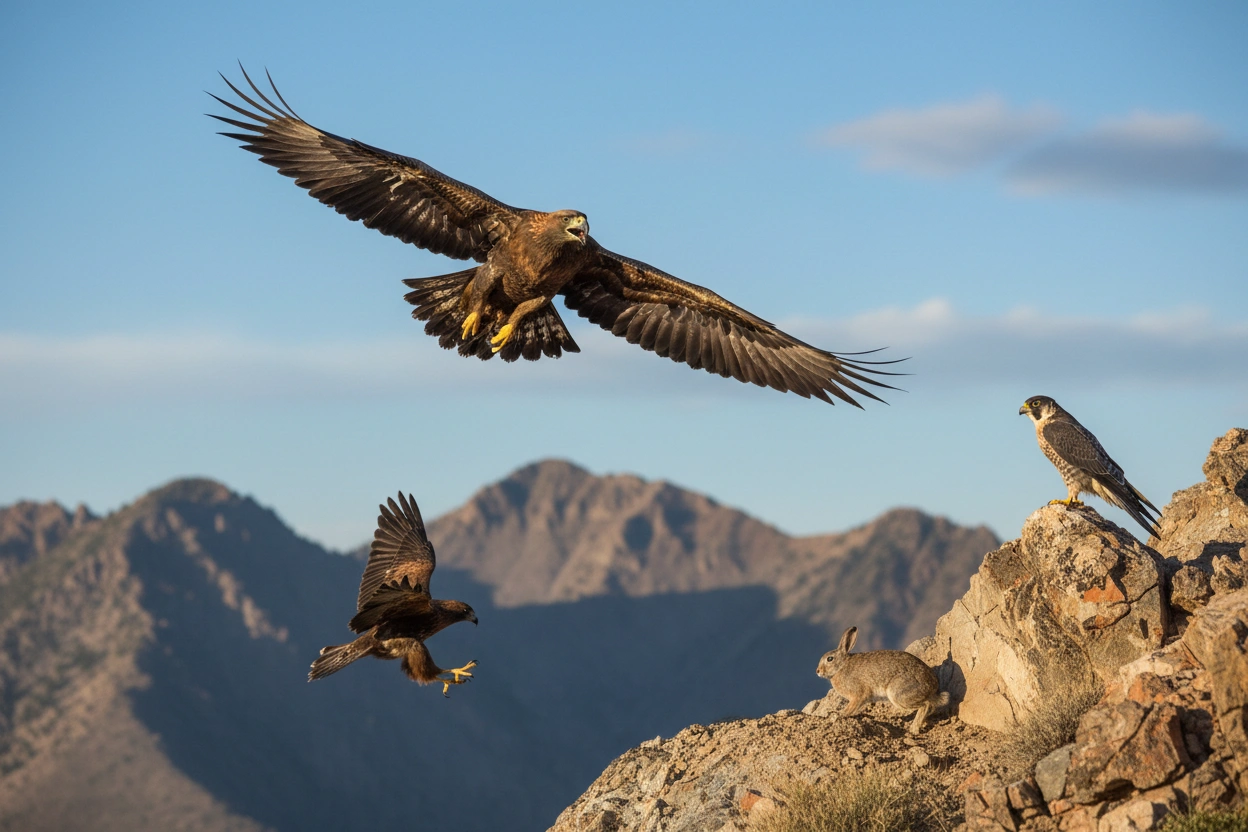
Migration is a critical survival strategy employed by many species of birds, particularly birds of prey. This seasonal movement allows them to exploit different habitats and food sources as environmental conditions change. For instance, raptors typically migrate from breeding grounds in the northern latitudes to warmer regions during winter, where food is more abundant.
Birds of prey exhibit varying migration patterns, which can be categorized into three primary types: complete, partial, and irruptive migration. Complete migrators, such as the Arctic Peregrine Falcon, travel thousands of miles to find suitable wintering grounds. Partial migrators, like the Red-tailed Hawk, may only migrate in certain populations, while irruptive species, such as the Snowy Owl, migrate based on food availability rather than a fixed schedule.
Raptors display distinct behaviors during migration that reflect their adaptability and survival instincts. Here are some crucial behaviors to observe:
Soaring and Gliding: Raptors are masters of thermal soaring, using rising columns of warm air to gain altitude with minimal energy expenditure. This behavior is particularly evident during migration, as they can cover long distances efficiently.
Timing and Navigation: Many birds of prey rely on innate biological clocks and environmental cues, such as changes in daylight and temperature, to time their migrations. They also utilize landmarks, the sun, and even the Earth's magnetic field to navigate accurately.
Social Behavior: While some raptors are solitary, many species exhibit social behavior during migration. For example, large groups of hawks may gather at traditional migration sites, known as "hawk watches," where birdwatchers can witness spectacular displays of raptor movement.
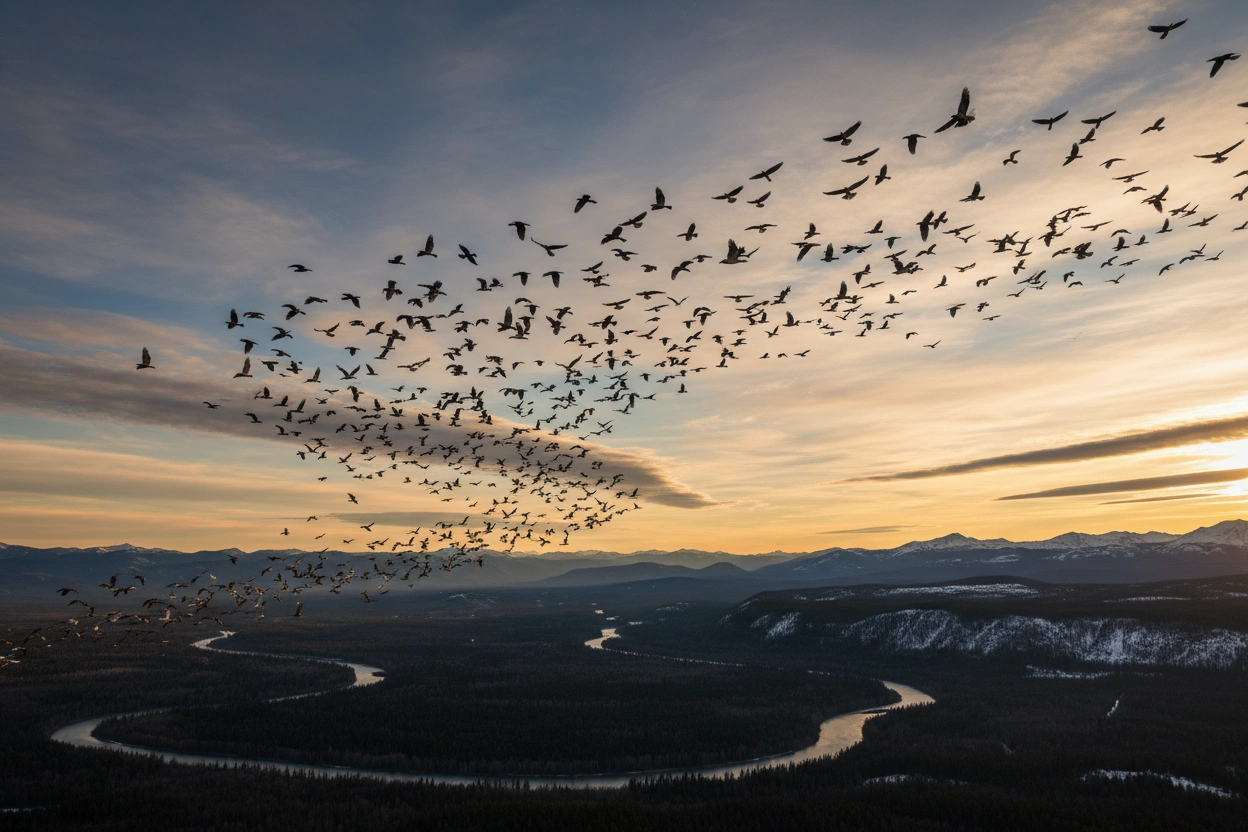
Understanding the timing of raptor migration can significantly enhance your birdwatching experience. Raptors typically migrate during specific windows of time in the spring and fall, with variations depending on species and geographic location.
Spring Migration: In the northern hemisphere, spring migration usually occurs from late March to early June. During this period, birds of prey return to their breeding grounds after wintering in warmer climates.
Fall Migration: Fall migration generally takes place from late August to early November. This is the time when raptors leave their breeding territories, heading south to escape the colder months.
Different species of raptors follow distinct migration routes, influenced by geographic features and weather patterns. Here are some notable migration paths:
The Mississippi Flyway: This route is crucial for many raptor species migrating from the northern United States and Canada to southern regions. Birdwatchers often flock to areas along this flyway for optimal viewing opportunities.
The Pacific Flyway: Stretching from Alaska down to Central America, this flyway is known for its diverse raptor populations, including the Rough-legged Hawk and the Bald Eagle.
The Atlantic Flyway: This route is essential for raptors migrating along the eastern seaboard of the United States, where they often follow coastal habitats.
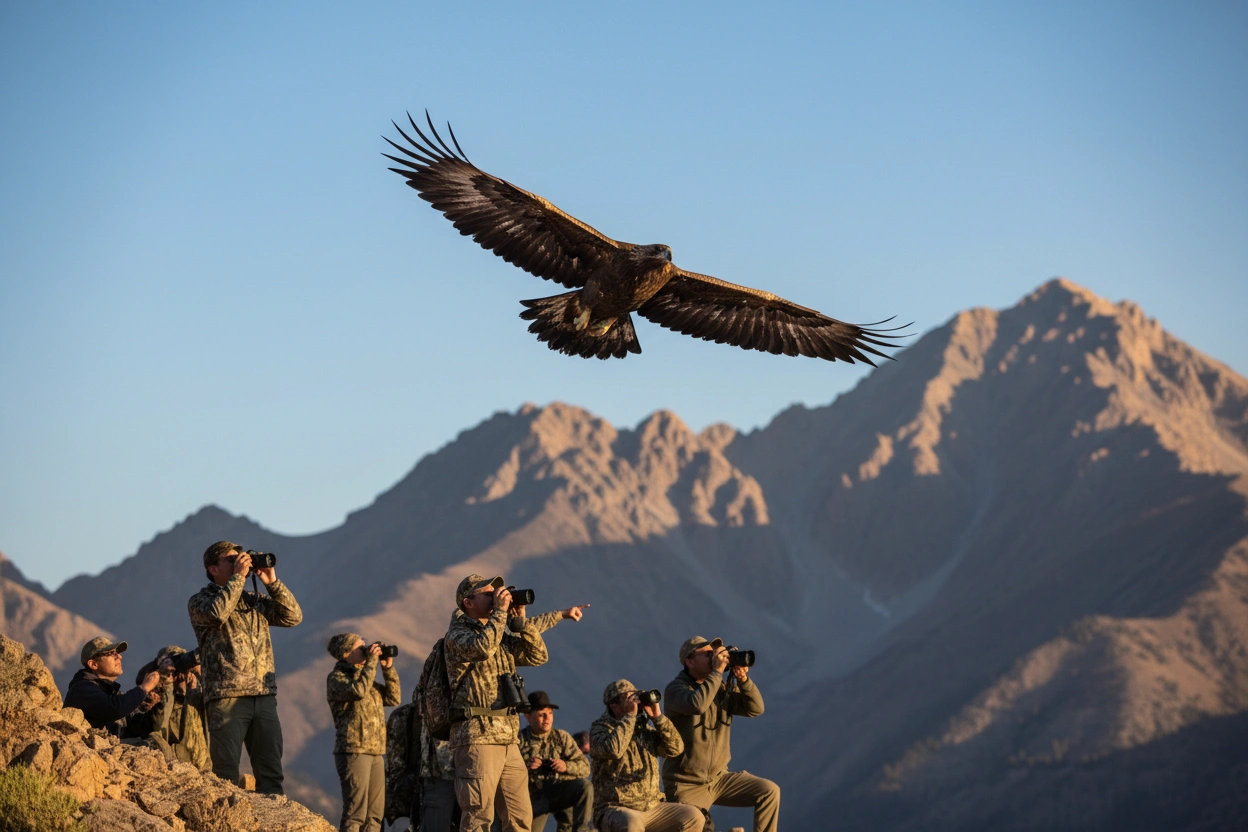
To maximize your birdwatching experience, selecting the right locations is essential. Here are some prime spots to consider:
Hawk Migration Sites: Locations like Cape May in New Jersey and Hawk Mountain in Pennsylvania are renowned for their raptor migration. These sites often host organized birdwatching tours and festivals.
National Parks and Wildlife Refuges: Many national parks, such as Yellowstone and the Everglades, provide habitats for various raptor species during migration. These protected areas offer excellent viewing opportunities and guided tours.
Urban Areas: Surprisingly, many raptors adapt well to urban environments. Cities often provide abundant food sources, and birdwatchers can observe species like the Peregrine Falcon nesting on skyscrapers.
Equipping yourself with the right gear can enhance your birdwatching experience significantly. Here are some essentials to consider:
Binoculars: A good pair of binoculars is crucial for spotting and identifying raptors at a distance. Look for binoculars with a magnification of at least 8x and a large objective lens for better light gathering.
Field Guides: A comprehensive field guide specific to birds of prey can help you identify species and understand their behaviors and habitats.
Camera with Telephoto Lens: Capturing images of raptors in flight can be rewarding. A camera with a telephoto lens allows you to photograph these majestic birds without disturbing them.
Birdwatching should always prioritize the well-being of wildlife. Here are some guidelines to follow:
Maintain Distance: Always observe raptors from a safe distance. Approaching nests or roosting sites can disturb their natural behaviors.
Leave No Trace: Follow the principles of Leave No Trace to minimize your impact on the environment. Pack out what you bring in and avoid trampling sensitive habitats.
Educate Others: Share your knowledge about birds of prey and the importance of conservation with fellow birdwatchers and the community.
While many birds of prey do migrate south for the winter, not all raptors follow this pattern. Some species, like the Red-tailed Hawk, can remain in their breeding territories if food is available. Understanding these nuances can help birdwatchers set realistic expectations during migration seasons.
While migration is indeed instinctual for many birds, it is also highly adaptable. Factors such as climate change, food availability, and habitat loss can influence migration patterns, leading to changes in timing and routes. Birdwatchers should remain open to observing these variations during their tours.
Birdwatching is not just a hobby; it plays a vital role in importance of conservation efforts for birds of prey. Engaging with local conservation organizations can help protect raptor habitats and promote awareness of their ecological importance.
Birdwatching contributes to conservation in several ways:
Funding for Conservation Projects: Many birdwatching tours and events raise funds for habitat restoration and protection initiatives.
Data Collection: Birdwatchers contribute valuable data to scientific research by reporting sightings, which helps track population trends and migratory patterns.
Community Engagement: Birdwatching fosters a sense of community among enthusiasts, encouraging collective efforts toward conservation goals.
Engaging with the migration of birds of prey opens a window into the fascinating world of raptors and their behaviors. Through understanding their migration patterns and participating in responsible birdwatching, you can deepen your appreciation for these majestic creatures.
The Banana Slug Club is dedicated to fostering a love for nature and wildlife. Whether you are looking for birdwatching tours or educational resources about birds of prey, our community is here to support your journey.
Join us in exploring the wonders of raptors and contribute to conservation efforts. For more information, contact Banana Slug Club and start your adventure in birdwatching today!
Get free resources, early access to new features and updates.
No spam. Just fun educational emails!


.svg)
.svg)